
Published: 8 June 2026
The English Chronicle Desk
The English Chronicle Online
An Australian doctor who underwent a groundbreaking experimental treatment for brain cancer has died, drawing renewed attention to the challenges and hopes surrounding advanced cancer research.

The doctor had become widely known after participating in what researchers described as a world-first treatment targeting aggressive brain tumours through innovative medical technology and experimental therapy methods.
Medical teams involved in the treatment said the pioneering approach aimed to improve survival rates and treatment precision for patients suffering from difficult-to-treat brain cancers.
The case attracted international attention within the scientific and medical communities because of its potential implications for future cancer therapies.
Family members and colleagues paid tribute to the doctor’s courage, describing him as committed to advancing medical science even while battling a serious illness personally.
Researchers noted that although the treatment represented a major scientific breakthrough, experimental therapies often involve uncertainty and may not guarantee recovery.
Brain tumours remain among the most challenging cancers to treat due to their complexity, rapid progression and difficulty accessing affected tissue safely.
Health experts say advances in artificial intelligence, targeted medicine and precision treatment technologies are increasingly shaping future approaches to cancer care.
The doctor’s participation in the experimental procedure was viewed by many scientists as an important contribution to ongoing research that could benefit future patients worldwide.
Medical organisations in Australia praised his willingness to support innovation and clinical research during an extremely difficult personal struggle.
Cancer specialists stressed that progress in medical science frequently depends on clinical trials and patients prepared to participate in experimental treatment programmes.

The death has renewed broader discussion around investment in cancer research, access to emerging therapies and the emotional realities faced by patients living with terminal illnesses.
Researchers involved in the project said the knowledge gained through the treatment trial may still contribute to future scientific developments despite the tragic outcome.
Check Out Our Latest News At>>
Related News:
 Bill Gates Pulls Out of India’s AI Summit Over Epstein Files Controversy
 Zuckerberg Defends Meta in Landmark Social Media Addiction Trial
 The Sad, Strange Story of the World’s Most Radioactive Paradise
 Wellness Peptide Craze: Why People Are Injecting Drugs ‘Not for Human Consumption’
 Satellite Images Show Iranian Navy and Nuclear Sites Hit by US‑Israeli Strikes
 Protesters Rally in San Francisco Against OpenAI Deal With Pentagon
 We Have More Privacy Controls Yet Less Privacy Than Ever — The Paradox of Digital Life
 Regulator Contacts Meta Over Workers Watching Intimate AI Glasses Videos
 Chornobyl Still at Risk 40 Years After Disaster
 New Bacteria Discovery Offers Hope Against Noma
 “The Floating Fever”: WHO Confirms Second Hantavirus Case as Cruise Outbreak Death Toll Reaches Three
 “The Swap Shop”: TV’s Dr Chris van Tulleken Backs Teenagers’ Fight Against ‘The Matrix’ of Ultra-Processed Food
 “The Swap Shop”: Dr Chris van Tulleken Backs Southampton Teens’ Fight Against ‘The Matrix’ of Ultra-Processed Food
 “The Bio-Marker Breakthrough”: At-Home Blood Test Could Spot Alzheimer’s Risk Years Before ‘Clinical’ Symptoms
 “The Rhythm of Resilience”: Why an ‘Uneven’ Heart Rate is the New ‘Clinical’ Milestone for Health
 The Pathogen Protocol”: Third British National Monitored for ‘Nasty’ Suspected Hantavirus
 Search Intensifies for Missing Hiker on WA Bibbulmun Track
 “The Body Under Siege”: Understanding the Physiological Impact of Extreme Heat
 “The Critical Intervention”: Essential Steps for Identifying and Treating Heat-Related Emergencies
 Ebola outbreak in DRC overwhelms health system as cases surge
 Maldives Cave Diving Tragedy Raises Safety Alarm
 Costa Blanca Holiday Horror as Food Poisoning Outbreak Hits Four-Star Hotel
 British Pilot Joins Crew Training for Year-Long Mars Simulation Mission
 Google at 27: The Untold Story of Ruth Kedar, the Woman Behind the Iconic Logo
 Experts Warn Russia’s Burevestnik Missile Could Destabilise Arms Control
 Patients to Test Health at Home to Ease NHS Winter Pressure
 Britain deploys RAF specialists to assist Belgium with drone threats
 Pokémon to open world’s first theme park in Japan next year
 New AI tool could cut wasted efforts in organ transplants
 US Clears Nvidia AI Chip Sales to China in Policy Shift
 Sydney Shark Attack Surge Shocks Australia Beaches
 Andrew Hastie Emerges as Leadership Rival to Ley
 AI breast screening cuts later cancer diagnoses by 12%, study finds
 UK New Car Discounts Near £6,000 as Prices Are Slashed
 Most Statin Side-Effects Are Not Caused by Drugs, Study Confirms
 Indian University Kicked Out of AI Summit for Claiming Chinese Robot Dog as Its Own Invention
 China Shows Off Nunchuck‑Wielding Humanoid Robots for Lunar New Year
 How Do You Modernise Mango Farming? India’s Growers Urged to Innovate as Climate Change Hits
 Australian PM Says Former Prince Andrew Has Suffered ‘Extraordinary Fall’ but That Won’t Prompt Republic Referendum
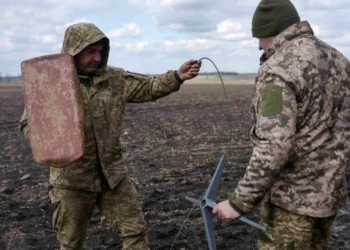 Musk Cuts Starlink Access for Russian Forces – Giving Ukraine an Edge at the Front
 ‘A Disgrace’ — Patient Blasts Neurology Report
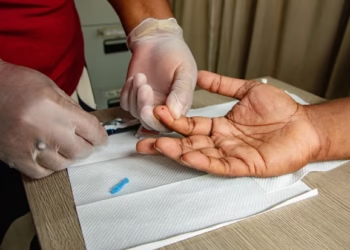 Drugs, Denial, Stigma: Fiji’s HIV Crisis Hits Children
 ‘I Wanted to Save Her Life’ — The Moment Twin Sisters Learned They Were Identical
 Social Media Trial: Woman Says Addiction Began at Six
Instagram Investigating AI Profiles ‘Fetishising’ Disabled People
Social Media Trial: Woman Says Addiction Began at Six
Instagram Investigating AI Profiles ‘Fetishising’ Disabled People
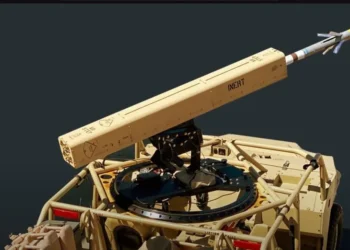 The US Now Has the Medicine for Cheap Swarming Drone Attacks
 Nepal Holds First General Election Since Gen Z Protests Toppled Government
 ‘Every Day Feels Like a Month’: Iranians Describe Life Under ‘Constant’ US‑Israeli Strikes
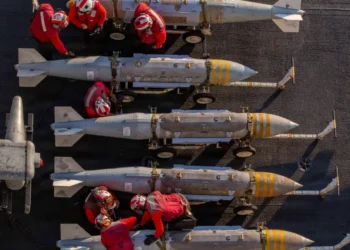 How Depleted Weapons Stockpiles Could Affect the Iran Conflict
 Study Says Only Two Nations May Survive Nuclear War
 Social Media Giant Trial Reaches Final Jury Decision
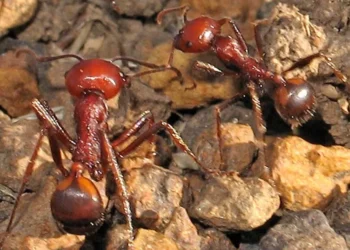 One Ant for $220: The New Frontier of Wildlife Trafficking
 Trump Considers Military Operation to Seize Iran’s Uranium
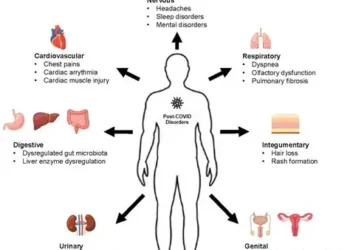 ‘Zoom Dysmorphia’ Explosion: BDD Patients Quadruple in Post-Pandemic UK
 ‘I’m So Ready’: Céline Dion Announces 10-Night Paris Comeback Residency
 A Name for the Nameless: DNA Finally Links 1974 Utah Murder to Ted Bundy
 Voices of the Vanguard: ‘Audio Time Capsule’ of Disability Rights Pioneers Discovered
 Bangladesh Launches Emergency Vaccine Drive After 100 Child Deaths
 Electric Shock: Australians Buy Record Number of New EVs as Fuel Crisis Bites
 War, Windfalls, and the Carbon Trap: The Iran Conflict’s Brutal Energy Math
 The Great Saddle-Up: Sydney Commuters Ditch the ‘Crazy’ Bowsers for the Bike Lane
 The Fallen Icon: Ben Roberts-Smith Charged with Five War-Crime Murders
 The Great Chokehold: Why the Strait of Hormuz is the Epicenter of the 2026 Crisis
 Moldova River Crisis Exposes War’s Hidden Cost
 GSK cancer drug shows early promise in trials
 The Frozen Frontier: Why Frostbite is the Least of Concerns for Canada’s Arctic Forces
 “I was fighting two wars”: Ukraine soldiers’ addiction crisis
 Beyond the Swoosh: Anta Sports Overtakes Rivals to Become Global Top Three
 Cartel crackdown raises fears of fresh violence
 US Court Restores Abortion Pill Access Temporarily
 “The Digital Frontier”: Scotland’s Papers Grapple with AI Harassment and ‘Mortgage Bottlenecks’
 Florida Surgeon ‘Devastated’ Over Fatal Surgery Error
 Crisis in the Canary Islands as Cruise Ship Evacuated
 “Eyes in the Sky, Spikes on the Ground”: Advanced Satellite Imagery and AI Algorithms Deployed Across Britain to Save the Vanishing Hedgehog
 “The Invisible Shadow”: Fear Grips Eastern DR Congo as Deadly Bundibugyo Ebola Strain Spreads
 Pope Meets Families in Italy Toxic Waste Zone
 Man killed in shark attack on Great Barrier Reef
 UN Issues Urgent Warning: Imminent Return of El Niño
 NHS Approves Landmark Ovarian Cancer Drug
 AI-Designed Vaccine Marks Global Breakthrough