Published: 08 June 2026. The English Chronicle Desk. The English Chronicle Online.
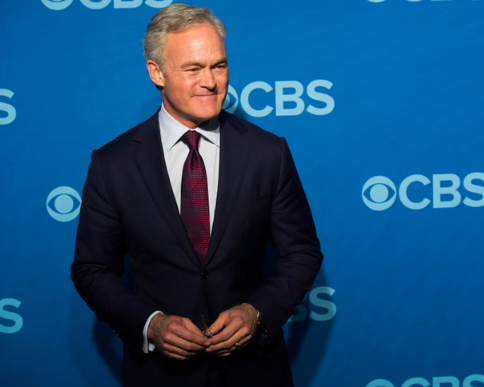
The landscape of American television journalism is facing a profound and highly publicized internal crisis tonight. The long-standing credibility of the flagship current affairs programme 60 Minutes is currently under immense scrutiny. This sudden controversy follows the dramatic dismissal of the veteran broadcaster and lead anchor Scott Pelley. His abrupt departure has sent shockwaves through the global media industry and sparked intense debate. The veteran journalist has launched a series of explosive allegations against senior management at CBS News. His claims suggest a worrying pattern of editorial interference at the highest levels of leadership. The situation highlights a deep ideological rift between traditional reporting and new corporate editorial directions.
The escalating dispute centers on a controversial segment concerning a fatal shooting in Minneapolis earlier this year. This investigative piece examined the tragic death of a protester named Renee Good in January. An immigration enforcement officer shot the young woman during a tense demonstration in the city. The upcoming broadcast aimed to provide an objective analysis of this highly sensitive public event. However, internal disagreements over the presentation of the facts quickly derailed the entire production process. The fallout from these disagreements has now burst into the public domain with remarkable force.
According to recent interviews, Pelley claims that editorial independence was directly compromised during production. He points the finger of blame squarely at the newly appointed editor-in-chief, Bari Weiss. The veteran anchor alleges that Weiss attempted to alter the narrative of the broadcast significantly. He claims she sent an email demanding specific changes to the script and footage. These requested changes allegedly sought to alter how the tragic event was portrayed to viewers. Pelley argues that these demands were politically motivated and designed to skew public perception. The allegations have raised serious questions about the integrity of the network’s current news leadership.
The core of the dispute involves the precise actions of Renee Good before her death. Pelley states that Weiss wanted the script to describe Good as driving towards the officer. Such a description would imply that the officer acted entirely in self-defense during the incident. However, the anchor insists that available video evidence flatly contradicts this specific corporate narrative. He maintains that the footage shows the vehicle moving away from the officer in question. The discrepancy between the recorded evidence and management requests caused immediate friction within the team. This clash highlights the growing tension between on-the-ground reporting and executive editorial control.
Furthermore, Pelley alleges that management requested a harsher portrayal of the Minneapolis protesters in general. He claims there was a distinct desire to make the demonstrators appear far more violent. This instruction supposedly arrived shortly before the final edit of the segment was completed. The veteran journalist felt that such changes would inject falsehoods and bias into the programme. He believed the team had already taken great care to present a balanced view. The push for a more sensationalized narrative was met with fierce resistance from production staff.
In response to these serious accusations, CBS News has issued a firm and detailed defense. A network spokesperson confirmed that Weiss did indeed send an email containing four specific points. However, the network strongly denies any underlying political motivation behind these editorial suggestions. They maintain that the recommendations were intended solely to strengthen the quality of the journalism. Management asserts that their only goal was to make the piece fair and completely accurate. They also noted that not every suggestion made by Weiss was implemented in the end.
The ongoing turmoil has already resulted in significant structural changes at the famed broadcasting institution. The long-serving executive producer Tanya Simon has been replaced amidst the growing internal corporate chaos. Several other prominent correspondents and producers have also chosen to leave the network recently. These departures suggest a wider dissatisfaction with the current editorial direction of the news division. However, some veteran reporters like Lesley Stahl and Bill Whitaker have chosen to remain in place. Their continued presence provides some continuity during this exceptionally turbulent period for the network.
The newly installed executive producer, Nick Bilton, has attempted to calm the waters within the organization. The former Vanity Fair journalist issued a company-wide memo emphasizing the value of independence. He assured staff that the foundation of the programme remains rooted in fearless pursuit of truth. Bilton stated that the team will continue to investigate stories without fear or favor worldwide. Despite these reassuring words, many staff members remain deeply skeptical about the future direction. The transition to a new style of leadership is proving to be incredibly difficult.
The personal animosity between Pelley and the new management team reached a climax last Monday. Reports indicate that a heated exchange took place during a scheduled editorial meeting at the studios. During this confrontation, Pelley passionately accused Weiss of destroying the legacy of the historic show. He reportedly used incredibly strong language to describe the perceived damage to their reputation. Shortly after this dramatic confrontation, the network made the decision to terminate his employment contract. This move ended a long and otherwise distinguished career at the legendary broadcasting network.
In his latest public comments, Pelley expressed deep concern over the lack of television experience. He pointed out that Weiss has never managed a large global broadcast operation before now. The anchor viewed this lack of traditional broadcasting background as a major red flag. He believes that running a major television network requires specific skills that outsiders lack. This criticism reflects a broader anxiety within the industry about the rise of digital print commentators. The clash of cultures between traditional TV news and digital media is becoming obvious.
The veteran journalist also dismissed management plans to modernize the long-running current affairs programme. He argued that the current leadership is behaving as if they just discovered the internet. Pelley claims that the show was already adapting well to changing modern audience habits. He described the corporate arguments about joining the digital age as entirely disingenuous and outdated. In his view, the new executives are applying outdated concepts to a modern media environment. This philosophical disagreement lies at the very heart of the current internal conflict.
The specific details of the video footage continue to be a major point of contention. Pelley describes the officer as standing slightly off the front of the vehicle in question. He notes that the front wheels were turned completely away from the law enforcement officer. This detail suggests that the driver was attempting to avoid a direct collision entirely. The video then shows the officer firing into the vehicle and killing the driver instantly. The anchor believes this visual evidence is crucial for the public to see clearly.
Additionally, audio from the incident captures the officer using highly offensive language during the event. This element of the recording adds another layer of complexity to the ongoing public debate. Pelley argues that the production team had a duty to report these facts honestly. He feels that management attempts to soften this reality were a betrayal of journalism. The dispute illustrates the immense difficulty of reporting on controversial police actions in modern America.
The political dimensions of this controversy are also generating significant commentary across the United Kingdom. Pelley suggested that the requested changes mirrored public statements made by the former American president. He claimed that management wanted the report to align with the official White House narrative. CBS News has rejected this claim, stating there is no credible argument for it. They insist that their editorial processes remain completely insulated from external political pressures. Nevertheless, the suspicion of political bias continues to fuel intense public debate online.
This high-profile dispute raises fundamental questions about the future of independent investigative journalism today. The conflict between editorial integrity and corporate management is certainly not a new phenomenon. However, the scale and public nature of this clash marks a significant turning point. Media analysts in the UK are watching the situation unfold with considerable interest and concern. The outcome of this institutional crisis could influence broadcasting standards for many years to come. For now, the future of this iconic television programme hangs in a delicate balance.
Related News:
 Reeves Faces Setback as Labour May Miss Homes Target
 Kate Winslet to Narrate Film Highlighting King’s Environmental Mission
 Trump’s UK Ambassador Urges North Sea Drilling to Strengthen US Ties
 UK Bans Fake Numbers: Scammers Lose Their Trick
 Millionaires group urge Reeves to introduce wealth tax to ‘lift kids out of poverty’
 Reeves rejects £1bn plea for NHS redundancy payouts
 PM Condemns Leaks, Vows Loyalty to Ministers and Stability
 Inside the Helpline Protecting Missing Children in the UK
 PlayStation PS5 Deals Hit Lowest Prices Ahead of Black Friday
 Five-Year-Old Dies After Rare Tonsil Surgery Complication
 Starmer Says Labour’s Economic Plan Needs Years to Deliver
 Starmer Faces Parliamentary Battles Over UK-EU ‘Reset’ Plan
 Met Police Vetting Failures Let Serial Rapists Remain
 Google Employee Claims Redundancy After Harassment Report
 Fatal Bolton Taxi Crash Claims Three Teens and Driver
 ScottishPower Tops List of Worst UK Energy Suppliers
 Judi Dench Champions Fight to Save London’s Green Spaces
 Crowborough Camp Welcomes First Asylum Seekers
 BBC Funding Crisis: Tim Davie Warns of Jeopardy Ahead
 Storm Chandra floods Somerset, triggers major incident declaration
 Artificial intelligence will cost jobs, admits Liz Kendall
 Older Women Vanish from BBC Screens, Review Confirms Bias
 Mandelson Faces Police Inquiry Over Epstein Leak
 Streeting moves on doctor pay to end strike dispute
 UK reports baby formula toxin poisoning cases across the country
 Morgan McSweeney downfall shocks Labour leadership
 Send spending gap leaves deprived areas behind
 Hidden Crisis: Domestic Abuse Suicide Toll in UK
 UK Unemployment Rate Climbs to 5.2% Peak
 Farage Unveils Reform UK Frontbench Team
 BBC World Cup Presenting Duties Shared Among Trio
 Placenta Accreta Warning as Hunt Urges Action
 Wales Approves Assisted Dying Bill Consent
 CPS Updates Guidance on Honour-Based and Dowry Abuse
 Rolling Hills and Heritage: A Car-Free Break in Leicestershire
 Corbyn Leads Your Party in Coordinated Left-Flank Strategy
 Asylum Seekers to Work After Year-Long Wait
 Starmer Row as Greens Demand Apology
 Major Fire Causes Chaos at Glasgow Central Station
 Gordon Brown urges court for crimes against children
 Inquiry into HMRC child benefit errors launched by NAO
 Farage Faces Backlash Over Crypto Cameo Endorsements
 Rising Costs Force Families to Rethink Days Out
 Sarah Mullally: The Solid Choice for Canterbury
 Scott Mills Sacked by BBC Over Personal Conduct Claims
 Palantir Boss Defends NHS Deal Amid Government Break Clause
 Police Chiefs Under Fire for Failing to Address Racism
 Relationship with Trump may be beyond repair, Starmer warned
 Unions Raise Concerns Over Doctors’ Pay Dispute
 UK Government Poised to Revive Stalled Hillsborough Law
 UK Staycations Rise as Travel Fears Grow
 Home Office Faces Legal Risks Over Asylum Hotel Living
 Official Admits Debate Over Mandelson Vetting Records
 Crisis in NHS Surgery Scheduling Hits Patients Hard
 Welsh Labour Faces Potential Historic Election Defeat
 Blue Badge Abuse: The Rising Tide of Public Hostility
 UK Faces Future Where Deaths Outnumber Births Yearly
 Scott Parker Leaves Burnley After Premier League Drop
 Silent Tracks: Rail Line Without Passengers
 RFU Backs Borthwick Despite England’s Poor Six Nations
 Major test for Labour as polls open in Great Britain
 Keir Starmer Struggles to Secure His Grip on Downing Street
 Farage Faces Standards Probe Over Cash Property Purchase
 Closing the Gap: UK Pensions Commission Demands Action
 Russian Electronic Attack Targets UK Defence Chief Jet
 UK Shoppers Face Prolonged Price Rises At Tills
 Tube Strike Brings Capital to a Standstill Over Shift Disputes
 Makerfield Voters Demand Real Change as Election Looms
 Stolen Mobiles Could Soon Become Useless Bricks
 Clean Air Initiatives Spark Major Fall in London Hospital Admissions
 Shocking Zoo Incident Sparks Attempted Murder Probe
 The Hybrid School Revolution Defying the Social Media Ban
 UK Care Crisis: Row Explodes Over New Visa Settlement Rules
 Sainsbury’s Boss Optimistic As Grocery Inflation Eases
 NHS Urges Investigation For Irregular Periods
 US Airman Avoids British Court in Indecent Exposure Case
 Farage Warns Sky News Following Financial Inquiry
 Ann Widdecombe, Formidable Political Figure, Dies at 78
 UK Schools Struggle as Classrooms Top 40C
 Westminster Council Threatens Charing Cross Soup Kitchen