
Published: 20th August 2025. The English Chronicle Desk. The English Chronicle Online
Britain’s asylum accommodation strategy has been thrown into chaos after a High Court ruling ordered the closure of a migrant hotel in Essex, fuelling political confrontation, community unrest, and questions over the Government’s ability to manage record Channel crossings. The ruling, centred on the Bell Hotel in Epping, has not only placed hundreds of asylum seekers in limbo but has also emboldened local councils and political figures calling for similar legal action across the country.

The case was brought by Epping Forest district council, which argued that the conversion of the Bell Hotel into a migrant centre constituted a “clear breach of planning permission” because it was no longer operating as a commercial hotel. The High Court sided with the council, granting a temporary injunction and ordering that all asylum seekers must leave the premises by 12 September. The decision has been described by local leaders as a “test case” that could inspire further legal challenges to asylum hotels nationwide.
The Home Office, which attempted unsuccessfully to intervene at the last moment, warned that the ruling risked establishing a dangerous precedent. Its lawyers argued that the closure would “substantially interfere” with the Home Secretary’s statutory duty to house asylum seekers under the Human Rights Act, potentially breaching their rights under Article 3 of the European Convention on Human Rights, which prohibits inhuman or degrading treatment. Despite these objections, the court rejected the Government’s position, citing protests, disruption to residents, and planning law breaches as justification for temporary relief.
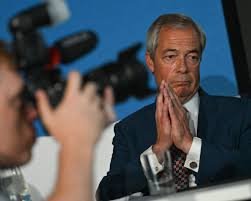
The ruling comes amid heightened political tension. Nigel Farage, leader of Reform UK, seized on the judgment to call for nationwide demonstrations outside migrant hotels, urging councils under his party’s control to mount legal challenges of their own. He declared that Epping had shown how “peaceful protests” and pressure on councils could drive migrants out of hotels and force the Government to change course. Several Conservative leaders echoed similar sentiments, with shadow home secretary Chris Philp predicting that “many other councils will now take legal action,” potentially leaving Labour’s asylum accommodation policy in “disarray.

Already, Conservative-run Broxbourne borough council has announced it is seeking legal advice on closing its own asylum hotel, while other local authorities are understood to be considering similar steps. At least 200 hotels across Britain are currently being used to house asylum seekers, a number that has remained largely unchanged despite Labour’s pledge to reduce reliance on temporary accommodation. The Home Office has been under pressure since record Channel crossings reached 28,000 this year, placing further strain on an already overstretched system.
The Bell Hotel has been at the centre of controversy for months. It was first opened to migrants in 2020 under a Conservative government before being closed last year by then-immigration minister Robert Jenrick. Labour reopened the hotel after the general election, citing urgent accommodation needs. Protests intensified last month after Hadush Kebatu, a 41-year-old Ethiopian asylum seeker staying at the hotel, was charged with a series of sexual offences, including against a 14-year-old girl—allegations he denies. The case inflamed local tensions and fuelled opposition to the site’s use, leading to violent protests and further legal scrutiny.
In response to the ruling, Angela Eagle, the border security minister, reiterated Labour’s commitment to phasing out asylum hotels entirely by the end of this Parliament, saying the Government had inherited a “broken asylum system” with more than 400 hotels in use at its peak. She insisted ministers were working with councils and communities to address “legitimate concerns” but declined to comment further due to ongoing proceedings. Labour sources, however, accused Tory and Reform politicians of “fanning the flames” of protest for political ends, pointing out that Epping council had not challenged the hotel’s use under a Conservative government.
The Home Office maintains that the Bell Hotel is “an appropriate site” for accommodating asylum seekers and argued that one alleged criminal case cannot justify collective punishment or eviction. Officials warned that the decision could undermine their ability to meet legal obligations and destabilise accommodation arrangements nationwide. Somani Hotels, the owners of the Bell, are considering an appeal to overturn the injunction, which could delay the eviction process. A full judicial review is scheduled for the autumn, keeping uncertainty hanging over both the residents and the Government’s wider asylum strategy.

Meanwhile, protests are expected to escalate over the bank holiday weekend, with demonstrations planned in Wakefield, Gloucester, Stevenage, Newcastle, and Bristol. Authorities are bracing for potential clashes between anti-immigration groups and counter-protesters. Council leaders across the country are now reviewing planning laws to determine whether similar challenges can be mounted against other asylum hotels, suggesting that the Epping case may become a blueprint for future action.
At the heart of the dispute lies a broader struggle over how Britain balances its legal obligations to asylum seekers with community concerns, political pressures, and the practical challenges of housing tens of thousands of new arrivals each year. The Epping judgment underscores how deeply contested—and politically combustible—the issue has become, raising the prospect of further unrest, litigation, and policy upheaval in the months ahead.
Related News:
 UK Must Act with Courage and Clarity on Israel-Palestine Conflict, Says Foreign Affairs Committee Report
 Tasers Introduced in UK Prisons to Combat Rising Violence and Protect Staff
 Wethersfield Controversy Deepens as Asylum Seeker Numbers Set to Surge by 50%
 Chancellor Faces Mounting Pressure Amid “Impossible Trilemma” Over Tax Rises
 Radioactive Leak at UK’s Nuclear Warhead Base Sparks Outcry Over Safety and Secrecy
 Mass Arrests in London as Protest Defies Ban on Palestine Action
 Mutual Inconvenience: Why Alaska Was Chosen for the Trump-Putin Summit on Ukraine
 Russell T Davies Warns of Declining UK Gay Rights Amid Rise of Reform UK and Trump Influence
 UK Government Expands ‘Deport Now, Appeal Later’ Policy to 23 Countries
 Farage Accuses PM of ‘Democratic Disparity’ in House of Lords Representation
 Chancellor Rachel Reeves Pushes for Sweeping Changes to Environmental Protections to Accelerate Development
 Larger Families Could Gain Thousands if Labour Ends Two-Child Benefit Cap
 Ory Councils Urged to Challenge Asylum Hotels After Epping Ruling
 Palestine Action Ban Protesters Plan Tactic to Overwhelm Police at Next London Demonstration
 Former Miners Return to the Picket Line as Museum Staff Strike Over Pay
 Polanski’s Rise Signals a Shift in British Political Landscape
 Protests Expected as Israeli Arms Firms Join Global Defence Trade Fair in London
 University of Edinburgh Lecturers Launch Five-Day Strike Amid £140m Budget Cuts
 Norfolk Hospital Ranked Worst in England as NHS League Tables Return
 Are Britain’s Unions Turning Against the Workers They Once Represented?
 UK Rejoining EU ‘Unlikely in My Lifetime,’ Says Starmer’s Europe Reset Negotiator
 UK Urged to Collaborate with NATO on Missile Defence Amid Russian Drone Threat
 ‘Unite the Kingdom’ Rally Sparks Fears of Far-Right Normalisation Among Minority Britons
 France Proposes Ceiling on UK Role in €150bn EU Defence Fund
 Thousands Gather in London to Protest Donald Trump’s Second UK State Visit
 Tragedy in Hackney: Man Killed and Woman Injured in East London Park Shooting
 Trump Urges UK to “Call Out the Military” to Secure Borders Amid State Visit
 Zarah Sultana Seeks Legal Action After Bitter Clash with Jeremy Corbyn Over Party Membership Funds
 Top Andy Burnham Ally Launches Fierce Critique of Starmer Ahead of Labour Conference
 Mahmood Pledges Reform of Modern Slavery Laws After Court Blocks Deportation Appeal
 It Changed My View’: Campaign Encourages Pupils in Deprived Areas to Consider University
 UK Fighter Jet Purchase Could Breach Nuclear Treaty, Warns CND
 Migrants in UK May Need to Contribute or Face Removal, Home Secretary Signals
 Ed Miliband Urges Labour to Confront Billionaire-Backed Opposition to Net Zero Goals
 A Third of EU Citizens in UK Report Discrimination by Public Bodies Post-Brexit
 Senior Tories Condemn Badenoch’s Vow to Repeal Climate Change Act as Catastrophic
 Home Secretary condemns Gaza protests after Manchester synagogue attack as “un-British”
 Digital ID Plans Ignite Debate Over £600m Treasury Tax Boost and Privacy Concerns
 Robert Jenrick Reiterates Controversial Comments on Birmingham’s Integration as Backlash Grows
 Public Trust in SNP Hits Historic Low Amid NHS Concerns
 Yvette Cooper Backs Digital ID Plan for UK Teens
 Starmer Faces Backlash Over Downing Street Shake-Up and Progressive Exodus
 Johnson Suggests Mandelson Linked to China Spy Controversy
 Ministry of Justice fails to file £11bn in spending receipts
 Witness statements reveal the CPS China spy row collapse in the UK
 Rachel Reeves signals welfare reform ahead of key budget
 Starmer pledges to claw back Baroness Michelle Mone’s Covid contract millions
 Reform UK candidate fined £19,000 after using AI-generated cases to challenge election
 The debate over England’s compulsory reading test for 13-year-olds
 Hermer to face questions on alleged China spy case intervention
 Kosovo agrees to host Britain’s refused asylum seekers
 Sex offenders to lose parental rights for children born of rape
 William Steps Up Over Prince Andrew Palace Response
 UK Health Leaders Push for Urgent Tobacco & Vape Bill
 How the Royal Navy Can’t Stop the Channel Boats
 British Woman in Iran ‘Losing Hope’ Amid Ongoing Detention
 Johnson Approved China’s London ‘Super-Embassy’ in 2018
 BBC Journalist Held and Interrogated in Vietnam
 Green Party Surges Past Labour in Latest UK Poll
 Celebrities and Charities Demand UK Government Act on Child Poverty
 Zarah Sultana Launches Party to Change Politics
 FBI Director Kash Patel Defends Girlfriend Amid Government Jet Claims
 ‘Reckless’ cuts to victims’ services will cost more than they save
 Starmer Faces Growing Dissent as Labour MPs Weigh Leadership Challenge
 Politics latest: Starmer ‘will fight any leadership coup’ as Streeting denies attempt to oust Labour PM
 Pressure Mounts on Starmer to Sack Chief of Staff Over Briefing Row
 Peers Flood Assisted Dying Bill with 942 Amendments
 England’s Special Needs Support Faces Breaking Point
 MoD warned over Excel risks before Afghan data breach
 Navy cuts scrap key landing upgrade for UK F-35B jets
 UK Asylum Overhaul Sparks Debate Over Human Rights and Deportations
 UK Warns China After MI5 Issues Espionage Alert
 Labour Faces Historic Decline in Wales
 PM Highlights UK Business at G20 in South Africa
 Kate Forbes: Motherhood Harder Than Politics
 Most Tories Expect to Support a Farage-Led Government
 Labour MP claims devolution bill is ‘blatant discrimination’ against Cornwall
 Millions Face Higher Taxes Under Reeves New Budget
 Peers Get Extra Time to Debate Assisted Dying Bill
 “Enough is Enough”: Local MP Vows to Fight Rainham Quarry Plans