Published: 11 June 2026. The English Chronicle Desk. The English Chronicle Online.
The upcoming football tournament will be the most lucrative sports event ITV has ever broadcasted. Company executives are describing this massive expanded tournament as a six-week summer Super Bowl moment. This comparison highlights the incredible financial potential for television advertising over the next two months. The British broadcaster is currently scheduled to air fifty-one of the total matches. This represents a significant portion of the tournament co-hosted by three North American nations.
The competition has grown from thirty-two teams to a massive field of forty-eight nations. Because of this expansion, football fans will enjoy a total of one hundred four matches. Kelly Williams handles the commercial division at ITV and shared some very optimistic financial insights. He stated that advertising revenues are running thirty percent higher than the previous tournament. That comparison looks back to Euro 2024 when England famously reached the final match. Williams confidently predicted that this will be their most commercially successful tournament in history.
The executive explained that the event offers six weeks of consistently massive television audiences. This sustained viewership creates a unique advertising window that rarely happens in modern media. ITV strategic planning began last autumn when they started selling these highly coveted commercial packages. Tech giant Google quickly secured the headline sponsorship to promote its latest consumer products. Specifically, the technology company is using the platform to market Gemini and Pixel devices.
However, the broadcaster is strategically holding back prime slots for the later tournament stages. These late-stage advertisements can demand hefty premiums if England progresses through the knockout rounds. While ITV does not publicly break down individual costs, industry sources offer interesting estimates. Media specialists suggest a thirty-second commercial during an England match can cost three hundred thousand pounds. This incredible figure reflects the massive cultural footprint that international football maintains across the nation.
During the last tournament, which featured fewer matches, typical games averaged six million viewers. However, games involving the England national team peaked between twenty and twenty-five million viewers. These massive numbers depend heavily on how far the team progresses through the tournament. Williams noted that viewing habits have changed significantly as modern audiences have fragmented over time. Because of this fragmentation, shared cultural moments are more valued by corporate advertisers today.
These football matches deliver unique audiences that companies simply cannot find anywhere else right now. Advertisers cannot replicate these viewing numbers on streaming services or popular social media platforms. The live and free-to-air nature of the broadcast remains incredibly powerful for modern brands. This unique opportunity to reach millions of viewers has been enthusiastically embraced by global advertisers. So far, the commercial team has successfully sold packages to over two hundred companies.
Interestingly, seventy of these corporate partners are running television ads during football for the first time. Williams also revealed that eight of these brands are entirely new to television advertising. One notable newcomer is the Hawkstone lager brand owned by television personality Jeremy Clarkson. The beverage company booked slots following massive media coverage for their recent choir project. The Hawkstone Farmers’ Choir generated huge public interest after winning a major television talent show.
The most high-profile campaign for this tournament comes from global sports brand Nike. Their upcoming World Cup commercial will last six minutes, making it an historic television event. This will officially be the longest commercial ever aired in British television history. The advertisement features superstar footballers and will premiere during England’s opening match against Croatia. Interestingly, the high-profile commercial features Cole Palmer, who ultimately missed out on squad selection.
The media regulator Ofcom strictly limits the number of advertising minutes allowed per hour. However, this regulatory system calculates limits based on averages across the entire broadcasting day. This flexibility allows ITV to adjust its schedule to accommodate the lengthy Nike commercial. Williams also noted a significant increase in technology companies booking slots for the tournament. Alongside Google, major corporations like Amazon Web Services and Apple have secured prime positions.
Dell, Meta, and Microsoft’s Copilot are also launching substantial campaigns during the football coverage. The significant time difference with North America provides a unique advantage for British television schedulers. Kick-off times for the opening England games are scheduled for nine or ten in the evening. This late prime-time slot is potentially more attractive for advertisers than traditional afternoon matches. Afternoon matches during European tournaments often struggle to capture working audiences during the week.
However, the scheduling is not entirely perfect for all home nations involved in the tournament. While ITV expects high viewership for Scotland, their match times are much less convenient. Scottish group matches will air at rather unsociable hours, specifically eleven in the evening or two AM. These late-night broadcasts may present a challenge for casual viewers watching from home. Meanwhile, the BBC retains the broadcasting rights to air the remaining tournament matches in the United Kingdom.
The two major networks have chosen very different visual approaches for their studio locations. ITV has constructed a glamorous studio in Brooklyn featuring stunning views of Manhattan. In stark contrast, the BBC chose to broadcast directly from their existing Salford studios. Former lead BBC presenter Gary Lineker has taken an entirely different path this summer. Lineker signed a lucrative fourteen-million-pound deal with Netflix to stream his popular football podcast.
He will broadcast daily versions of his show from a studio in downtown New York. This move comes after Lineker left the BBC following controversies regarding his social media posts. The veteran broadcaster was originally scheduled to host his seventh World Cup for the network. He previously commented that the BBC plan would keep him inside a Salford green box. He clearly preferred the alternative of overlooking Times Square alongside a rotation of great guests.
Recently, BBC Sport director Alex Kay-Jelski defended their decision to remain in Manchester. He unveiled the new studio setup and dismissed concerns about the domestic location choice. Kay-Jelski argued that the final product viewers see at home will not feel different. He believes the quality of analysis remains high regardless of where the presenters are sitting. Football fans across the country will soon judge the coverage styles for themselves.
Related News:
 Granit Xhaka Rescue Earns Everton Draw at Sunderland
 Bellingham has ‘the edge’ among England No 10s
 Man City Masterclass on Guardiola’s Milestone Day Exposes Liverpool Woes
 VAR Must Rein Its Neck In to Save Football’s Spirit
 Mary Earps’s Manchester United Return Faces Mixed Reception
 UK and Ireland Announce Venues for Euro 2028 Tournament
 Saka Solidifies Role as Tuchel’s Key England Lieutenant
 Former Lion Heskey Warns of Shortage of England Strikers
 Tiny Curacao Makes History as Smallest Nation to Reach World Cup
 Haiti Qualifies for World Cup Despite Coach Never Visiting Country
 Australia Face Big Changes as Cummins and Lyon Ruled Out of Ashes
 Van de Ven Tackle Leaves Isak with Fractured Leg
 ECB powerless to halt England’s recurring Ashes failures
 Aston Villa Remain Arsenal’s Key Obstacle in Title Pursuit
 Salah Shines as Egypt Knock Out Ivory Coast at Afcon
 Raphinha doubles up as Barcelona beat Real Madrid in Super Cup
 Xabi Alonso leaves Real Madrid, Arbeloa Takes Over
 Maya Joint stunned by Valentová in Australian Open upset
 Chelsea warn fans of danger in Naples after hospital incidents
 Liverpool Chase Champions Glory With Stunning Qarabag Victory
 Ben Stokes injury joke after brutal ball strike
 Wrestler at 60: A Powerful New Start in the Ring
 Arsenal blow lead as Arteta rues Wolves draw
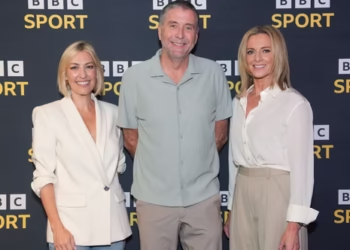 BBC World Cup Presenting Duties Shared Among Trio
 Craig Tiley Leaves Australian Open Legacy
 English Cricket Faces Moral Crisis Over Indian Investment
 Hudson-Odoi Sends Nottingham Forest Into Europa Last 16
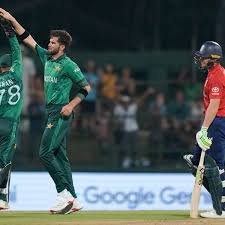 Buttler Eyes Vital Run Surge as England Face New Zealand
 World Cup Drinks Breaks Could Bring ITV Ad Debate
 Saka criticism response: Arsenal star dismisses outside noise
 Spurs Coach Defends Early Kinsky Substitution at Atlético
 Abramovich Chelsea Sale Cash Faces Jersey Probe
 Champions League Failure Sparking Premier League Crisis
 African World Cup Fans Face $15,000 Entry Bond Fee
 Teenage Titan: Sooryavanshi Smashes IPL Records
 Sam Konstas Dropped as Australia Unveils New Contract List
 ECB Faces Backlash Over Disability Premier League Inclusion
 The Wildest Plastico: Leverkusen and Wolfsburg Thriller
 Maguire Commits Future to Manchester United with New Deal
 Can De Zerbi Restore Belief to Save Spurs From the Drop?
 Robots Outpace Humans in Beijing Half-Marathon
 Ashley Cole: Finding His Voice and Vision in Italy
 A Nine-Goal Thriller Redefines European Football Brilliance
 Scott Parker Leaves Burnley After Premier League Drop
 $13bn World Cup Set to Break All Revenue Records
 Arteta urges Arsenal to step up in Atlético semi-final
 RFU Backs Borthwick Despite England’s Poor Six Nations
 Infantino Defends Soaring World Cup 2026 Ticket Costs
 FIFA Confirms Global Ban for Benfica Star Prestianni
 England Call Up Janse van Rensburg for Nations Campaign
 Guardiola to Exit Man City; Maresca Lineup Nears
 Bracing for the Cherries: Guardiola Likens Vital Bournemouth Trip to the Dentist
 Alice Capsey Sparks England Win With Brilliant Fifty
 The Battle for Wembley Sparking Unprecedented Legal Warfare
 Chasing Glory: The Quest for a New World Cup Champion
 Tuchel Defends Tough England Squad Decisions
 Ben Proud Defends Enhanced Games Participation
 Chasing Paris Glory Amid Familiar Echoes
 Man City Threaten Legal Action Over Haaland Real Madrid Shirt
 Is Ollie Robinson the Chaos English Cricket Needs Today?
 Captain in the Spotlight: The Future of England Cricket
 Saka Playing Through Pain As England World Cup Campaign Looms
 Iran Files Official Fifa Complaint Over World Cup Travel
 Women’s T20 World Cup Breaks Records But Gaps Remain
 Serena Williams Returns to Wimbledon Centre Court
 Martinelli Strikes Late as Brazil Edge Past Brave Japan
 Paraguay Shock Germany in Historic Penalty Shootout
 France Dominate Sweden as Deschamps’ New Era Takes Shape
 Mexico World Cup Joy Turns to Tragedy as Two Die in Crowds
 US Advance Past Bosnia in World Cup Thriller
 Kane Saves Tuchel as England Survive Dramatic Exit
 The Stokes Departure: A New Era or a Tactical Mistake?
 Taylor Swift and Travis Kelce Marry at Madison Square Garden
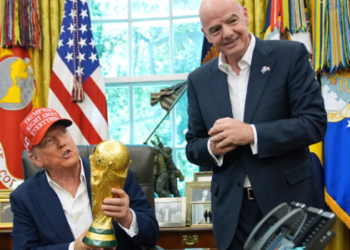 Trump’s Red-Card Intervention Hurts the US World Cup
 Trump Intervenes in Fifa World Cup Balogun Ban
 NCAA Rules Unchanged After Supreme Court Transgender Ruling
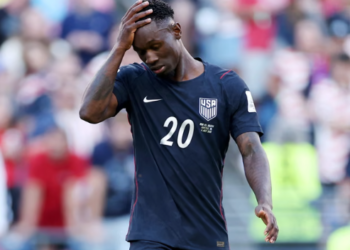 USA World Cup Heartbreak: Belgium Ends Their Dream
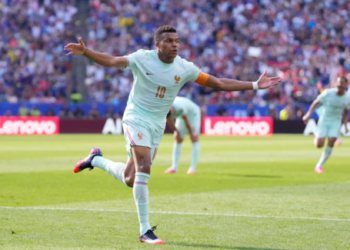 Mbappé Brilliance Leads France Into Semi-Finals
 Spain’s Superstar Fan: Keyne Yamal Steals the Spotlight
 Lamine Yamal’s Birthday: Football, Fame, and France