Published: 19 June 2026. The English Chronicle Desk. The English Chronicle Online.
The political landscape of northeast Scotland experienced a dramatic transformation during a tense overnight count. Voters in Aberdeen South delivered a stunning blow to the long-dominant Scottish National Party. In an unexpected turn of events, the Scottish Conservatives secured a monumental victory here. This crucial seat was previously considered a relatively secure stronghold for the nationalist movement. The dramatic shift in voter allegiance has sent shockwaves through the entire political establishment. Analysts are already scrambling to assess the long-term implications for the nation’s future.
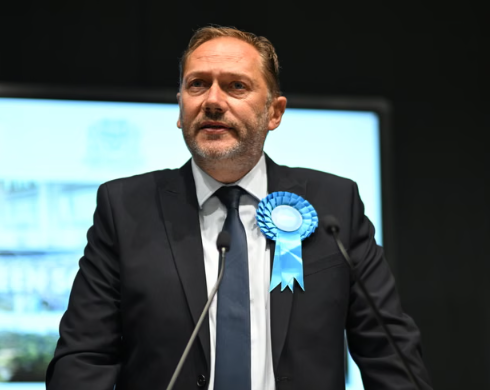
The newly elected Member of Parliament for the constituency is Conservative candidate Douglas Lumsden. He managed to decisively defeat his rival, the Scottish National Party candidate Richard Thomson. The final official vote tally revealed a surprisingly substantial gap between the two men. Lumsden secured an impressive fourteen thousand three hundred and eight votes from local residents. Thomson trailed significantly behind his opponent, finishing the contest with eight thousand two hundred fifty-eight. This outcome represents a very comfortable winning margin of six thousand and fifty votes. Such a decisive gap surprised even the most optimistic strategists within the Conservative camp.
The underlying numbers from the ballot boxes paint an even starker picture for nationalists. The Scottish Conservatives managed to capture a massive forty-nine point fifty-one percent vote share. This impressive performance was fueled by a significant fourteen point sixty-nine percent swing. That substantial movement of voters went directly away from the disappointed Scottish National Party. Meanwhile, the Reform Party candidate, Jo Hart, finished in a very distant third place. Hart managed to secure just two thousand four hundred and seventy-eight votes overall. The total voter turnout for this particular contest was recorded at thirty-eight percent.
This relatively low participation rate suggests a significant level of widespread voter apathy locally. Many traditional supporters simply chose to stay at home rather than go out. Their absence clearly had a major impact on the final result of yesterday. During his triumphant victory speech, Lumsden spoke passionately to the gathered campaign crowd. He declared that the hard-working people of the city had spoken incredibly clearly. The victorious candidate insisted that the systematic destruction of the local economy must stop. He specifically targeted the political decisions affecting the vital North Sea energy sector.
Lumsden firmly reminded his audience about the core message of his recent election campaign. The energetic Conservative team had framed the entire contest as a crucial public referendum. This symbolic vote focused specifically on the immediate future of oil and gas production. According to Lumsden, the local population has now provided a truly resounding collective answer. The city has collectively demonstrated its strong desire to back the traditional energy industry. This message resonates deeply in a region where thousands of jobs depend on fossil fuels. The local economy remains intrinsically tied to the fortunes of the North Sea.
The strategic importance of this particular seat was evident throughout the preceding campaign weeks. The Conservative Party directed immense national resources into winning over this vital Scottish constituency. Their high-profile United Kingdom party leader, Kemi Badenoch, made three separate campaign visits. These high-visibility appearances underscored the immense national significance attached to the local battle. The senior leadership wished to transform the contest into a major national debate. They focused heavily on the economic necessity of increasing North Sea energy production. This specific policy choice clearly struck a powerful chord with many local voters.
Despite the painful loss in Aberdeen, the nationalists found comfort in another contest. The Scottish National Party successfully retained their seat in Arbroath and Broughty Ferry. Candidate Lara Bird triumphed in that separate byelection after a very competitive race. She successfully filled the parliamentary vacancy created by the departure of Stephen Gethins. Gethins chose to resign his Westminster seat to focus on Holyrood politics instead. This solitary victory provided a small silver lining on a generally dark night. It proved that the nationalist party still retains substantial support in certain areas.
The vacancy in Aberdeen South was created by a similar political career move. High-profile politician Stephen Flynn chose to step down from his Westminster parliamentary seat. He did this specifically to transition into a new role at Holyrood. United Kingdom legislation strictly prohibits individuals from holding dual roles in both parliaments. Therefore, a fresh byelection was legally required to choose his successor in London. Flynn had previously won the seat during the highly competitive twenty-four general election. At that time, he secured a relatively comfortable majority of three thousand votes.
Following the announcement of the recent defeat, Flynn shared his thoughts online. The prominent politician acknowledged that it had been a genuinely tough night in Aberdeen. He suggested that certain individuals within the party structure would need to reflect deeply. The former representative noted that the party previously lost this seat back in seventeen. However, the resilient nationalists managed to win the constituency back just two years later. Flynn expressed immense confidence that his party could repeat that impressive political feat. He emphasized that future success depends entirely on getting their political strategy right.
The painful defeat suggests that local voters are increasingly unhappy with the nationalists. Many citizens appear to have rebelled against the party due to recent scandals. Specifically, the public remains deeply shocked by the criminal actions of Peter Murrell. The former party chief executive admitted to the theft of significant party funds. This serious financial misconduct occurred while he managed the daily operations of the organization. Crucially, Murrell is married to the highly prominent former First Minister, Nicola Sturgeon. This close personal connection has caused immense damage to the party’s public image.
The financial scandal involved the misuse of four hundred thousand pounds of donations. This money was originally raised from dedicated independence supporters for a future campaign. The revelation of this serious betrayal has deeply alienated many traditional party voters. It created an atmosphere of profound distrust that rivals successfully exploited during campaigns. The political fallout from this court case continues to plague the current leadership. Many moderate voters felt completely unable to support the party under these conditions. This ethical crisis undoubtedly contributed to the significant swing observed in Aberdeen South.
The broader implications of this result will be debated for many months. The Conservative victory proves that their focus on energy security can win votes. By defending the oil and gas industry, they positioned themselves as protectors. They successfully framed the nationalists as being out of touch with economic realities. This strategy allowed them to build a winning coalition of diverse local voters. The outcome will likely encourage the party to double down on this message. They will view this win as a blueprint for future Scottish contests.
For the Scottish National Party, this defeat serves as a stark warning. The loss of a prominent seat indicates that their electoral dominance is fading. They must now find a way to rebuild trust with the public. This task will require addressing both financial scandals and policy concerns effectively. The leadership will face intense scrutiny from anxious members over the coming weeks. They must quickly determine how to regain their momentum before the next election. Failing to do so could result in further losses across the country.
The contrasting results from the two byelections show a highly fractured electorate. While Aberdeen South turned blue, Arbroath and Broughty Ferry remained firmly yellow. This division suggests that local issues are playing a massive role in outcomes. In Aberdeen, the overriding concern was clearly the future of the energy sector. In other areas, different priorities appear to be driving voter behavior significantly. Parties will need to tailor their messages carefully to suit specific regions. A one-size-fits-all approach may no longer be effective in Scotland.
As the new Member of Parliament, Douglas Lumsden faces a challenging road. He will be expected to champion the North Sea industry in Westminster. His constituents will be watching closely to ensure he delivers on promises. The pressure will be immense, given the high profile of his victory. However, his win has undeniably provided a massive boost to his party. It demonstrates that the Conservatives remain a powerful force in Scottish politics. The battle for the political future of the nation has become wide open.
Related News:
 Reeves Faces Setback as Labour May Miss Homes Target
 Kate Winslet to Narrate Film Highlighting King’s Environmental Mission
 Trump’s UK Ambassador Urges North Sea Drilling to Strengthen US Ties
 UK Bans Fake Numbers: Scammers Lose Their Trick
 M&S Profits More Than Halve After Cyber-Attack
 Patients to Test Health at Home to Ease NHS Winter Pressure
 Millionaires group urge Reeves to introduce wealth tax to ‘lift kids out of poverty’
 Reeves rejects £1bn plea for NHS redundancy payouts
 Northern Lights may illuminate UK skies this week
 PM Condemns Leaks, Vows Loyalty to Ministers and Stability
 Major Rent Reform Ends No-Fault Evictions in England
 Stroke Patient Mistaken for Drunk, Care Delayed
 Inside the Helpline Protecting Missing Children in the UK
 Boots Showstopper Beauty Bundle Outshines Many Advent Calendars This Holiday Season
 PlayStation PS5 Deals Hit Lowest Prices Ahead of Black Friday
 Five-Year-Old Dies After Rare Tonsil Surgery Complication
 Starmer Says Labour’s Economic Plan Needs Years to Deliver
 UK unemployment rises to four-year high of 5.1% before budget
 Wiltshire Police Use Lasso to Catch Rampaging Village Goat
 Coasting Drinks: The Trend Redefining Alcohol Enjoyment This New Year
 Rising Hate Crimes Threaten Safety on UK Public Transport
 Starmer Faces Parliamentary Battles Over UK-EU ‘Reset’ Plan
 Met Police Vetting Failures Let Serial Rapists Remain
 Google Employee Claims Redundancy After Harassment Report
 Fatal Bolton Taxi Crash Claims Three Teens and Driver
 ScottishPower Tops List of Worst UK Energy Suppliers
 Judi Dench Champions Fight to Save London’s Green Spaces
 Crowborough Camp Welcomes First Asylum Seekers
 BBC Funding Crisis: Tim Davie Warns of Jeopardy Ahead
 Storm Chandra floods Somerset, triggers major incident declaration
 Artificial intelligence will cost jobs, admits Liz Kendall
 Older Women Vanish from BBC Screens, Review Confirms Bias
 Streeting moves on doctor pay to end strike dispute
 Send spending gap leaves deprived areas behind
 Hidden Crisis: Domestic Abuse Suicide Toll in UK
 UK Unemployment Rate Climbs to 5.2% Peak
 BBC World Cup Presenting Duties Shared Among Trio
 Wales Approves Assisted Dying Bill Consent
 CPS Updates Guidance on Honour-Based and Dowry Abuse
 Asylum Seekers to Work After Year-Long Wait
 Inquiry into HMRC child benefit errors launched by NAO
 Rising Costs Force Families to Rethink Days Out
 Scott Mills Sacked by BBC Over Personal Conduct Claims
 Palantir Boss Defends NHS Deal Amid Government Break Clause
 Relationship with Trump may be beyond repair, Starmer warned
 UK Government Poised to Revive Stalled Hillsborough Law
 UK Staycations Rise as Travel Fears Grow
 Home Office Faces Legal Risks Over Asylum Hotel Living
 Official Admits Debate Over Mandelson Vetting Records
 Crisis in NHS Surgery Scheduling Hits Patients Hard
 Welsh Labour Faces Potential Historic Election Defeat
 Blue Badge Abuse: The Rising Tide of Public Hostility
 UK Faces Future Where Deaths Outnumber Births Yearly
 Scott Parker Leaves Burnley After Premier League Drop
 Silent Tracks: Rail Line Without Passengers
 RFU Backs Borthwick Despite England’s Poor Six Nations
 Major test for Labour as polls open in Great Britain
 Keir Starmer Struggles to Secure His Grip on Downing Street
 Fear and Betrayal: The Chilling Case of Kouri Richins
 Farage Faces Standards Probe Over Cash Property Purchase
 Closing the Gap: UK Pensions Commission Demands Action
 Sun and Jams: Britain Braces for a Sizzling Bank Holiday
Russian Electronic Attack Targets UK Defence Chief Jet
Sun and Jams: Britain Braces for a Sizzling Bank Holiday
Russian Electronic Attack Targets UK Defence Chief Jet
 UK Shoppers Face Prolonged Price Rises At Tills
 Tube Strike Brings Capital to a Standstill Over Shift Disputes
 Labour Denies Benefit Tax Hike Amid Mandelson Leak
 Makerfield Voters Demand Real Change as Election Looms
 US Condemns ‘Two-Tier’ UK Policing After Student Murder
 Millions in British Charity Funds Linked to Illegal Settlements
 Ryanair Faces Probe Over Mandatory Family Seating Fees
 Britain’s Crowning Butterfly Takes the Nation by Storm
 Labour MP Revives Blocked Assisted Dying Bill in Commons
 The Hybrid School Revolution Defying the Social Media Ban
 UK Care Crisis: Row Explodes Over New Visa Settlement Rules
 Sainsbury’s Boss Optimistic As Grocery Inflation Eases
 NHS Urges Investigation For Irregular Periods
 US Airman Avoids British Court in Indecent Exposure Case
 Farage Warns Sky News Following Financial Inquiry
 Ann Widdecombe, Formidable Political Figure, Dies at 78
 UK Schools Struggle as Classrooms Top 40C