Published: 29 June 2026
The English Chronicle Desk
The English Chronicle Online
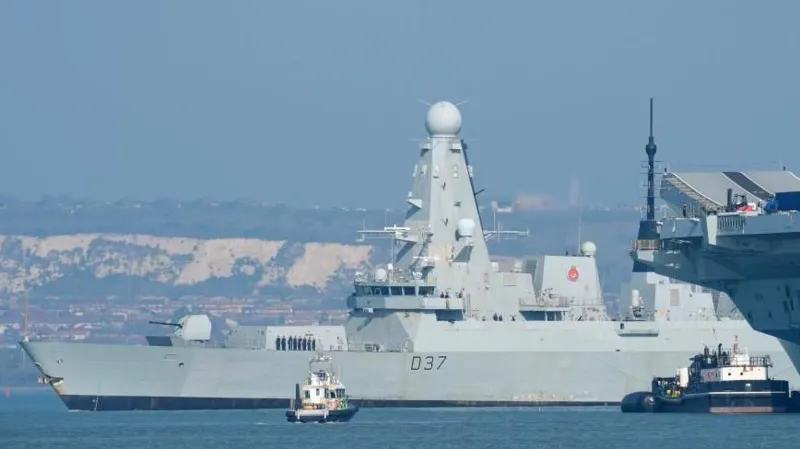
The Royal Navy is expected to shift its future naval strategy towards drone-equipped warships rather than directly replacing its ageing destroyer fleet, signalling a major transformation in how Britain intends to project military power at sea in the coming decades.
The move reflects broader changes taking place across armed forces worldwide, as advances in autonomous systems, artificial intelligence and unmanned technologies increasingly reshape modern warfare.

Defence officials and military planners believe that future naval operations will rely less on large numbers of traditional crewed vessels and more on integrated fleets combining conventional ships with sophisticated drones capable of carrying out surveillance, reconnaissance and combat missions.
The proposal comes as the Royal Navy faces growing pressure to modernise its capabilities while operating within tight defence budgets.
Several of Britain’s existing destroyers are approaching the later stages of their service lives, prompting long-running discussions about how they should eventually be replaced.
Rather than commissioning a direct successor for every ageing vessel, defence planners are reportedly examining a more flexible approach that would incorporate unmanned technologies into future fleet structures.
Supporters argue that drone-equipped warships could provide greater operational versatility at a lower long-term cost.
Autonomous systems can undertake dangerous missions without placing sailors directly in harm’s way and may be able to operate for extended periods while gathering intelligence or monitoring hostile activity.
Military analysts say such capabilities are becoming increasingly important as threats evolve.
Modern naval forces face challenges ranging from missile attacks and cyber warfare to underwater drones and electronic interference.
As a result, defence strategists believe future warships must be capable of adapting rapidly to changing operational environments.
The proposed vessels would likely serve as command platforms capable of deploying and coordinating multiple unmanned systems.
These could include aerial drones for reconnaissance, surface drones for maritime patrols and underwater vehicles designed to monitor submarine activity or protect critical infrastructure.
Experts suggest that integrating these technologies could significantly expand the Navy’s reach without requiring large increases in personnel numbers.
The shift reflects trends already visible in other military powers.
Several nations have invested heavily in autonomous maritime technologies, viewing them as a way to enhance effectiveness while reducing operational risks and costs.
The United Kingdom has conducted numerous trials involving naval drones in recent years, testing their potential roles in intelligence gathering, mine clearance and maritime security operations.
Advocates of the strategy argue that the future battlefield will increasingly depend on information dominance.
The ability to collect, process and act upon intelligence quickly is seen as critical to military success.
Drone networks can provide commanders with real-time information across vast areas of ocean, improving situational awareness and decision-making.
Defence officials also believe that unmanned systems can help address recruitment and retention challenges facing armed forces.
Operating advanced technologies often requires fewer personnel than maintaining large fleets of traditional vessels, potentially reducing long-term workforce pressures.
However, the plans have also attracted criticism.
Some defence experts warn that reducing the number of conventional destroyers could create vulnerabilities if new technologies fail to perform as expected during high-intensity conflict.
Destroyers continue to play a vital role in air defence, missile interception and fleet protection, responsibilities that critics argue cannot yet be fully replicated by autonomous systems.
Others caution that reliance on digital technologies could expose naval operations to cyber threats and electronic warfare.
Military adversaries are increasingly developing capabilities designed to disrupt communications, interfere with autonomous systems and exploit technological weaknesses.
As a result, analysts stress that robust cybersecurity measures will be essential if drone-equipped warships become a central part of future fleet operations.
Questions have also been raised about procurement timelines and costs.
Major defence projects often face delays and budget pressures, and some commentators have urged caution before committing to significant structural changes.
Government officials maintain that decisions regarding future naval capabilities will be guided by detailed assessments of operational requirements, emerging threats and financial considerations.
The Royal Navy remains committed to maintaining a capable and credible force able to defend national interests, support allies and contribute to international security missions.
The proposed strategy forms part of a wider defence modernisation programme aimed at preparing Britain’s armed forces for future conflicts.
Advances in artificial intelligence, robotics and autonomous systems are expected to influence military planning across all branches of the armed forces in the years ahead.
Industry leaders have welcomed the prospect of increased investment in advanced defence technologies.
British aerospace, engineering and technology companies are likely to play a significant role in developing the systems required for next-generation naval operations.
Supporters argue that such programmes could strengthen the domestic defence sector while creating highly skilled jobs and promoting innovation.
For the Royal Navy, the debate reflects a broader question facing military organisations worldwide: how to balance proven traditional capabilities with rapidly emerging technologies.

While destroyers have long served as the backbone of naval power, defence planners increasingly believe future fleets will look very different from those of previous generations.
Whether drone-equipped warships ultimately become the centrepiece of Britain’s maritime strategy remains to be seen.
However, the proposal signals a clear recognition that naval warfare is entering a new era—one in which autonomous systems and digital technologies may play as important a role as the warships themselves.
Related News:
 “The Anchors Up”: Hull’s Affiliated Frigate HMS Iron Duke ‘Quietly Withdrawn’ From Service
 On Board an RAF Voyager as Britain and US Prepare for War with China
 Starmer Weighs Fast-Tracking Defence Boost
 Reeves Blocking Spending Boost for Defence
 Prince William Pays Tribute to Army Medic Found Dead in Barracks
 RAF Responding to Suspected Drone Strike at UK Cyprus Base
 UK Will Allow US to Use Bases to Strike Iranian Missile Sites, PM Says
 Cooper: Joining US Strikes on Iran ‘Not in Britain’s Interest’
 Minister Visits Leonardo After £1bn Deal Secured
 Minister Meets Crews Who Will ‘Take Out’ Iranian Drones
 UK Prepares Aircraft Carrier for Middle East Crisis
 UK–US Tensions Ease as Starmer and Trump Hold First Call Since Iran Row
 Labour Faces Backlash Over Conscription Warning
 Is Britain Ready? Experts Warn of ‘Bizarre’ Military Delay
 MoD Has Lost Track of Veteran Recall List, Says Adviser
 The “Keyham Blast”: 500kg WWII Bomb Disarmed in Plymouth’s Biggest Post-War Evacuation
 The “Palace Green” Plot: Small Boat Migrant Guilty of Terror Attempt on Israeli Embassy
 “A Severe Threat”: Somalia-Born British Citizen Charged in Golders Green Terror Attack
 The “Morrisons Sting”: 21-Year-Old Neo-Nazi Convicted of Planning Mass Shooting
 “The Bio-Security Watch”: Two Britons in Self-Isolation After Bypassing ‘Hantavirus Bottleneck’ on MV Hondius
 UK Faces Most Dangerous Era, Military Chief Warns
 Royal Navy Mourns Devastating Helicopter Loss
 UK Faces Pressure Over Red Arrows Future
 MPs Warn Defence Plan Delays Are Undermining UK Credibility
 MPs Say Defence Strategy Delays Risk Damaging Britain’s Reputation
 Russian Frigate Fires Warning Shots Near British Yacht
 Starmer Faces Fierce Backlash From Senior Defence Figures
 UK Must Act with Courage and Clarity on Israel-Palestine Conflict, Says Foreign Affairs Committee Report
 London Set to Honour Euro 2025 Champions as Lionesses Take Victory Parade Through the Capital
 Targeted Attack in Bury Sparks Murder Investigation as Community Awaits Justice
 Princess of Wales Launches Animated Video Series to Support Early Childhood Development
 Heartbreak in the New Forest as Shetland Ponies Vanish, Community on Edge
 Fire Contained at Edinburgh’s Arthur’s Seat After Overnight Battle by Firefighters
 Premier League Supercomputer Predicts Tough Season for Man Utd Amid Three-Team Title Battle
 UK Weather: Heat Alerts Extended as Temperatures Set to Reach 30°C This Weekend
 Merseyside Police Helicopter Crew Cleared After Low-Altitude Pursuit of Suspect
 Education Leaders Call for End to Compulsory GCSE Resits in English and Maths
 Thousands of New School Nursery Places to Be Rolled Out Across England
 Tanni Grey-Thompson Faces Abuse Over Opposition to Assisted Dying Bill
 Birmingham Bin Strike Enters Sixth Month as Negotiations Stall
 Over 40% of Private Renters Forced to Ration Energy to Afford Bills, Study Reveals
 Systemic Racism in Maternity Care Continues to Endanger Black Women in England, MPs Warn
 Northern Ireland Faces Fears of Prolonged Race Riot “Permacrisis”
 Nigel Farage Unveils Controversial Immigration and Welfare Plans at Reform UK Press Conference
 Historic £100-Weekly Pension Boost Brings Relief for UK Mineworkers
 Children to Receive Home Vaccines as England Acts
 Cambridge College Faces Backlash Over Private School Recruitment
 Bereaved Fathers Gain New Paternity Leave Rights in UK
 Woman Jailed for Life After Killing E-Bike Rider in Tragic Mistaken Identity Case
 No Gas Boiler Ban as UK Warm Homes Plan Backs Heat Pumps
 Police response times face strict new national limits
 Devon hosts first high-density hydro power system
 Draft Severe Weather Plan Following Storm Flooding
 Major UK Clothing Firm Collapses into Administration — 109 Jobs at Risk
 Send spending gap leaves deprived areas behind
 Could Manchester Lead the UK’s Economic Revival?
 Motorists Could Face ‘Mandatory’ Driving Ban for Road Offences Under Tougher Laws
 Lloyds Boss Accepts Concern Over Use of Staff Data in Pay Talks
 With Scottish Freebies Under Threat, University Tuition Is on the ‘Hit List’
 Civil Service Pay: Union Urges Ministers to End ‘Barking Mad’ Limits
 UK Job Vacancies Hit Five-Year Pandemic Low
 Meet Robert Aramayo: From Humble Beginnings in Hull to Juilliard and BAFTA Glory After Beating Timothée Chalamet
 Councils Pressed to Use Universal Parking App to Cut ‘Unfair’ Fines
 MP Outrage Grows as Travelodge Boss Misses Key Safety Talk
 The 8 Million Dilemma: Why Britain’s Disability Safety Net is Facing a ‘2026 Reckoning’
 ‘The Insulation Trap’: Knifeman Discovered Hiding Under Loft Padding After Six-Hour Standoff
 The Banbridge Rescue: 300 Sheep Saved from Massive Hay Shed Inferno
 NHS Braces for Impact as Resident Doctors Begin Strike
 The Waiting Ward: ‘Month of Worry’ as Doctor Strikes Trigger Seismic Surgery Delays
 Benjamin Field Murder Conviction Overturned by Appeal Court
 Roadside Reckoning: Nearly 160,000 Uninsured Vehicles Seized in National Crackdown
 ‘The Last of the Greatest’: UK’s Oldest WWII Veteran Passes Away Aged 109
 Prominent Voices Challenge Palestine Action Ban
 “Three-Wheeled Triumph”: Mayor of Erewash Completes 2,000-Mile European Charity Run
 New Scan Offers Hope for Faster Endometriosis Diagnosis
 The “Dry” Life: Teens Trialing Social Media Bans Call Initial Disconnection “Boring” and “Dry”
 “An Endurance Test for the Mind”: British Couple Sentenced to 10 Years in Tehran
 “The Pivot to Pakistan”: Trump Pauses ‘Project Freedom’ in Hormuz Amid Iran Deal Hopes
 Starmer Set to Announce Exit Plan as Burnham Eyes No 10
 Peak District Solstice Tragedy: Victim Formally Named