
Published: 8 June 2026
The English Chronicle Desk
The English Chronicle Online
Members of Parliament have warned that repeated delays to key defence planning and procurement programmes are undermining the United Kingdom’s international credibility and weakening confidence in its military readiness.

A parliamentary committee report said slippage in timelines for major defence projects risks creating capability gaps at a time of growing global instability and rising security threats.
The report highlighted concerns over slow procurement processes, cost overruns and long delays in delivering equipment to the armed forces.
MPs said that allies increasingly rely on the UK to meet defence commitments, and any perception of inefficiency could affect long-term strategic partnerships.
Defence officials have acknowledged challenges in procurement systems, citing complex supply chains, technological requirements and pressure on public finances.
However, critics argue that structural issues within defence contracting and project management continue to delay delivery of essential capabilities.
The committee warned that failure to modernise procurement processes could leave the UK struggling to respond effectively to emerging security challenges.
Military analysts say delays in defence programmes are not unique to the UK but stressed that consistent setbacks can reduce operational effectiveness and planning certainty.
The report also raised concerns about workforce shortages in key defence industries, including engineering, shipbuilding and advanced weapons development.
Industry representatives said long-term investment certainty is essential to maintaining production capacity and attracting skilled workers into the sector.
Opposition MPs called for stronger oversight, improved transparency and more rigorous project management to prevent further delays.

Government sources said reforms are already underway aimed at streamlining procurement and improving efficiency across defence planning structures.
The findings come amid broader debate over national security priorities, military spending and the UK’s role within NATO.
Check Out Our Latest News At>>
Related News:
 David Lammy Faces Possible Legal Challenge Over Foreign Office Secondment Scheme
 Lucy Powell urged ministers to reconsider costly legal case for Labour donor’s firm
 Tories Push to Dilute Labour’s Workers’ Rights Bill
 Reeves Blocking Spending Boost for Defence
 Minister Visits Leonardo After £1bn Deal Secured
 MoD Has Lost Track of Veteran Recall List, Says Adviser
 The “Golden Handshake”: Nigel Farage Referred to Standards Watchdog Over £5m Crypto Gift
 UK Faces Most Dangerous Era, Military Chief Warns
 Tasers Introduced in UK Prisons to Combat Rising Violence and Protect Staff
 Supreme Court Ruling on Car Finance Scandal Poised to Impact Millions of Motorists and Banks
 Chancellor Rachel Reeves Pushes for Sweeping Changes to Environmental Protections to Accelerate Development
 Tanni Grey-Thompson Faces Abuse Over Opposition to Assisted Dying Bill
 Mahmood Pledges Reform of Modern Slavery Laws After Court Blocks Deportation Appeal
 Migrants in UK May Need to Contribute or Face Removal, Home Secretary Signals
 Senior Tories Condemn Badenoch’s Vow to Repeal Climate Change Act as Catastrophic
 Digital ID Plans Ignite Debate Over £600m Treasury Tax Boost and Privacy Concerns
 Kemi Badenoch Unveils ‘Golden Rule’ to Halve Spending Cuts for Deficit Reduction at Tory Conference
 Johnson Approved China’s London ‘Super-Embassy’ in 2018
 Trump’s UK Ambassador Urges North Sea Drilling to Strengthen US Ties
 French Taxi Driver Cleared in David Lammy Theft Case After Fare Dispute
 Millionaires group urge Reeves to introduce wealth tax to ‘lift kids out of poverty’
 Major Rent Reform Ends No-Fault Evictions in England
 Peers Flood Assisted Dying Bill with 942 Amendments
 PM Highlights UK Business at G20 in South Africa
 Peers Get Extra Time to Debate Assisted Dying Bill
 Starmer Says Labour’s Economic Plan Needs Years to Deliver
 Virgin Media Fined £23.8m Over Telecare Safety Failures
 Plans to Limit Jury Trials Face Retreat After Mounting Opposition
 MPs warn AI financial risks threaten UK stability
 MPs warn AI financial risks threaten UK stability
 Study Finds One in Seven England Takeaways Are Dark Kitchens
 Could Manchester Lead the UK’s Economic Revival?
 Starmer Weighs Fast-Tracking Defence Boost
 Last‑ditch Call to Save Police Front Counters in London
 Jenrick: I’ll Back OBR but There’ll Be No More Cosy Consensus
 Civil Service Pay: Union Urges Ministers to End ‘Barking Mad’ Limits
 How Much Could Andrew’s Arrest Hurt the Royal Family?
 Reeves Must Back Defence Plan or Face Dismissal, Says Unite Chief
 UK Will Allow US to Use Bases to Strike Iranian Missile Sites, PM Says
 Labour’s Employment Shake‑Up ‘Makes Britain Worse Than France’
 Labour MP’s Partner Arrested on Suspicion of Spying for China
 Police Scotland Pays £8m Compensation to Staff
 Minister Meets Crews Who Will ‘Take Out’ Iranian Drones
 UK Prepares Aircraft Carrier for Middle East Crisis
 UK–US Tensions Ease as Starmer and Trump Hold First Call Since Iran Row
 Proposed Law Leaves Gap for Children of Convicted Paedophiles
 Labour Faces Backlash Over Conscription Warning
 UK Fuel Tax Hike Plan to Be Kept Under Review Over Iran Conflict
 Mandelson’s Phone Messages Requested in Files Release
 US Lawmaker Demands Testimony Over Sarah Ferguson’s ‘Close Epstein Ties’
 The Last of the Lords: Two Hereditary Peers to Retain Ceremonial Roles Amid Historic Ousting
 ‘My Daughter is Under the Rubble’: The Human Cost of the Tehran Strikes
 ‘Eye in the Sky’ Blinded: Photos Reveal Destroyed US Radar Jet at Saudi Base
 ‘Full and Immediate Access’: Netanyahu Reverses Palm Sunday Ban on Latin Patriarch
 ‘I Was Naive,’ Says Minister Who Quit Over Labour Together Claims
 Starmer Launches Labour Local Election Campaign Under Shadow of ‘Bloodbath’ Predictions
 The 8 Million Dilemma: Why Britain’s Disability Safety Net is Facing a ‘2026 Reckoning’
 The ‘Peterborough Windfall’: Council Calculator Finds £84,800 in Unclaimed Support
 The $100 Billion Peace: Trump’s ‘Grand Bargain’ Ends Iran Conflict at a Staggering Cost
 The Prediction Prohibition: White House Staff Barred from Betting on Political Markets
 Policy Stand-Off: Streeting Denies Any ‘System Update’ to Resident Doctor Pay Deal
 Is Britain Ready? Experts Warn of ‘Bizarre’ Military Delay
 ‘Pressured and Bypassed’: Sacked Sir Olly Robbins to Reveal ‘Toxic’ Atmosphere Behind Mandelson Appointment
 “Jobs Will Go”: Rishi Sunak Warns AI is Already Eroding Entry-Level Opportunities
 Border Breakthrough: UK and France Finalize New £662m Small Boats Deal
 Crackdown Backfires on UK Climate Protesters
 Return of the “Skiffs”: Threat Level Raised as Somali Pirates Seize Second Vessel in a Week
 The “Invisible” Tape: Leaked Video Contradicts Police Denial in Brutal Arrest Case
 Reality Check on Reform: Minister Says Outright Abolition of Leasehold “Impossible”
 Millions Face Food Poverty as Consumer Confidence Hits Record Low
 The $126 Spike: Oil Hits Four-Year High as Trump Weighs “Powerful” New Iran Strikes
 “Not a Game Show”: Sir John Major Slams the “Projected Career” Culture of Modern No. 10
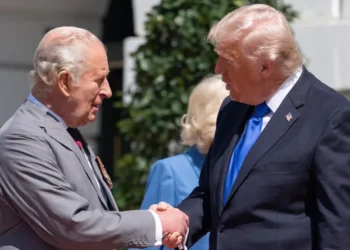 “A Royal Dram”: Trump Scraps Whisky Tariffs in Historic Gesture to Departing King
 BBC News Faces Deep Cuts in 2,000 Job Plan
 Asylum deal sparks fears over Syria deportations
 “The Cost of Conviction”: Palestine Action Activists Found Guilty Over ‘Clinical’ Factory Damage
 Labour Faces Internal Pressure for Bold Economic Shift
 UK Inflation and Global Conflict Drive Up April Borrowing
 UK Urged to Build EU Rejoin Consensus, Says Miliband
 Son Urges Iran Prisoner Exchange for Jailed British Pair