Published: 17 June 2026. The English Chronicle Desk. The English Chronicle Online.
The British government faces a major crisis over military funding after dramatic interventions in parliament on Tuesday. Three senior defence figures openly accused Prime Minister Keir Starmer of leaving the armed forces dangerously underfunded. Their scathing remarks have exposed deep fractures within the Labour party regarding national security and spending priorities. The public criticisms come at a time of rising geopolitical tensions across Europe and the Middle East.
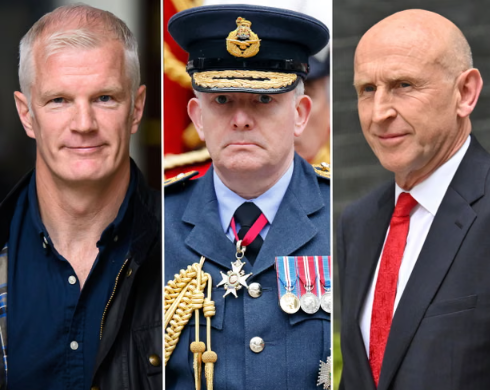
Former Defence Secretary John Healey and former Defence Minister Al Carns led the political assault. Both men delivered powerful resignation speeches in the House of Commons just days after quitting. They left their government posts in direct protest against the new Defence Investment Plan. Their departures represent a significant blow to the political stability of the current administration. Both figures argue the current funding trajectory threatens the operational readiness of British troops.
John Healey expressed deep regret about his decision to step down from the cabinet. However, he remained completely certain that his resignation was necessary to secure the military future. He told fellow lawmakers that Britain cannot rely on incremental changes during this critical period. The former secretary called for bolder priorities and much harder choices regarding national rearmament. He insisted that the current global security environment demands a fundamental transformation of British power.
The financial details of the government plan have drawn the sharpest criticism from experts. The Defence Investment Plan offers an extra thirteen billion pounds over a four-year period. However, critics argue this increase is entirely inadequate when adjusted for modern defense inflation. John Healey pointed out that the plan represents a tiny fraction of economic growth. He stressed that the budget rises by just a fraction of one percent.
The lack of a clear timeline for future spending targets remains a major issue. The government has failed to set a firm date for reaching three percent of GDP. There is also no visible pathway to reaching three point five percent by 2030. This lack of ambition has deeply worried many traditional Labour members of parliament. They believe the UK is failing to meet its international obligations to western allies.
Al Carns strongly echoed these financial concerns during his own address to the Commons. The former minister warned that Britain is currently preparing for the conflicts of the past. He urged parliament to push hard for rapid military delivery well before the decade ends. His speech highlighted a growing consensus that modern warfare requires immediate and radical technological updates. The armed forces must adapt quickly to drone warfare and advanced cyber threats.
The military leadership has also added its considerable weight to this brewing political storm. Chief of the Defence Staff Rich Knighton gave evidence to the defence select committee. He warned that the military will have to dial back vital global operations soon. This reduction will happen if the Ministry of Defence does not receive more resources. Such a retreat would directly impact British commitments in Ukraine and the Middle East.
Admiral Knighton explained that reduced funding forces difficult choices regarding training and overseas deployment. British forces may have to limit their participation in large NATO military exercises. This prospect has raised serious alarms among international allies who depend on British leadership. The timing is particularly sensitive given the ongoing security challenges on the European continent. It places the prime minister under immense pressure from both domestic and international observers.
The political fallout from these resignations is already spreading across the wider Labour party. Many backbench lawmakers are deeply frustrated by Starmer’s apparent caution on radical policy options. They accuse the prime minister of failing to back up his strong rhetoric with money. There is also persistent criticism that Chancellor Rachel Reeves holds too much power over spending. This internal friction is creating a volatile atmosphere within the governing party this week.
The timing of this defence dispute could have immediate consequences for the prime minister. Greater Manchester Mayor Andy Burnham is currently contesting the crucial Makerfield byelection on Thursday. Burnham has campaigned on a clear promise to challenge the current Downing Street direction. A victory for Burnham would significantly strengthen the internal opposition against Keir Starmer’s leadership. It would signal deep voter dissatisfaction with the current path of the government.
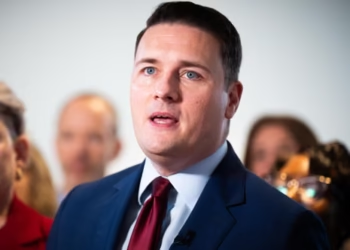
Other senior political figures are already planning for a potential change at the top. Former Health Secretary Wes Streeting urged the prime minister to consider his current position. Streeting suggested that Starmer should set out a clear timetable for his political departure. He argued this move would create a much better political culture for everyone involved. Such comments indicate that leadership discussions are already happening openly within the party.
Keir Starmer has hit back firmly against these demands while attending international meetings. Speaking from the G7 summit in France, he rejected any calls for his resignation. The prime minister insisted he would fight any potential challenge to his political leadership. He defended his record by pointing to recent historic increases in UK defence spending. Starmer noted that budgets had already risen from two point three to two point six percent.
The prime minister maintains that the new investment plan focuses heavily on future capabilities. He argues the strategy delivers more funding on top of previous historic increases. Downing Street is currently working with the new defence leadership to identify core priorities. Starmer wants to ensure that every pound spent delivers maximum efficiency for national security. He believes the criticism fails to recognize the complex economic realities facing the treasury.
Government sources indicate that a brief period has been granted to review the plan. The new Defence Secretary Dan Jarvis has two weeks to master the details. Jarvis can request specific changes before the final policy announcement in early July. This timeline is critical as the official launch must happen before the NATO summit. The government hopes to present a united front to international partners in Washington.
The coming days will prove critical for the future of the British government. The results of the Thursday byelection will determine the momentum of the internal opposition. If the government loses ground, the pressure on Keir Starmer will intensify significantly. The debate over military spending has transformed into a wider battle for political control. Britain’s standing on the world stage depends heavily on how this dispute is resolved.
Related News:
 UK Prepares Aircraft Carrier for Middle East Crisis
 Is Britain Ready? Experts Warn of ‘Bizarre’ Military Delay
 Russian Frigate Fires Warning Shots Near British Yacht
 Reeves Faces Setback as Labour May Miss Homes Target
 Kate Winslet to Narrate Film Highlighting King’s Environmental Mission
 Trump’s UK Ambassador Urges North Sea Drilling to Strengthen US Ties
 UK Bans Fake Numbers: Scammers Lose Their Trick
 Millionaires group urge Reeves to introduce wealth tax to ‘lift kids out of poverty’
 Reeves rejects £1bn plea for NHS redundancy payouts
 PM Condemns Leaks, Vows Loyalty to Ministers and Stability
 Stroke Patient Mistaken for Drunk, Care Delayed
 Inside the Helpline Protecting Missing Children in the UK
 Boots Showstopper Beauty Bundle Outshines Many Advent Calendars This Holiday Season
 PlayStation PS5 Deals Hit Lowest Prices Ahead of Black Friday
 Five-Year-Old Dies After Rare Tonsil Surgery Complication
 Starmer Says Labour’s Economic Plan Needs Years to Deliver
 UK unemployment rises to four-year high of 5.1% before budget
 Wiltshire Police Use Lasso to Catch Rampaging Village Goat
 Coasting Drinks: The Trend Redefining Alcohol Enjoyment This New Year
 Rising Hate Crimes Threaten Safety on UK Public Transport
 Starmer Faces Parliamentary Battles Over UK-EU ‘Reset’ Plan
 Met Police Vetting Failures Let Serial Rapists Remain
 Google Employee Claims Redundancy After Harassment Report
 Fatal Bolton Taxi Crash Claims Three Teens and Driver
 ScottishPower Tops List of Worst UK Energy Suppliers
 Judi Dench Champions Fight to Save London’s Green Spaces
 Crowborough Camp Welcomes First Asylum Seekers
 BBC Funding Crisis: Tim Davie Warns of Jeopardy Ahead
 Storm Chandra floods Somerset, triggers major incident declaration
 Artificial intelligence will cost jobs, admits Liz Kendall
 Older Women Vanish from BBC Screens, Review Confirms Bias
 Mandelson Faces Police Inquiry Over Epstein Leak
 Streeting moves on doctor pay to end strike dispute
 UK reports baby formula toxin poisoning cases across the country
 Morgan McSweeney downfall shocks Labour leadership
 Send spending gap leaves deprived areas behind
 Hidden Crisis: Domestic Abuse Suicide Toll in UK
 UK Unemployment Rate Climbs to 5.2% Peak
 BBC World Cup Presenting Duties Shared Among Trio
 Wales Approves Assisted Dying Bill Consent
 CPS Updates Guidance on Honour-Based and Dowry Abuse
 Asylum Seekers to Work After Year-Long Wait
 Inquiry into HMRC child benefit errors launched by NAO
 Rising Costs Force Families to Rethink Days Out
 Scott Mills Sacked by BBC Over Personal Conduct Claims
 Palantir Boss Defends NHS Deal Amid Government Break Clause
 Relationship with Trump may be beyond repair, Starmer warned
 UK Government Poised to Revive Stalled Hillsborough Law
 Home Office Faces Legal Risks Over Asylum Hotel Living
 Crisis in NHS Surgery Scheduling Hits Patients Hard
 Blue Badge Abuse: The Rising Tide of Public Hostility
 Scott Parker Leaves Burnley After Premier League Drop
 Silent Tracks: Rail Line Without Passengers
 RFU Backs Borthwick Despite England’s Poor Six Nations
 Major test for Labour as polls open in Great Britain
 Keir Starmer Struggles to Secure His Grip on Downing Street
 Fear and Betrayal: The Chilling Case of Kouri Richins
 Farage Faces Standards Probe Over Cash Property Purchase
 Closing the Gap: UK Pensions Commission Demands Action
 Sun and Jams: Britain Braces for a Sizzling Bank Holiday
 Russian Electronic Attack Targets UK Defence Chief Jet
 UK Shoppers Face Prolonged Price Rises At Tills
 Tube Strike Brings Capital to a Standstill Over Shift Disputes
 Labour Denies Benefit Tax Hike Amid Mandelson Leak
 Makerfield Voters Demand Real Change as Election Looms
 US Condemns ‘Two-Tier’ UK Policing After Student Murder
 Millions in British Charity Funds Linked to Illegal Settlements
 Ryanair Faces Probe Over Mandatory Family Seating Fees
 Britain’s Crowning Butterfly Takes the Nation by Storm
 Russian Tanker Captain Remanded in UK Court After Channel Seizure
 Shocking Zoo Incident Sparks Attempted Murder Probe
 The Hybrid School Revolution Defying the Social Media Ban
 UK Care Crisis: Row Explodes Over New Visa Settlement Rules
 Sainsbury’s Boss Optimistic As Grocery Inflation Eases
 NHS Urges Investigation For Irregular Periods
 US Airman Avoids British Court in Indecent Exposure Case
 Farage Warns Sky News Following Financial Inquiry
 Ann Widdecombe, Formidable Political Figure, Dies at 78
 UK Schools Struggle as Classrooms Top 40C
 Westminster Council Threatens Charing Cross Soup Kitchen