Published: 30 June 2026. The English Chronicle Desk. The English Chronicle Online.
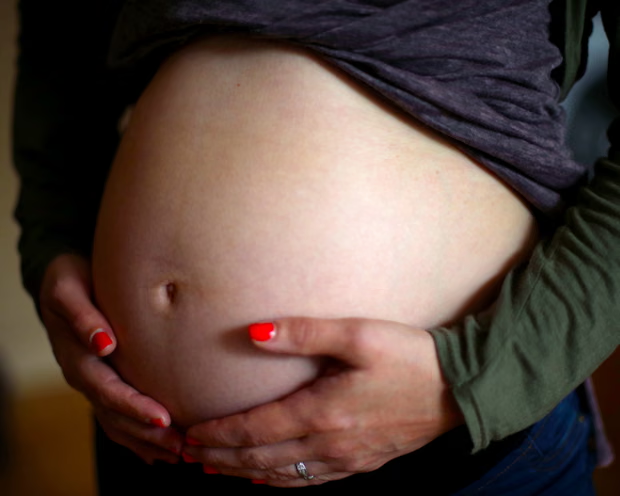
The debate over how to fix England’s maternity services has reached a critical turning point. Health Secretary James Murray announced a new national commissioner role to oversee failing hospital trusts. This decision follows a major government inquiry into the continuous scandals rocking the NHS. The new role aims to champion patients and enforce higher standards across every hospital. Whoever takes the position will hold hospitals accountable for ongoing failures in patient care. They will also try to rebuild trust with families who feel completely let down.
However, some bereaved parents believe this new national role will not work as intended. Emily Barley lost her daughter Beatrice at Barnsley Hospital due to severe medical failings. She actively campaigns for better care and co-founded the prominent Maternity Safety Alliance. Speaking on BBC Radio 4, she argued that the new role is fundamentally dangerous. She believes that concentrating so much power into a single position is simply insane. In her view, the move seems designed for headlines rather than creating real change.
The disagreement highlights a deep rift between government officials and grieving families across England. Lady Amos led the independent review which originally suggested creating this new commissioner role. Her extensive report concluded that the current system is plagued by discrimination and racism. She stated that the NHS regularly fails to listen to women during critical moments. The report describes a culture where senior staff frequently dismiss the concerns of patients. This lack of communication often leads to tragic consequences for mothers and their babies.
Lady Amos defended her recommendations during a recent appearance on the Today programme. She argued that the role does not concentrate power into one person’s hands. Instead, the position provides an independent advocate for women and their vulnerable families. Her comprehensive report outlines eight main recommendations designed to overhaul the entire maternity system. She calls for urgent improvements to maternity triage services which function like traditional A&E. These vital departments need more staff so they can respond quickly to emergency situations.
The report also demands a fairer process for families seeking justice after tragic losses. Currently, parents must navigate a brutal compensation system that many describe as incredibly cruel. Lady Amos wants hospitals to admit their mistakes immediately instead of fighting legal battles. She also believes families should have the right to demand fresh independent investigations easily. This would happen if they are unhappy with the internal inquiries conducted by hospitals. Furthermore, the NHS must actively root out systemic racism embedded within neonatal departments.
Despite these recommendations, Emily Barley remains unconvinced that the report offers real solutions. She stated that none of the proposed changes would have saved her daughter. She explained that families are still not being listened to even after children die. This ongoing frustration has led her to repeat calls for a full public inquiry. A statutory inquiry would have the legal power to compel witnesses to give evidence. Many campaigning families believe this is the only way to uncover the truth.
Lady Amos holds a different view regarding the necessity of a public inquiry. She noted that statutory inquiries take a long time to deliver their final reports. The changes she proposes can start immediately and transform the system much faster. However, she acknowledged why many grieving families still demand a formal public inquiry. The government now faces the difficult task of balancing these conflicting views moving forward. Changing the deep culture of the NHS remains the biggest challenge for everyone involved.
Staff must learn to handle trauma better and feel safe when speaking up. Junior workers should be able to raise alarms without fear of being silenced. The success of the new commissioner will depend on making these cultural shifts happen. For many families, these promises of reform come far too late to change anything. They will continue to watch the government’s actions with a mixture of hope and skepticism. The future safety of mothers and babies depends heavily on what happens next.
Related News:
 Hospice Cuts Raise Alarm Across England Amid Funding Crisis
 The diet that can significantly ease symptoms of IBS
 Celebrities and Charities Demand UK Government Act on Child Poverty
 Experts Warn on Home Birth Risks, Call for Skilled Midwives
 Experts Urge Legal Right to Timely Cancer Care
 Patients to Test Health at Home to Ease NHS Winter Pressure
 London’s Childlessness Crisis: Schools Closing as Families Shrink
 North Sea oil workers must lose weight or face job loss
 Crisis charity to become landlord amid UK housing emergency
 No link found between paracetamol in pregnancy and autism
 Shouting Works Best to Deter Gulls, UK Study Finds
 Reeves rejects £1bn plea for NHS redundancy payouts
 Leading doctors issue warning amid ‘bad’ flu season
 Stroke Patient Mistaken for Drunk, Care Delayed
 ‘Traumatic Wait’: Northern Ireland Women Face Breast Cancer Delays
 Welsh Government Christmas 2020 Lockdown Criticised
 Coffins Now Too Large to Cremate Amid Rising Obesity Crisis
 NHS paediatric leave parents waiting months for answers
 Catherine urges end to stigma around addiction
 Five-Year-Old Dies After Rare Tonsil Surgery Complication
 Fibromyalgia Patients Struggle as NHS Fails to Provide Care
 More Patients Now Contacting GPs Online, Data Shows
 Streeting launches review into mental health and ADHD diagnoses
 People in England’s Poorest Areas Face Higher Lung Health Emergencies
 Minor A&E Visits Surge Across England as Hospitals Face Pressure
 Children to Receive Home Vaccines as England Acts
 UK Enforces Junk Food Ad Ban Before 9pm
 Patients Collapsing in NHS Corridors, Watchdog Warns
 Offenders to Receive Health Support During Probation Appointments
 NHS Violence Crisis: Staff Face Daily Assaults
 NHS corridor care crisis sparks fears over patient safety
 Jess’s Rule Urges GPs to Rethink Persistent Symptoms
 UK Glaucoma Rise Signals Looming Eye Health Crisis by 2060
 Small risk warning raised over weight-loss jabs in UK review
 Pneumonia Surge Pushes England Emergency Cases Higher
 Streeting moves on doctor pay to end strike dispute
 UK reports baby formula toxin poisoning cases across the country
 Children of Close-Relative Parents Face Higher Mortality Risk in England
 Campaign Demands NHS Action on Placenta Accreta Diagnosis
 NHS Bone Cement Shortage Threatens Surgeries
 Placenta Accreta Warning as Hunt Urges Action
 Half of Britons Avoid GP When Ill, Survey Reveals Growing Concern
 NHS Maternity Units Cover Up Harmful Childbirth Errors
 Drop in Overseas Workers Sparks ‘Car Crash’ for UK Hospitals
 Weight-loss drugs may transform heart attack recovery
 Cancer Death Rate in Britain Falls by Nearly a Third
 Palantir NHS Contract Sparks Fears Over Data Power
 UK Patients Face Long Journeys as Pharmacies Cut Hours
 UK Biobank Health Data Leaks Raise Privacy Concerns
 NHS Plans to Cut Overseas Workers Labeled Overambitious
 Kent Meningitis Outbreak Claims Two Young Lives as Cases Rise
 Meningitis Cases in Kent Outbreak Rise to 27
 Palantir Boss Defends NHS Deal Amid Government Break Clause
 NHS Staff Shortages Stifling Recovery for Stroke Survivors
 Unions Raise Concerns Over Doctors’ Pay Dispute
 Wes Streeting Accuses Doctors of Torpedoing Pay Deal
 Private Profits From NHS Contracts Spark Urgent National Debate
 Crisis in NHS Surgery Scheduling Hits Patients Hard
 NHS Safety Fears as Nurses Cover Doctor Gaps
 New Scan Offers Hope for Faster Endometriosis Diagnosis
 New AI Tool To Target Obesity Risk And Transform NHS Care
 Barrister Criticises Trial After Suicide Case Verdict
 NHS Drug Deal Faces Legal Threat Over US Trade Agreement
 NHS Staffing Crisis Reaches Dangerous Levels
 Crisis in Care: Children Stuck in A&E for Days
 Empowering the Elderly or Shifting the Blame to Individuals?
 Record Spending Highlights Growing Crisis In National Health Service
 The Race for Radical Change in Westminster
 Clean Air Initiatives Spark Major Fall in London Hospital Admissions
 Swimming Champion Demands Urgent Action on Brain Cancer
 Labour MP Revives Blocked Assisted Dying Bill in Commons
 UK Heatwave: Why Extreme Humidity is Making June Feel Unbearable
 Mortuary Crisis Exposed at Scandal-Hit NHS Trust
 The Hidden Revival of a Fatal Infection on British Soil
 NHS Urges Investigation For Irregular Periods
 BMA Faces Unprecedented Staff Cuts Amidst Severe Financial Turmoil
 Trump Immigration Cuts Threaten US Caregiver Stability
 Stricter Rules Proposed to Shield Children from Vaping
 UK Schools Struggle as Classrooms Top 40C
 London Tube Heat Reaches Dangerous Levels