Published: 03 July 2026. The English Chronicle Desk. The English Chronicle Online.
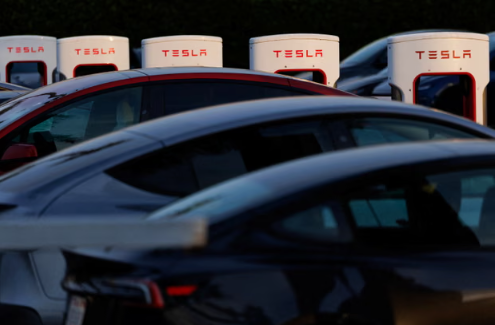
Tesla has delivered a powerful message to global investors after posting record second-quarter vehicle sales. The company successfully navigated a challenging market to deliver over four hundred eighty thousand vehicles during this period. This impressive performance marks a significant milestone for the Austin-based electric vehicle giant after two difficult years. Most market analysts had previously anticipated much lower delivery numbers for this critical three-month period ending in June. The actual results surpassed even the most optimistic projections from Wall Street by nearly sixty thousand individual car units. This surge represents a twenty-five percent increase compared to the same quarter of the previous year for the automaker. Such growth suggests that the company is successfully regaining its momentum after a prolonged period of declining annual sales.
The resurgence appears to be largely driven by strong demand for electric vehicles throughout the European market this year. Analysts point toward a combination of government incentives and a rapid transition toward electrified corporate vehicle fleets across the region. Higher fuel prices have also encouraged many European consumers to prioritize electric options over traditional internal combustion engine alternatives today. Furthermore, the company is benefiting from the rollout of advanced driver assistance software which continues to gain regulatory approval across several countries. This technological expansion is expected to support sustained demand as more drivers gain access to these innovative features in their daily commutes.
Market observers have also noted that the intense consumer backlash against Elon Musk’s political activities seems to be cooling down recently. Last year, the brand suffered as many potential buyers avoided the manufacturer due to the high-profile public stances taken by its leadership. Protests at showrooms and instances of vandalism were reported in various locations as public sentiment turned sour against the CEO. However, the latest delivery figures suggest that many buyers are now returning to the brand as the political controversy fades into the background. While the situation in the United States remains more complex, the global rebound is providing a necessary buffer for the company’s finances.
The company is now using this renewed financial strength to fund its ambitious expansion into robotics and artificial intelligence development. Tesla expects to invest more than twenty-five billion dollars in capital expenditure throughout the year to support these high-tech goals. This budget will cover critical areas such as enhanced artificial intelligence infrastructure and the large-scale production of new battery units. The company is also moving forward with its plans for manufacturing autonomous vehicles that do not require traditional pedals or steering wheels. These long-term projects remain the primary justification for the company’s substantial market valuation which currently sits around one point six trillion dollars.
Despite the strong performance, the company continues to face a competitive environment from manufacturers like BYD in the global electric vehicle sector. Although Tesla’s delivery numbers were robust, BYD remains a significant force by selling a higher volume of vehicles on a global scale during the first half of the year. Tesla is now focusing on thinning out its existing inventory by producing fewer vehicles than it delivers to customers worldwide. This strategy helps the organization maintain operational efficiency while keeping its focus on high-margin products that drive long-term profitability. Investors are now looking toward the upcoming financial earnings report on July twenty-second for more detailed insights into the company’s profit margins.
The energy storage division is also contributing to the firm’s overall growth with significant deployment gains recorded during the second quarter. This business line has become a distinct revenue stream that is increasingly viewed as vital to the company’s future success. With grid-scale battery installations expanding across multiple continents, the storage segment is providing a stable foundation alongside the primary automotive business. Management continues to emphasize that these delivery reports serve as only one measure of the company’s broad financial health and overall strategic performance. The coming months will likely reveal whether this upward trajectory can be sustained as the company scales its autonomous driving and robotics initiatives further.
Related News:
 Virgin Trains Moves Closer to Challenging Eurostar Monopoly
 UK Bans Fake Numbers: Scammers Lose Their Trick
 Vibe coding’ named Collins dictionary’s word of the year
 Patients to Test Health at Home to Ease NHS Winter Pressure
 Britain deploys RAF specialists to assist Belgium with drone threats
 Stop using ChatGPT to write speeches, AI minister tells MPs
 Northern Lights may illuminate UK skies this week
 New laws to bolster UK’s defences against cyber attacks on NHS, transport and energy
 Hitler’s DNA Confirms He Truly Had Only One Testicle
 Working-Class Men with Prostate Cancer Left Behind by NHS
 New AI tool could cut wasted efforts in organ transplants
 How Cultures Interpreted the Aurora Through History
 From Baby Teeth to Bioengineering: The Future of Self-Healing Teeth
 Sundar Pichai Cautions on AI Hype and Market Risks
 Google Chief Urges Caution: Don’t Trust AI Blindly
 US Judge Says Meta Did Not Hold Illegal Social Media Monopoly
 Healthy Habits in Your 30s That Boost Life in Your 70s
 Coffins Now Too Large to Cremate Amid Rising Obesity Crisis
 AI Actress Creator Says Tilly Norwood Won’t Replace Actors
 AI Grok Sparks Child Safety Alarm in the UK
 Google Removes Some AI Health Summaries Over Safety Concerns
 US Clears Nvidia AI Chip Sales to China in Policy Shift
 Amazon Milton Keynes closure sparks concern for UK warehouse workforce
 Astronomers Prepare for First-Ever Movie of a Black Hole
 MPs warn AI financial risks threaten UK stability
 MPs warn AI financial risks threaten UK stability
 Pornhub blocks new UK users over age checks dispute
 Amazon mistakenly signals new global layoffs to employees
 AI breast screening cuts later cancer diagnoses by 12%, study finds
 UK Launches First Rapid-Charging Battery Train This Weekend
 UK New Car Discounts Near £6,000 as Prices Are Slashed
 Most Statin Side-Effects Are Not Caused by Drugs, Study Confirms
 BT Names New Openreach Chief Amid Major Fibre Expansion
 AI fears hit UK wealth and comparison sites
 Tech Trends Set to Transform Life in 2026
 Starmer Targets AI Chatbots Over Child Safety Concerns
 How Ancient Scottish Rocks Challenge ‘Snowball Earth’ Theory
 Ayahuasca Psychedelic DMT Shows Potential as Depression Therapy
 Stewart Brand on Musk, Bezos and a Life of Long Thinking
 Facial Recognition Error Leads to Wrongful Arrest in Milton Keynes
 Social Media Trial: Woman Says Addiction Began at Six
 Zorevunersen Breakthrough for Dravet Syndrome
 Revealed: UK AI Push Faces Phantom Investment Claims
 Ministers Urged to Act Faster on Deepfakes Threat
 Tesla Enters British Energy Market Following Ofgem Approval
 Social Media Giant Trial Reaches Final Jury Decision
 Cern Prepares First-Ever Antimatter Transport Test
 The Molten Mystery of L98-59d: A New Class of Liquid Planet
 House of Lords Backs Landmark Social Media Ban for Youth
 Charity Watchdog Warns Alan Turing Institute Over Conduct
 The Woman Guarding Earth From the Threat of Asteroids
 California Defies Trump With Strict New AI Standards
 New Gmail Feature Ends Era of Embarrassing Email Names
 Tech Giants Condemn EU Over Lapse in Child Abuse Laws
 Elon Musk’s xAI Sues Colorado Over New AI Regulations
 Heavier SUVs Accelerate Britain’s Pothole Crisis
 Canadian astronaut French words ease language row
 Humanoid Robots Join Haneda Airport Baggage Teams
 Disneyland Adds Facial Recognition at Entrances
 Older Than Dinosaurs: Secrets of Mayfly Dance Revealed
 Vodafone Seeks Full Control of UK Mobile in £4.3bn Deal
 Tatooine Dreams: 27 New Worlds Found With Double Suns
 Shivon Zilis Takes the Stand in Landmark OpenAI Trial
 Cambridge South Signals New Era for British Rail Travel
 Trump Lands in Beijing for High-Stakes Summit with Xi
 Gotta Catch an MP! The New Political Craze Sweeping Britain
 Court Upholds Landmark Win for Transgender Rights
 Canberra Tax Dispute Sparks Fears of Creative Exodus
 A Massive Legal Triumph Reshapes the Future of AI
 UN Issues Urgent Warning: Imminent Return of El Niño
 NHS Approves Landmark Ovarian Cancer Drug
 Tech Trends and the Battle Against Exam Hall Cheating
 Starmer Issues Tech Giants Ultimatum on Child Phone Protection
 SpaceX Prepares for Historic Valuation Launch
 Silicon Valley Shifts South as AI Boom Transforms City Housing
 AI to Help Botanists Win the Critical Race Against Extinction
 Cambridge Recreates Historic 336-Year-Old Garden
 MPs Demand Immediate Horizon Compensation From Fujitsu
 Trump Faces Backlash Over $2bn Earnings Since Return
 South Korea’s AI Chip Boom Sparks Wealth Inequality Debate