Published: 6 July 2026 | The English Chronicle Desk | The English Chronicle Online
Pupils, parents and teachers have been left devastated after the announcement that one of Britain’s oldest schools, with a history spanning more than 700 years, is expected to close its doors, bringing an end to centuries of educational tradition and leaving an entire community grappling with uncertainty.
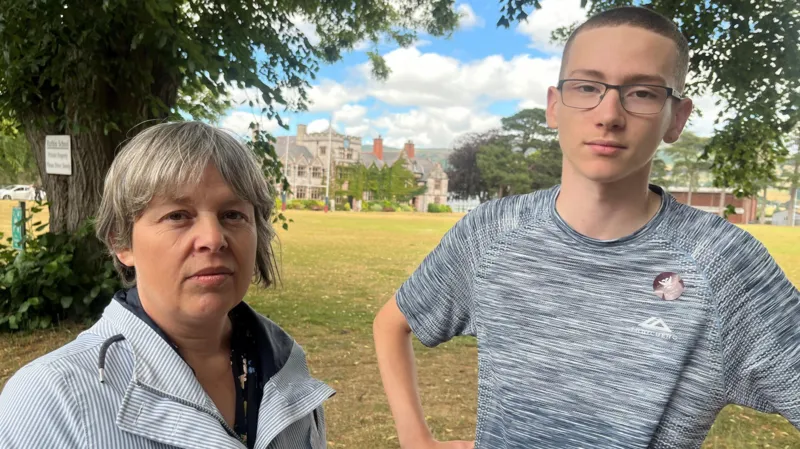
The emotional news was delivered directly to pupils, many of whom were seen in tears as they learned that their school could soon cease operating. Families described the announcement as a heartbreaking moment, with children struggling to understand why the institution they had come to regard as a second home might no longer exist.
The proposed closure has triggered widespread concern among parents, former pupils and local residents, who say the loss would represent not only the end of an educational establishment but also the disappearance of a significant part of the community’s cultural and historical identity.
For generations, the school has educated thousands of children, surviving political upheavals, economic recessions, industrial change and two world wars. Its long history has made it one of the oldest continuously operating educational institutions in the country, with many local families having attended the school across several generations.
The announcement that the institution now faces imminent closure has therefore come as a profound shock.
According to those present, children were informed of the decision during a school gathering, where staff explained that financial pressures and declining pupil numbers had left governors with little alternative but to begin the closure process.
Many pupils reportedly became visibly upset as they realised they might soon be separated from classmates, teachers and the familiar surroundings that have shaped their daily lives.

Parents described scenes of confusion and sadness, saying younger children struggled to comprehend why their school was suddenly under threat.
Several families said they had spent the evening reassuring distressed children who feared losing their friends and having to move to unfamiliar schools.
Teachers, many of whom have dedicated years of service to the institution, were also said to be deeply emotional.
Staff members have invested considerable time building relationships with pupils and helping preserve the school’s longstanding traditions.
For many educators, the closure represents not only the loss of employment but also the end of careers closely connected to an institution with exceptional historical significance.
School leaders reportedly cited mounting financial challenges as the primary reason behind the difficult decision.
Like many educational institutions across the United Kingdom, the school has experienced increasing operational costs alongside changing demographic patterns that have affected enrolment.
Falling pupil numbers can significantly reduce funding, placing additional strain on schools already managing rising expenditure on staffing, maintenance, energy and educational resources.
Maintaining historic buildings presents further financial challenges.
Older school sites often require extensive repairs, specialist conservation work and ongoing investment to ensure they meet modern safety and accessibility standards.
While such buildings hold considerable architectural and cultural value, the costs associated with preserving them can exceed those faced by newer educational facilities.
Governors reportedly concluded that continuing operations had become financially unsustainable without substantial additional support.
The announcement has prompted calls from parents and community leaders for authorities to explore every possible alternative before closure becomes final.
Many argue that institutions with centuries of educational heritage deserve special consideration because of their importance to local history and community identity.
Former pupils have also expressed sadness at the prospect of losing a place that shaped their childhoods.
Alumni spanning several decades have shared memories of classrooms, sporting events, school productions and friendships formed within the historic grounds.
For many, the school represents a living link between generations.
Some families have attended the institution for more than a century, with grandparents, parents and children all receiving their education within the same historic buildings.
Education experts note that school closures can have consequences extending well beyond academic provision.
Schools frequently serve as community hubs, hosting local events, charitable activities, sports programmes and cultural celebrations.
Their disappearance can therefore affect entire neighbourhoods, reducing opportunities for social connection and community engagement.
Children may also face emotional challenges when transferring to new schools.
Educational psychologists emphasise that changes to familiar routines, friendships and learning environments can create anxiety, particularly among younger pupils.
While most children eventually adapt successfully with appropriate support, sudden school closures often require careful transition planning involving teachers, parents and receiving schools.
Local education authorities are expected to work with families to identify alternative school places should the closure proceed.
Officials typically seek to minimise disruption by ensuring pupils can continue their education without significant interruption.
Nevertheless, some parents have expressed concern about longer travel distances, larger class sizes and the loss of the close-knit atmosphere that characterised the historic school.
Community campaigners have already begun discussing possible efforts to preserve the institution.
Some hope additional funding, charitable partnerships or revised operating models might still provide opportunities to secure the school’s future.
Others have called for greater government recognition of historically significant educational institutions facing financial difficulties.
Heritage organisations also note that schools occupying historic buildings contribute to preserving local architectural character.
Many such institutions contain structures dating back centuries, reflecting changing educational practices and community development across successive generations.
The potential closure therefore raises broader questions about balancing financial sustainability with heritage preservation.
Educational historians observe that schools with histories extending across hundreds of years are exceptionally rare.
Institutions surviving for seven centuries have witnessed enormous social transformation, educating children through medieval times, the Industrial Revolution, the expansion of public education and the digital age.
Their continued existence provides tangible connections between past and present.
Parents have said their immediate concern, however, remains the wellbeing of their children.
Many described comforting sons and daughters who returned home distressed after hearing the announcement.
Some children reportedly asked whether they would ever see their classmates again or whether favourite teachers would disappear from their lives.

Such reactions illustrate the deep emotional bonds that schools create beyond academic learning.
Teachers have likewise emphasised that supporting pupils emotionally will remain a priority throughout any transition process.
Counselling, pastoral care and regular communication with families are expected to play important roles in helping children understand forthcoming changes while maintaining stability during an uncertain period.
As discussions continue, hope remains among many members of the community that solutions may yet emerge capable of preserving the school’s remarkable legacy.
Whether through additional funding, revised management arrangements or broader public support, campaigners believe every possible option should be examined before ending more than seven centuries of educational history.
Regardless of the eventual outcome, the emotional scenes witnessed following the announcement demonstrate that schools are far more than places of learning.
They become centres of friendship, identity, belonging and shared memory.
For the children who left the assembly in tears, the threatened closure represents not simply the loss of classrooms, but the possible end of a cherished chapter in their lives and in the history of a community whose story has been intertwined with the school for hundreds of years.
Related News:
 Teacher Who Lied About Cambridge Degree Banned From Profession
 Britain’s Special Needs Spending Crisis Will Be Labour’s Ruin
 ‘Don’t Make Us Security Guards,’ Says Teacher Stabbed by Pupil
 Schools in England to Get Budget for Children with Special Needs as Part of SEND Overhaul
 Only 10% of Boys Aged 14–16 Read Daily for Pleasure, National Literacy Trust Finds
 Sadistic Pair Jailed for Blowing Up Sheep
 Will the New SEND Reforms in England Work? You Have Your Say
 Allergy Training to Become Compulsory in Schools in England
 Yorkshire School Issues Warning Over Social Media Trend Targeting Pupils
 Beloved Teacher Dies After Student Prank Turns Tragic
 Scots Head Teacher Pays Tribute to Teen Who Died in Car Fire
 Schools Lack Staff to Make SEND Reforms Work, Union Warns
 The Pre-School Lottery: Families Left in ‘Holding Pattern’ as Local Places Vanish
 Campus Lockdown: School Shuts Following ‘Serious Incident’ in Local Area
 Youth in Crisis: ‘Seismic’ Rise in Children as Young as 10 Carrying Weapons
 ‘Disconnected to Reconnect’: England to Enact Statutory Ban on School Mobile Phone Use
 ‘A Lifeline Thrown’: 22,000 Students Spared Immediate Repayment After Loan ‘Incompetence’
 NHS Safety Fears as Nurses Cover Doctor Gaps
 The “Golden Tone”: Horn Virtuoso Invests £8,500 in Future Prodigy’s Dreams
 Tractor Breakdown Tests Lincolnshire Farmers
 Father’s diaries reveal doubts over Hawking
 Public Confidence in University Degrees Plummets in the UK
 Regulator Reviews ‘Overwhelming’ Maths Exam
 M&S Launches Traineeship for 1,000 Young People
 Signs of Recovery Emerging for Young People
 Dutch Approach Offers Lessons on Youth Unemployment
 “Without Housing Help I Could Not Do My Dream Job”
 Prince George Set to Begin Studies at Eton This September
 British Teens in EU Face Soaring UK University Fees
 Princess of Wales Launches Animated Video Series to Support Early Childhood Development
 Education Leaders Call for End to Compulsory GCSE Resits in English and Maths
 Thousands of New School Nursery Places to Be Rolled Out Across England
 White Low-Income Pupils in England Show Lowest Levels of School Engagement, Study Finds
 New V-Level qualification to transform post-16 education
 Children to Learn Local History in Major Curriculum Overhaul
 Christmas Code-Crackers: GCHQ Unveils Annual Festive Puzzle Card
 Cambridge College Faces Backlash Over Private School Recruitment
 UK Ministers Drop Foreign Student Targets for Global Education Push
 Labour Utterly Humiliated by Straight-Talking Mum Who Cut Through Keir Starmer’s Insanity
 Send spending gap leaves deprived areas behind
 Renters Furious as Decent Homes Standard Delayed Until 2035
 Motorists Could Face ‘Mandatory’ Driving Ban for Road Offences Under Tougher Laws
 Students Begin Covid Compensation Claim Against 36 More Universities
 Snow and Rain Warnings as Cold Snap Continues in the UK
 With Scottish Freebies Under Threat, University Tuition Is on the ‘Hit List’
 Calls Grow to Remove Billboard Following Lyra McKee Graffiti
 Father Dies by Suicide Weeks After Wedding in Clitheroe
 Sarah Ferguson Loses Another £1.5m Amid Financial Struggles
 Teen Wins Payout After TRNSMT Crush Horror
 Biker Suffers Fractured Spine After Hitting Pothole in Edinburgh
 ‘Heating Oil Suppliers Are Holding Us to Ransom’ as Prices and Cancellations Surge
 Families Tortured by Authorities During Investigations Inquiry Told
 The High Cost of Survival: How the 2026 Fiscal Outlook is Redefining British Life
 US Lawmaker Demands Testimony Over Sarah Ferguson’s ‘Close Epstein Ties’
 The Last of the Lords: Two Hereditary Peers to Retain Ceremonial Roles Amid Historic Ousting
 Keir Starmer Vows Strong Action Against Online Tech Giants
 ‘Eye in the Sky’ Blinded: Photos Reveal Destroyed US Radar Jet at Saudi Base
 Four Teens Charged After Assault on Rescue Volunteer and Dog
 Woman Deported from China Over Manx Passport Mix-Up
 ‘My Hatred of Dogs is Ruining My Love Life’
 ‘The Final Word’: Kathleen Stock’s Polemic Against Assisted Dying Reshapes the UK Debate
 Heartbreak in Bournemouth: The Tragic Death of James Blanch
 Paws on the Wheel: Driver Facing Fine After Dog Photographed on Lap
 The Miracle of Phoenix: ‘Half Dead’ Rescue Dog Defies the Odds in Worcestershire
 Toxic Trail: Dog Owners Warned Over ‘Vile’ Poisoned Meat Found in Parks
 The Waiting Ward: ‘Month of Worry’ as Doctor Strikes Trigger Seismic Surgery Delays
 MoD Has Lost Track of Veteran Recall List, Says Adviser
 ‘The Last of the Greatest’: UK’s Oldest WWII Veteran Passes Away Aged 109
 ‘A Sacred Space Shattered’: Two Found Guilty in London Church Drive-By Murder Trial
 “Jobs Will Go”: Rishi Sunak Warns AI is Already Eroding Entry-Level Opportunities
 “Three-Wheeled Triumph”: Mayor of Erewash Completes 2,000-Mile European Charity Run
 The “Cancer Commute”: Patient Warns of Breaking Point Over 40-Mile Treatment Trek
 Reality Check on Reform: Minister Says Outright Abolition of Leasehold “Impossible”
 End of the “Beefeater” Era: Whitbread to Cut 3,800 Jobs in Radical Strategic Reset
 The “Dry” Life: Teens Trialing Social Media Bans Call Initial Disconnection “Boring” and “Dry”
 “Invisible Agony”: 98-Year-Old Woman Left in “Severe Pain” for Days Amidst Care Backlog
 Widow Distressed by Nine-Month Delay to Husband’s Pension Payment
 Sinkhole Outside Chip Shop “Has Cut Trade in Half”, Owner Says
 White Working-Class Children Being Failed by Education System, Major Inquiry Warns
 Former Employee Alleges Sexual Assault by Business Founder as Investigation Draws Attention