Published: 20 July 2026 | The English Chronicle Desk | The English Chronicle Online
Glasgow is preparing to host athletes, officials and spectators from across the Commonwealth as the Scottish city gets ready for a scaled-back edition of the Commonwealth Games, an event organisers say will deliver world-class sport while placing a stronger emphasis on financial sustainability.
The Games, returning to Glasgow more than a decade after the city successfully hosted the 2014 edition, have been redesigned to reduce costs while maintaining the spirit of one of the world’s largest multi-sport competitions.
Officials believe the revised format demonstrates that major international sporting events can be organised more efficiently without compromising the experience for athletes or fans.
The Commonwealth Games will once again place Glasgow at the centre of international sport, welcoming competitors from nations and territories across the Commonwealth.
City leaders say hosting the event represents an opportunity to showcase Scotland’s hospitality, sporting heritage and organisational experience.

Preparations have focused on making use of existing venues rather than constructing expensive new facilities, a decision intended to reduce financial pressures while delivering a successful tournament.
Organisers say lessons learned from previous editions have influenced planning.
Unlike previous Commonwealth Games, this edition features a reduced programme with fewer sports and a more compact schedule.
Organisers say the streamlined approach reflects changing economic realities and growing concerns about the financial burden associated with hosting major sporting events.
By concentrating competitions in existing venues and limiting infrastructure spending, officials hope to create a model that remains attractive to future host cities.
They argue that sustainability—both environmental and financial—has become an essential part of modern event planning.
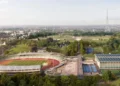
One of the defining features of the Games will be the extensive use of facilities already built for previous international competitions.
Venues developed for the 2014 Commonwealth Games continue to meet international standards, allowing organisers to minimise construction costs.
Officials say reusing existing infrastructure reduces environmental impact while ensuring taxpayers receive long-term value from earlier investments.
Many venues have undergone upgrades and maintenance ahead of the competition.
Despite the smaller scale, local businesses expect the Games to provide a welcome economic boost.
Hotels, restaurants, retailers and tourism operators are preparing for increased visitor numbers during the competition.
Business organisations believe international exposure will also strengthen Glasgow’s reputation as a destination for major sporting and cultural events.
City officials expect spending by visitors to support employment across multiple sectors.
Competitors from across the Commonwealth have expressed enthusiasm about competing in Glasgow.
Many athletes remember the city’s reputation for enthusiastic crowds and well-organised events from the 2014 Games.
Sports federations say the Commonwealth Games remain an important opportunity for athletes to compete internationally while representing their countries.
For younger competitors, the event also provides valuable experience ahead of future Olympic and world championship competitions.
The Commonwealth Games have undergone significant changes as organisers seek to ensure the event remains financially viable.
Several recent host cities have faced rising costs associated with staging large multi-sport competitions.
The Glasgow model aims to demonstrate that the Games can evolve while preserving their traditional focus on sporting excellence, international friendship and cultural exchange.
Officials believe flexibility will be important for the long-term future of the event.
Thousands of volunteers are expected to support the Games, assisting visitors, athletes and officials throughout the competition.
Community organisations have also participated in cultural programmes celebrating the diversity of Commonwealth nations.
Organisers say local involvement remains one of the event’s defining strengths.
Schools, sports clubs and community groups have been encouraged to participate in activities linked to the Games.
Authorities have developed detailed plans covering security, transport and public services during the event.
Police, emergency services and local councils have worked together to prepare for increased visitor numbers.
Transport operators are also introducing additional services to help spectators travel between venues efficiently.
Officials have encouraged visitors to plan journeys in advance during busy competition periods.
Organisers hope the Games will leave a positive legacy for Glasgow by encouraging greater participation in sport and supporting future investment in community facilities.

Local leaders believe hosting international events can inspire young people while strengthening the city’s global profile.
The emphasis on using existing infrastructure may also influence how future sporting events are organised worldwide.
As Glasgow prepares to welcome athletes from across the Commonwealth, the city is once again ready to demonstrate its ability to host a major international sporting event.
Although the Games are smaller than previous editions, organisers insist they remain committed to delivering elite competition, memorable experiences and lasting benefits for local communities.
If successful, Glasgow’s streamlined approach could provide an important blueprint for the future of international multi-sport events—showing that world-class competition can coexist with responsible spending and sustainable planning.
Related News:
 Ex-SFA Chief Predicts Fixture Chaos for Rangers and Celtic
 London Set to Honour Euro 2025 Champions as Lionesses Take Victory Parade Through the Capital
 Tottenham Takes On Newcastle
 Golden Glory Beckons: Ballon d’Or 2025 Nominee Frenzy Ignites Global Football Stage
 Rugby Confronts Safety Concerns with Smart Mouthguards at Women’s World Cup
 Premier League Supercomputer Predicts Tough Season for Man Utd Amid Three-Team Title Battle
 India Triumph in Dubai Amid Unexpected Twists
 Everton Held by West Ham as Bowen Cancels Out Keane’s Header in Nuno’s First Game
 Mbappé Hat-Trick Powers Real Madrid to 5-0 Rout Over Kairat
 Monaco Hold Man City to Dramatic 2-2 Draw as Eric Dier Converts Late Penalty
 Arsenal Edge Past West Ham Amid Injury Concerns
 Chaos at Ibrox as Martin’s Rangers Era Comes to an End
 Arsenal Showcase Depth and Flexibility as Arteta Eyes Title Challenge
 Questions Remain as Rugby Legend Lewis Moody Faces Motor Neurone Disease Diagnosis
 Hyped by Zlatan, Hidden by Maldini: Italy’s Rising Star Francesco Camarda
 Son of ex-England footballer dies in tractor crash
 Brentford 3-2 Liverpool: Reds suffer fourth straight PL defeat
 Wolvaardt’s Masterclass Fires South Africa into First World Cup Final
 UK and Ireland Announce Venues for Euro 2028 Tournament
 Saka Solidifies Role as Tuchel’s Key England Lieutenant
 Tiny Curacao Makes History as Smallest Nation to Reach World Cup
 Australia Face Big Changes as Cummins and Lyon Ruled Out of Ashes
 Damien Martyn in Induced Coma After Meningitis Diagnosis
 Raducanu Battles Injury as Britain Exit United Cup
 Manchester United Fan Group Targets Jim Ratcliffe Over Club Chaos
 Geopolitical football: Iran, Trump and the World Cup clash
 ALL GUNNS BLAZING: Arsenal vs Wigan LIVE SCORE – FA Cup Updates
 Swearing, Illicit Filming & Rule Changes – What Next in Curling Cheating Row?
 Hilary Knight speaks out on Trump’s recent hockey remarks
 Champions League Thrills as Atalanta and Galatasaray Advance
 Manchester United Face Huge Bill After Ruben Amorim Exit
 Can Chelsea Kick‑Start Faltering Palmer?
 India T20 World Cup Triumph Seals Historic Title Defence
 Scots Man Convicted in Dirty Money Case After DNA Found on Cash
 Abramovich Chelsea Sale Cash Faces Jersey Probe
 Teen Wins Payout After TRNSMT Crush Horror
 Scotland World Cup Party in Boston Gets Green Light After Security Breakthrough
 Tommy and Gail Sheridan to Stand for New Political Party After Alba Demise
 Iranian Captain Departs Australia Amid Asylum Tension
 Schmeichel Injury Sparks Denmark Debate
 Sunderland Stun Newcastle as Brobbey Strikes Late Winner
 English Football’s Managerial Merry-Go-Round Has Become a Circus
 Eddie Howe Faces Seven Game Test to Secure Newcastle Future
 Tiger Woods: Golf Legend Steps Away to Seek Treatment
 Can Congress Stop US Sports Teams From Moving Cities?
 Miles Jupp: How the Magic of the Ashes Sparked a Bold Blag
 Van Dijk Rallies Liverpool for Massive PSG Comeback
 Premier League Clubs Tense Over Regulator Costs
 Cricket’s New Era: Seeking Substance Beyond the Glitz
 Beyond the Swoosh: Anta Sports Overtakes Rivals to Become Global Top Three
 “Three-Wheeled Triumph”: Mayor of Erewash Completes 2,000-Mile European Charity Run
 George North Announces Retirement From Rugby
 Premier League drama defines crucial weekend
 Arteta urges Arsenal to step up in Atlético semi-final
 Miami Upgrades Shake Up F1 Title Fight
 “The Digital Frontier”: Scotland’s Papers Grapple with AI Harassment and ‘Mortgage Bottlenecks’
 Arsenal Fans Face High Costs for Champions League Final
 Champions at Last: Arsenal Conquer the Premier League
 The Battle for Wembley Sparking Unprecedented Legal Warfare
 Fans Bring Flags and Fire to World Cup Scenes
 Fans Invited to Share Scotland World Cup Stories
 Iran Team Arrives in Mexico Amid US Visa Dispute
 Football Regulator Contacts West Ham Over “Serious Allegations” Linked to Sullivan
 Saka Playing Through Pain As England World Cup Campaign Looms
 England Cruise Past Costa Rica as World Cup Warm-Up Sharpens Tuchel’s Vision
 Tuchel’s England Mission Goes Beyond Football Success
 Historic Victory for Canada as They Defeat Nine-Man Qatar
 Stokes Retirement Announcement Dominates Dramatic Fourth Day of Deciding Test
 Canada Secure Historic Last 16 Spot with Late Goal
 Paraguay Shock Germany in Historic Penalty Shootout
 Haaland Heroics Send Norway Into Historic Last 16 Knockout
 Trump Helps Clear Balogun for Belgium World Cup Clash
 Belgium Thrashes USA After Red Card Controversy
 Kane vs Haaland: Which Striker Would You Choose?
 Djokovic Faces Sinner in Epic Wimbledon Semi-Final
 Lamine Yamal’s Birthday: Football, Fame, and France
 Argentina End England’s World Cup Dream With Semi-Final Victory
 Who Am I? Guess World Cup Star No 40 – The Mystery Player Captivating Football Fans
 World Cup Rings for Winners as Trump Attendance Confirmed
 Sixteen Titles in Five Years: How Spain Built an Unrivalled Era of Football Dominance