
Published: 20 July 2026 | The English Chronicle Desk | The English Chronicle Online
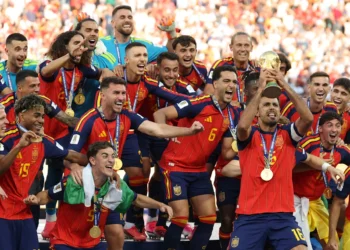
Spain’s victory at the 2026 FIFA World Cup has further cemented the country’s position as the undisputed powerhouse of international football. The triumph marked the latest chapter in an extraordinary period of success that has seen Spanish national teams collect an astonishing 16 major titles in just five years.
From youth competitions to senior tournaments, both the men’s and women’s national teams have consistently delivered silverware, highlighting a football system that has become the envy of the sporting world.
Rather than relying on a single golden generation, Spain has created a sustainable model that continues to produce technically gifted, tactically intelligent and mentally resilient players capable of succeeding on the biggest stages.

Spain’s latest World Cup success was more than another trophy—it symbolised years of careful planning and investment.
Defeating defending champions Argentina in the final demonstrated the team’s composure, tactical flexibility and confidence throughout the tournament.
Unlike previous eras built around a handful of superstar names, the current Spanish squad relies on collective strength.
Every player understands their role, allowing the team to adapt seamlessly regardless of the opponent.
The World Cup title has become another milestone in what is arguably the most successful period in Spanish football history.
One of Spain’s greatest strengths is the consistency of its success across multiple levels of international football.
Youth teams continue to win European and world championships, ensuring a steady supply of talented players ready for senior competition.
Rather than rebuilding after each generation retires, Spain simply promotes another wave of highly trained footballers.
This continuity has allowed the country to remain competitive year after year while many traditional football powers experience cycles of decline and recovery.
Spain’s dominance begins long before players reach the senior national team.
Professional academies across the country emphasise technical ability, intelligent decision-making and positional awareness from an early age.
Young footballers spend years developing ball control, passing accuracy and tactical understanding instead of relying solely on physical attributes.
The result is a production line of players capable of fitting naturally into Spain’s distinctive playing philosophy.
Clubs such as Barcelona, Real Madrid, Athletic Bilbao, Real Sociedad, Villarreal and others continue producing internationals who transition smoothly to elite competition.
One of the defining characteristics of modern Spanish football is its commitment to a clear identity.
Regardless of age group, players are encouraged to value possession, intelligent movement and collective teamwork.
While Spain has produced outstanding individual talents, the national team rarely depends entirely on one player.
Instead, the system enables every footballer to contribute within a structured tactical framework.
This philosophy has made Spain remarkably difficult to play against.
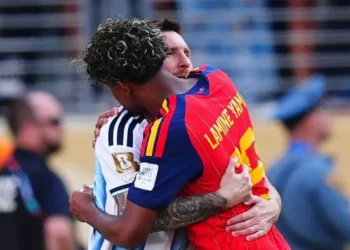
The emergence of players such as Lamine Yamal has captured global attention, but Spain’s success extends far beyond one individual.
The squad combines experienced leaders with fearless young talents who have already competed at the highest club level.
This balance between youth and experience has provided Spain with energy, creativity and composure throughout recent tournaments.
Importantly, younger players arrive already familiar with the tactical expectations of the national team.
Spain’s football federation has maintained remarkable consistency in coaching philosophy.
From youth teams through to the senior squads, coaches generally follow similar principles regarding possession, pressing and positional play.
This continuity reduces the learning curve for players progressing through the system.
Instead of adapting to completely different styles, they refine concepts they have already practiced for years.
Football experts often describe Spain as one of the best examples of long-term sporting planning.
La Liga continues to play an important role in Spain’s international success.
The league provides opportunities for young players to compete against world-class opposition while developing under experienced coaches.
Several Spanish clubs have become renowned for trusting academy graduates rather than relying exclusively on expensive transfers.
This commitment gives emerging players valuable first-team experience before they enter the national setup.
Strong domestic competition also raises overall standards across Spanish football.
Winning major tournaments requires more than technical quality.
Spain’s recent success has demonstrated exceptional mental resilience under pressure.
Whether protecting narrow leads, recovering from setbacks or performing in penalty shootouts, Spanish teams have consistently shown composure.
Players appear comfortable in high-pressure situations because many have already experienced major finals at youth or club level.
This confidence has become one of Spain’s greatest competitive advantages.
Spain’s sustained success has prompted many football federations to study its development model.
Countries around the world are examining Spanish coaching methods, academy structures and talent identification programmes.
While every nation has unique footballing traditions, Spain’s emphasis on technical excellence and long-term planning has become an influential blueprint.

The challenge for rivals is replicating a system that has taken decades to build.
With sixteen major international titles in just five years, Spain have established one of the most impressive periods of dominance the sport has witnessed.
The latest World Cup triumph is not the result of a temporary golden generation but the product of a carefully developed football culture built on youth development, tactical intelligence and collective identity.
As exciting talents continue to emerge and experienced leaders guide the next generation, Spain appear well positioned to remain a dominant force in world football for years to come.
For the rest of the footballing world, the challenge is no longer simply beating Spain—it is discovering how to match the remarkable system that has transformed the nation into the benchmark for international success.
Related News:
 Rising World Cup Ticket Prices Spark Concern
 Scotland Branded “Unprofessional” in World Cup Fallout as England Build Momentum
 Chinese Football Fans Embrace Referee as Unexpected World Cup Figure
 Referee Controversy Raises Questions Over FIFA’s Control of the World Cup
 Nike Charges Fans Most for World Cup Replica Shirts
 Saka Playing Through Pain As England World Cup Campaign Looms
 England Cruise Past Costa Rica as World Cup Warm-Up Sharpens Tuchel’s Vision
 ‘We all love him’: Henderson backs Bellingham for England success
 Can France Escape the Ghosts of their 2002 World Cup Nightmare?
 Deschamps Shields Mbappé From Fierce Political Storm
 Messi Equals World Cup Record In Masterclass Victory
 Erling Haaland Double Fires Norway To Victory On Debut
 Iran Files Official Fifa Complaint Over World Cup Travel
 Historic Victory for Canada as They Defeat Nine-Man Qatar
 Heartbreak for Canada as Koné Suffers Horrific Injury
 Declan Rice Facing Burnout as Tuchel Confronts Midfield Crisis
 Rodrygo Reflects On World Cup Pressure And Social Media
 How ‘Little Scotland’ Is Embracing the World Cup Spirit
 Cape Verde Hold Uruguay in Dramatic World Cup Clash
 World Cup 2026: Reclaiming the American Dream
 The Forgotten Hosts Making World Cup History Behind the Scenes
 Great Stories, Little Jeopardy – Does the New World Cup Format Really Work?
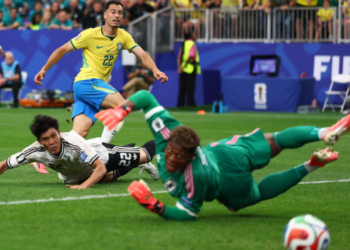 Martinelli Strikes Late as Brazil Edge Past Brave Japan
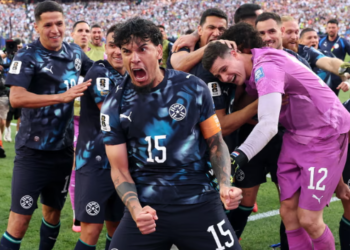 Paraguay Shock Germany in Historic Penalty Shootout
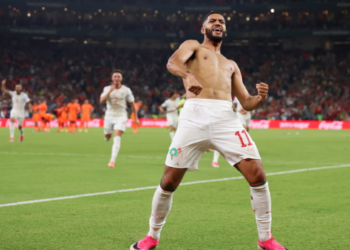 Morocco Beat Dutch in Wild World Cup Penalty Drama
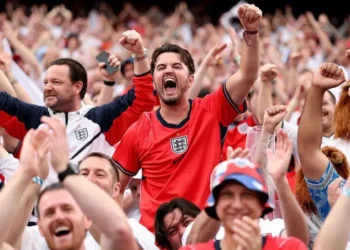 England Fans Praised for ‘Excellent’ Behaviour During World Cup Campaign
 France Dominate Sweden as Deschamps’ New Era Takes Shape
 Haaland Heroics Send Norway Into Historic Last 16 Knockout
 Kane Saves Tuchel as England Survive Dramatic Exit
 Ramos Sends Portugal into the Last 16
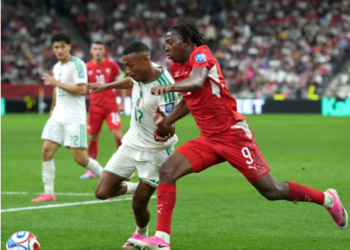 Swiss Star Manzambi Shines in World Cup Victory
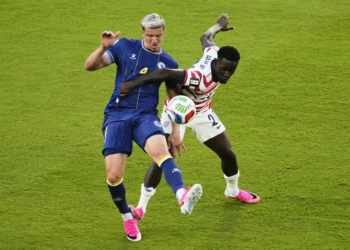 Trump Helps Clear Balogun for Belgium World Cup Clash
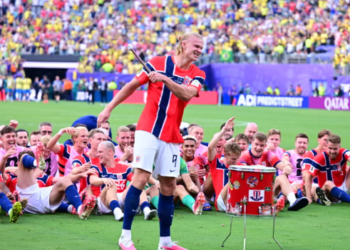 Norway’s Stunning World Cup Victory Over Brazil
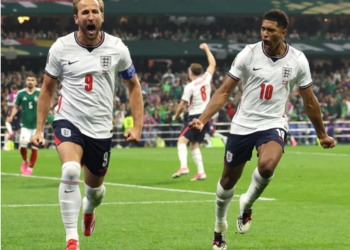 England Triumph in Azteca World Cup Thriller
 Trump’s Red-Card Intervention Hurts the US World Cup
 Trump Intervenes in Fifa World Cup Balogun Ban
 Haaland Makes History as England Prepare for Biggest Test
 England’s 10 Men Hold Firm in World Cup Thriller
 USA World Cup Heartbreak: Belgium Ends Their Dream
 Spanish Late Winner Sends Ronaldo Into Final Sunset
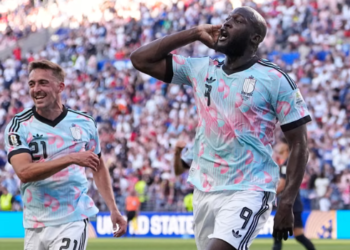 Belgium Thrashes USA After Red Card Controversy
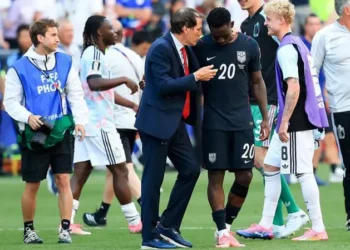 Balogun Drama Overshadows USA’s World Cup Exit
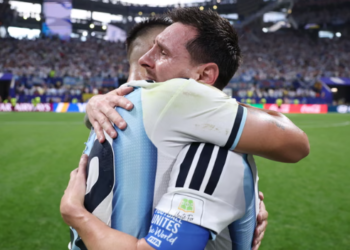 Messi’s Tears and Triumph in Epic World Cup Escape
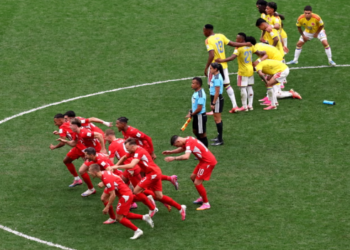 Switzerland Advance in Penalty Thriller
 Egyptian Fury After Argentina World Cup Heartbreak
 World Cup 2026 Power Rankings: England on the Rise
 Mbappé Brilliance Leads France Into Semi-Finals
 Belgium Draws Global Support Before Spain Showdown
 Golden Boot Battle Reaches World Cup Boiling Point
 Rollercoaster Semi-Final Leaves Fans Breathless
 Haaland and Bellingham: A Dortmund Bond Tested
 Rice Poised for England Semi-Final Clash Against Argentina
 Teamwork Over Talent: How Spain Outclassed France to Reach the World Cup Final
 Tuchel: England Ready for Historic Argentina Clash
 Tuchel Backs England Stars to Overcome Messi’s Argentina
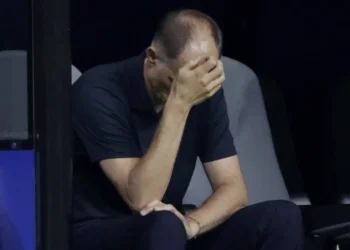 Argentina End England’s World Cup Dream With Semi-Final Victory
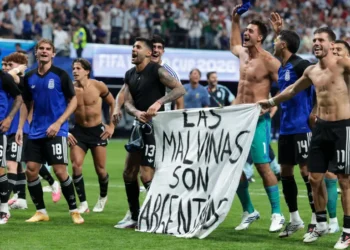 Argentina Face FIFA Investigation After Players Display Falklands Banner Following World Cup Victory
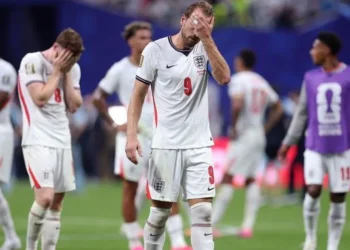 Did Thomas Tuchel’s Defensive Approach Cost England? Tactical Questions Emerge After World Cup Exit
 The Financial Winners and Losers From the World Cup
 England Missing Final Piece of Jigsaw Despite Progress, Says Kane
 Why You Should Care About the World Cup Third-Place Play-Off
 World Cup Stars Who Could Move This Summer
 Who Am I? Guess World Cup Star No 40 – The Mystery Player Captivating Football Fans
 Sir David Beckham Consoled by Victoria After Heartbreaking World Cup Defeat
 World Cup Rings for Winners as Trump Attendance Confirmed
 Thousands of Tickets Still Available for England v France Clash
 More Than 200 Countries Back Gianni Infantino for Fourth FIFA Term Despite Balogun Scandal
 Spain Defeat Argentina to Lift Second FIFA World Cup Title
 Lamine Yamal Crowns Remarkable Rise With World Cup Glory as Argentina’s Support for Messi Comes Under Fire
 Fans Bring Flags and Fire to World Cup Scenes
 11 EFL Stars Ready to Shine at World Cup
 Fans Invited to Share Scotland World Cup Stories
 Iran Team Arrives in Mexico Amid US Visa Dispute
 “My Drinking Days Are Over” — How to Enjoy an Alcohol-Free World Cup
 Football Regulator Contacts West Ham Over “Serious Allegations” Linked to Sullivan
 Tuchel’s England Mission Goes Beyond Football Success
 Trump Helps Clear Balogun for Belgium World Cup Clash
 Kane vs Haaland: Which Striker Would You Choose?
 Bryne Backs Haaland Before England World Cup Clash
 Lamine Yamal’s Birthday: Football, Fame, and France