Published: 15 July 2026 | The English Chronicle Desk | The English Chronicle Online
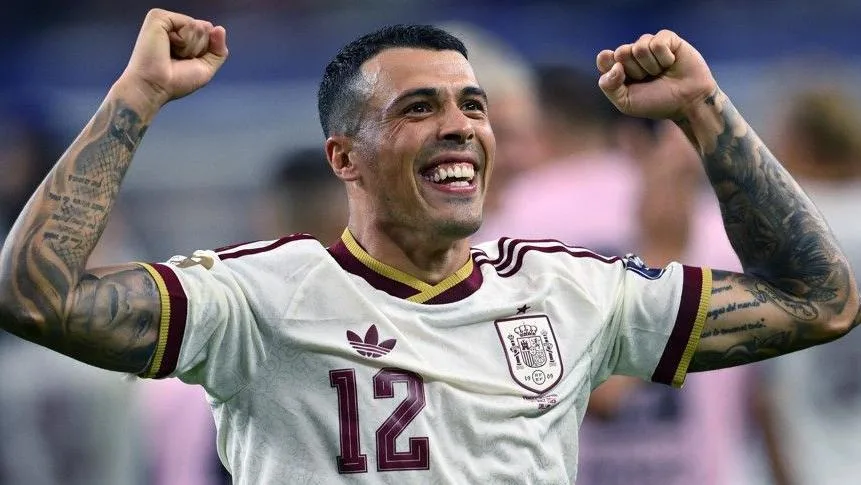
Spain’s victory over France in the 2026 FIFA World Cup semi-final was more than just an upset—it was a tactical masterclass that highlighted the enduring value of teamwork over individual brilliance. Facing one of the tournament favourites, packed with world-class stars across every position, Spain produced a disciplined, intelligent and technically superb performance to book their place in the World Cup final.
While France entered the contest boasting some of the biggest names in international football, it was Spain’s collective approach that ultimately proved decisive. Their victory demonstrated that a cohesive, well-drilled team can still overcome a squad filled with elite individual talent.
From the opening whistle, Spain showed remarkable confidence in their game plan. Rather than being intimidated by France’s attacking firepower, they focused on controlling possession, dicting the tempo and forcing their opponents to chase the ball.
Every Spanish player understood their role. Defenders calmly built attacks from the back, midfielders constantly rotated positions to create passing options, and forwards pressed relentlessly whenever possession was lost.
Instead of relying on one superstar, Spain attacked and defended as a single unit.

Their trademark passing football was on full display, but unlike previous Spanish teams that were sometimes criticised for excessive possession without penetration, this side combined patience with purpose.
Every passing sequence seemed designed to move France out of shape before launching a quick attack into the spaces that appeared.
France entered the semi-final with arguably the tournament’s strongest collection of individual players.
Their pace, athleticism and technical quality had overwhelmed opponents throughout the competition, leading many pundits to predict another appearance in the World Cup final.
However, Spain’s tactical discipline prevented France’s biggest stars from finding their usual rhythm.
Whenever France attempted to launch counterattacks, Spanish midfielders immediately closed passing lanes while defenders maintained excellent positional awareness.
Rather than diving into reckless challenges, Spain patiently forced France into wide areas where the danger could be managed more effectively.
The result was frustration.
France enjoyed moments of pressure but rarely managed to dominate the match in the way they had against previous opponents.
The decisive contest unfolded in midfield.
Spain’s midfield trio consistently outnumbered and outmanoeuvred their French counterparts through intelligent movement rather than physical strength.
Quick one-touch passing allowed Spain to escape pressure while maintaining control of possession.
Whenever France pressed aggressively, Spain calmly played through the pressure instead of resorting to long clearances.
This ability to retain possession gradually drained France’s energy.
As the match progressed, French players were forced to spend increasing amounts of time chasing the ball instead of attacking with it.
The psychological effect became just as important as the tactical one.
Spain grew in confidence with every successful passing sequence, while France became increasingly impatient.
One of Spain’s greatest strengths throughout the tournament has been their organised pressing.
Against France, that strategy reached another level.
Rather than pressing individually, Spain hunted in coordinated groups.
As soon as France attempted to play out from defence, multiple Spanish players immediately surrounded the ball carrier while cutting off passing options.
This forced France into hurried decisions and uncharacteristic mistakes.
Winning possession high up the pitch also reduced the distance Spain needed to travel before creating scoring opportunities.
It was a relentless display of modern football, where every player contributed defensively regardless of position.
Although Spain controlled much of the match, they were fully aware that France possessed the quality to score from almost any situation.
That awareness was reflected in their outstanding defensive organisation.
The back line remained compact throughout, rarely allowing large gaps to develop.
Full-backs balanced their attacking ambitions with defensive responsibilities, ensuring France’s dangerous wide players were never given too much space.
The central defenders communicated constantly, dealing confidently with crosses, through balls and set pieces.
Behind them, the goalkeeper provided reassurance with several important interventions whenever France threatened.
The clean defensive structure meant France were often restricted to speculative efforts rather than clear-cut chances.
Another reason behind Spain’s success was their willingness to adapt.
Unlike previous generations known for rigid possession football, this team demonstrated impressive tactical flexibility.
At times they slowed the game to frustrate France.
On other occasions they attacked with pace, exploiting spaces left behind as France committed players forward.
When defending a lead, Spain resisted the temptation to retreat too deeply.
Instead, they continued pressing selectively, preventing France from building sustained momentum.
Their balance between attack and defence remained intact until the final whistle.
Spain’s victory also reflected the success of their player development system.
A new generation of technically gifted footballers has emerged, blending youthful energy with tactical maturity.
Rather than depending on one iconic figure, this squad has developed a collective identity where every player contributes to the overall strategy.
Several younger players displayed remarkable composure despite the enormous pressure of a World Cup semi-final.
Experienced leaders also played a vital role, helping maintain concentration during France’s periods of pressure.
The combination created one of Spain’s most balanced international teams in recent years.
For France, elimination represents a disappointing conclusion to an otherwise outstanding tournament.
The squad possessed exceptional quality throughout, yet individual brilliance alone proved insufficient against Spain’s superior organisation.
Football analysts are likely to debate whether tactical adjustments could have changed the outcome.
Some may question France’s midfield structure, while others may argue that Spain simply executed their game plan to near perfection.
Regardless of those discussions, France remain among the world’s elite football nations and possess a squad capable of competing for major honours for many years to come.
Spain now advance to the World Cup final full of confidence.

Defeating one of the tournament favourites has strengthened belief within the squad that another world title is within reach.
Their journey has been built not on individual heroics but on collective intelligence, tactical discipline and unwavering teamwork.
In an era often dominated by superstar footballers and individual statistics, Spain’s victory served as a reminder that football remains the ultimate team sport.
Against one of the most talented squads in world football, Spain demonstrated that organisation, trust and unity can still overcome even the brightest collection of individual stars.
If they reproduce the same level of performance in the final, Spain will have every reason to believe they can complete a remarkable World Cup campaign and once again stand at the summit of world football.
Related News:
 Rising World Cup Ticket Prices Spark Concern
 Scotland Branded “Unprofessional” in World Cup Fallout as England Build Momentum
 Chinese Football Fans Embrace Referee as Unexpected World Cup Figure
 Referee Controversy Raises Questions Over FIFA’s Control of the World Cup
 Nike Charges Fans Most for World Cup Replica Shirts
 Saka Playing Through Pain As England World Cup Campaign Looms
 England Cruise Past Costa Rica as World Cup Warm-Up Sharpens Tuchel’s Vision
 ‘We all love him’: Henderson backs Bellingham for England success
 Can France Escape the Ghosts of their 2002 World Cup Nightmare?
 Deschamps Shields Mbappé From Fierce Political Storm
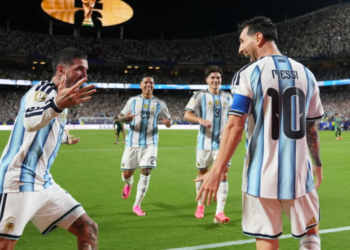 Messi Equals World Cup Record In Masterclass Victory
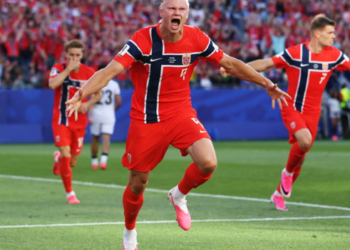 Erling Haaland Double Fires Norway To Victory On Debut
 Iran Files Official Fifa Complaint Over World Cup Travel
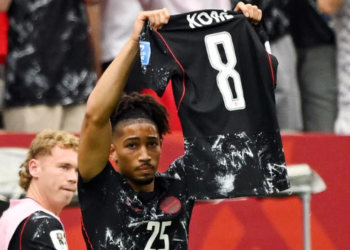 Historic Victory for Canada as They Defeat Nine-Man Qatar
 Heartbreak for Canada as Koné Suffers Horrific Injury
 Declan Rice Facing Burnout as Tuchel Confronts Midfield Crisis
 Rodrygo Reflects On World Cup Pressure And Social Media
 How ‘Little Scotland’ Is Embracing the World Cup Spirit
 Cape Verde Hold Uruguay in Dramatic World Cup Clash
 World Cup 2026: Reclaiming the American Dream
 The Forgotten Hosts Making World Cup History Behind the Scenes
 Great Stories, Little Jeopardy – Does the New World Cup Format Really Work?
 Martinelli Strikes Late as Brazil Edge Past Brave Japan
 Paraguay Shock Germany in Historic Penalty Shootout
 Morocco Beat Dutch in Wild World Cup Penalty Drama
 England Fans Praised for ‘Excellent’ Behaviour During World Cup Campaign
 France Dominate Sweden as Deschamps’ New Era Takes Shape
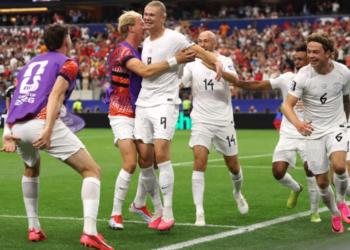 Haaland Heroics Send Norway Into Historic Last 16 Knockout
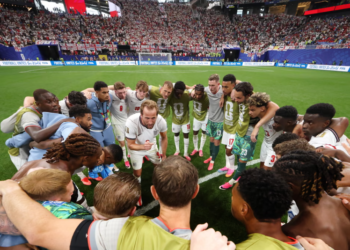 Kane Saves Tuchel as England Survive Dramatic Exit
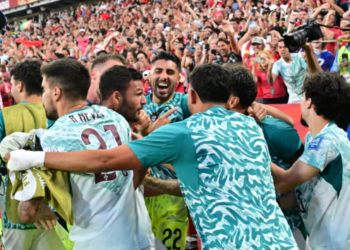 Ramos Sends Portugal into the Last 16
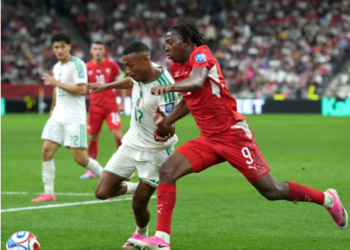 Swiss Star Manzambi Shines in World Cup Victory
 Trump Helps Clear Balogun for Belgium World Cup Clash
 Norway’s Stunning World Cup Victory Over Brazil
 England Triumph in Azteca World Cup Thriller
 Trump’s Red-Card Intervention Hurts the US World Cup
 Trump Intervenes in Fifa World Cup Balogun Ban
 Haaland Makes History as England Prepare for Biggest Test
 England’s 10 Men Hold Firm in World Cup Thriller
 USA World Cup Heartbreak: Belgium Ends Their Dream
 Spanish Late Winner Sends Ronaldo Into Final Sunset
 Belgium Thrashes USA After Red Card Controversy
 Balogun Drama Overshadows USA’s World Cup Exit
 Messi’s Tears and Triumph in Epic World Cup Escape
 Switzerland Advance in Penalty Thriller
 Egyptian Fury After Argentina World Cup Heartbreak
 World Cup 2026 Power Rankings: England on the Rise
 Mbappé Brilliance Leads France Into Semi-Finals
 Belgium Draws Global Support Before Spain Showdown
 Golden Boot Battle Reaches World Cup Boiling Point
 Rollercoaster Semi-Final Leaves Fans Breathless
 Haaland and Bellingham: A Dortmund Bond Tested
 Rice Poised for England Semi-Final Clash Against Argentina
 Southgate Calls for Different Approach to Boys
 Fans Bring Flags and Fire to World Cup Scenes
 11 EFL Stars Ready to Shine at World Cup
 Arsenal Trio Named on Player of the Year List
 Fans Invited to Share Scotland World Cup Stories
 Iran Team Arrives in Mexico Amid US Visa Dispute
 “My Drinking Days Are Over” — How to Enjoy an Alcohol-Free World Cup
 Kane Enters Ballon d’Or Debate After Bayern Form, but World Cup Seen as Decisive Factor
 Football Regulator Contacts West Ham Over “Serious Allegations” Linked to Sullivan
 Football Hopes to Outshine World Cup Drama in Mexico
 Inside the Three Lions: Bellingham Reveals Euro 2024 Flaws
 Chaos and Celebration at the Historic Azteca Stadium
 Tuchel’s England Mission Goes Beyond Football Success
 New Premier League Fixtures Set Stage for Thrilling Season
 Pampered, Protected and Primed – So Why Didn’t Scotland’s Players Perform?
 Tuchel Set to Retain Southgate’s Penalty Strategy as England Focus on Tournament Success
 US Advance Past Bosnia in World Cup Thriller
 Pubs Granted Permission to Stay Open Until 5am for England’s World Cup Clash with Mexico
 Taylor Swift and Travis Kelce Marry at Madison Square Garden
 Paul Seixas: French Cycling’s Teenage Hope at the Tour
 Trump Helps Clear Balogun for Belgium World Cup Clash
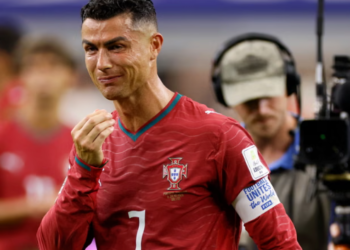 Ronaldo Says Farewell to the World Cup Stage
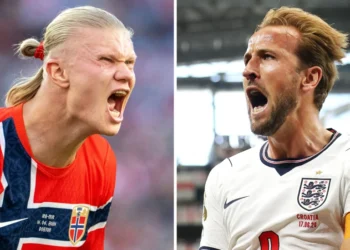 Kane vs Haaland: Which Striker Would You Choose?
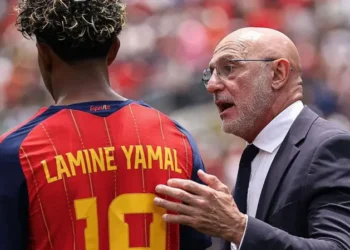 De la Fuente’s Spain Eye History Through Unity
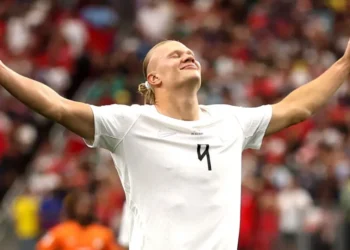 Haaland’s Two Worlds Meet on Football’s Biggest Stage
 Bryne Backs Haaland Before England World Cup Clash
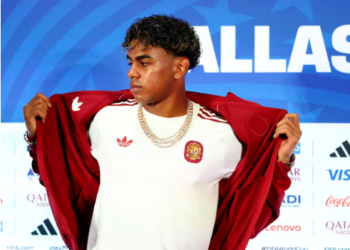 Lamine Yamal’s Birthday: Football, Fame, and France
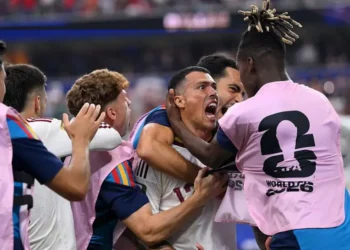 Spain Shock France to Reach World Cup Final