Published: 17 July 2026 | The English Chronicle Desk | The English Chronicle Online
The World Cup is one of the biggest sporting events on the planet, generating billions of pounds in revenue and creating major financial opportunities for countries, businesses, players and broadcasters.
While fans focus on goals, trophies and unforgettable moments on the pitch, the tournament also creates a complex economic landscape filled with winners and losers.
From host nations benefiting from tourism and infrastructure investment to businesses hoping to capitalise on global attention, the financial impact of the World Cup extends far beyond the stadiums.
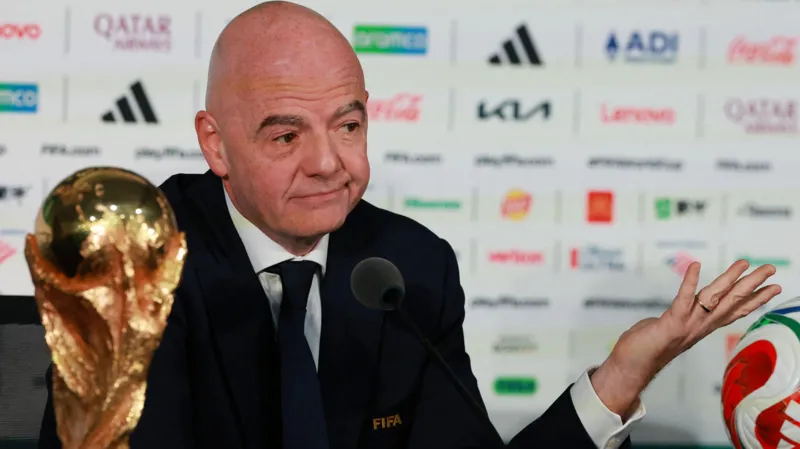
At the centre of the World Cup economy is FIFA, football’s global governing body.
The tournament generates enormous income through broadcasting rights, sponsorship agreements, commercial partnerships and hospitality packages.
For FIFA, the World Cup is its most valuable asset and a major source of funding for its global football programmes.

The organisation earns billions from media companies competing for the rights to show matches across the world.
Corporate sponsors also invest heavily to associate their brands with the tournament’s global audience, making the World Cup one of the most attractive marketing platforms in international sport.
Television networks and streaming platforms are among the major financial beneficiaries of the tournament.
Millions of fans watch matches live, creating huge demand for broadcasting rights and advertising opportunities.
Broadcasters can generate significant revenue through commercial breaks, sponsorship packages and subscription growth.
The biggest matches, particularly those involving football’s most popular nations, attract enormous audiences and provide valuable opportunities for media companies.
However, broadcasters also face challenges, including the high cost of securing rights and competition from changing viewing habits.
Countries hosting the World Cup often expect significant financial benefits.
The tournament can bring millions of visitors, increase spending in hotels, restaurants, transport services and local businesses, and create global exposure for the host nation.
Major infrastructure projects, including stadiums, transport networks and public facilities, can leave a long-term legacy.
Governments often argue that hosting the tournament can support economic development and create employment opportunities.
However, the financial reality is more complicated.
While the World Cup can generate income, hosting the tournament requires enormous investment.
Building or renovating stadiums, improving transport systems and managing security operations can cost billions.
Critics argue that some host nations struggle to recover these expenses, especially when expensive facilities have limited use after the tournament ends.
Economists have frequently debated whether the long-term benefits justify the public spending required.
The financial success of hosting depends on factors such as tourism growth, infrastructure planning and how effectively venues are used after the event.
Small businesses in host cities often benefit from increased activity during the tournament.
Hotels, restaurants, bars, transport companies and retailers can experience a surge in demand as supporters travel to watch matches.
Local businesses also benefit from international exposure, with visitors discovering destinations they may not have previously considered.
For many communities, the World Cup provides a temporary economic boost and an opportunity to showcase local culture.
However, businesses outside host areas may see limited benefits.
National football associations can also benefit financially from World Cup success.
Teams receive prize money based on their progress in the competition, with deeper runs generally bringing greater financial rewards.
Successful performances can increase sponsorship opportunities, merchandise sales and future commercial partnerships.
Players can also benefit through improved market value, endorsement deals and increased global recognition.
A strong World Cup performance can transform the careers of individual footballers.
For some players, the World Cup provides a platform to achieve international fame and secure lucrative contracts.
A standout tournament can significantly increase a player’s transfer value and attract interest from major clubs.
However, clubs may face financial challenges when their players participate.
International tournaments create injury risks, and football clubs may lose key players during important periods of the season.
Although clubs often receive compensation for releasing players, injuries can still have significant sporting and financial consequences.
Major brands see the World Cup as a powerful marketing opportunity.
Companies invest heavily in sponsorship because the tournament provides access to a worldwide audience.
Successful campaigns can increase brand recognition, customer engagement and sales.
However, sponsorship does not guarantee success.
Companies must compete for attention during a tournament filled with advertising from global rivals.
Brands associated with successful teams or memorable moments often gain the greatest commercial rewards.
The travel and tourism sectors are among the industries most affected by the World Cup.
Supporters travelling internationally spend money on flights, accommodation, food and entertainment.
Host cities often experience increased hotel bookings and higher demand for local services.
The tournament can also encourage future tourism by introducing international audiences to destinations.
However, economic benefits may be uneven, with some areas experiencing significant growth while others see little change.
While many organisations profit from the World Cup, supporters often face increasing costs.
Ticket prices, travel expenses, accommodation and merchandise can make attending matches increasingly expensive.
Even watching from home may involve subscription fees or additional broadcasting costs.
Football supporters have raised concerns that major tournaments are becoming less accessible to ordinary fans.
The impact on workers and local communities can vary depending on how tournaments are organised.
Large events can create temporary employment opportunities in construction, hospitality and event management.
However, critics argue that workers must receive fair conditions and that communities should benefit from long-term improvements rather than short-term economic activity.
Questions about labour standards and public spending have been central to debates surrounding major sporting events.
The World Cup demonstrates the enormous commercial power of football.

It connects governments, businesses, broadcasters, athletes and supporters in a global financial network.
For some, the tournament creates wealth, opportunities and international recognition.
For others, the costs and challenges can outweigh the benefits.
As football continues to grow as a global industry, the financial impact of the World Cup will remain a major topic of debate.
Future tournaments will face questions about sustainability, affordability and whether economic benefits are being shared fairly.
The World Cup will continue to be a celebration of sport, but behind the competition lies a vast financial system where billions are earned, spent and invested.
For FIFA, broadcasters, sponsors and successful teams, the tournament can deliver enormous rewards.
For host nations, supporters and local communities, the challenge is ensuring that those benefits extend beyond the final whistle.
Related News:
 Rising World Cup Ticket Prices Spark Concern
 Scotland Branded “Unprofessional” in World Cup Fallout as England Build Momentum
 Chinese Football Fans Embrace Referee as Unexpected World Cup Figure
 Referee Controversy Raises Questions Over FIFA’s Control of the World Cup
 Nike Charges Fans Most for World Cup Replica Shirts
 Saka Playing Through Pain As England World Cup Campaign Looms
 England Cruise Past Costa Rica as World Cup Warm-Up Sharpens Tuchel’s Vision
 ‘We all love him’: Henderson backs Bellingham for England success
 Can France Escape the Ghosts of their 2002 World Cup Nightmare?
 Deschamps Shields Mbappé From Fierce Political Storm
 Messi Equals World Cup Record In Masterclass Victory
 Erling Haaland Double Fires Norway To Victory On Debut
 Iran Files Official Fifa Complaint Over World Cup Travel
 Historic Victory for Canada as They Defeat Nine-Man Qatar
 Heartbreak for Canada as Koné Suffers Horrific Injury
 Declan Rice Facing Burnout as Tuchel Confronts Midfield Crisis
 Rodrygo Reflects On World Cup Pressure And Social Media
 How ‘Little Scotland’ Is Embracing the World Cup Spirit
 Cape Verde Hold Uruguay in Dramatic World Cup Clash
 World Cup 2026: Reclaiming the American Dream
 The Forgotten Hosts Making World Cup History Behind the Scenes
 Great Stories, Little Jeopardy – Does the New World Cup Format Really Work?
 Martinelli Strikes Late as Brazil Edge Past Brave Japan
 Paraguay Shock Germany in Historic Penalty Shootout
 Morocco Beat Dutch in Wild World Cup Penalty Drama
 England Fans Praised for ‘Excellent’ Behaviour During World Cup Campaign
 France Dominate Sweden as Deschamps’ New Era Takes Shape
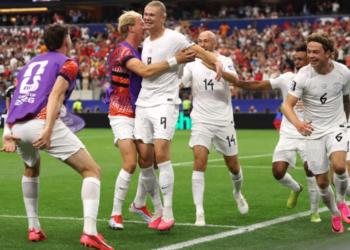 Haaland Heroics Send Norway Into Historic Last 16 Knockout
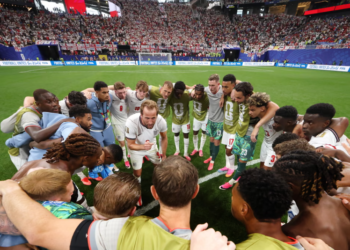 Kane Saves Tuchel as England Survive Dramatic Exit
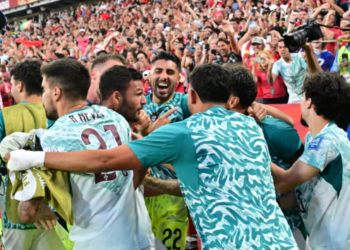 Ramos Sends Portugal into the Last 16
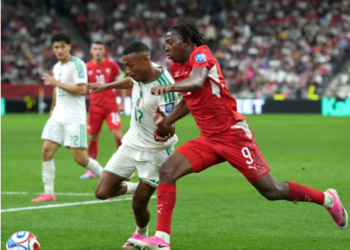 Swiss Star Manzambi Shines in World Cup Victory
 Trump Helps Clear Balogun for Belgium World Cup Clash
 Norway’s Stunning World Cup Victory Over Brazil
 England Triumph in Azteca World Cup Thriller
 Trump’s Red-Card Intervention Hurts the US World Cup
 Trump Intervenes in Fifa World Cup Balogun Ban
 Haaland Makes History as England Prepare for Biggest Test
 England’s 10 Men Hold Firm in World Cup Thriller
 USA World Cup Heartbreak: Belgium Ends Their Dream
 Spanish Late Winner Sends Ronaldo Into Final Sunset
 Belgium Thrashes USA After Red Card Controversy
 Balogun Drama Overshadows USA’s World Cup Exit
 Messi’s Tears and Triumph in Epic World Cup Escape
 Switzerland Advance in Penalty Thriller
 Egyptian Fury After Argentina World Cup Heartbreak
 World Cup 2026 Power Rankings: England on the Rise
 Mbappé Brilliance Leads France Into Semi-Finals
 Belgium Draws Global Support Before Spain Showdown
 Golden Boot Battle Reaches World Cup Boiling Point
 Rollercoaster Semi-Final Leaves Fans Breathless
 Haaland and Bellingham: A Dortmund Bond Tested
 Rice Poised for England Semi-Final Clash Against Argentina
 Teamwork Over Talent: How Spain Outclassed France to Reach the World Cup Final
 Tuchel: England Ready for Historic Argentina Clash
 Tuchel Backs England Stars to Overcome Messi’s Argentina
 Argentina End England’s World Cup Dream With Semi-Final Victory
 Argentina Face FIFA Investigation After Players Display Falklands Banner Following World Cup Victory
 Did Thomas Tuchel’s Defensive Approach Cost England? Tactical Questions Emerge After World Cup Exit
 England Missing Final Piece of Jigsaw Despite Progress, Says Kane
 Why You Should Care About the World Cup Third-Place Play-Off
 World Cup Stars Who Could Move This Summer
 Who Am I? Guess World Cup Star No 40 – The Mystery Player Captivating Football Fans
 Sir David Beckham Consoled by Victoria After Heartbreaking World Cup Defeat
 World Cup Rings for Winners as Trump Attendance Confirmed
 Southgate Calls for Different Approach to Boys
 Fans Bring Flags and Fire to World Cup Scenes
 11 EFL Stars Ready to Shine at World Cup
 Fans Invited to Share Scotland World Cup Stories
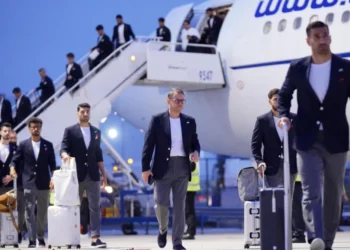 Iran Team Arrives in Mexico Amid US Visa Dispute
 “My Drinking Days Are Over” — How to Enjoy an Alcohol-Free World Cup
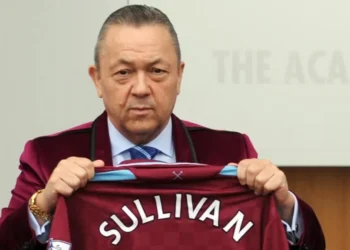 Football Regulator Contacts West Ham Over “Serious Allegations” Linked to Sullivan
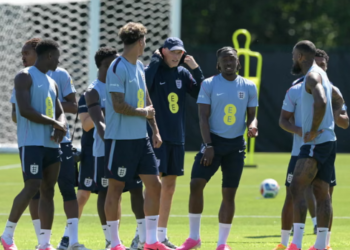 Tuchel’s England Mission Goes Beyond Football Success
 US Advance Past Bosnia in World Cup Thriller
 Paul Seixas: French Cycling’s Teenage Hope at the Tour
 Trump Helps Clear Balogun for Belgium World Cup Clash
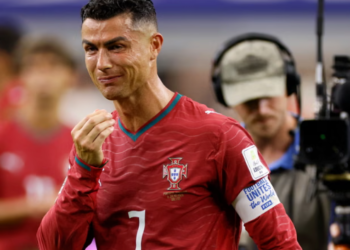 Ronaldo Says Farewell to the World Cup Stage
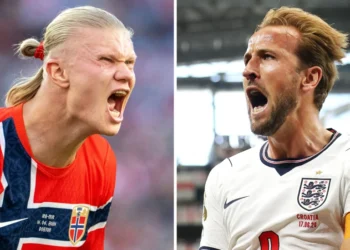 Kane vs Haaland: Which Striker Would You Choose?
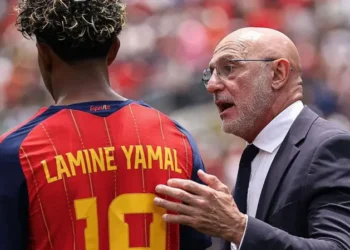 De la Fuente’s Spain Eye History Through Unity
 Bryne Backs Haaland Before England World Cup Clash
 Lamine Yamal’s Birthday: Football, Fame, and France