Published: 15 July 2026 | The English Chronicle Desk | The English Chronicle Online
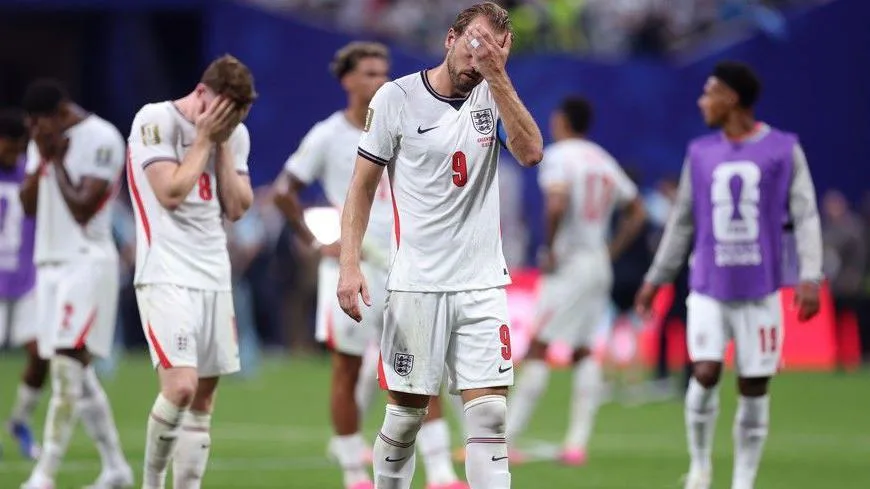
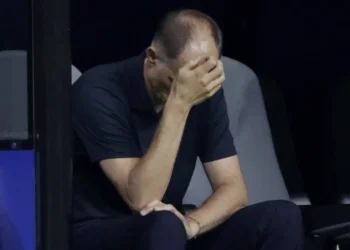
England’s World Cup campaign came to a painful end with a semi-final defeat to Argentina, but much of the post-match discussion has centred not only on the result but also on the tactical decisions made by head coach Thomas Tuchel.
Critics and former players have questioned whether England adopted an overly cautious game plan that allowed Argentina to dictate the tempo of the match. Terms such as “passive,” “conservative” and “crumbled under pressure” have dominated post-match analysis, with many arguing that England abandoned the attacking identity that had carried them through earlier rounds of the tournament.
While Tuchel defended his tactical choices, football analysts remain divided over whether a more adventurous approach could have changed the outcome.
England entered the semi-final with confidence after an impressive run to the last four, combining disciplined defending with effective attacking football.

However, against Argentina, the team’s approach appeared noticeably different.
Rather than pressing aggressively high up the pitch, England often retreated into a compact defensive shape, allowing Argentina extended periods of possession.
The strategy initially appeared designed to frustrate the South American side and create opportunities through quick counter-attacks.
For much of the opening stages, England remained organised, but their reluctance to press high allowed Argentina to settle into the match.
As confidence grew within the Argentine midfield, England increasingly found themselves defending deep inside their own half.
Football is often decided by which team controls space rather than simply possession, and Argentina gradually dominated both.
Their midfield dictated the rhythm of the contest, moving the ball patiently while forcing England’s players to chase without creating meaningful pressure.
England’s defensive block became stretched as players spent long periods without the ball.
Once Argentina broke through the defensive line to score the opening goal, England’s tactical plan immediately came under greater strain.
Instead of forcing Argentina onto the back foot, England now faced the difficult challenge of attacking against one of the tournament’s strongest defensive teams.
One of the biggest criticisms after the match was England’s lack of aggression without possession.
Several pundits argued that the team defended reactively rather than proactively.
Instead of attempting to win the ball high up the pitch, England frequently waited for Argentina to advance before engaging.
This allowed Argentina’s defenders and midfielders time to build attacks comfortably.
Analysts noted that successful international teams often combine defensive organisation with coordinated pressing to disrupt opponents before dangerous attacks develop.
England, by contrast, rarely sustained pressure long enough to force mistakes.
The result was long periods in which Argentina controlled both possession and momentum.
Perhaps the most decisive tactical contest occurred in midfield.
England struggled to prevent Argentina from progressing through central areas, allowing their opponents to control passing sequences and dictate the pace of play.
Without regular possession, England’s attacking players became increasingly isolated.
When opportunities to counter-attack did emerge, support often arrived too slowly, making it difficult to create clear scoring chances.
Several former internationals suggested England needed greater numbers in midfield earlier in the match to compete more effectively for control.
Thomas Tuchel has built his coaching reputation on tactical discipline, defensive structure and adaptability.
Throughout his club career, those qualities have delivered significant success, including league titles and European trophies.
However, international tournaments often demand a different balance between defensive security and attacking ambition.
Some observers believe England’s talented attacking players were restricted by an overly cautious system.
Others argue that Tuchel simply respected the quality of Argentina and sought to minimise defensive risks.
The debate reflects the difficult balance every international coach faces when preparing for knockout football.
Supporters questioning the tactics point to England’s performances earlier in the tournament.
The team frequently looked most dangerous when pressing aggressively, moving the ball quickly and committing players forward.
Against Argentina, those characteristics were less visible.
Some analysts believe England should have increased the intensity after falling behind instead of maintaining a relatively measured approach.
Others argue that Argentina’s defensive organisation made such adjustments extremely difficult regardless of tactical intentions.
Football rarely offers certainty, making it impossible to know whether a more attacking strategy would have produced a different result.
While tactical decisions naturally attract attention after defeat, many experts caution against placing all responsibility on the coach.
Several players failed to perform at their usual level during key moments of the match.
England also missed important chances that could have changed the momentum before Argentina established control.
Individual mistakes, missed opportunities and the quality of the opposition all contributed to the final outcome.
As many former managers have noted, tactics can create opportunities, but players must still execute them under immense pressure.
Despite the disappointment, England’s run to the World Cup semi-finals demonstrated the strength of the current squad.
A number of younger players gained valuable experience competing on football’s biggest stage and are expected to remain central figures for years to come.
For Tuchel and his coaching staff, the tournament offers important lessons about balancing defensive organisation with attacking freedom.
International football continues evolving, with many successful teams combining structured defending and aggressive pressing rather than relying exclusively on one approach.
England may seek greater tactical flexibility in future competitions, particularly against elite opponents capable of dominating possession.

As England begins analysing its World Cup campaign, discussion surrounding Tuchel’s tactical choices is unlikely to disappear soon.
Supporters remain divided between those who believe defensive caution was necessary against Argentina and those who feel England surrendered the initiative too easily.
Ultimately, knockout football often turns on fine margins.
A single goal, one tactical adjustment or one missed opportunity can dramatically alter a match’s narrative.
Whether Tuchel’s defensive strategy cost England a place in the World Cup final will remain a matter of opinion, but the semi-final has undoubtedly sparked important questions about how one of the world’s most talented squads should approach football’s biggest occasions.
For England, the focus will now shift from disappointment to preparation, with hopes that the lessons learned from this defeat can provide the foundation for future success on the international stage.
Related News:
 Rising World Cup Ticket Prices Spark Concern
 Scotland Branded “Unprofessional” in World Cup Fallout as England Build Momentum
 Chinese Football Fans Embrace Referee as Unexpected World Cup Figure
 Referee Controversy Raises Questions Over FIFA’s Control of the World Cup
 Nike Charges Fans Most for World Cup Replica Shirts
 Saka Playing Through Pain As England World Cup Campaign Looms
 England Cruise Past Costa Rica as World Cup Warm-Up Sharpens Tuchel’s Vision
 ‘We all love him’: Henderson backs Bellingham for England success
 Can France Escape the Ghosts of their 2002 World Cup Nightmare?
 Deschamps Shields Mbappé From Fierce Political Storm
 Messi Equals World Cup Record In Masterclass Victory
 Erling Haaland Double Fires Norway To Victory On Debut
 Iran Files Official Fifa Complaint Over World Cup Travel
 Historic Victory for Canada as They Defeat Nine-Man Qatar
 Heartbreak for Canada as Koné Suffers Horrific Injury
 Declan Rice Facing Burnout as Tuchel Confronts Midfield Crisis
 Rodrygo Reflects On World Cup Pressure And Social Media
 How ‘Little Scotland’ Is Embracing the World Cup Spirit
 Cape Verde Hold Uruguay in Dramatic World Cup Clash
 World Cup 2026: Reclaiming the American Dream
 The Forgotten Hosts Making World Cup History Behind the Scenes
 Great Stories, Little Jeopardy – Does the New World Cup Format Really Work?
 Martinelli Strikes Late as Brazil Edge Past Brave Japan
 Paraguay Shock Germany in Historic Penalty Shootout
 Morocco Beat Dutch in Wild World Cup Penalty Drama
 England Fans Praised for ‘Excellent’ Behaviour During World Cup Campaign
 France Dominate Sweden as Deschamps’ New Era Takes Shape
 Haaland Heroics Send Norway Into Historic Last 16 Knockout
 Kane Saves Tuchel as England Survive Dramatic Exit
 Ramos Sends Portugal into the Last 16
 Swiss Star Manzambi Shines in World Cup Victory
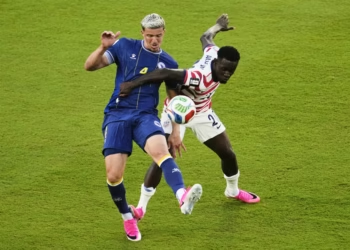 Trump Helps Clear Balogun for Belgium World Cup Clash
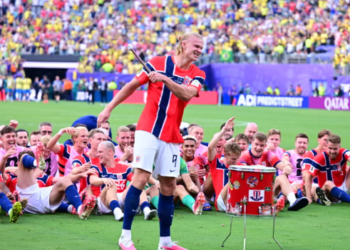 Norway’s Stunning World Cup Victory Over Brazil
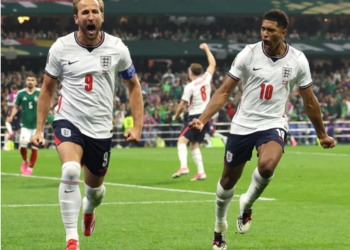 England Triumph in Azteca World Cup Thriller
 Trump’s Red-Card Intervention Hurts the US World Cup
 Trump Intervenes in Fifa World Cup Balogun Ban
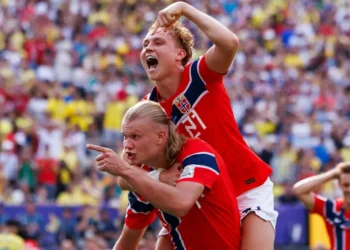 Haaland Makes History as England Prepare for Biggest Test
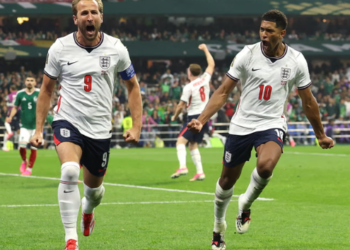 England’s 10 Men Hold Firm in World Cup Thriller
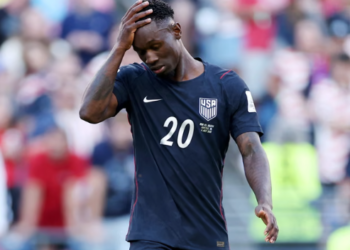 USA World Cup Heartbreak: Belgium Ends Their Dream
 Spanish Late Winner Sends Ronaldo Into Final Sunset
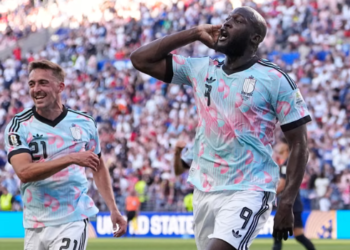 Belgium Thrashes USA After Red Card Controversy
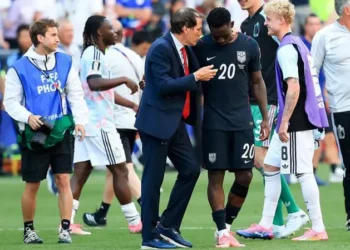 Balogun Drama Overshadows USA’s World Cup Exit
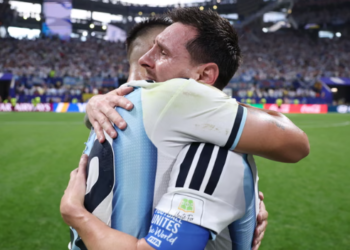 Messi’s Tears and Triumph in Epic World Cup Escape
 Switzerland Advance in Penalty Thriller
 Egyptian Fury After Argentina World Cup Heartbreak
 World Cup 2026 Power Rankings: England on the Rise
 Mbappé Brilliance Leads France Into Semi-Finals
 Belgium Draws Global Support Before Spain Showdown
 Golden Boot Battle Reaches World Cup Boiling Point
 Rollercoaster Semi-Final Leaves Fans Breathless
 Haaland and Bellingham: A Dortmund Bond Tested
 Rice Poised for England Semi-Final Clash Against Argentina
 Teamwork Over Talent: How Spain Outclassed France to Reach the World Cup Final
 Tuchel: England Ready for Historic Argentina Clash
 Tuchel Backs England Stars to Overcome Messi’s Argentina
 Argentina End England’s World Cup Dream With Semi-Final Victory
 Argentina Face FIFA Investigation After Players Display Falklands Banner Following World Cup Victory
 Southgate Calls for Different Approach to Boys
 Fans Bring Flags and Fire to World Cup Scenes
 11 EFL Stars Ready to Shine at World Cup
 Arsenal Trio Named on Player of the Year List
 Fans Invited to Share Scotland World Cup Stories
 Iran Team Arrives in Mexico Amid US Visa Dispute
 “My Drinking Days Are Over” — How to Enjoy an Alcohol-Free World Cup
 Kane Enters Ballon d’Or Debate After Bayern Form, but World Cup Seen as Decisive Factor
 Football Regulator Contacts West Ham Over “Serious Allegations” Linked to Sullivan
 Inside the Three Lions: Bellingham Reveals Euro 2024 Flaws
 Tuchel’s England Mission Goes Beyond Football Success
 New Premier League Fixtures Set Stage for Thrilling Season
 Tuchel Set to Retain Southgate’s Penalty Strategy as England Focus on Tournament Success
 US Advance Past Bosnia in World Cup Thriller
 Paul Seixas: French Cycling’s Teenage Hope at the Tour
 Trump Helps Clear Balogun for Belgium World Cup Clash
 Ronaldo Says Farewell to the World Cup Stage
 Kane vs Haaland: Which Striker Would You Choose?
 De la Fuente’s Spain Eye History Through Unity
 Haaland’s Two Worlds Meet on Football’s Biggest Stage
 Bryne Backs Haaland Before England World Cup Clash
 Lamine Yamal’s Birthday: Football, Fame, and France
 Spain Shock France to Reach World Cup Final