Published: 03 August 2026 | The English Chronicle Desk | The English Chronicle Online
Glasgow has been widely praised for delivering a successful edition of the Commonwealth Games as the ceremonial baton officially passed to Ahmedabad, India, marking the beginning of preparations for the next chapter of one of the world’s largest multi-sport events.
The closing ceremony celebrated not only the achievements of athletes from across the Commonwealth but also the resilience of Glasgow, which stepped forward to host the Games under challenging circumstances. Sporting leaders, athletes and officials commended the Scottish city for organising a memorable tournament that exceeded expectations despite financial and logistical pressures.
Attention now turns to Ahmedabad, where organisers have pledged to build on Glasgow’s success while delivering an ambitious Games that showcase India’s growing status as a global sporting destination.
When Glasgow agreed to host the Commonwealth Games once again, many viewed the decision as both ambitious and necessary.
The city accepted the responsibility during a period when uncertainty surrounded the future of the event, with concerns about rising hosting costs, infrastructure demands and the willingness of cities to stage major international sporting competitions.
Despite those challenges, Glasgow drew upon its previous experience of hosting the Games to deliver an event praised for efficient organisation, enthusiastic crowds and a strong sporting atmosphere.
Officials said the city demonstrated that major sporting events can still succeed without excessive spending or large-scale construction projects.
Its approach has been widely viewed as a potential model for future hosts facing similar financial realities.
Throughout the competition, athletes from across the Commonwealth produced memorable performances in athletics, swimming, cycling, gymnastics, boxing and numerous other disciplines.
Several national records were broken, emerging talents announced themselves on the international stage and experienced champions added further medals to distinguished careers.
For many competitors, the Games represented more than a medal opportunity.
The event provided valuable experience ahead of future Olympic competitions while strengthening sporting relationships among Commonwealth nations.
Spectators also praised the atmosphere created by athletes and supporters, describing the Games as a celebration of diversity, friendship and sporting excellence.
One of Glasgow’s greatest strengths throughout the tournament was the contribution made by thousands of volunteers.
Residents welcomed athletes and visitors from around the world, helping create an environment that many delegations described as warm and inclusive.
Volunteers supported transport services, accreditation, venue operations, media activities and spectator assistance.
Their contribution became a defining feature of the Games.
Local businesses also benefited from increased visitor numbers, with hotels, restaurants and tourism operators reporting strong demand during the event.
City leaders said the Games generated positive economic activity while promoting Glasgow internationally.
Recent editions of major sporting events have increasingly focused on financial sustainability.
Escalating construction costs have made some cities reluctant to submit hosting bids.
Glasgow’s organisers sought to address those concerns by making extensive use of existing venues and limiting new infrastructure projects.
Sports administrators believe this approach demonstrated that future Commonwealth Games can remain financially viable without compromising athlete experience.
Several officials suggested Glasgow’s model could influence planning for future editions of the Games.
The emphasis on sustainability has become increasingly important as organisers seek long-term support from governments and taxpayers.
As the closing ceremony concluded, attention formally shifted to Ahmedabad, the Indian city selected to host the next Commonwealth Games.
The traditional baton handover symbolised the transition between host cities and the beginning of a new preparation period.
Representatives from India promised an event that celebrates both sporting excellence and the country’s rich cultural heritage.
Ahmedabad has rapidly emerged as one of India’s fastest-growing cities, investing heavily in sporting infrastructure, transportation and urban development.
Organisers believe the Games will provide an opportunity to showcase India’s capabilities in hosting major international sporting events.
India has steadily expanded its presence in international sport over the past two decades.
The country has hosted major cricket tournaments, international football competitions and other large sporting events while investing significantly in athlete development.
Officials see the Commonwealth Games as another opportunity to strengthen India’s global sporting reputation.
Preparations are expected to include improvements to competition venues, athlete accommodation, transport systems and spectator facilities.
Authorities also hope the event will encourage greater public participation in sport and inspire future generations of athletes.
Commonwealth Games organisers increasingly emphasise legacy rather than focusing solely on the competition itself.
Successful host cities aim to leave lasting benefits through improved sports facilities, increased tourism, volunteer development and community participation.
Glasgow’s legacy is expected to include continued use of upgraded venues and strengthened international recognition as a destination capable of hosting major sporting events.
Ahmedabad is likely to pursue similar objectives by integrating long-term urban development with sporting investment.
Experts say lasting social and economic benefits are essential to justifying the significant resources required to organise international competitions.
Although optimism surrounds the next Games, organisers acknowledge that significant work lies ahead.
Hosting a multi-sport event involving thousands of athletes, officials and visitors requires extensive planning over several years.
Security, transportation, accommodation, broadcasting infrastructure and environmental sustainability will all be key priorities.
Organisers must also balance ambitious plans with responsible financial management.
Learning from Glasgow’s efficient delivery may help Ahmedabad avoid some of the challenges faced by previous hosts.
The Commonwealth Games have undergone considerable change since their inception.
Event formats, sporting programmes and commercial strategies continue evolving to reflect changing audience expectations and financial realities.
Administrators remain focused on ensuring the Games remain relevant within an increasingly crowded international sporting calendar.
Maintaining competitive standards while controlling costs will remain one of the organisation’s biggest challenges.
Glasgow’s successful edition has strengthened confidence that the event continues to hold an important place in global sport.
As celebrations concluded in Glasgow, many competitors immediately shifted their focus to upcoming international events.
For some, the next Commonwealth Games in Ahmedabad represent another opportunity to compete on a major stage.
Young athletes who gained valuable experience in Glasgow are expected to form the core of future national teams.
Coaches believe the friendships and sporting relationships built during the Games will continue long after the closing ceremony.
Such connections remain one of the defining characteristics of the Commonwealth sporting movement.
Glasgow’s successful hosting of the Commonwealth Games has been widely recognised as an important achievement for both the city and the wider sporting community.
By delivering a well-organised event while emphasising financial sustainability and existing infrastructure, the Scottish city demonstrated a practical model for future international competitions.
With the ceremonial baton now passed to Ahmedabad, preparations begin for a new chapter in Commonwealth sport.
India faces the challenge of building upon Glasgow’s legacy while delivering a Games that reflects its own sporting ambitions, cultural identity and growing role on the global stage.
Related News:
 Geopolitical football: Iran, Trump and the World Cup clash
 Infantino Faces Russia Threat and Trump Concerns at Uefa Congress
 Gower, Waugh and Gavaskar Among Cricket Legends Calling for Imran Khan to Receive Proper Medical Care
 ‘I Won’t Bat for Myself to Correct Form’ – Buttler
 Ex-SFA Chief Predicts Fixture Chaos for Rangers and Celtic
 Abramovich Chelsea Sale Cash Faces Jersey Probe
 African World Cup Fans Face $15,000 Entry Bond Fee
 Teenage Titan: Sooryavanshi Smashes IPL Records
 LA 2028: Millions of Affordable Olympic Tickets Announced
 Italy Faces Third Successive World Cup Absence After Loss
 Turkey End Kosovo Dreams to Secure World Cup Return
 Pépé Strike Increases World Cup Anxiety for Scotland Side
 England’s Fragile Evolution Under Thomas Tuchel at Wembley
 Sam Konstas Dropped as Australia Unveils New Contract List
 Julián Alvarez: The Silent Rise of a Global Football Icon
 England Eye Landmark 500th Game Glory in Iceland
 FIFA Confirms Global Ban for Benfica Star Prestianni
 The Global Battle for Control Over the Women’s Game
 Grand Slam Pay Row Sparks Boycott Threat from Top Players
 World Cup Ticket Price Surge Leaves Many National Teams Stunned
 Rashford Fires Barcelona to Glory in Historic El Clasico
 Ancelotti Sets High Bar for Neymar Ahead of World Cup
 Chaos at Valdebebas: Florentino Pérez Calls for Elections
 Afghan Women’s Cricket Dreams Remain Undimmed
 Captain in the Spotlight: The Future of England Cricket
 Tension Grips Mexico City Ahead of World Cup Opener
 Violence Tarnish World Cup Opener Outside Azteca Stadium
 World Cup Fury as Iran Coach Slams Fifa and US
 Tuchel’s England Mission Goes Beyond Football Success
 Iran Files Official Fifa Complaint Over World Cup Travel
 Historic Victory for Canada as They Defeat Nine-Man Qatar
 Heartbreak for Canada as Koné Suffers Horrific Injury
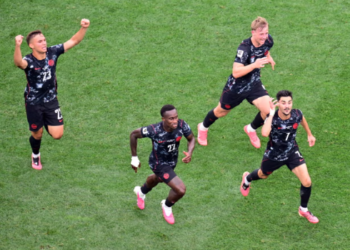 Canada Secure Historic Last 16 Spot with Late Goal
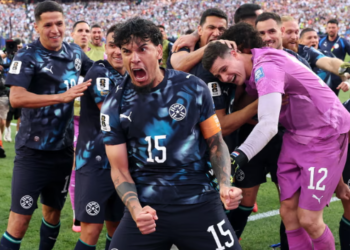 Paraguay Shock Germany in Historic Penalty Shootout
 Morocco Beat Dutch in Wild World Cup Penalty Drama
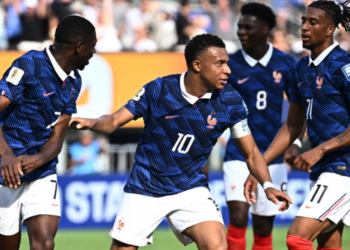 France Dominate Sweden as Deschamps’ New Era Takes Shape
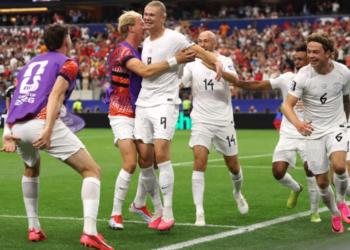 Haaland Heroics Send Norway Into Historic Last 16 Knockout
 The Last Stand of English Cricket’s Greatest Partners
 Ramos Sends Portugal into the Last 16
 VAR Drama: Portugal Win in Thriller
 Swiss Star Manzambi Shines in World Cup Victory
 Norway’s Stunning World Cup Victory Over Brazil
 Spanish Late Winner Sends Ronaldo Into Final Sunset
 Belgium Thrashes USA After Red Card Controversy
 Ronaldo Says Farewell to the World Cup Stage
 China’s Football Dream: Can Amateur Leagues Spark Change?
 Egyptian Fury After Argentina World Cup Heartbreak
 England’s Historic Win Over India
 World Cup 2026 Power Rankings: England on the Rise
 Belgium Draws Global Support Before Spain Showdown
 Haaland and Bellingham: A Dortmund Bond Tested
 Spain Clinch Final Spot in Masterclass Victory Over France
 Glasgow Prepares to Welcome the World for Streamlined Commonwealth Games
 London Set to Honour Euro 2025 Champions as Lionesses Take Victory Parade Through the Capital
 Premier League Supercomputer Predicts Tough Season for Man Utd Amid Three-Team Title Battle
 Chaos at Ibrox as Martin’s Rangers Era Comes to an End
 US Senate rejects resolution limiting Trump military powers
 Drugs, Denial, Stigma: Fiji’s HIV Crisis Hits Children
 Hilary Knight speaks out on Trump’s recent hockey remarks
 Scotland World Cup Party in Boston Gets Green Light After Security Breakthrough
 Eddie Howe Faces Seven Game Test to Secure Newcastle Future
 Tiger Woods: Golf Legend Steps Away to Seek Treatment
 Spain Faces Backlash Over Xenophobic Chants in Egypt Draw
 Starmer visits Gulf as US and Iran agree ceasefire
 Van Dijk Rallies Liverpool for Massive PSG Comeback
 Premier League Clubs Tense Over Regulator Costs
 Prominent Voices Challenge Palestine Action Ban
 “Three-Wheeled Triumph”: Mayor of Erewash Completes 2,000-Mile European Charity Run
 Arteta urges Arsenal to step up in Atlético semi-final
 “The Digital Frontier”: Scotland’s Papers Grapple with AI Harassment and ‘Mortgage Bottlenecks’
 Putin Signals War End as Russian Momentum Stalls
 Romania’s Judicial Crisis: A System Under Siege
 Saka Playing Through Pain As England World Cup Campaign Looms
 Stokes Retirement Announcement Dominates Dramatic Fourth Day of Deciding Test
 China’s Pacific Missile Test Sparks Regional Alarm
 Djokovic Faces Sinner in Epic Wimbledon Semi-Final
 Lamine Yamal’s Birthday: Football, Fame, and France
 World Cup Rings for Winners as Trump Attendance Confirmed
 Trump Tariffs Could Cut Northern Ireland Exports to the US by 15%, Research Suggests
 UK Government Reviews Why Police Are Handing Criminal Cases to US Military Authorities