Published: 28 August 2025 | The English Chronicle Desk
A new study has warned that asylum hotels across the United Kingdom could be closed within the next year if the Government were to introduce a one-off scheme granting limited leave to remain for asylum seekers from five key countries. The analysis, published today by the Refugee Council, argues that such a move would not only relieve pressure on the asylum system but also help to reduce growing tensions surrounding the use of hotels as temporary accommodation.

The proposal focuses on applicants from Afghanistan, Syria, Eritrea, Sudan and Iran, five countries that currently have some of the highest asylum approval rates in the UK. Home Office statistics show that 98 percent of Sudanese and 86 percent of Eritrean applications are granted, while the majority of applicants from the other three nations are also successful. According to the Refugee Council, a one-off measure offering people from these nations “time-limited” permission to stay, subject to security checks, would dramatically speed up the closure of hotels being used to house asylum seekers.
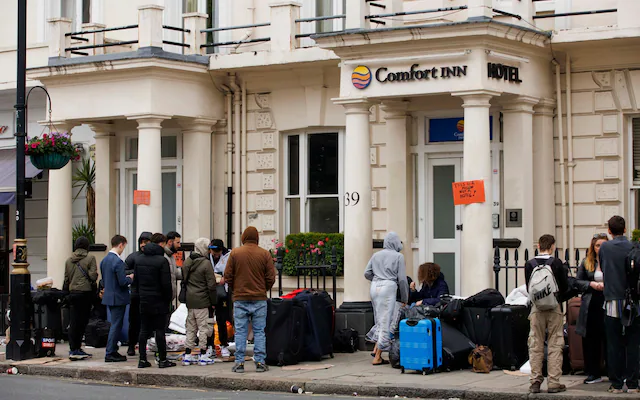
At present, Prime Minister Keir Starmer has committed to ending the use of asylum hotels by 2029, but the Refugee Council has criticised that timetable as “unsustainable” and damaging to community relations. It warns that keeping thousands of people in limbo for years will continue to inflame hostility, leaving residents of hotels exposed to harassment and far-right targeting. Around 200 hotels across the UK are still housing asylum seekers, despite numbers falling from more than 56,000 under the previous Conservative government to 32,000 as of June.
The human impact of prolonged stays in asylum hotels is stark. Muhammad, an asylum seeker from Afghanistan who spent six months living in one such facility, described the experience as dehumanising. “People film residents outside the hotel without permission, using it in a negative way. It affects people and makes them feel hopeless about the system,” he said. Such testimonies have become increasingly common as frustrations mount among both residents and local communities.

Enver Solomon, chief executive of the Refugee Council, said the continued reliance on hotels is failing both asylum seekers and the wider public. “As long as hotels remain open, they will continue to be flashpoints for far-right activity, fuelling tensions and driving communities apart. It is a failure of government to keep people in a system that leaves them in limbo for months, at huge cost to the public purse,” he argued. He added that the recent High Court ruling in Epping, which ordered the closure of the Bell Hotel by 12 September after finding that planning rules had been breached, demonstrates that the current approach cannot hold until the end of Parliament.
The ruling has already emboldened local authorities across the country, including Labour-run councils, to consider launching legal challenges of their own against the continued use of hotels. In recent weeks, a series of protests has been staged outside asylum accommodation, underscoring the growing hostility and pressure on government ministers to act. The Refugee Council believes the solution lies in acknowledging the reality of high approval rates for certain nationalities and implementing a one-off status grant for those already in the system as of June.
Such a scheme, the organisation contends, would quickly reduce the backlog of cases, free up resources for more complex applications, and allow for the closure of hotels much earlier than the current 2029 target. It insists that limited leave to remain, combined with thorough security vetting, would strike a balance between humanitarian obligations and public concerns over immigration.
For many asylum seekers, the uncertainty of life inside hotels has compounded the trauma of fleeing conflict and persecution. For communities hosting them, the prolonged presence of temporary accommodation has sparked resentment and political division. As both sides grow increasingly restless, the Refugee Council’s study warns that the Government’s timeline is “no longer viable” and urges urgent action to prevent further strain on communities, the public purse, and those seeking sanctuary.

The debate over asylum hotels has become one of the most charged political issues facing the Starmer government. While ministers have promised reforms to speed up processing and end reliance on temporary accommodation, campaigners insist that without bold steps such as the one-off scheme, hotels will remain a costly and contentious feature of Britain’s asylum system for years to come.
Related News:
 Concerns Mount Over Accuracy of At-Home Health Tests as Study Calls for Stricter Regulation
 UK Must Act with Courage and Clarity on Israel-Palestine Conflict, Says Foreign Affairs Committee Report
 The Ketamine Crisis in the UK is a Silent Epidemic Leaving Users with Lifelong Pain
 London Set to Honour Euro 2025 Champions as Lionesses Take Victory Parade Through the Capital
 Targeted Attack in Bury Sparks Murder Investigation as Community Awaits Justice
 Chancellor Faces Mounting Pressure Amid “Impossible Trilemma” Over Tax Rises
 Princess of Wales Launches Animated Video Series to Support Early Childhood Development
 Heartbreak in the New Forest as Shetland Ponies Vanish, Community on Edge
 Radioactive Leak at UK’s Nuclear Warhead Base Sparks Outcry Over Safety and Secrecy
 Mutual Inconvenience: Why Alaska Was Chosen for the Trump-Putin Summit on Ukraine
 Fire Contained at Edinburgh’s Arthur’s Seat After Overnight Battle by Firefighters
 Premier League Supercomputer Predicts Tough Season for Man Utd Amid Three-Team Title Battle
 Mystery Wallaby Spotted on Norfolk-Suffolk Border Sparks Police Appeal
 UK Weather: Heat Alerts Extended as Temperatures Set to Reach 30°C This Weekend
 Terence Stamp, ’60s British Film Legend and Star of Superman, Dies at 87
 Chancellor Rachel Reeves Pushes for Sweeping Changes to Environmental Protections to Accelerate Development
 Inflation Latest: Cost of Living Expected to Rise Again in Key Figures Released Today
 Merseyside Police Helicopter Crew Cleared After Low-Altitude Pursuit of Suspect
 Is the UK Ready to Put Boots on the Ground in Ukraine? Assessing Military Capacity and Challenges
 Reform Voices Alarm as UK Asylum Figures Reveal Growing Hotel Crisis Amid Channel Crossings Surge
 Education Leaders Call for End to Compulsory GCSE Resits in English and Maths
 Police Scotland Spends £500,000 Compensating Officers Over Trump Visit
 Rachel Reeves’s Budget Advisor Proposes Sweeping Tax Hikes: What Could Hit Households Next
 Why E-Bikes and E-Scooters Are Making Streets a ‘Nightmare’ for Blind People
 Retail Sales See Uptick Amid Errors and Delays as ONS Faces Scrutiny
 Millions in the UK at Higher Risk of Heart Failure and Stroke Due to Air Pollution, Study Warns
 UK Launches Major Crackdown on Networks Profiting from Online Child Sexual Abuse
 UK Rejoining EU ‘Unlikely in My Lifetime,’ Says Starmer’s Europe Reset Negotiator
 Prime Suspect in Madeleine McCann Case Declines Metropolitan Police Interview Ahead of German Prison Release
 ‘Unite the Kingdom’ Rally Sparks Fears of Far-Right Normalisation Among Minority Britons
 Growing Crisis in UK Schools: One in Three Parents Seek Special Needs Assessments
 Thousands Gather in London to Protest Donald Trump’s Second UK State Visit
 Zarah Sultana Seeks Legal Action After Bitter Clash with Jeremy Corbyn Over Party Membership Funds
 Watchdog, Cornflakes and Courage: Remembering John Stapleton, a Broadcaster Who Did It All
 Top Andy Burnham Ally Launches Fierce Critique of Starmer Ahead of Labour Conference
 Mahmood Pledges Reform of Modern Slavery Laws After Court Blocks Deportation Appeal
 UK Government Backs Return of International Rail Travel to Kent Stations
 Arsenal VS Newcastle Hearts with Dramatic Late Turnaround at St James’ Park
 Ed Miliband Urges Labour to Confront Billionaire-Backed Opposition to Net Zero Goals
 A Third of EU Citizens in UK Report Discrimination by Public Bodies Post-Brexit
 Wetherspoon vows to keep prices low amid soaring energy and tax costs
 Teacher Permanently Banned After Slapping Pupil Over Classroom Incident
 Digital ID Plans Ignite Debate Over £600m Treasury Tax Boost and Privacy Concerns
 Millions in the UK at Risk of Cyber-Attacks as Microsoft Ends Windows 10 Updates, Warns Which?
 Public Trust in SNP Hits Historic Low Amid NHS Concerns
 Yvette Cooper Backs Digital ID Plan for UK Teens
 Strictly Celebs Starstruck as Cynthia Erivo Shines
 Ian Watkins Killed in Prison; Ex-Girlfriend Speaks Out
 Johnson Suggests Mandelson Linked to China Spy Controversy
 Ministry of Justice fails to file £11bn in spending receipts
 Rachel Reeves signals welfare reform ahead of key budget
 Reform UK candidate fined £19,000 after using AI-generated cases to challenge election
 Harry and Meghan join global AI leaders urging superintelligence ban
 William Steps Up Over Prince Andrew Palace Response
 Hospice Cuts Raise Alarm Across England Amid Funding Crisis
 Green Party Surges Past Labour in Latest UK Poll
 Zarah Sultana Launches Party to Change Politics
 Children to Learn Local History in Major Curriculum Overhaul
 Granit Xhaka Rescue Earns Everton Draw at Sunderland
 Prince William Plants Trees with Brazil’s Nature Heroes
 Just Stop Oil Protesters Convicted Amid Climate Defence Row
 King Charles to Lead Nation in Remembrance Sunday Service
 How to get help when a child goes missing – call 999 urgently
 Starmer Faces Growing Dissent as Labour MPs Weigh Leadership Challenge
 Son Reveals UK Couple in Iran Resort to Hunger Strike for Help
 Valve Opens the Door for Android Games on Steam
 Peers Flood Assisted Dying Bill with 942 Amendments
 Former Lion Heskey Warns of Shortage of England Strikers
 Mother Watches in Horror as Teen Daughter Dies on Tracks
 ‘Traumatic Wait’: Northern Ireland Women Face Breast Cancer Delays
 Serial Rapist and Former Cop Found Guilty Again
 Most Tories Expect to Support a Farage-Led Government
 Bill Murray Terrified Wes Anderson but Became His Closest Collaborator
 Karen Carney Stuns on Blackpool Week, Deserves Strictly Final
 Fibromyalgia Patients Struggle as NHS Fails to Provide Care
 Virgin Media Fined £23.8m Over Telecare Safety Failures
 Reform campaign in Clacton faced ‘juggernaut’ scrutiny, say rivals
 Christmas Code-Crackers: GCHQ Unveils Annual Festive Puzzle Card
 Online Child Sexual Abuse Soars 26% as Police Demand Tech Action
 Met officers ordered to declare Freemason links