Published: 03 September ‘2025. The English Chronicle Desk. The English Chronicle Online
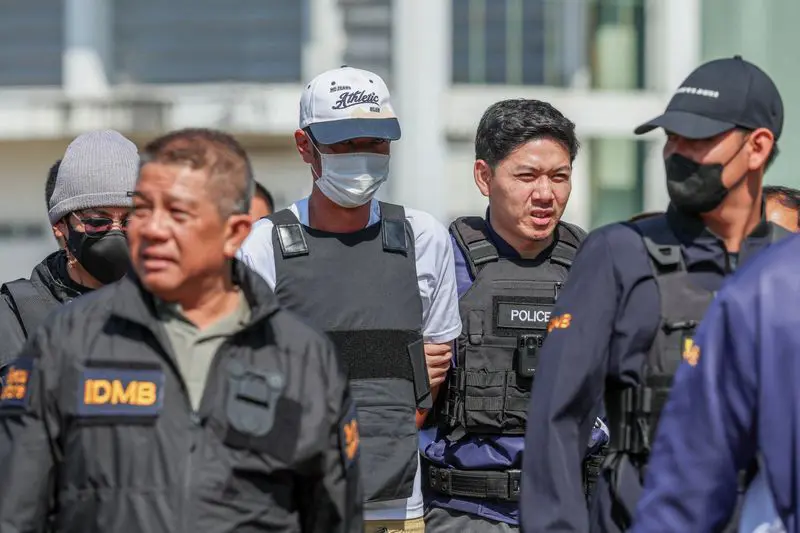
In a landmark ruling that has drawn attention across Southeast Asia, a Thai court has sentenced Ekkalak Paenoi, a Thai national, to life imprisonment for the murder of prominent Cambodian opposition politician Lim Kimya in Bangkok earlier this year. The case, which has sparked international concern over politically motivated violence and cross-border human rights violations, concluded with the court acknowledging Ekkalak’s confession as a mitigating factor, resulting in the commutation of his initial death sentence to life imprisonment.
The attack occurred in January when Lim Kimya, a former parliamentarian of Cambodia’s main opposition party, the Cambodia National Rescue Party (CNRP), arrived in Bangkok with his wife. In broad daylight, he was fatally shot by Ekkalak in a public area, a brazen act that stunned both Cambodian and Thai authorities. Security camera footage captured Ekkalak calmly removing his helmet and walking across the road before opening fire, reflecting the calculated nature of the attack. Following the shooting, Ekkalak fled to Cambodia, where he was promptly arrested and subsequently deported to Thailand to face trial.

Lim Kimya, who held dual Cambodian and French nationality, had been a significant figure within the CNRP, a party that had challenged the long-standing dominance of Hun Sen’s Cambodian People’s Party in 2013. The CNRP’s growing political influence culminated in a near-victory that alarmed the ruling establishment, ultimately leading to the party’s ban in 2017 under allegations of treason, with members barred from participating in political activities. Lim Kimya had continued to advocate for democratic processes and opposition voices despite the increasingly restrictive political environment, making him a symbolic target for those seeking to silence dissent.
Although the precise motive behind Lim Kimya’s killing has not been conclusively established, political analysts widely suspect that the assassination was politically motivated, given the victim’s high-profile opposition status and the fraught climate for dissent in Cambodia. Cambodian Prime Minister Hun Manet, who succeeded his father Hun Sen in 2023, has formally denied any governmental involvement in the killing, stressing the need for judicial transparency and due process. However, human rights organizations have consistently highlighted patterns of harassment, intimidation, and targeted violence against opposition figures in Cambodia, noting that many activists, journalists, and dissidents face severe restrictions or are forced into exile.
During the trial, Ekkalak was also found guilty of unlawful possession and use of a firearm. The court ordered him to compensate Lim Kimya’s family with approximately $55,000 (£40,800), a symbolic measure to acknowledge the personal loss suffered by the victim’s loved ones. In contrast, another defendant, a Thai national accused of driving Ekkalak to the Cambodian border after the attack, was acquitted on the grounds that he acted solely as a driver and had no knowledge of the crime. This distinction underlined the court’s careful consideration of individual culpability in the case.
Speaking to news agencies after the verdict, Lim Kimya’s widow expressed cautious satisfaction with the outcome, acknowledging that the life sentence represented a measure of justice. Nonetheless, she emphasized her ongoing concerns regarding the broader context of the assassination, questioning who might have orchestrated the killing and calling for further investigation. “She wants authorities to get to the bottom of it,” her lawyer told AFP, highlighting the unresolved dimensions of accountability beyond the immediate perpetrator.
The case has also drawn attention to wider regional issues concerning the safety of political dissidents and activists. In recent years, human rights groups have documented numerous instances of activists fleeing political repression in Cambodia, Vietnam, Laos, and Thailand, only to face forced repatriation, disappearance, or death. Reports suggest an unspoken understanding among the security forces of these neighboring countries, allowing cross-border pursuit of dissidents and effectively curtailing sanctuary options. Such patterns underscore the precarious position of opposition figures in Southeast Asia and the need for robust legal safeguards and international monitoring.
Legal experts note that Ekkalak’s commutation from a death sentence to life imprisonment, while largely attributable to his confession, reflects Thailand’s judicial discretion and the complex balancing of punitive justice with mitigating circumstances. Analysts also point out that the ruling carries broader implications for the treatment of politically sensitive crimes in the region, particularly in cases involving foreign nationals or cross-border political dynamics.
The assassination and subsequent trial of Ekkalak Paenoi have reignited discussions about political freedom and civil liberties in Cambodia, where opposition figures continue to face systemic barriers. Observers argue that while the court’s verdict brings a degree of closure to Lim Kimya’s family, the unresolved questions surrounding the broader network of influence or possible instigators remain a point of concern for both domestic and international human rights advocates.
Throughout Southeast Asia, the case has highlighted the vulnerabilities of exiled politicians and dissidents, emphasizing the risks they face even when outside their home countries. The incident also illustrates the necessity of international cooperation in investigating politically motivated violence and ensuring that perpetrators are brought to justice. In this context, the court’s decision is being closely watched as a potential precedent for handling politically charged crimes that span national borders.
As human rights organizations continue to document threats to opposition figures in the region, they have urged governments to establish clearer protocols for the protection of political refugees and to curb extrajudicial acts that undermine democratic processes. The sentencing of Ekkalak Paenoi, while a significant step in delivering justice for Lim Kimya, also serves as a reminder of the persistent challenges faced by activists who advocate for political reform in environments hostile to dissent.
This case underscores the intersection of criminal law, political conflict, and regional security in Southeast Asia. While the life sentence meted out to Ekkalak addresses the immediate act of violence, broader concerns persist regarding the protection of opposition figures and the promotion of accountability for politically motivated crimes. As Lim Kimya’s family mourns the loss of a husband, father, and political advocate, regional observers are calling for stronger safeguards to prevent similar tragedies in the future and to reinforce the rule of law in contexts where political power and dissent collide.
The Thai court’s decision marks a critical moment in ongoing efforts to address politically motivated violence, ensuring that justice is served while highlighting the need for vigilant protection of human rights across borders. Lim Kimya’s legacy as an opposition leader, committed to democratic principles and political engagement, continues to resonate, and the verdict is seen as a necessary acknowledgment of the sacrifices made by those who challenge authoritarian or repressive regimes.

The international community, including human rights organizations and legal observers, will be closely monitoring subsequent developments, particularly any further investigations into the origins and orchestration of the assassination. Meanwhile, the Lim family’s call for full accountability remains a poignant reminder that justice extends beyond the immediate perpetrator, encompassing the broader structural and political factors that enabled such acts to occur.
Related News:
 Ousted Bangladeshi Leader Sheikh Hasina Indicted for Crimes Against Humanity Amid High-Stakes Trial for 2024 Uprising
 Shadow Fortresses in the Sea: Satellite Revelations Expose China’s Expanding Military Stronghold in Disputed Waters
 Singapore Corruption Scandal: Details Emerge on Iswaran’s Luxury Flight and Ties to Tycoon Ong Beng Seng
 Tariff Tempest: India Rebukes Trump’s ‘Unfair’ Oil Sanctions as Diplomatic Tensions Mount
 UN Calls for Renewed Global Solidarity as Rohingya Forced Exodus Marks Eight Years
 Xi, Putin and Kim Display Unified Front at Massive Beijing Military Parade
 Deadly Bomb Blast Strikes Near Political Rally in Quetta
 India Triumph in Dubai Amid Unexpected Twists
 Pakistan-Saudi Arabia Defence Pact Raises Alarm in India
 Typhoon Ragasa Batters Taiwan, Hong Kong and China
 Gen Z Uprising in Asia: How Social Media and TikTok Fuel Anti-Corruption Movements
 Taliban Diplomatic Breakthrough: Why Amir Khan Muttaqi’s Visit Marks a New Era in India-Afghanistan Relations
 Acclaimed South Korean Author Baek Se-hee Passes Away at 35, Leaves Legacy Through Writing and Organ Donation
 China’s Youth Save, Not Spend, Amid Job and Housing Worries
 British Doctors Arrested in India for Unauthorized Border Crossing
 Israeli Strike Kills 13 Near Palestinian Camp in Lebanon
 India’s COP30 Delay Raises Global Climate Concerns
 Night Bus Crash in Cambodia Kills 16
 Historic Floods Devastate Thailand and Southeast Asia
 Hong Kong Wang Fuk Court Fire Leaves Dozens Dead
 Singapore Women Acquitted After Pro-Palestine March
 Thousands Homeless After Massive Fire in Dhaka Shantytown
 Sri Lanka Floods Leave 56 Dead, Dozens Missing
 India’s Labour Law Overhaul Sparks Fierce Debate
 Video shows Israeli troops kill Palestinians after surrender
 Fury After Hong Kong’s Deadliest Fire in Decades
 ICC to Rule on Duterte’s Provisional Release
 Huawei, ZTE secure 5G deals in Vietnam amid US tensions
 Southeast Asia floods claim 241 lives, rescue efforts continue
 Chinese & Japanese Boats Clash Near Disputed Islands
 Hong Kong Orders Probe Into Deadly 151-Death Fire
 Putin Meets US Envoy Amid Key Ukraine Peace Talks
 Maxwell withdraws from IPL 2026 after 13 seasons
 Indonesia to Repatriate Two Dutch Drug Convicts
 Post Office Scandal Compensation Tops £1 Billion as Victims Finally See Justice
 Exclusive: Leaked Documents Reveal Khan’s Controversial Road Policy Overhaul – Drivers Warn of ‘Final Nail in Coffin’
 UK Banks Granted Reprieve as BoE Delays Basel III Capital Rules Until 2028
 England Grapples with Unprecedented Bluetongue Virus Outbreak: Entire Nation Declared Infected Zone
 Northern Ireland Family of Three Shot Dead in Maguiresbridge Home Incident
 West End Exposed as London’s Knife Crime Epicentre Amid Alarming Surge in Violence
 Mystery Wallaby Spotted on Norfolk-Suffolk Border Sparks Police Appeal
 Peter Andre Breaks 16-Year Silence with Scathing Statement Against Katie Price
 UK Weather: Heat Alerts Extended as Temperatures Set to Reach 30°C This Weekend
 Access to Iconic Cornish Beach Cut Off by National Trust Amid Safety Concerns
 Hundreds of Swimming Pool Closures Leave Children ‘At Risk of Drowning’, Union Warns
 Public Executions in Gaza City Captured on Video Amid Ongoing Conflict
 Macron Phones Trump Over Traffic Jam in New York
 Comey Indictment Deepens Fears of Political Retribution Under Trump
 Arsenal Showcase Depth and Flexibility as Arteta Eyes Title Challenge
 UK Affirms No Relaxation of Visa Rules for India Amid Trade Push
 Vice President Vance Warns of ‘Painful’ Job Cuts as U.S. Government Shutdown Deepens
 Japanese Court Sentences Man to Death for 2023 Quadruple Murder in Rare Gun and Knife Attack
 Zelensky to Urge Missile Aid as Trump and Putin Plan Summit
 Manchester United triumph as Mbeumo brace seals thrilling win
 Hospice Cuts Raise Alarm Across England Amid Funding Crisis
 Tragedy on Lizard Island: Cruise Passenger Dies
 Zarah Sultana Launches Party to Change Politics
 US Senate Passes Funding Bill to End Historic Shutdown
 Mary Earps’s Manchester United Return Faces Mixed Reception
 Son Reveals UK Couple in Iran Resort to Hunger Strike for Help
 Pressure Mounts on Starmer to Sack Chief of Staff Over Briefing Row
 Japan Deploys Police to Curb Deadly Bear Attacks
 US Justice Department Files Lawsuit Against California Over Partisan Voting Maps
 Former Lion Heskey Warns of Shortage of England Strikers
 Orban Says Ukraine Has ‘No Chance’ as EU Support Continues
 Mother Watches in Horror as Teen Daughter Dies on Tracks
 Seven Countries, One Winner: Europe’s Best Christmas Market
 Haiti Qualifies for World Cup Despite Coach Never Visiting Country
 Serial Rapist and Former Cop Found Guilty Again
 Pentagon Officials in Ukraine to Discuss War End
 Vietnam Battles Deadly Floods as Rains Continue
 Scottish Families Take Legal Action Over School CO Leak
 Venezuela Threatens Nobel Winner Machado with Fugitive Status
 Vicki Fears Losing Motability Car
 Millions Face Higher Taxes Under Reeves New Budget
 Two National Guard Soldiers Critically Injured Near White House
 Southern Lebanon reels as Israeli strikes shatter communities
 Jordan Bardella: France’s Young Presidential Contender
 Search underway for British man overboard off Tenerife
 Pavarotti statue frozen in Italian ice rink sparks backlash