Published: 16 October 2025. The English Chronicle Desk. The English Chronicle Online.
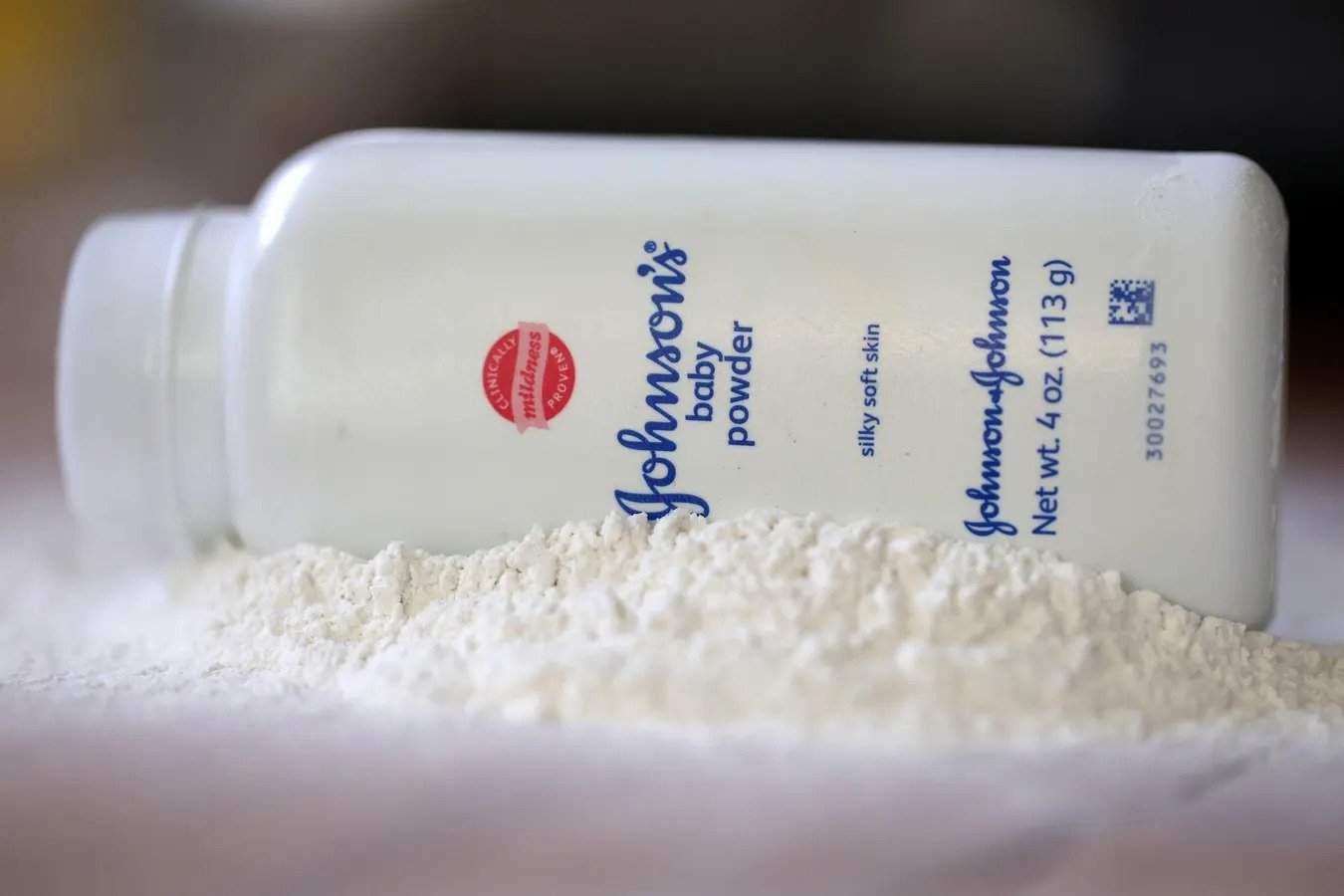
Thousands of people in the United Kingdom have launched legal action against pharmaceutical giant Johnson & Johnson, claiming the company knowingly sold talcum powder contaminated with asbestos, resulting in serious health issues, including ovarian cancer and mesothelioma. The group, numbering around 3,000, has filed claims in the High Court in London seeking compensation for themselves or family members affected by the alleged contamination.
The lawsuit names Johnson & Johnson alongside current and former subsidiaries, including Johnson & Johnson Management and Kenvue UK, arguing that all entities should be held accountable. Legal representatives for the plaintiffs allege that the company concealed potential health risks for decades, even though it replaced talc with corn starch in its Baby Powder products in the UK from 2023 onward.

A spokesperson for Kenvue, which now handles talc-related claims outside the US and Canada, denied the allegations, stating that the talc used in baby powder complied with regulations, contained no asbestos, and does not cause cancer. Talc, a naturally occurring mineral, has been mined globally for decades, with some deposits naturally containing asbestos fibres.
Michael Rawlinson KC, representing the claimants, told the court that almost all commercially exploited talc deposits contain asbestos and that the mines supplying Johnson & Johnson were no exception. Rawlinson alleged that the company suppressed information indicating potential asbestos contamination, lobbied regulators to continue selling the product, and sponsored studies aimed at downplaying the health risks. He argued that the company “acted in bad faith to protect the reputation and profit-making potential of baby powder.”
Among those bringing claims is Janet Fuschillo, 75, who reported using Johnson’s Baby Powder on herself and her four children for nearly five decades. She was diagnosed with ovarian cancer seven years ago and described the ongoing impact on her and her family, expressing both concern and anger over her children’s long-term exposure.
Another claimant, Patricia Angell, spoke of her husband Edward, who passed away from mesothelioma in 2006 at age 64. Angell stated that Edward had no known occupational asbestos exposure but regularly used Johnson & Johnson’s talc, which was cited in his autopsy report alongside asbestos strains. She described the profound loss experienced by her family, noting that Edward was “robbed” of 19 years of life.
The NHS confirms that mesothelioma is almost always caused by asbestos exposure, often forming in the lungs after inhalation of microscopic fibres. Rawlinson highlighted that typical methods of applying baby powder, such as shaking or sprinkling from the bottle, could suspend clouds of talc in the air for prolonged periods, increasing the likelihood of inhalation.
In response, a Kenvue spokesperson reiterated that the safety of Johnson’s Baby Powder is supported by years of independent testing and scientific research. They stated: “The high-quality cosmetic grade talc used in Johnson’s Baby Powder was compliant with all required regulatory standards, did not contain asbestos, and does not cause cancer. We sympathise deeply with people living with cancer and understand the desire for answers, which is why factual evidence must guide the discussion.”
The case represents one of the largest coordinated legal challenges against a pharmaceutical company in the UK relating to alleged asbestos contamination. It raises significant questions about corporate responsibility, public health, and regulatory oversight. Lawyers for the claimants are seeking not only compensation for those affected but also greater accountability for the company’s historic handling of talc products.

The proceedings are expected to include extensive expert testimony, including scientific and medical evidence regarding the presence of asbestos in talc and its potential link to cancer. Observers note that the case could set a precedent for similar claims and may prompt broader scrutiny of cosmetic and consumer products in the UK and beyond.
As the legal process unfolds, thousands of claimants await clarity on whether long-standing allegations of asbestos exposure will be recognised by the courts. The outcome may have wide-ranging implications, influencing both corporate practices and public confidence in consumer product safety.
Related News:
 Majority of UK Men Would Opt for Prostate Cancer Screening, Survey Finds
 UK Launches World-First Gonorrhoea Vaccine Amid Record Infection Surge
 Mind the Grab’: Bold Campaign Launched on Oxford Street to Combat Phone Theft
 AI Tools Used by English Councils Found to Downplay Women’s Health Issues, Raising Concerns Over Gender Bias in Care
 Appalling Rise in Pharmacy Crimes: Staff Face Increasing Theft and Aggression
 Alarming rise in abusive teen relationships in the UK sparks urgent warnings
 Breakthrough Clinical Trial Lets 12-Year-Old Boy with Rare Skin Disorder Play Football
 Hot Tea and Coffee Found to Contain Highest Levels of Microplastics in Popular Drinks
 Expanded Access to Health Diagnostics in England Now Available Beyond Standard Hours
 Shocking Rise in Children’s Exposure to Violent Online Pornography Raises Alarm
 Ancient Meat Feasts Revealed as Bronze Age Britons Gathered Across the Country
 Systemic Racism in Maternity Care Continues to Endanger Black Women in England, MPs Warn
 UK Doctors Guilty of Sexual Misconduct Continue Practising Amid Weak Sanctions, Research Finds
 Ed Davey Urges UK to Attract US Cancer Scientists Amid Funding Cuts Under Trump
 Omeprazole Alert: NHS Issues Guidance on Safe Use for Heartburn and Indigestion
GPs in England Warn of Overload as Nationwide Online Appointment System Approaches
Omeprazole Alert: NHS Issues Guidance on Safe Use for Heartburn and Indigestion
GPs in England Warn of Overload as Nationwide Online Appointment System Approaches
 Eligibility Confusion Over COVID Vaccination Leaves Pharmacies Struggling Across the UK
 Scientists Announce First Potentially Accurate Blood Test for Chronic Fatigue Syndrome
 Teen and Man Arrested Over Nursery Cyber Attack Exposing 8,000 Children
 NHS May Pay 25% More for Medicines Amid US Drug Talks
 Cooper Unveils £4m Cyber Plan Against Russian Hackers
 Survey Shows Most GPs Rushing Appointments
 Ambulance Worker Fired After Flinging Amputee from Wheelchair and Offering Bribe
 Genetic Tests May Predict Return of Blood Cancer
 UK Woman Becomes Longest Survivor of Heart-Lung Transplant
 ‘Game-Changing’ HIV Prevention Jab Set for NHS Approval
 Mother dies after black market weight loss injection
 Young Woman Missed 13 Times by GPs Before Bowel Cancer Diagnosis
 Breath test could ‘revolutionise’ pancreatic cancer treatment
 How Bringing Forests Into Preschools Boosts Children’s Health
 Experts Warn on Home Birth Risks, Call for Skilled Midwives
 UK Bans Fake Numbers: Scammers Lose Their Trick
 Experts Urge Legal Right to Timely Cancer Care
 Patients to Test Health at Home to Ease NHS Winter Pressure
 North Sea oil workers must lose weight or face job loss
 No link found between paracetamol in pregnancy and autism
 Leading doctors issue warning amid ‘bad’ flu season
 UK Centres Used Risky Heart Pump Despite Safety Fears
 UK launches major AI drive to fight deadly superbugs
 Coffins Now Too Large to Cremate Amid Rising Obesity Crisis
 Thinktank Urges Smaller Hospitals to End NHS ‘Permacrisis’
 NHS paediatric leave parents waiting months for answers
 Inquiry Opens Into Disgraced Surgeon Eljamel Scandal
 Concerns Mount Over Accuracy of At-Home Health Tests as Study Calls for Stricter Regulation
 The Ketamine Crisis in the UK is a Silent Epidemic Leaving Users with Lifelong Pain
 Targeted Attack in Bury Sparks Murder Investigation as Community Awaits Justice
 Man Remanded After Children Fall Ill at Leicestershire Summer Camp in Shocking Child Cruelty Case
 Merseyside Police Helicopter Crew Cleared After Low-Altitude Pursuit of Suspect
 Why E-Bikes and E-Scooters Are Making Streets a ‘Nightmare’ for Blind People
 Urgent Action Needed on Windrush Compensation as Survivors Speak of “Waiting to Die”
 British Pilot Joins Crew Training for Year-Long Mars Simulation Mission
 Jaguar Land Rover Extends Production Halt Following Cyber-Attack
 One in Three GPs in England Do Not Work in NHS, Raising Concerns Over Access to Care
 Persistent Offenders Owe Over £700m in Ulez Fines as TfL Cracks Down on Evasion
 Northern Ireland Faces Fears of Prolonged Race Riot “Permacrisis”
 No Evidence Found to Substantiate Alleged Rape in Oxfordshire Churchyard, Police Confirm
 Questions Remain as Rugby Legend Lewis Moody Faces Motor Neurone Disease Diagnosis
 Massive London Poundland Fire Engulfs High Street
 Paedophile Singer Ian Watkins Dies After Prison Attack
 DNA Test Confirms Alleged Stalker Is Not Madeleine McCann
 Reform UK candidate fined £19,000 after using AI-generated cases to challenge election
 Harry and Meghan join global AI leaders urging superintelligence ban
 One in 12 Secondary Pupils Sent to Isolation Weekly
 Hospice Cuts Raise Alarm Across England Amid Funding Crisis
 Celebrities and Charities Demand UK Government Act on Child Poverty
 Mass Stabbing on Doncaster to London Train Leaves Ten Injured
 FBI Director Kash Patel Defends Girlfriend Amid Government Jet Claims
 Just Stop Oil Protesters Convicted Amid Climate Defence Row
 How to get help when a child goes missing – call 999 urgently
 Valve Opens the Door for Android Games on Steam
Working-Class Men with Prostate Cancer Left Behind by NHS
Valve Opens the Door for Android Games on Steam
Working-Class Men with Prostate Cancer Left Behind by NHS
 Mum Calls for New Licence Rules After Teen Road Death
 Mother Watches in Horror as Teen Daughter Dies on Tracks
 ‘Traumatic Wait’: Northern Ireland Women Face Breast Cancer Delays
 Healthy Habits in Your 30s That Boost Life in Your 70s
 Serial Rapist and Former Cop Found Guilty Again
 Most Tories Expect to Support a Farage-Led Government
 Fibromyalgia Patients Struggle as NHS Fails to Provide Care
 Online Child Sexual Abuse Soars 26% as Police Demand Tech Action
 Strangulation Charges Surge in England and Wales Amid Domestic Abuse Concerns