Published: ২৭ October 2025. The English Chronicle Desk. The English Chronicle Online.
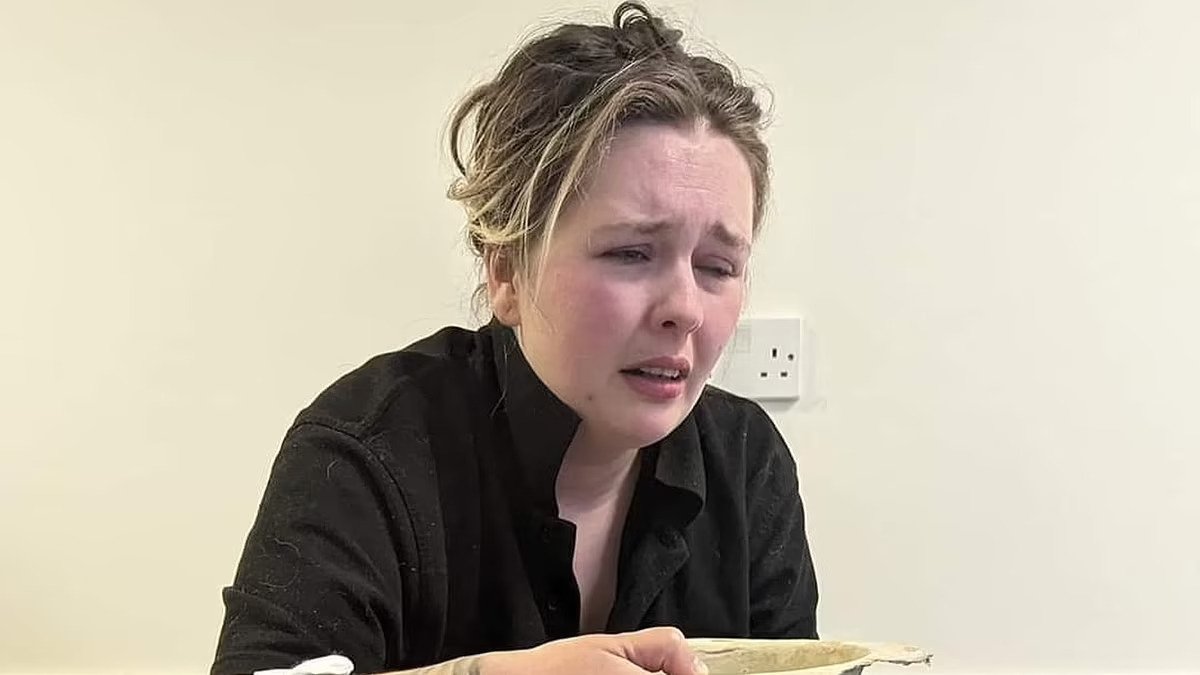
SALFORD, UK — A mother of two tragically lost her life after receiving a weight loss injection purchased on the black market, highlighting growing concerns over the illegal distribution of potent medical drugs in the UK. Karen McGonigal, 53, had been seeking ways to manage her weight after the end of a long-term relationship left her feeling desperate and vulnerable. Her daughters say that in her quest for a solution, she turned to a beautician who offered injections of semaglutide for just £20 each, outside of any medical supervision or regulation.
Semaglutide is a prescription-only drug widely known under brand names such as Mounjaro and Wegovy, approved for medically supervised treatment of obesity. While around 2.5 million adults in the UK are currently prescribed these treatments legally, a booming black market has emerged. Fraudulent sellers often claim their products are the legitimate, regulated versions, while others offer experimental drugs like retatrutide, still undergoing clinical trials. This unregulated environment dramatically increases the risk of serious health consequences.
Karen had initially sought treatment through her GP but was deemed ineligible for NHS prescriptions. According to her youngest daughter Ffion, this left her feeling frustrated and desperate. The beautician, Ffion explained, “stopped doing a woman’s nails” to take her mother into a back room, where she was injected. Ffion added, “No preparation, no cleaning, nothing. She’d give it to my mum, my mum would pay her, and she’d be out in three minutes.” This casual approach to administering a potent medical drug, without any safety checks, would ultimately prove fatal.

Initially, Karen began to lose weight and appeared to respond to the treatment. However, four days after her final injection, she suffered severe stomach pains and breathing difficulties. Her daughters rushed to her side as she deteriorated rapidly, describing terrifying scenes as she turned purple and struggled for air. “She got blue-lighted to the hospital,” Ffion said. “By the time I saw her again, she wasn’t awake.” Despite intensive care treatment over the next two days, doctors ultimately informed the family that there was nothing further they could do to save her.
The McGonigal family is now speaking out publicly to warn others of the dangers of purchasing medications from unregulated sources. “If this saves another person,” said daughter Abbie, “or saves another person going through what we feel — then we’ve done enough.” The family’s heartfelt tributes to Karen emphasise her generosity, warmth, and devotion to her children and grandchildren. Abbie said, “She had the biggest heart and would do anything for anybody. If she was your friend — you were lucky.” Ffion echoed this sentiment, describing her mother as a woman whose life revolved around her family and community.
Authorities have begun investigating the circumstances surrounding Karen’s death. Greater Manchester Police have arrested one person on suspicion of manslaughter and another on suspicion of supplying a controlled substance. The case has sent ripples of concern through both medical and regulatory communities, reinforcing the risks associated with the black market for prescription drugs.
Health Secretary Wes Streeting condemned the incident, promising decisive action against illegal drug distribution. “My heart goes out to Karen’s family after just such a shocking and avoidable loss. We’re determined to make sure that we drive these dangerous criminals out of our country,” he said. Streeting also urged the public to seek medical advice exclusively from regulated professionals. “While weight loss injections can be really helpful to tackle obesity, people must only take them under medical supervision. If you see them being sold on the black market, report it immediately,” he emphasised.
The Medicines and Healthcare Products Regulatory Agency (MHRA) also issued warnings in the wake of Karen’s death. Andy Morling, Deputy Director of Criminal Enforcement, told ITV News, “Buying any medicine from illegal online suppliers significantly increases the risk of receiving falsified or unlicensed products. We work closely with law enforcement partners, customs authorities, social media and online platforms to remove illegal medicines from sale, block harmful websites, disrupt payment routes, and delist offending domains from search engines.” Morling stressed that the MHRA will not hesitate to prosecute individuals who endanger public health by supplying unregulated drugs.
Experts say that the black market for weight loss injections has grown in tandem with the popularity of semaglutide and other GLP-1 receptor agonists. The drugs, when used under medical supervision, can be effective for people with obesity-related health issues. However, when misused or obtained illegally, the consequences can be catastrophic. Beyond the risk of lethal reactions, there is also the potential for bacterial infections, improper dosing, and other severe side effects.
Karen McGonigal’s death is a stark reminder of the dangers of bypassing medical oversight. Her daughters recount the tragic final moments with a blend of grief and disbelief. “I can’t explain to my children that their dad’s gone forever,” said her grieving daughter Ffion. The emotional toll on the family is immense, compounding the shock of losing a loved one to something that could have been avoided if administered safely under professional care.
The incident has also prompted renewed discussions around access to weight management treatments on the NHS. Critics argue that limited availability may drive some people to seek black market alternatives, highlighting a need for better accessibility and support for those struggling with weight-related health challenges. Public health advocates warn that without addressing the underlying demand and the desperation that drives people to seek illegal alternatives, tragedies like Karen’s may continue to occur.
Community awareness campaigns and stricter enforcement of existing regulations are increasingly being called for. Health authorities are emphasising that medications should never be purchased from online marketplaces, social media platforms, or unverified providers. The combination of potent drugs, inexperienced administration, and lack of emergency preparedness makes illegal injections extraordinarily dangerous. Karen’s story illustrates the human cost of such unregulated practices, giving a human face to what might otherwise be considered a statistical or abstract risk.

As the investigation continues, Karen’s daughters hope that by sharing their mother’s story, they can prevent similar tragedies. “We don’t want anyone else to go through what our family has endured,” Abbie said. “Her death should serve as a warning — these drugs are not toys, and unqualified people administering them can be deadly.”
In the broader context, this incident underscores the complex interplay between consumer demand, drug accessibility, and the rise of unregulated markets in an era where social media and online commerce have made potentially dangerous products widely available. Regulatory authorities and health professionals stress the importance of vigilance, patient education, and public awareness to prevent further loss of life. Karen’s untimely death is a stark reminder that desperation can lead to fatal consequences when individuals seek quick fixes outside the safety of regulated medical channels.
Her family’s call to action is clear: seek medical advice, avoid unverified sources, and understand the profound risks involved. While semaglutide and related drugs are legitimate treatments for obesity under proper supervision, misuse or black market purchases can be deadly. Karen’s story, tragically, illustrates the ultimate cost of circumventing these safeguards.
The community mourns the loss of a devoted mother, and authorities are determined to ensure accountability for those responsible. As enforcement agencies, health regulators, and public awareness campaigns intensify, the hope is that future tragedies can be averted, and that stories like Karen McGonigal’s become a turning point in the fight against illegal medical practices in the UK.
Related News:
 Alarming rise in abusive teen relationships in the UK sparks urgent warnings
 Ambulance Worker Fired After Flinging Amputee from Wheelchair and Offering Bribe
 Young Woman Missed 13 Times by GPs Before Bowel Cancer Diagnosis
 Peterborough Mosques Tighten Security After Attack
 Hospice Cuts Raise Alarm Across England Amid Funding Crisis
 Nearly 48,000 Zombie Knives Removed from UK Streets in a Year
 Prince Andrew Stripped of Title: Giuffre Family Hails Historic Moment
 Metal Detectors at Stations ‘Would Make Life Impossible,’ Says Minister
 Experts Warn on Home Birth Risks, Call for Skilled Midwives
 Experts Urge Legal Right to Timely Cancer Care
 British Grandmother to Return Home After Death Sentence in Bali
 NHS Takes Over Nuffield Hospital in ‘Windfall’ for London Care
 Jailed UK climate protesters face extremist-style restrictions
 North Sea oil workers must lose weight or face job loss
 Crisis charity to become landlord amid UK housing emergency
 No link found between paracetamol in pregnancy and autism
 Bar Council urges legal aid for all domestic abuse family cases
 How to get help when a child goes missing – call 999 urgently
 ‘Reckless’ cuts to victims’ services will cost more than they save
 UK Disability Pay Gap Means Millions Work for Free From Today
 Judges to Decide Fate of Chief Constable Guilty of Contempt
 Shouting Works Best to Deter Gulls, UK Study Finds
 Reeves rejects £1bn plea for NHS redundancy payouts
 NHS trust fined after woman takes life in mental health unit
 How age progression images help trace missing people
 Leading doctors issue warning amid ‘bad’ flu season
 New Campaign Trains Vets to Spot Farmers’ Health Risks
 Mother Watches in Horror as Teen Daughter Dies on Tracks
 ‘Traumatic Wait’: Northern Ireland Women Face Breast Cancer Delays
 Podcaster Faces Abuse Charges Over Controlling Behaviour
 Coffins Now Too Large to Cremate Amid Rising Obesity Crisis
 David Cameron Reveals Prostate Cancer Diagnosis, Advocates Screening
 Inquiry Opens Into Disgraced Surgeon Eljamel Scandal
 Sudanese Family Vows to Stay After Racist Graffiti
 Five-Year-Old Dies After Rare Tonsil Surgery Complication
 Fibromyalgia Patients Struggle as NHS Fails to Provide Care
 More Patients Now Contacting GPs Online, Data Shows
 The Ketamine Crisis in the UK is a Silent Epidemic Leaving Users with Lifelong Pain
 Shocking Rise in Children’s Exposure to Violent Online Pornography Raises Alarm
 Akinwale Arobieke Found Dead at Liverpool Home
 Why E-Bikes and E-Scooters Are Making Streets a ‘Nightmare’ for Blind People
 One in Three GPs in England Do Not Work in NHS, Raising Concerns Over Access to Care
 UK Doctors Guilty of Sexual Misconduct Continue Practising Amid Weak Sanctions, Research Finds
 Starmer Unveils Plan for NHS “Online Hospital” to Tackle Waiting Lists
 Massive London Poundland Fire Engulfs High Street
 Women Challenge Meta Over Targeted Ads After Miscarriage
 £18 Prostate Cancer Test Could Save Thousands of Lives
 One in 12 Secondary Pupils Sent to Isolation Weekly
 M&S and Morrisons Lead Christmas Supermarket Taste Test
 UK Health Leaders Push for Urgent Tobacco & Vape Bill
 UK Woman Loses Child Benefit After Booking Flight She Never Took
 Celebrities and Charities Demand UK Government Act on Child Poverty
 UK launches search for first-ever ‘town of culture’ to highlight overlooked areas
 Mass Stabbing on Doncaster to London Train Leaves Ten Injured
 Children to Learn Local History in Major Curriculum Overhaul
 FBI Director Kash Patel Defends Girlfriend Amid Government Jet Claims
 The Lowry Hotel: Manchester’s Iconic Five-Star Retreat
 Prince William Plants Trees with Brazil’s Nature Heroes
 Just Stop Oil Protesters Convicted Amid Climate Defence Row
 Greta Thunberg Backs Student Facing UK Visa Revocation
 London’s Childlessness Crisis: Schools Closing as Families Shrink
 Newcastle United Lifts Ban on Fan Over Gender-Critical Views
 Seven Conditions That Automatically Qualify You for a Free Bus Pass
 UK toy market enjoys bumper year as ‘kidults’ fuel demand
 Politics latest: Starmer ‘will fight any leadership coup’ as Streeting denies attempt to oust Labour PM
 Son Reveals UK Couple in Iran Resort to Hunger Strike for Help
 Working-Class Men with Prostate Cancer Left Behind by NHS
 Mum Calls for New Licence Rules After Teen Road Death
 Commuters warned as yellow snow and ice alert hits Northern Ireland
 Healthy Habits in Your 30s That Boost Life in Your 70s
 Serial Rapist and Former Cop Found Guilty Again
 Woman Meets Boy Whose Life She Saved with Kidney
 Kate Forbes: Motherhood Harder Than Politics
 Labour MP claims devolution bill is ‘blatant discrimination’ against Cornwall
 Vicki Fears Losing Motability Car
 Delhi’s Toxic Air Crisis Leaves Children Sick and Vulnerable
 Machynlleth High Street Left Without Christmas Lights
 Search underway for British man overboard off Tenerife
 “Enough is Enough”: Local MP Vows to Fight Rainham Quarry Plans
 Virgin Media Fined £23.8m Over Telecare Safety Failures