Published: 28 October 2025. The English Chronicle Desk. The English Chronicle Online.
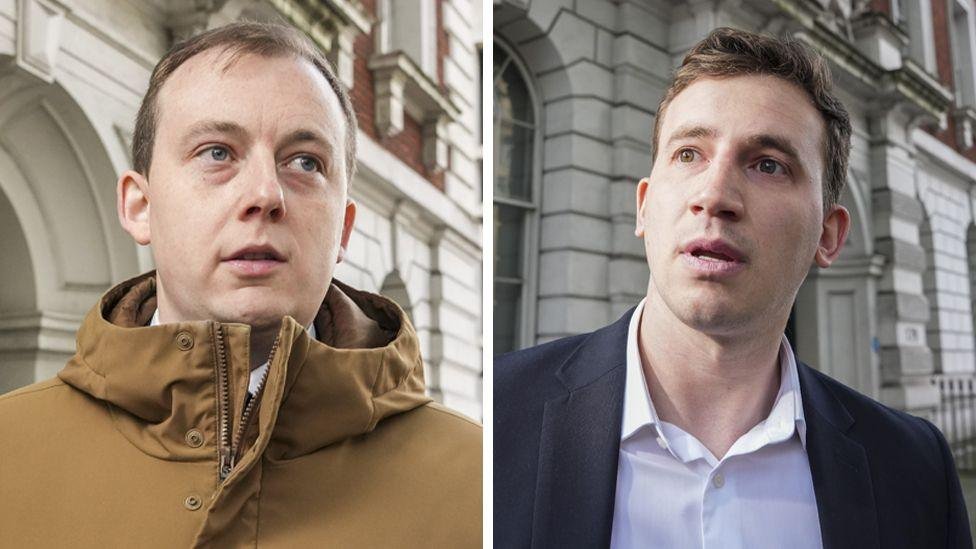
Parliamentary scrutiny over the failed espionage trial involving Christopher Cash, a former parliamentary staffer, and Christopher Berry, an academic from Oxfordshire, has exposed significant weaknesses in how the case was handled. The hearing, conducted on Monday by the joint committee on the national security strategy, marked the first time senior officials publicly explained how the prosecution of the two men, charged with spying offences in 2023, came to collapse. Both men have consistently denied any wrongdoing, and the aborted trial has since sparked intense debate about governmental oversight, national security priorities, and the delicate balance between law enforcement and foreign relations.
For weeks, Westminster has been gripped by questions over the abrupt cessation of the trial. Much of the controversy centered on a perceived tug-of-war between the Crown Prosecution Service (CPS) and the Government itself. Prosecutors argued that the Government’s refusal to formally classify Beijing as a national security threat undermined their legal case, rendering it untenable. At the same time, officials from Downing Street stressed that the alleged offences occurred under the previous Conservative administration and that they were therefore obliged to operate within the constraints of the prior government’s stance on China.

Monday’s hearing provided a rare glimpse into the complexities of the case. Central figures, including Stephen Parkinson, Director of Public Prosecutions, Matthew Collins, the deputy national security adviser, and Sir Chris Wormald, the Cabinet Secretary, faced questions in public for the first time. While the session offered insights, it did little to assign definitive responsibility for the trial’s collapse. Yet several revelations and clarifications emerged, shedding light on procedural shortcomings, communication lapses, and the challenges of prosecuting high-profile espionage cases.
One of the most striking takeaways concerned Mr Collins, who was seen as the star witness for the prosecution. During the hearing, he admitted that he was “surprised” when the case fell apart, despite earlier assessments by the CPS that his evidence might be insufficient to support a conviction. He explained that he “always knew” the prosecution faced challenges but maintained that he had been committed to ensuring a successful outcome. It was only on September 3 that he realised the CPS was dropping the case, which he described as “a bit surprising.” He also noted that he raised several questions with Mr Parkinson in an attempt to salvage the prosecution.
Mr Collins defended his witness statements vigorously, asserting that they highlighted the tangible threats China’s espionage activities posed to the UK’s national security. “I was able to say that China poses a range of threats to our national security,” he told the committee. “These threats are very real and persistent, and our operational partners are managing them daily.” He added that all three of his submissions to prosecutors reflected the seriousness of China’s espionage efforts. When Labour peer Lord Boateng asked whether these statements conveyed that China’s operations jeopardised the integrity of democratic institutions, Mr Collins affirmed unequivocally that they did.
Despite his efforts, however, prosecutors felt that Mr Collins’s evidence ultimately hindered their case. Stephen Parkinson and Tom Little KC, the lead prosecutor, stated that his testimony brought the trial to “a crashing halt.” Mr Little elaborated that Mr Collins had declined to explicitly declare that China represented an active threat to national security at the relevant time—a statement that was central to the prosecution’s case. He warned that reliance on Collins’s testimony would have made the trial “open season for the defence” and confirmed that the team had explored alternative charges but concluded that no viable option remained.

Another point of contention arose from a line in Mr Collins’s third witness statement submitted in August, which mirrored language used in Labour’s 2024 election manifesto. The statement emphasised the Government’s commitment to maintaining a positive relationship with China to foster cooperation and stability. Critics have questioned whether this alignment with Labour policy might have influenced the prosecution, particularly given concerns about potential diplomatic or economic repercussions.
Mr Collins clarified that his reference to Labour’s China policy was made at the request of counter-terrorism police, who wanted to avoid any conflict between his witness statements and the new Government’s official stance. “I drew from an answer to a parliamentary question rather than the manifesto itself,” he said, stressing that the intention was to ensure consistency, not to shape the case in favour of any political agenda.
The hearing also underscored the structural and procedural difficulties of prosecuting espionage cases in the modern context. The CPS and other officials noted that without a clear and unequivocal government position on foreign threats, the legal framework for such prosecutions becomes precarious. The case highlighted the tension between protecting national security, upholding legal standards, and managing international relations—a balance that is often challenging to achieve in real time.
Observers following the hearing noted that it exposed the complexity of assigning blame. While Mr Collins’s statements were scrutinised, they also illustrated the difficulty of prosecuting intelligence-related offences, where evidence is sensitive and often classified, and where government policies can constrain the actions of prosecutors. Both Parkinson and Little acknowledged that these factors contributed to the case’s collapse and stressed that multiple layers of oversight, responsibility, and legal caution were at play.
The case also sparked broader discussion about the UK’s approach to espionage threats from foreign powers. While much of the public debate has focused on procedural failures, the hearing revealed that the UK is contending with increasingly sophisticated intelligence operations from abroad. These operations not only target classified information but also seek to influence public institutions, policy-making, and democratic processes, creating a landscape where prosecution is legally, politically, and operationally complex.

Monday’s proceedings underscored the importance of transparency and accountability, even amid national security concerns. For members of Parliament, the session offered a rare opportunity to question senior officials and to probe the delicate interplay between policy, prosecution, and politics. While definitive conclusions about responsibility remain elusive, the hearing provided insights into the obstacles faced by prosecutors, the challenges of securing actionable evidence, and the pressures exerted by foreign policy considerations on domestic legal processes.
In the aftermath, many analysts argue that lessons from the failed case must inform future responses to espionage threats. Experts recommend clearer government guidance, timely communication between law enforcement and intelligence agencies, and improved legal frameworks to support prosecutions without compromising national security. The China spy hearing serves as a stark reminder of the intricacies involved in holding individuals accountable in cases where global diplomacy, classified intelligence, and domestic law intersect.
Ultimately, while the public may not have received clear answers about who bears responsibility, the hearing highlighted the urgent need for coherent policies and proactive measures. The episode illustrates that prosecuting espionage is not merely a legal challenge; it is also a test of governance, policy consistency, and national security strategy in an era of complex international relations.
Related News:
 Tasers Introduced in UK Prisons to Combat Rising Violence and Protect Staff
 Police Advised to Disclose Ethnicity of Suspects in High-Profile Cases
 Charlie Kirk Killing Used to Mobilise UK’s Largest Far-Right Rally in Decades
 Jailed Georgian Opposition Leaders Warn UK of Iranian Links to Ruling Party
 UK Police to Gain New Powers to Manage Repeated Protests, Home Office Announces
 Boris Johnson Breached Rules on Post-Office Business Contacts
 It’s time to come clean on the China spy case
 French Taxi Driver Cleared in David Lammy Theft Case After Fare Dispute
 Met Police Culture Makes Racial Harm ‘Inevitable’
 Remaining rebel Labour MPs have whip restored
 Victims’ commissioner Baroness Newlove dies aged 63
 MPs Warn Thousands Still Face Poverty Despite Labour’s Welfare Reform Retreat
 Targeted Attack in Bury Sparks Murder Investigation as Community Awaits Justice
 Man Remanded After Children Fall Ill at Leicestershire Summer Camp in Shocking Child Cruelty Case
 UK Government Unveils Tough Crackdown on Social Media Ads Promoting Illegal Channel Crossings
 Hunt Intensifies for Southport Riot Suspects as Police Release Full List of 40 Still at Large
 AI Revolutionises Grooming Gang Investigations as Police Target Cold Cases Across England and Wales
 Police Prepare for Potential Disorder as Far-Right Groups Promote Anti-Migrant Protests Across England
 Mass Arrests in London as Protest Defies Ban on Palestine Action
 David Lammy Faces Possible Legal Challenge Over Foreign Office Secondment Scheme
 Sally Rooney Pledges BBC Royalties to Support Palestine Action Despite UK Terror Ban
 Government Signs Deal with Iraq to Return Illegal Migrants in Latest Bid to Deter Small Boats
 Merseyside Police Helicopter Crew Cleared After Low-Altitude Pursuit of Suspect
 UK Police Face ‘Chronic Pressure’ Amid Surge in Protests Over Asylum and Gaza
 Angela Rayner Admits Underpaying Stamp Duty on £800,000 Seaside Flat
 Urgent Action Needed on Windrush Compensation as Survivors Speak of “Waiting to Die”
 Angela Rayner Faces Scrutiny as Stamp Duty Row Deepens
 Tanni Grey-Thompson Faces Abuse Over Opposition to Assisted Dying Bill
 Peter Mandelson Referred to Jeffrey Epstein as ‘My Best Pal’ in 50th Birthday Letter
 UK Launches Major Crackdown on Networks Profiting from Online Child Sexual Abuse
 First “One In, One Out” Deportation Flight Departs Without Migrants Amid Legal Challenges
 Corbyn and Sultana Clash Over Membership Portal as Divisions Surface in New Leftwing Party
Zarah Sultana Seeks Legal Action After Bitter Clash with Jeremy Corbyn Over Party Membership Funds
Corbyn and Sultana Clash Over Membership Portal as Divisions Surface in New Leftwing Party
Zarah Sultana Seeks Legal Action After Bitter Clash with Jeremy Corbyn Over Party Membership Funds
 Anti-Immigration Protesters and Counter-Protesters Clash in Glasgow
 Mahmood Pledges Reform of Modern Slavery Laws After Court Blocks Deportation Appeal
 Metropolitan Police Considers Requiring Officers to Declare Freemasonry Membership
 Migrants in UK May Need to Contribute or Face Removal, Home Secretary Signals
 No Evidence Found to Substantiate Alleged Rape in Oxfordshire Churchyard, Police Confirm
 MPs’ pay watchdog seeks to give public greater voice in how politicians are funded
 Stephen Lawrence’s Father Demands Justice Before Killer’s Parole
 Starmer Condemns 7 October Student Protests as ‘Un-British’
 Digital ID Plans Ignite Debate Over £600m Treasury Tax Boost and Privacy Concerns
 Madeleine McCann Detectives to Testify Against Woman Accused of Stalking the Family
 Zarah Sultana and Jeremy Corbyn Reunite Amid New Party Plans
 Human Rights Groups Challenge UK-France “One in, One Out” Deal
 Kosovo agrees to host Britain’s refused asylum seekers
 Sex offenders to lose parental rights for children born of rape
 Lucy Powell urged ministers to reconsider costly legal case for Labour donor’s firm
 Starmer Accused of Creating ‘Toxic Downing Street’
 Migrant Sex Offender Deported After Erroneous Prison Release
Johnson Approved China’s London ‘Super-Embassy’ in 2018
Migrant Sex Offender Deported After Erroneous Prison Release
Johnson Approved China’s London ‘Super-Embassy’ in 2018
 Five More Prisoners Freed by Mistake in Essex Week
 Nearly 48,000 Zombie Knives Removed from UK Streets in a Year
 Afghan man charged with murder after west London knife attack
 FBI Director Kash Patel Defends Girlfriend Amid Government Jet Claims
 Phillipson urges careful review of gender recognition guidance
 Just Stop Oil Protesters Convicted Amid Climate Defence Row
 British Grandmother to Return Home After Death Sentence in Bali
 Eleven Arrested After Pro-Palestine Protest at Villa Match
Boris Johnson accused of undermining BBC leadership
Eleven Arrested After Pro-Palestine Protest at Villa Match
Boris Johnson accused of undermining BBC leadership
 ‘Reckless’ cuts to victims’ services will cost more than they save
 BBC Faces Backlash as Reform UK Withdraws from Film
 Palace to reinstate hyphen in Andrew’s surname
 New review urges UK to repatriate Shamima Begum, others from Syria
 Peers Flood Assisted Dying Bill with 942 Amendments
 Navy cuts scrap key landing upgrade for UK F-35B jets
 UK Unveils Fast-Track Deportation and Asylum Overhaul
 UK Asylum Overhaul Sparks Debate Over Human Rights and Deportations
 UK Asylum Reforms: Temporary Refugee Status and Faster Deportations
 UK Candidate Moved to Safe House After Election Threats
 Mahmood Defends Tough Overhaul of UK Asylum System
 Paralegal Fired After Exposé on Illegal Worker Scam
 South African Detained After Neo-Nazi Rally in Australia
 Westminster Advances Legacy Bill Amid Criticism
 Minister Defends Tough New Asylum Reform Plan
 Serial Rapist and Former Cop Found Guilty Again
 Trump Signs Bill Releasing Justice Department Files on Epstein
 Most Tories Expect to Support a Farage-Led Government
 Peers Get Extra Time to Debate Assisted Dying Bill
 Met Police Under Scrutiny for Vetting Failures Among Hundreds of Recruits