Published: 29 October 2025. The English Chronicle Desk. The English Chronicle Online.
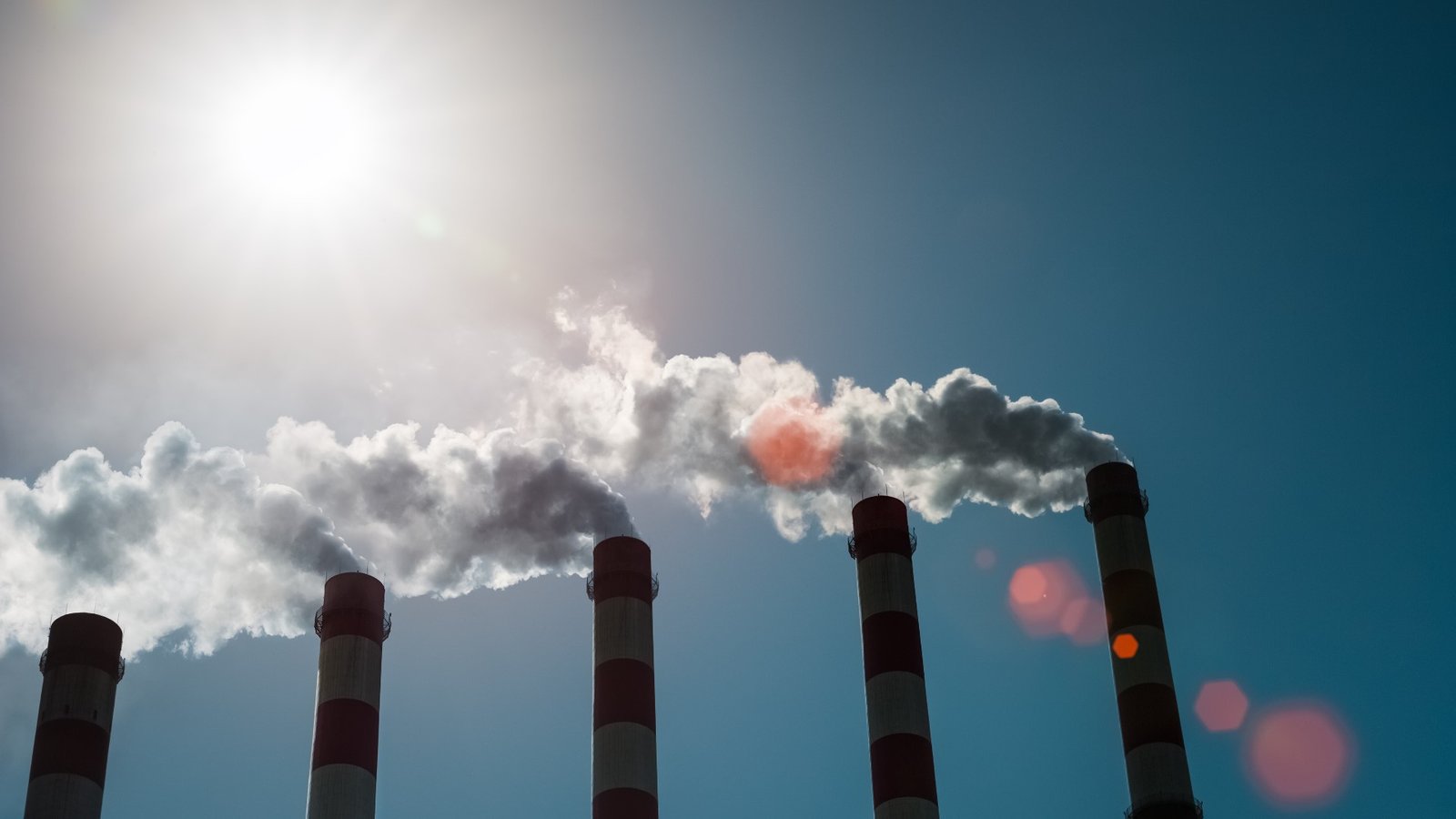
The world’s super-rich in the United States are consuming carbon emissions and depleting the planet’s safe climate space at staggering rates, a new analysis by Oxfam and the Stockholm Environment Institute has revealed. Ahead of the upcoming COP30 climate summit, the report underscores the widening climate inequality, with a tiny fraction of Americans disproportionately driving environmental destruction while the poorest bear the worst consequences.
According to the study, the wealthiest 0.1% of the US population—billionaires and multimillionaires—emit carbon at 4,000 times the pace of the poorest 10%. Their combined carbon footprint is also 183 times greater than the global average, showing just how concentrated the responsibility for climate change has become.

On a daily basis, each member of this elite emits approximately 2.2 tonnes of CO2, roughly the equivalent weight of a rhinoceros or a standard SUV. In stark contrast, a citizen of Somalia, part of the world’s poorest population, emits only 82 grams of CO2 a day—barely the mass of a tomato or half a cup of rice. The global average, in comparison, stands at 12 kilograms per person per day, roughly the weight of a standard car tyre.
Oxfam’s analysis highlights that the lavish lifestyles of the ultra-rich—including private jets, superyachts, and sprawling mansions—combined with investments in polluting industries, are central to their outsized climate impact. The organisation warns that these lifestyles and financial practices are accelerating the depletion of the planet’s remaining “safe” climate space, threatening ecosystems, human livelihoods, and the stability of the global climate.
The study further revealed that 308 of the world’s billionaires, taken together, have a carbon footprint so large that, if considered a country, they would rank as the 15th most polluting nation in the world. This striking comparison lays bare the stark imbalance between the emissions of the global elite and the millions living in extreme poverty, who are least responsible for climate change yet most exposed to its devastating effects.
Oxfam’s report also traces the growth of this carbon divide over the past three decades. Since 1990, the share of emissions attributable to the richest 0.1% has risen by 32%, while emissions from the poorest 50% of the population have fallen by 3%. This widening gap, the report argues, is a direct consequence of entrenched economic inequality and the ability of the wealthy to use their resources to shield themselves from accountability for their environmental impact.
Amitabh Behar, executive director of Oxfam International, described the findings in stark terms: “The climate crisis is an inequality crisis. The very richest individuals in the world are funding and profiting from climate destruction, leaving the global majority to bear the fatal consequences of their unchecked power.”
The report also highlights the dangerous feedback loops created by this concentration of wealth and emissions. As power and resources become concentrated in the hands of a few, so does the responsibility for climate destruction. Wealthy individuals are often able to leverage their influence to deny, delay, or distract from necessary emissions reductions. Their lobbying, political donations, and control of media narratives have contributed to postponing meaningful climate action, further compounding the risks faced by vulnerable populations around the globe.
The timing of the report is significant, as world leaders prepare to convene at COP30. Oxfam has called on governments to address both carbon inequality and economic inequality, stressing that climate policies must target not only national emissions but also the consumption patterns of the wealthiest individuals who are disproportionately responsible. The organisation advocates for measures such as progressive carbon taxes, regulations on private aviation and luxury emissions, and greater transparency in corporate and personal carbon reporting.
Experts warn that failure to curb the carbon footprint of the super-rich could undermine international climate goals. Despite global efforts to limit warming to 1.5°C, the growing emissions from a small elite threaten to erode the remaining “carbon budget” available for the planet. In effect, while billions of ordinary people are forced to limit consumption and change their daily habits, a tiny minority continues to consume carbon at unsustainable rates.

The Oxfam report paints a compelling picture of the intersection between wealth and environmental degradation. It demonstrates that addressing climate change is not merely a technical challenge of reducing emissions—it is also a moral and political challenge of addressing inequality and the disproportionate impact of a few on the planet’s ecological systems.
As COP30 approaches, the report is likely to fuel debate over how international climate agreements can tackle the outsized footprint of the global elite. Environmental campaigners argue that without explicit measures targeting high emitters, the world risks failing to meet its climate commitments, leaving the most vulnerable populations to face the consequences of rising temperatures, extreme weather, and ecological collapse.
In conclusion, Oxfam’s analysis serves as a stark reminder that the climate crisis is inseparable from global economic inequality. The super-rich are not only responsible for massive emissions but are also benefiting from systems that allow them to evade accountability, all while the poorest communities bear the brunt of climate change’s devastating impacts. The findings highlight an urgent need for policies that tackle both wealth concentration and environmental destruction, ensuring that the burden of climate action does not fall unfairly on those least responsible.
Related News:
 UK Charters Emergency Flights to Evacuate Britons from Jamaica
 Vietnam Battles Deadly Floods as Rains Continue
 Sri Lanka Floods Leave 56 Dead, Dozens Missing
 India’s Labour Law Overhaul Sparks Fierce Debate
 Carney’s Alberta Pipeline Deal Sparks Immediate Pushback
 One Dead and Hundreds Evacuated as Wildfires Ravage France and Spain Amid Southern Europe Heatwave
 Assumption Island Dispute Dominates Seychelles Election as Environment, Economy and Geopolitics Collide
 Fed Cuts US Interest Rates Again Amid Labour Market Uncertainty
 Hurricane Melissa Leaves Devastation Across Jamaica as Death Toll Rises
 Millions of Brits Adjust Lifestyle to Afford Essentials
 Mikie Sherrill Elected New Jersey’s Governor in Key Win
 Britain deploys RAF specialists to assist Belgium with drone threats
 US Senate Passes Funding Bill to End Historic Shutdown
 BBC’s Tim Davie to Address Staff Amid Trump $1bn Threat
 Thailand Suspends Cambodia Border Peace Deal Amid Tensions
 Six Dead as Super Typhoon Fung-wong Hits the Philippines
 China’s Youth Save, Not Spend, Amid Job and Housing Worries
 Fog Aids Russian Forces in Deep Push into Pokrovsk
 Hitler’s DNA Confirms He Truly Had Only One Testicle
 Meny Godard Identified as Israeli Hostage Body Returned by Hamas
 US Justice Department Files Lawsuit Against California Over Partisan Voting Maps
 Switzerland Rolls Out Charm Offensive to Cut Trump’s 39% Tariffs
 Bataclan Anniversary: France Remembers but Jihadist Danger Lingers
 Israel Confirms Returned Hostage as Meny Godard
 China Gained Military-Tech Access Through UK Investments
 December Run-Off in Chile as Election Produces No Winner
 Zelenskyy Signs Fighter Jet Deal Amid Russian Drone Attacks
 Orban Says Ukraine Has ‘No Chance’ as EU Support Continues
 UN Security Council Approves Trump’s Gaza Peace Plan
 Cardiff Nights Could Propel Wales to World Cup Glory
 Israeli Strike Kills 13 Near Palestinian Camp in Lebanon
 Zelensky Meets US Envoy in Turkey to Push Ukraine Peace Talks
 Congress Approves Release of Epstein Files, Trump Expected to Sign
 Cristiano Ronaldo Joins Trump, Bin Salman at State Dinner
 Shadow Fleet at Sea: Europe’s Battle Against Illicit Oil Shipping
 Haiti Qualifies for World Cup Despite Coach Never Visiting Country
 Deadly Russian Strikes Hit Western Ukraine, 20 Killed in Ternopil
 Rama Rebukes Mahmood for Targeting Albanian Families
 Russian Vessel Used Lasers on RAF Pilots, UK Claims
 Scotland Fans Celebrate Historic World Cup Qualification
 Pentagon Officials in Ukraine to Discuss War End
 Turkey to Host COP31 After Breakthrough Deal with Australia
 Ukraine Peace Plan: Zelensky Ready for Dialogue
 UPS Plane Engine Detaches Before Deadly Crash
 WhatsApp Messages Expose Nathan Gill’s Bribery
 UK Government Borrowing Higher Than Expected
 South African Women Call Purple Protest Over Gender Violence
 Miss Mexico Wins Miss Universe After Walkout Drama
 Venezuela Threatens Nobel Winner Machado with Fugitive Status
 At Least Three Dead in Bangladesh Earthquake
 Texas Governor Faces Lawsuit From CAIR
 Israel Confirms Hamas Returned Dror Or’s Body
 Trump Envoy to Discuss Ukraine Peace at Kremlin
 Twenty-Four Nigerian Schoolgirls Freed After Abduction
 Historic Floods Devastate Thailand and Southeast Asia
 India, Pakistan to Clash in T20 World Cup 2026 Group Match
 Trump EPA Moves to Roll Back Soot Pollution Limits
 US Suspends Afghan Immigration After White House Shooting
 Two National Guard Soldiers Critically Injured Near White House
 Pope Leo XIV Begins Historic Trip to Turkey and Lebanon
 Australia Launches Major Environmental Law Reforms
 Georgians Defy Government Crackdown After Year of Protests
 Mbappe Scores 4 as Real Madrid Edge Olympiakos
 Man City Lose, Champions League Risk
 Israel Expands Gaza Strikes Beyond Ceasefire Line
 Putin Intensifies Territorial Demands Before US Talks
 Video shows Israeli troops kill Palestinians after surrender
 Trump to Recheck Green Cards from 19 Nations After DC Attack
 Southeast Asia floods claim 241 lives, rescue efforts continue
 Chinese & Japanese Boats Clash Near Disputed Islands
 Putin Meets US Envoy Amid Key Ukraine Peace Talks
 UK Criticises Gaza Aid Delays as Tents Arrive After Year
 Kremlin Talks With US Yield No Ukraine Peace Breakthrough
 Indonesia to Repatriate Two Dutch Drug Convicts
 Chaos at Ibrox as Martin’s Rangers Era Comes to an End
 Green Party Surges Past Labour in Latest UK Poll
 Prince William Plants Trees with Brazil’s Nature Heroes
 Son Reveals UK Couple in Iran Resort to Hunger Strike for Help
 Former Lion Heskey Warns of Shortage of England Strikers
 Trump Deploys DHS to Charlotte in Major Arrest Operation