Published: 13 November 2025 | The English Chronicle Desk | The English Chronicle Online
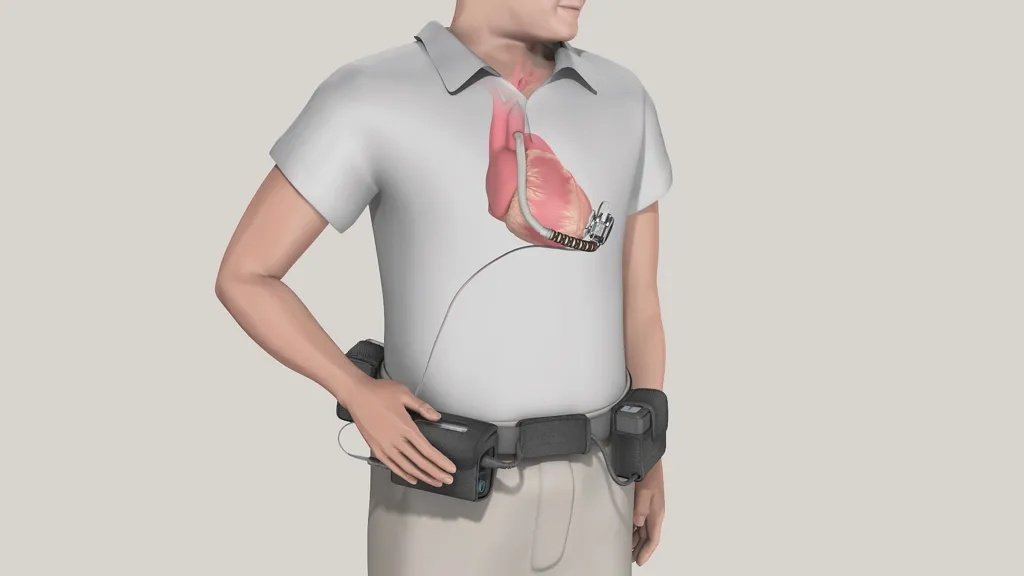
Hospitals continued to implant a controversial heart device despite knowing it carried a higher risk of death, putting dozens of patients in danger, a BBC investigation has found. Two of the UK’s leading heart transplant centres – the Freeman Hospital in Newcastle and Harefield Hospital in London – fitted patients with the Medtronic HeartWare HVAD even after NHS data raised serious safety concerns about the device in 2018.
Among the patients who received the mechanical pump, half died within three years. One of them, 26-year-old Greg Marshall, was fitted with the device in 2019 and died four years later. His mother, Tessa Marshall, said she was “disgusted and appalled” to learn that hospitals continued using the device despite knowing of its risks.
It has also emerged that leading cardiologists at both hospitals acted as paid consultants for Medtronic, the device’s manufacturer – a fact known to their employers.

The two hospitals questioned the reliability of the NHS data and continued using the device for several years. Medtronic ultimately withdrew the HeartWare HVAD from the market in June 2021 on safety grounds, acknowledging an increased rate of strokes and deaths compared with its main competitor, the Abbott HeartMate III.
Left Ventricular Assist Devices (LVADs) are mechanical pumps used to help patients with severe heart failure by circulating blood throughout the body. They are often used as a bridge to heart transplantation or as long-term support for those who are not transplant candidates. For years, hospitals could choose between two devices: Medtronic’s HeartWare HVAD and Abbott’s HeartMate III.
NHS Blood and Transplant (NHSBT) carried out a preliminary audit of the two devices in 2018, followed by a more detailed analysis in 2019. The results were alarming: 45% of patients fitted with the Medtronic device had died within two years, compared to just 15% of those with the Abbott device. The audit also found significantly higher rates of strokes and pump failures in patients using the Medtronic model.
The Royal Papworth Hospital in Cambridge stopped using the Medtronic device in early 2018 after reviewing global trial data that showed the HeartMate III was safer and more effective. In contrast, Harefield continued using the Medtronic model exclusively until early 2021, while the Freeman stopped only in June 2021 – the same month Medtronic withdrew it from sale.
Despite the NHSBT’s findings, the UK regulator – the Medicines and Healthcare products Regulatory Agency (MHRA) – continued to approve the device for use, unaware of the NHS data. Between October 2018 and June 2021, the mortality rate for patients with the Medtronic pump was two-and-a-half times higher than for those fitted with Abbott’s model, according to data released under the Freedom of Information Act.
Medtronic said it decided to pull the device from the market after growing evidence of safety problems, including cases where the pump failed to restart after being stopped.
Greg Marshall’s case illustrates the devastating consequences of these failures. A fit young man who had hoped to join the Royal Marines, Greg suffered acute heart failure in 2019. He was offered the Medtronic device at the Freeman Hospital months after the NHS had already highlighted the concerns. His family said they were not told about the device’s poor performance compared to its rival, only hearing from another patient who praised it.

During surgery, Greg suffered a stroke that left him partially paralysed and impaired his speech. Though he slowly recovered, his heart pump failed in 2020 and could not be restarted. Terrified of another stroke, he refused further surgery. The broken device remained inside his body for three years until he suffered a fatal cardiac arrest in September 2023.
The Newcastle NHS Trust later confirmed that three patients may have died due to this type of pump failure. It said the issue of the device not restarting first became known in December 2020 – five months after Greg’s incident – when Medtronic issued a safety alert.
Greg’s surgeon, Professor Stephan Schueler, who was head of cardiothoracic surgery at the Freeman Hospital, had long-standing links with Medtronic. His family said he did not disclose this relationship, despite General Medical Council (GMC) rules requiring transparency.
Prof Schueler denied any conflict of interest, saying there was “never a financial incentive” to use one device over another and that he always acted within GMC standards. He added that the decision-making process involved a team of specialists.
Such financial ties between clinicians and medical manufacturers are not uncommon and are often seen as mutually beneficial, though doctors must declare them to patients.
The Freeman Hospital expressed “sincere condolences” to Greg’s family and said it was investigating his case. It acknowledged knowing about the NHS data in 2019 but questioned its scientific validity, arguing that the findings had not been published in peer-reviewed journals and that other studies had shown good outcomes for the Medtronic pump.

Robbie Burns, a patient representative with NHS Blood and Transplant who obtained internal hospital documents, said there should be an external inquiry. “It was entirely preventable,” he said. “If I had been in the position of receiving this device, I’d be asking, ‘Why on earth did you do this?’”
Prof Schueler maintained that the Medtronic device had certain advantages, such as being suitable for smaller patients, and that the decision to continue using it was taken after careful assessment of risks and benefits.
At Harefield Hospital, Dr André Simon, the former head of transplant services, also had a long-standing relationship with Medtronic. His successor, Dr John Dunning, told the BBC that the hospital continued using the device mainly because it had been Dr Simon’s preference.
Harefield said it was aware of Dr Simon’s consultancy work, which had been declared in multiple academic papers. The hospital stated that several senior clinicians supported the continued use of the Medtronic device until the manufacturer’s 2021 safety notice.
Both hospitals defended their decisions, saying they were based on complex clinical judgements and that, at the time, there were “no clear grounds” to conclude that the Medtronic pump was inferior. Harefield added that an external review of its services in 2019 made no criticism of its device choices.
Greg Marshall’s mother now wants answers about why her son – and many others – were given a device already known to be riskier than its alternative. “We were told this was his only option,” she said. “I kick myself now for not doing more research.”
Related News:
 Mother dies after black market weight loss injection
 Young Woman Missed 13 Times by GPs Before Bowel Cancer Diagnosis
 Experts Warn on Home Birth Risks, Call for Skilled Midwives
 Leading doctors issue warning amid ‘bad’ flu season
 Inquiry Opens Into Disgraced Surgeon Eljamel Scandal
 Appalling Rise in Pharmacy Crimes: Staff Face Increasing Theft and Aggression
 Alarming rise in abusive teen relationships in the UK sparks urgent warnings
 Systemic Racism in Maternity Care Continues to Endanger Black Women in England, MPs Warn
 UK Doctors Guilty of Sexual Misconduct Continue Practising Amid Weak Sanctions, Research Finds
 Majority of UK Men Would Opt for Prostate Cancer Screening, Survey Finds
 Ambulance Worker Fired After Flinging Amputee from Wheelchair and Offering Bribe
 Thousands in the UK sue Johnson & Johnson over alleged talcum powder, linked to cancer
 Peterborough Mosques Tighten Security After Attack
 Hospice Cuts Raise Alarm Across England Amid Funding Crisis
 Five More Prisoners Freed by Mistake in Essex Week
 How Bringing Forests Into Preschools Boosts Children’s Health
 Nearly 48,000 Zombie Knives Removed from UK Streets in a Year
 The diet that can significantly ease symptoms of IBS
 Celebrities and Charities Demand UK Government Act on Child Poverty
 Afghan man charged with murder after west London knife attack
 Reform Councillor Defects to Tories Over ‘Uncomfortable’ Policies
 FBI Director Kash Patel Defends Girlfriend Amid Government Jet Claims
 Trump Speaks on Prince Andrew’s Royal Scandal Fallout
 Man Charged Over Cambridgeshire Train Stabbing
 French Taxi Driver Cleared in David Lammy Theft Case After Fare Dispute
 UK Bans Fake Numbers: Scammers Lose Their Trick
 Just Stop Oil Protesters Convicted Amid Climate Defence Row
 Experts Urge Legal Right to Timely Cancer Care
 Met Police Culture Makes Racial Harm ‘Inevitable’
 Patients to Test Health at Home to Ease NHS Winter Pressure
 London’s Childlessness Crisis: Schools Closing as Families Shrink
 British Grandmother to Return Home After Death Sentence in Bali
 Eleven Arrested After Pro-Palestine Protest at Villa Match
 Jailed UK climate protesters face extremist-style restrictions
 Boris Johnson accused of undermining BBC leadership
 North Sea oil workers must lose weight or face job loss
 Remaining rebel Labour MPs have whip restored
 Crisis charity to become landlord amid UK housing emergency
 No link found between paracetamol in pregnancy and autism
 How to get help when a child goes missing – call 999 urgently
 ‘Reckless’ cuts to victims’ services will cost more than they save
 BBC Faces Backlash as Reform UK Withdraws from Film
 Madeleine McCann Suspect Forced into Woodland Hideout After Release
 UK Disability Pay Gap Means Millions Work for Free From Today
 Shouting Works Best to Deter Gulls, UK Study Finds
 Reeves rejects £1bn plea for NHS redundancy payouts
 Reeves Rejects £1bn NHS Payout Plea from Streeting
 ‘Fever Pitch’ Screaming: Red Flags Before Sara Sharif’s Death
 Met Police Clarifies Scale of Grooming Gang Cases
 ‘Fake Admiral’ Sparks Outrage at Remembrance Event
 Mum Calls for New Licence Rules After Teen Road Death
 UK Candidate Moved to Safe House After Election Threats
 Paralegal Fired After Exposé on Illegal Worker Scam
 Dan Wootton Rejects Catfishing Allegation in Court
 Mother Watches in Horror as Teen Daughter Dies on Tracks
 ‘Traumatic Wait’: Northern Ireland Women Face Breast Cancer Delays
 Serial Rapist and Former Cop Found Guilty Again
 Podcaster Faces Abuse Charges Over Controlling Behaviour
 Boris Johnson Oversaw Toxic No 10 Culture, Covid Inquiry Finds
 Welsh Government Christmas 2020 Lockdown Criticised
 Coffins Now Too Large to Cremate Amid Rising Obesity Crisis
 Police Name Woman Who Died in Swindon as Murder Probe Continues
 Thinktank Urges Smaller Hospitals to End NHS ‘Permacrisis’
 Most Tories Expect to Support a Farage-Led Government
 NHS paediatric leave parents waiting months for answers
 Catherine urges end to stigma around addiction
 Swindon Counsellor Dies; Teen Arrested and Released
 Carer’s Allowance Chaos Draws Parallels With Post Office Scandal
 DWP to Reassess Hundreds of Thousands in Carer Allowance Scandal
 Gardener Guilty of Brutal Attack on Teacher Partner
 BBC Chairman Faces Scrutiny Over Bias Claims
 Ex-Classmate Accuses Farage of Dishonesty on Racism Claims
 15-Year-Old Arrested After Sheffield Shooting Leaves Teen Critical
 Sudanese Family Vows to Stay After Racist Graffiti
 Ex-Brexit MEP Rejects Claim of Pro-Russia Payments
 Fibromyalgia Patients Struggle as NHS Fails to Provide Care
 Twelve Prisoners Released in Error, Two Still Missing
 Streeting launches review into mental health and ADHD diagnoses
 Flu cases in Scotland more than double in a week
 People in England’s Poorest Areas Face Higher Lung Health Emergencies