Published: 17 November 2025 Monday. The English Chronicle Desk. The English Chronicle Online
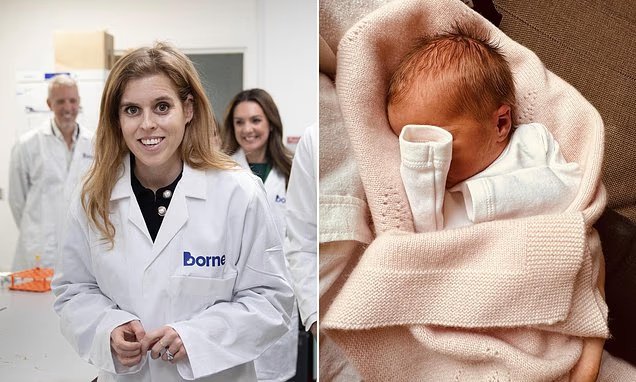
Princess Beatrice has opened up about the emotional challenges of premature birth, describing the experience as “incredibly lonely” as she reflected on her own journey in a new podcast interview released ahead of World Prematurity Day. Speaking with striking honesty, the princess offered rare personal insight into her pregnancy with her second daughter, who arrived several weeks early. Her words form part of a wider awareness campaign by the charity Borne, where she has served as patron since shortly after her daughter’s birth.
In the interview, Beatrice spoke candidly about the pressure many mothers feel to appear in control, even at moments when fear and uncertainty dominate. She explained that premature birth can leave parents feeling isolated and overwhelmed, particularly when plans for a full-term delivery unravel without warning. As she described it, the moment a mother learns her baby is likely to arrive early is one that can feel strangely solitary, even when surrounded by medical care and family support.
Her reflections were delivered with a sense of empathy for other parents going through similar experiences, underlining the emotional toll that premature birth can take. Beatrice noted that the culture surrounding motherhood often expects women to cope flawlessly, yet moments of crisis expose how fragile and unpredictable pregnancy can be. She emphasised that speaking openly about these struggles can help families feel less alone and encourage broader understanding of the challenges posed by prematurity.

News of Beatrice’s second pregnancy was announced by Buckingham Palace in October of last year, and she welcomed her daughter, Athena Elizabeth Rose, in January. At thirty-seven, the princess had been expecting to give birth in early spring, but in December her doctors advised her to avoid long-distance travel and prepare for the possibility of an early arrival. At the time, she had planned to spend the festive period abroad, but the unexpected medical advice led her to remain in the UK. She joined the royal family at church in Sandringham on Christmas Day, a decision shaped not only by tradition but also by caution, as doctors had warned that Athena might arrive ahead of schedule.
In March, Beatrice wrote an article for British Vogue in which she elaborated on the sense of powerlessness that accompanies premature labour. She described the experience as one in which “there’s so little control,” capturing the vulnerability many parents feel when faced with circumstances outside their expectations. Her reflections in the article focused on the emotional uncertainty of the weeks leading up to her daughter’s birth and the relief that came only when she was able to hold her newborn safely in her arms.
Her connection with Borne, the UK charity dedicated to research into premature birth, grew out of this experience. She became patron months after Athena’s arrival and has since spoken passionately about the need for greater understanding, medical research, and public awareness. Last week, she visited the charity’s research laboratories at Chelsea and Westminster Hospital in London as part of the Every Week Counts campaign, where she met scientists, clinicians, and families affected by prematurity. During the visit, she expressed a sense of “life changing relief” in knowing that organisations like Borne are committed to finding answers and supporting parents through some of their most vulnerable moments.
Borne’s work has taken on a growing urgency in recent years. According to the charity, fifteen million babies worldwide are born prematurely each year. In the United Kingdom alone, sixty thousand babies arrive too soon—equivalent to one in every thirteen births. Complications from prematurity remain a leading cause of neonatal death, and many survivors face lifelong disabilities ranging from developmental delays to complications with hearing, vision, and motor function. These statistics form the backdrop to the charity’s drive to expand research and improve early intervention, aiming to give more babies the chance of healthy, full-term development.
During her interview, Beatrice explained that part of her motivation for speaking publicly is a desire to create a space for families to share their stories. She said she hopes that by opening up about her own journey, she can encourage others to come forward with their experiences and foster a sense of community among parents who might otherwise feel isolated. Between doctor visits, neonatal care units, and the uncertainty of not knowing what the next day may bring, premature birth often places parents in emotionally challenging positions where support and understanding become essential.
Her message was one of compassion and solidarity, particularly for mothers who feel overwhelmed by the expectation to handle everything perfectly. She acknowledged the emotional strain of hearing unexpected medical news during pregnancy and the way fear can take hold when doctors warn that a baby may be born before they are ready. While she described her own experience in deeply personal terms, she emphasised that many families have walked similar paths and that their stories deserve visibility and empathy.
Her advocacy also underscores the significance of World Prematurity Day, which is marked each year by the World Health Organization to raise awareness about premature birth and its impact on families globally. The day serves as an international moment of reflection, education, and support for parents who have faced the challenges of early labour. For Beatrice, the day also represents an opportunity to amplify the work of researchers and clinicians striving to understand why premature birth happens and how its risks can be reduced.

In addition to her charitable work, the princess has been recognised for helping to shift the conversation around maternal health by speaking about topics that are often kept private. Her openness reflects a broader effort within the royal family to engage with causes that resonate personally rather than symbolically, contributing to a more relatable and contemporary image of royal public service. Her role as a patron of Borne positions her at the intersection of advocacy, scientific research, and emotional support, lending her voice to an issue that affects families across the world.
Beatrice expressed hope that her involvement in the campaign would help bring together people with diverse experiences, creating a collective space for learning and connection. She said that by sharing stories, families might find not only comfort but also strength in understanding that they are not alone in navigating the uncertainties of premature birth. Her reflections carry a reassurance rooted in personal experience, offering both acknowledgment of the loneliness such moments can bring and encouragement for others to speak openly about their journeys.
As she continues to support Borne’s mission, the princess remains committed to championing the research that may one day reduce the number of premature births and provide clearer answers for expectant parents. Her support reflects a combination of personal gratitude and a desire to help others facing similar circumstances. For her, the goal is not only to raise awareness but also to nurture a culture in which the emotional realities of pregnancy—both joyful and challenging—are acknowledged without judgment.
World Prematurity Day arrives as a reminder of how fragile the early moments of life can be and how vital support networks, medical research, and open conversations are in helping families navigate uncertainty. Through her own story, Princess Beatrice contributes to that conversation with honesty, empathy, and a desire to build a more understanding community for parents around the world.
Related News:
 107-Year-Old Veteran Credits Whiskey for Longevity
 Ageless Energy: How Life After 40 Is Sparking a New Era of Vitality and Innovation
 The Ketamine Crisis in the UK is a Silent Epidemic Leaving Users with Lifelong Pain
 Prince Harry Cleared of Bullying Allegations Amid Charity Dispute Fallout
 Verbal Abuse in Childhood Linked to Greater Risk of Poor Mental Health in Adulthood, New Study Reveals
 ‘I’m Trying to Cut Down My Alcohol Intake and This 99p Low-Calorie Drink Converted Me’
 Woman Warned She Might Need Leg Amputation to Survive After Liquid Brazilian Butt Lift
 Alarming rise in abusive teen relationships in the UK sparks urgent warnings
 Breakthrough Clinical Trial Lets 12-Year-Old Boy with Rare Skin Disorder Play Football
 Inquest Finds Agency Worker Failings Led to Unlawful Death of Vulnerable 14-Year-Old
 Close Friend of Princes William and Harry Faces Delicate Godparent Decision
 Shocking Rise in Children’s Exposure to Violent Online Pornography Raises Alarm
 Calls Grow for a Complete Ban on Smacking as Public Opinion Shifts
 Martha’s Rule Now Fully Implemented Across All Acute Hospitals in England
 Why E-Bikes and E-Scooters Are Making Streets a ‘Nightmare’ for Blind People
 Council Proposes Limits on Ice Cream Van Music and Parking in South Cambridgeshire
 The Sleep System That Could Influence Dementia Risk
 Norfolk Hospital Ranked Worst in England as NHS League Tables Return
 More Than Half of UK Births Now Involve Medical Intervention
 Prince Harry Meets King Charles in First Private Encounter in 19 Months
 NHS ‘Toxic Culture’ Risks Harm to Mothers and Babies, Health Leader Warns
 First Group of Children from Gaza Arrive in UK for Life-Saving NHS Treatment
 One in Three GPs in England Do Not Work in NHS, Raising Concerns Over Access to Care
 UK Doctors Guilty of Sexual Misconduct Continue Practising Amid Weak Sanctions, Research Finds
 Private Psychology Costs Surge in UK as Practitioners Turn Away Clients Amid Record Demand
 Global Study Reveals Violence in GP Surgeries Linked to Long Waiting Times and Drug Refusals
 Heavy Drinkers Lead Growth in Non-Alcoholic and Low-Alcohol Market
 Starmer Unveils Plan for NHS “Online Hospital” to Tackle Waiting Lists
 Tragic Death Strikes Half-Marathon in Stoke-on-Trent: Runner Dies Shortly After Crossing Finish Line
 George and Amal Clooney Celebrate Global Human Rights Champions at Star-Studded Albies
 One in four UK residents fear a loved one drinks excessively as addiction concerns rise
 Majority of UK Men Would Opt for Prostate Cancer Screening, Survey Finds
One in Three UK Workers Call in Sick After Work Drinks as Cultural Pressures Persist, Survey Finds
Majority of UK Men Would Opt for Prostate Cancer Screening, Survey Finds
One in Three UK Workers Call in Sick After Work Drinks as Cultural Pressures Persist, Survey Finds
 NHS Facilities Staff Vote to Strike Over Pay Discrimination
 Sussexes Warn on Children’s Phone Use Echoing Princess of Wales
 Ambulance Worker Fired After Flinging Amputee from Wheelchair and Offering Bribe
 Women Challenge Meta Over Targeted Ads After Miscarriage
 Mum’s Final Wish: Donating Her Body to Science
 UK Woman Becomes Longest Survivor of Heart-Lung Transplant
 Admiral of the Fleet Sir David Bathurst Dies Aged 89
£18 Prostate Cancer Test Could Save Thousands of Lives
Admiral of the Fleet Sir David Bathurst Dies Aged 89
£18 Prostate Cancer Test Could Save Thousands of Lives
 New wearable UV detector aims to prevent sunburn
 Pregnant Women in England Face Rising Risk of Severe Birth Injury
 One in 12 Secondary Pupils Sent to Isolation Weekly
 M&S and Morrisons Lead Christmas Supermarket Taste Test
 UK Health Leaders Push for Urgent Tobacco & Vape Bill
 Prince Andrew May Leave Royal Lodge for Frogmore Cottage
 Man Trapped in Quicksand Rescued in Dramatic Coastal Rescue
 King Charles Heckled Over Prince Andrew-Epstein Links
 Marie Curie Launches End-of-Life Checklist to Ease Stress
 Hospice Cuts Raise Alarm Across England Amid Funding Crisis
 Morning-After Pill Now Free Across England’s Pharmacies
 Experts Warn on Home Birth Risks, Call for Skilled Midwives
 Prince William Plants Trees with Brazil’s Nature Heroes
 Oprah enjoys Meghan’s jam on English muffins
 Experts Urge Legal Right to Timely Cancer Care
 Earl of Yarmouth Faces £1.3m Legal Bill Over Family Estate
 North Sea oil workers must lose weight or face job loss
 Crisis charity to become landlord amid UK housing emergency
No link found between paracetamol in pregnancy and autism
Crisis charity to become landlord amid UK housing emergency
No link found between paracetamol in pregnancy and autism
 NHS frontline staff forced to cover gaps as managers remain scarce
 Seven Conditions That Automatically Qualify You for a Free Bus Pass
 The Debate Over Princess Beatrice and Eugenie’s Royal Status Intensifies
 Understanding Missing Children: Facts vs. Myths
 Shouting Works Best to Deter Gulls, UK Study Finds
 Reeves rejects £1bn plea for NHS redundancy payouts
 Leading doctors issue warning amid ‘bad’ flu season
 Royal Hopes Rest on George and the Next Generation
 Working-Class Men with Prostate Cancer Left Behind by NHS
 Senator John Fetterman Hospitalized After Fall from Heart Flare-Up, Keeps Sense of Humor
 Nestle Criticised for Adding Sugar to Baby Food in Developing Nations
 ‘Traumatic Wait’: Northern Ireland Women Face Breast Cancer Delays
 Healthy Habits in Your 30s That Boost Life in Your 70s
 Woman Meets Boy Whose Life She Saved with Kidney
 Coffins Now Too Large to Cremate Amid Rising Obesity Crisis
 Catherine urges end to stigma around addiction
 Vicki Fears Losing Motability Car
 Delhi’s Toxic Air Crisis Leaves Children Sick and Vulnerable
 Fibromyalgia Patients Struggle as NHS Fails to Provide Care
 “Enough is Enough”: Local MP Vows to Fight Rainham Quarry Plans