Published: 26 November 2025 Wednesday. The English Chronicle Desk. The English Chronicle Online
Donald Trump’s overseas envoy, Steve Witkoff, is scheduled to hold talks at the Kremlin next week as the United States continues its diplomatic push for a peace deal aimed at ending the ongoing war in Ukraine. The visit, confirmed by Vladimir Putin’s close foreign policy aide Yuri Ushakov, comes amid growing international focus on advancing a US-brokered plan that outlines potential pathways to resolve one of the most enduring and complex conflicts in recent European history.
According to officials, the visit follows Ukraine’s announcement that it has reached a “common understanding” with the White House regarding the structure of a proposed peace framework. This agreement, although not yet formalised, represents a significant step in ongoing diplomatic efforts to reconcile competing demands from Kyiv, Moscow, and Western allies. On Tuesday, Trump publicly stated that he had tasked Witkoff with meeting the Russian president, while US Secretary of the Army Dan Driscoll was dispatched to Ukraine to oversee discussions with Kyiv’s leadership.
The diplomatic engagement comes after the leak of a 28-point draft plan last week. Trump described the document as a blueprint that had since been “fine-tuned with additional input from both sides.” While the plan’s release sparked immediate debate in the international community, it has also injected fresh momentum into talks that appeared stalled for weeks. Analysts note that the leak underscored both the fragility and urgency of negotiations, highlighting the delicate balance between securing Ukrainian sovereignty and meeting Russian territorial demands.

Simultaneously, European and Western leaders have stepped up their involvement. On Tuesday, French President Emmanuel Macron and UK Prime Minister Sir Keir Starmer chaired a meeting of the so-called “coalition of the willing,” a loose grouping of Ukraine’s allies committed to providing continued defence support in the event of a ceasefire. US Secretary of State Marco Rubio also participated, discussing the possibility of forming a peacekeeping force to oversee a potential truce. The coalition has stressed that security guarantees for Ukraine remain a crucial precondition for any formal agreement.
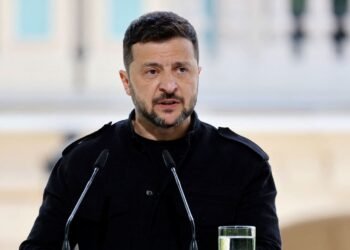
Moscow and Kyiv remain at odds over several core issues. Ukrainian President Volodymyr Zelensky has stated that the “main problem” blocking peace is Russia’s insistence on legal recognition of territory seized during the conflict, including the eastern Donbas region. Moscow, for its part, continues to demand a full Ukrainian withdrawal from Donetsk and Luhansk, while retaining control over Crimea, which it annexed in 2014, and large portions of Kherson and Zaporizhzhia. These territorial disputes have complicated negotiations, leaving both sides wary of concessions.
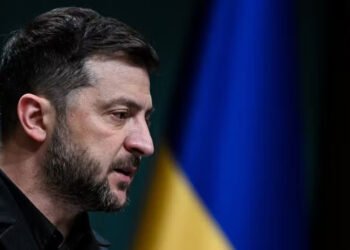
The leaked draft plan, which was initially met with scepticism, included several points that reflected key Kremlin demands. These proposals suggested Ukraine could cede control of certain regions, agree not to join NATO, and significantly reduce the size of its armed forces. While Russian President Putin described the draft as a potential “basis” for a deal, Zelensky emphasised that Ukraine faced a stark choice: retain the support of the United States or compromise its national dignity. European allies have pushed back on certain elements of the draft, signalling that a balanced compromise would be necessary for a lasting solution.
Tensions around the leaked draft intensified after a call on 14 October between Witkoff and Ushakov became public. During the conversation, Witkoff reportedly advised the Kremlin on approaches to Trump and suggested that Ukraine might have to relinquish territory to secure a peace deal. Trump, when questioned about the call, described it as a “very standard form of negotiations,” highlighting the routine nature of diplomatic back-and-forth in complex international disputes. BBC News has not independently verified the reported transcript.
In recent days, both Ukraine and the United States have expressed optimism regarding progress on the draft, with Zelensky noting that changes made to the document reflected “the right approach” for Ukraine. While Trump had initially pushed for rapid acceptance of the draft, he later clarified that the original document was “just a map” and “not a plan,” framing it as a conceptual guide rather than a binding agreement.
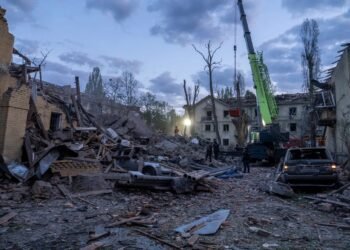
Despite these diplomatic developments, fighting continues on the ground. Both Russia and Ukraine reported strikes on Tuesday night in the Zaporizhzhia region. Ukrainian regional head Ivan Federov confirmed at least seven injuries, while Yevgeny Balitsky, the Kremlin-installed governor, reported that Ukrainian strikes had damaged energy infrastructure, leaving up to 40,000 residents without electricity. The ongoing violence underscores the high stakes of negotiations and the human cost of continued hostilities.
The war, which escalated in February 2022 following Russia’s full-scale invasion of Ukraine, has resulted in tens of thousands of military and civilian casualties and displaced millions of people. Analysts warn that even as diplomacy advances, the humanitarian situation remains critical, with civilians in frontline regions facing disruptions to basic services, food shortages, and threats to their safety.
Observers note that Witkoff’s upcoming visit to Moscow represents a high-profile diplomatic intervention, signaling US determination to play an active role in shaping the post-conflict landscape. The meeting will likely cover the implementation of security guarantees, territorial adjustments, ceasefire monitoring mechanisms, and conditions for a broader peace settlement. It will also test the capacity of the Kremlin, Kyiv, and Western powers to negotiate in good faith amid domestic political pressures and public scrutiny.
For Ukraine, maintaining the support of its Western allies while negotiating a compromise with Moscow is a delicate balancing act. The leaked draft revealed tensions between external pressures and national priorities, highlighting the challenges faced by Zelensky and his government. Meanwhile, Moscow continues to demand concessions, asserting that territorial recognition and demilitarisation are preconditions for any agreement.

The international community has stressed that a sustainable peace deal will require careful attention to both political and humanitarian factors. European Union officials, along with NATO partners, have emphasised the importance of guaranteeing Ukrainian sovereignty while establishing mechanisms to prevent further escalation. Meanwhile, humanitarian agencies continue to deliver aid to affected populations, attempting to mitigate the suffering caused by ongoing military operations.
As Witkoff prepares for his meeting with Putin, diplomatic attention will also focus on coordinating with Kyiv and European partners to ensure that any agreement reflects broader strategic and humanitarian objectives. The coming week will be closely watched by global leaders, analysts, and the media, as progress—or setbacks—in these talks could have far-reaching implications for the region.
The outcome of the talks may determine not only the immediate trajectory of the Ukraine conflict but also long-term regional stability. Both sides face pressure to deliver tangible results, balancing the urgency of peace with the complexities of negotiating terms acceptable to all parties. Meanwhile, the daily realities of conflict—civilian casualties, infrastructure damage, and displacement—continue to underscore the stakes involved.
With the situation evolving rapidly, Witkoff’s visit represents a critical juncture in international efforts to mediate the Ukraine crisis. Observers expect the talks to focus on security guarantees, ceasefire implementation, and potential peacekeeping arrangements, alongside the broader question of territorial adjustments. How these negotiations unfold could define the prospects for lasting peace in Ukraine and shape the geopolitical dynamics of Eastern Europe for years to come.
Related News:
 WhatsApp Messages Expose Nathan Gill’s Bribery
 Venezuela Threatens Nobel Winner Machado with Fugitive Status
 Video shows Israeli troops kill Palestinians after surrender
 Mikie Sherrill Elected New Jersey’s Governor in Key Win
 Britain deploys RAF specialists to assist Belgium with drone threats
 New Epstein Files Spark Political Clash in Washington
 Ukraine Energy Corruption Scandal Hits Zelensky’s Inner Circle
 US Justice Department Files Lawsuit Against California Over Partisan Voting Maps
 Israel Confirms Returned Hostage as Meny Godard
 December Run-Off in Chile as Election Produces No Winner
 UN Security Council Approves Trump’s Gaza Peace Plan
 South African Detained After Neo-Nazi Rally in Australia
 Congress Approves Release of Epstein Files, Trump Expected to Sign
 Shadow Fleet at Sea: Europe’s Battle Against Illicit Oil Shipping
 Rama Rebukes Mahmood for Targeting Albanian Families
 Russian Vessel Used Lasers on RAF Pilots, UK Claims
 Pentagon Officials in Ukraine to Discuss War End
 Trump Slams Democrats With ‘Seditious’ Death Claim
 South African Women Call Purple Protest Over Gender Violence
 Texas Governor Faces Lawsuit From CAIR
 Ex-Classmate Accuses Farage of Dishonesty on Racism Claims
 Twenty-Four Nigerian Schoolgirls Freed After Abduction
 Two National Guard Soldiers Critically Injured Near White House
 Pope Leo XIV Begins Historic Trip to Turkey and Lebanon
 Georgians Defy Government Crackdown After Year of Protests
 Putin Intensifies Territorial Demands Before US Talks
 India’s Labour Law Overhaul Sparks Fierce Debate
 Trump to Recheck Green Cards from 19 Nations After DC Attack
 Ex-Brexit MEP Rejects Claim of Pro-Russia Payments
 Guinea-Bissau President Flees After Military Coup
 Chinese & Japanese Boats Clash Near Disputed Islands
 Putin Meets US Envoy Amid Key Ukraine Peace Talks
 Kremlin Talks With US Yield No Ukraine Peace Breakthrough
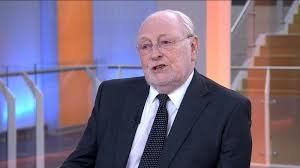 Kinnock’s Rebuke Echoes Loudly as Corbyn Allies Launch Left-Wing Breakaway: “A Gift to Farage”
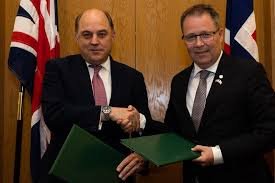 UK and Norway Forge Stronger Ties Through Joint Sanctions and Enhanced Defence Cooperation
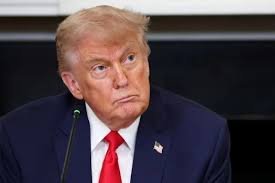 Trump Administration Dismisses 17 Immigration Judges, Sparking Debate Over Judicial Independence
 Northern Ireland Family of Three Shot Dead in Maguiresbridge Home Incident
 Netanyahu Announces Plan to Take Over Gaza City, Escalating Conflict Further
 Denmark Investigates Professional Drone Incursions Across Multiple Airports, No Evidence of Russian Involvement
 Misinformation and Political Pressure Force Weston-super-Mare to Abandon Refugee Sanctuary Plan
 British Woman in Iran ‘Losing Hope’ Amid Ongoing Detention
 BBC Journalist Held and Interrogated in Vietnam
 FBI Director Kash Patel Defends Girlfriend Amid Government Jet Claims
 UK University Suspends Human Rights Research Following Pressure from China
 French Taxi Driver Cleared in David Lammy Theft Case After Fare Dispute
 Just Stop Oil Protesters Convicted Amid Climate Defence Row
 BBC to Apologise Over Edited Trump Speech Amid Backlash
 ‘Reckless’ cuts to victims’ services will cost more than they save
 US Senate Passes Funding Bill to End Historic Shutdown
 PM Condemns Leaks, Vows Loyalty to Ministers and Stability
 Hitler’s DNA Confirms He Truly Had Only One Testicle
 Oklahoma Governor Grants Last-Minute Clemency to Death Row Inmate
 Indian authorities demolish Kashmir home linked to Red Fort blast
 Greene Pushes Epstein Files Amid Trump Fallout
 Trump Deploys DHS to Charlotte in Major Arrest Operation
 Zelenskyy Signs Fighter Jet Deal Amid Russian Drone Attacks
 Orban Says Ukraine Has ‘No Chance’ as EU Support Continues
 Mother Watches in Horror as Teen Daughter Dies on Tracks
 Canada Passes Carney’s First Budget in Tight Parliamentary Vote
 Israeli Strike Kills 13 Near Palestinian Camp in Lebanon
 Zelensky Meets US Envoy in Turkey to Push Ukraine Peace Talks
 Haiti Qualifies for World Cup Despite Coach Never Visiting Country
 Deadly Russian Strikes Hit Western Ukraine, 20 Killed in Ternopil
 Serial Rapist and Former Cop Found Guilty Again
 Ukraine Peace Plan: Zelensky Ready for Dialogue
 Vietnam Battles Deadly Floods as Rains Continue
 India’s COP30 Delay Raises Global Climate Concerns
 At Least Three Dead in Bangladesh Earthquake
 Runaway Driver Caught by DNA Evidence
 Israel Confirms Hamas Returned Dror Or’s Body
 Millions Face Higher Taxes Under Reeves New Budget
 Peers Get Extra Time to Debate Assisted Dying Bill
 Planned Palestinian Flag Raising at Belfast City Hall Faces Delay Amid Legal Concerns
 Southern Lebanon reels as Israeli strikes shatter communities
 Mbappe Scores 4 as Real Madrid Edge Olympiakos
 Man City Lose, Champions League Risk
 Sri Lanka Floods Leave 56 Dead, Dozens Missing
 Government righting decades-old injustice for miners
 Jordan Bardella: France’s Young Presidential Contender
 Indonesia to Repatriate Two Dutch Drug Convicts