Published: 30 December 2025. The English Chronicle Desk. The English Chronicle Online.
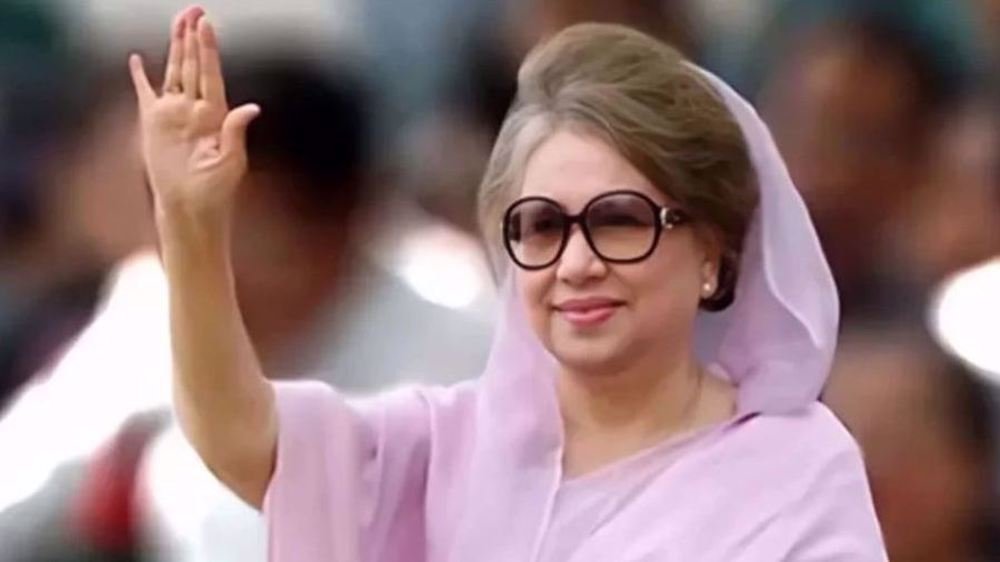
Khaleda Zia, the first woman to serve as Bangladesh’s prime minister and a towering political figure, has died at the age of 80, marking the end of an era defined by intense rivalry, resilience, and enduring influence. Her death was confirmed early Tuesday morning by the Bangladesh Nationalist Party, which she led for decades and shaped into one of the country’s most powerful political forces. According to the party statement, Zia passed away at 6am, shortly after the Fajr prayer, surrounded by close family members and medical staff.
Tributes began pouring in almost immediately from across Bangladesh’s political spectrum and beyond, reflecting her complex legacy and lasting imprint on national life. Party leaders urged citizens to pray for her soul, while supporters gathered quietly at BNP offices, holding photographs and reciting prayers. For many Bangladeshis, her death symbolises the closing chapter of a political generation that dominated the country’s post-independence history.
Khaleda Zia’s rise to prominence was deeply intertwined with Bangladesh’s turbulent early decades following independence from Pakistan in 1971. The country emerged from a devastating war into a fragile political landscape marked by coups, assassinations, and ideological struggles. Zia’s husband, Ziaur Rahman, emerged as a central figure during this period, seizing power as army chief in 1977 before founding the Bangladesh Nationalist Party the following year. His assassination in a failed military coup in 1981 thrust Khaleda Zia into public life, a role she initially resisted but later embraced with determination.
Widowed and relatively inexperienced in formal politics, Zia gradually transformed herself into a formidable leader. Her uncompromising opposition to military rule helped galvanise mass protests against General HM Ershad’s dictatorship during the late 1980s. This movement culminated in Ershad’s ousting in 1990, paving the way for democratic elections and elevating Zia as a national leader. In 1991, she won the general election, becoming Bangladesh’s first female prime minister and one of the most prominent women leaders in the Muslim world.

Her initial term was marked by efforts to restore parliamentary democracy and stabilise a nation weary of authoritarian rule. Yet politics soon became fiercely polarised, largely centred on her rivalry with Sheikh Hasina, leader of the Awami League and daughter of Bangladesh’s founding father, Sheikh Mujibur Rahman. Their bitter contest came to define Bangladeshi politics for more than three decades, shaping elections, protests, and governance in ways that deeply affected the country’s democratic institutions.
Zia’s tenure was not without controversy. The general election held in February 1996, which her party won overwhelmingly, was boycotted by major opposition groups, including Hasina’s Awami League. Critics argued the vote lacked legitimacy, leading to nationwide unrest. Under mounting pressure, Zia’s government resigned after just twelve days, allowing a neutral caretaker administration to oversee fresh elections later that year. This episode highlighted both the fragility of Bangladesh’s democratic processes and the intensity of partisan conflict.
After several years in opposition, Zia returned to power in 2001, leading a coalition government that included Jamaat-e-Islami, the country’s largest Islamist party. The alliance proved controversial, particularly given Jamaat’s historical role during the 1971 independence war. Supporters credited Zia’s administration with pursuing pro-investment economic policies and maintaining business confidence, while critics accused it of tolerating extremism and weakening secular values. Her government also faced strained relations with India, amid allegations that insurgent groups were allowed to operate from Bangladeshi territory.
Zia’s political fortunes declined sharply after Sheikh Hasina returned to power in 2009. Over the following years, Zia faced multiple corruption charges, resulting in lengthy prison sentences. She consistently denied wrongdoing, claiming the cases were politically motivated attempts to sideline her and weaken the opposition. The Hasina government insisted the judiciary acted independently, though domestic and international critics questioned the fairness of the process and expressed concern over democratic backsliding.
Years of imprisonment took a heavy toll on Zia’s health. She suffered from a range of chronic illnesses and was frequently hospitalised under guard. Despite her declining condition, she remained a potent symbol of resistance for BNP supporters. In January 2025, Bangladesh’s Supreme Court acquitted her in the final remaining corruption case, effectively clearing the legal obstacles that had barred her from contesting elections. The ruling was widely seen as a turning point, raising expectations of her return to frontline politics.
In May 2025, Zia returned to Bangladesh after receiving medical treatment in the United Kingdom, following special permission from the interim government. Earlier administrations had denied similar requests repeatedly, making her departure and return politically significant. Though visibly frail, she addressed supporters through written messages and statements, vowing to continue her struggle for democracy and fair elections. In November, she pledged to campaign ahead of the February 2026 polls, the first since Sheikh Hasina was ousted by a mass uprising the previous year.
Her determination inspired many, but her health deteriorated rapidly in late November, forcing her admission to hospital. Doctors battled multiple complications, yet her condition continued to decline. During her final days, interim leader Muhammad Yunus urged citizens to pray for her recovery, describing her as a profound source of inspiration for the nation. His remarks underscored Zia’s enduring stature, even among political rivals.
Khaleda Zia’s legacy remains deeply contested. Admirers remember her as a symbol of resilience who challenged military rule and upheld multiparty democracy during critical moments. Critics argue her governments failed to curb corruption and exacerbated political divisions. Yet even detractors acknowledge her central role in shaping modern Bangladesh. Alongside Sheikh Hasina, she dominated the country’s political narrative, their rivalry reflecting broader struggles over power, ideology, and national identity.
As Bangladesh mourns her passing, attention now turns to the future of the BNP and the country’s political landscape. Zia’s death leaves a significant vacuum within the opposition, raising questions about leadership succession and electoral prospects. For many citizens, however, this moment is less about political calculation and more about reflection on a life that mirrored the hopes, conflicts, and contradictions of a young nation finding its way.
Khaleda Zia’s journey from reluctant political widow to prime minister, prisoner, and enduring icon captures the drama of Bangladesh’s modern history. Her death closes a remarkable chapter, but the debates she shaped and the institutions she influenced will continue to resonate for years to come.
Related News:
 British Woman in Iran ‘Losing Hope’ Amid Ongoing Detention
 BBC Journalist Held and Interrogated in Vietnam
 US Super-Rich Are Draining Planet’s Safe Climate Space
 UK Charters Emergency Flights to Evacuate Britons from Jamaica
 UK University Suspends Human Rights Research Following Pressure from China
 Trump Speaks on Prince Andrew’s Royal Scandal Fallout
 UK University Faces Counter-Terror Probe Over China Pressure
 Top Christmas Books Reads: Classics to Cozy Romcoms
 World Whisky Tour: 9 Global Gems
 UPS Cargo Plane Crash in Kentucky Kills Seven
 Abigail Spanberger Elected Virginia’s First Female Governor
 Just Stop Oil Protesters Convicted Amid Climate Defence Row
China-critical UK academics face ‘extremely heavy’ pressure from Beijing
Just Stop Oil Protesters Convicted Amid Climate Defence Row
China-critical UK academics face ‘extremely heavy’ pressure from Beijing
 Tension and Turmoil at Aston Villa v Maccabi Match
 BBC to Apologise Over Edited Trump Speech Amid Backlash
 Lando Norris Dominates Brazil GP to Strengthen F1 Title Bid
 Britain deploys RAF specialists to assist Belgium with drone threats
 Palace May Restore Hyphen to Andrew Mountbatten-Windsor’s Name
 US Senate Passes Funding Bill to End Historic Shutdown
 Suicide Bombing at Islamabad Court Kills 12, Injures Dozens
 BBC’s Tim Davie to Address Staff Amid Trump $1bn Threat
 Thailand Suspends Cambodia Border Peace Deal Amid Tensions
 Ronaldo Confirms Final World Cup and Plans Retirement
 Ukraine-Russia war latest: Putin’s troops exploit bad weather to force Kyiv withdrawal from multiple towns
 Hamas Fighters in Gaza Tunnels Stall Ceasefire Progress
 Algeria Pardons French-Algerian Novelist Sansal After Year in Jail
 Hitler’s DNA Confirms He Truly Had Only One Testicle
 US Justice Department Files Lawsuit Against California Over Partisan Voting Maps
 Oklahoma Governor Grants Last-Minute Clemency to Death Row Inmate
 US Pushes Global Effort to Stop Arms Flow to Sudan RSF Forces
 Nigerian Education Reversal: Mother-Tongue Teaching Scrapped
 Israel Confirms Returned Hostage as Meny Godard
 Greene Pushes Epstein Files Amid Trump Fallout
 Trump Deploys DHS to Charlotte in Major Arrest Operation
 December Run-Off in Chile as Election Produces No Winner
 Zelenskyy Signs Fighter Jet Deal Amid Russian Drone Attacks
 Orban Says Ukraine Has ‘No Chance’ as EU Support Continues
 Irish Hero Parrott Says Goal Brought First Tears in Years
 Canada Passes Carney’s First Budget in Tight Parliamentary Vote
 Nigeria Misses World Cup Again After Play-Off Loss
 Why Russian Liberals Push Strongly Pro-Israel Narratives
 Israeli Strike Kills 13 Near Palestinian Camp in Lebanon
 Zelensky Meets US Envoy in Turkey to Push Ukraine Peace Talks
 Shadow Fleet at Sea: Europe’s Battle Against Illicit Oil Shipping
 Tiny Curacao Makes History as Smallest Nation to Reach World Cup
 Haiti Qualifies for World Cup Despite Coach Never Visiting Country
 Deadly Russian Strikes Hit Western Ukraine, 20 Killed in Ternopil
 Rama Rebukes Mahmood for Targeting Albanian Families
 Russian Vessel Used Lasers on RAF Pilots, UK Claims
 Pentagon Officials in Ukraine to Discuss War End
 Ukraine Peace Plan: Zelensky Ready for Dialogue
 Vietnam Battles Deadly Floods as Rains Continue
 Venezuela Threatens Nobel Winner Machado with Fugitive Status
 At Least Three Dead in Bangladesh Earthquake
 Barcelona Returns to Camp Nou vs Athletic Bilbao
 Royal Navy Shadows Russian Warships Entering the Channel
 Israel Confirms Hamas Returned Dror Or’s Body
 Trump Envoy to Discuss Ukraine Peace at Kremlin
 Twenty-Four Nigerian Schoolgirls Freed After Abduction
 US Suspends Afghan Immigration After White House Shooting
 Two National Guard Soldiers Critically Injured Near White House
 Pope Leo XIV Begins Historic Trip to Turkey and Lebanon
 Georgians Defy Government Crackdown After Year of Protests
 Southern Lebanon reels as Israeli strikes shatter communities
 Mbappe Scores 4 as Real Madrid Edge Olympiakos
 Man City Lose, Champions League Risk
 Sri Lanka Floods Leave 56 Dead, Dozens Missing
 India’s Labour Law Overhaul Sparks Fierce Debate
 Video shows Israeli troops kill Palestinians after surrender
 Families wait in agony for missing after Hong Kong tower blaze
 A Colourful Cultural Escape in Mexico’s Querétaro
 Tokyo court rules Japan’s same-sex marriage ban constitutional
 Chinese & Japanese Boats Clash Near Disputed Islands
 Indonesia to Repatriate Two Dutch Drug Convicts
 ‘Extinct’ Antelope Returns to Sahara, Bringing Hope
 EU plans $105bn Ukraine aid using frozen Russian assets
 Global campaign launched to free Palestinian leader Barghouti
 UK Aid Cuts Could Undermine Global Influence, Experts Warn
 American Mother Extradited From UK to U.S. on Murder Charges
 Thailand and Cambodia Agree Ceasefire After Weeks of Deadly Clashes