Published: 30 December 2025. The English Chronicle Desk. The English Chronicle Online.
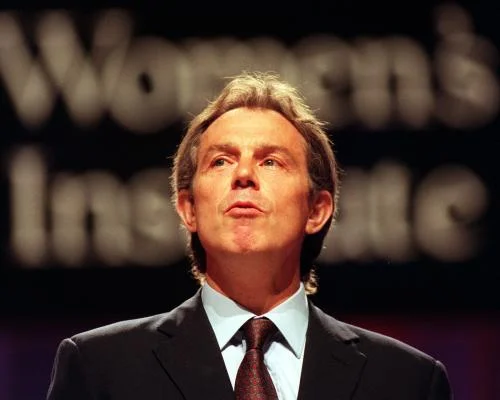
Newly released documents reveal how Tony Blair’s advisers agonised over his infamous 2000 Women’s Institute speech, which ended in slow hand-claps and heckles from 10,000 members at Wembley Arena. Blair, returning from paternity leave after the birth of his son Leo, had intended to offer a personal, reflective address blending tradition and modernity to appeal to Middle England. However, the first drafts left key aides deeply concerned about its tone, substance, and political impact, exposing a rare misjudgment in Blair’s otherwise celebrated communication strategy.
Alastair Campbell, Blair’s communications chief, expressed frustration over the initial draft, describing it as lacking the dynamism of a “recharged, refocused Blair firing on all fronts” and warning that it risked sounding “rather Majoresque.” He singled out lines praising the Tate Modern despite not understanding it, and defending the pageantry of the queen’s speech in Parliament, as particularly misjudged. Campbell warned these sections could appear patronising and urged Blair to focus on policy areas such as drugs, Sure Start, university access, and small business support. He described the speech as “too complacent and too comfortable” and a “seeming effort to distance yourself from what is you.”

Philip Gould, strategy and polling adviser, criticised the speech as leaving “the wrong taste,” describing its attempt at a conversational tone as condescending. He emphasised the draft lacked “energy, verve, dynamism and change,” undermining the political momentum Blair needed at the time. Similarly, special adviser Peter Hyman suggested the speech handed “the Tories a huge propaganda victory” and risked reducing Blair’s image to a “back to basics” version of John Major. He warned the message of “old-fashioned values” would not resonate with Middle England or other constituencies Blair sought to connect with.
Hyman’s memos further highlighted how some lines could be interpreted as Blair attempting to shed his modern, cool image for fuddy-duddy Britain, appealing to traditionalist readers of the Telegraph rather than the broader meritocratic Murdoch audience. Sally Morgan, another political adviser, voiced concerns about the “old-fashioned values” framing alienating younger voters under 40, while cautioning Blair against references that could appear patronising, including phrases about women being tied to the home.
Despite multiple rewrites, including the removal of royal references that Anji Hunter, Blair’s special assistant, had argued reflected WI and community values, the speech ultimately failed to meet audience expectations. A week prior, Julian Braithwaite of the No 10 press office had consulted WI leaders, who warned of sensitivity to political messaging and the risk of patronisation. Nevertheless, the final address was met with jeers and slow hand-claps, with many attendees comparing it to a party political broadcast, prompting media commentators to call it “an extraordinary error of political judgment.”
Blair later reflected on the experience in a BBC documentary, stating, “I gave them a lecture, they gave me a raspberry.” The episode illustrates the delicate balance between personal reflection, political messaging, and audience expectations, highlighting how even seasoned leaders can misread tone and context. It also provides a rare glimpse into the rigorous internal critique Blair’s team applied, with advisers dissecting every phrase for potential political fallout. The fallout from this speech remains a cautionary tale about the risks of complacency and overconfidence in public engagement.
Historians note that the WI speech underscored the challenges of connecting with grassroots audiences while maintaining political authenticity. Blair’s attempt to merge personal storytelling with policy themes revealed the tension between populist appeal and strategic communication. The advisers’ warnings demonstrate the importance of aligning content with audience perception and media framing, and the episode continues to be cited in political communication studies as an example of high-stakes misjudgment.

The documents also reveal the broader cultural context of the speech. The WI, representing women across diverse backgrounds, expected subtle engagement rather than overt political positioning. Blair’s insistence on blending policy into a traditionally social setting clashed with the audience’s desire for connection over exposition. This misalignment between speaker intention and audience expectation highlights the difficulties political figures face when attempting to innovate within established forums.
In hindsight, while the speech did not achieve its intended effect, it remains an instructive case for politicians, communicators, and historians alike. The meticulous internal critique by Blair’s advisers, though ultimately unheeded in its entirety, demonstrates the high stakes of public discourse and the difficulty of balancing personal narrative with political imperatives. It remains a vivid example of the intersection between leadership ambition, advisory counsel, and audience reception.
The WI speech also reflects the media’s role in framing political missteps. By highlighting the perceived errors and broadcasting the audience’s reactions, journalists amplified the speech’s impact beyond the immediate venue. The subsequent reflection and analysis continue to shape public understanding of Blair’s approach to audience engagement and political messaging, offering lessons on humility, preparation, and the power of perception in shaping political narratives.
This incident, though often remembered humorously, underscores serious lessons about communication, strategy, and public expectation. Blair’s experience reveals the fine line between charm and complacency, illustrating how critical audience insight is to crafting resonant messages. Political advisors’ candid critiques, though intense, reveal the depth of strategic planning required even for speeches meant to appear relaxed or personal.
Related News:
 UK Must Act with Courage and Clarity on Israel-Palestine Conflict, Says Foreign Affairs Committee Report
 Tasers Introduced in UK Prisons to Combat Rising Violence and Protect Staff
 Wethersfield Controversy Deepens as Asylum Seeker Numbers Set to Surge by 50%
 Chancellor Faces Mounting Pressure Amid “Impossible Trilemma” Over Tax Rises
 Radioactive Leak at UK’s Nuclear Warhead Base Sparks Outcry Over Safety and Secrecy
 Mass Arrests in London as Protest Defies Ban on Palestine Action
 Mutual Inconvenience: Why Alaska Was Chosen for the Trump-Putin Summit on Ukraine
 Russell T Davies Warns of Declining UK Gay Rights Amid Rise of Reform UK and Trump Influence
 UK Government Expands ‘Deport Now, Appeal Later’ Policy to 23 Countries
 Farage Accuses PM of ‘Democratic Disparity’ in House of Lords Representation
 Chancellor Rachel Reeves Pushes for Sweeping Changes to Environmental Protections to Accelerate Development
 Larger Families Could Gain Thousands if Labour Ends Two-Child Benefit Cap
 Is the UK Ready to Put Boots on the Ground in Ukraine? Assessing Military Capacity and Challenges
 Ory Councils Urged to Challenge Asylum Hotels After Epping Ruling
 Palestine Action Ban Protesters Plan Tactic to Overwhelm Police at Next London Demonstration
 Police Scotland Spends £500,000 Compensating Officers Over Trump Visit
 Britain’s Migration Challenge: Rising Asylum Numbers and Hotel Pressures
 Elon Musk Sparks New Controversy by Backing Tommy Robinson Amid Farage Feud
 Polanski’s Rise Signals a Shift in British Political Landscape
 Urgent Action Needed on Windrush Compensation as Survivors Speak of “Waiting to Die”
 Tanni Grey-Thompson Faces Abuse Over Opposition to Assisted Dying Bill
 Protests Expected as Israeli Arms Firms Join Global Defence Trade Fair in London
 Are Britain’s Unions Turning Against the Workers They Once Represented?
 TfL Invites RMT to Resume Talks as London Tube Strikes End
 UK Rejoining EU ‘Unlikely in My Lifetime,’ Says Starmer’s Europe Reset Negotiator
 UK Urged to Collaborate with NATO on Missile Defence Amid Russian Drone Threat
 ‘Unite the Kingdom’ Rally Sparks Fears of Far-Right Normalisation Among Minority Britons
 France Proposes Ceiling on UK Role in €150bn EU Defence Fund
 Thousands Gather in London to Protest Donald Trump’s Second UK State Visit
 Tragedy in Hackney: Man Killed and Woman Injured in East London Park Shooting
 Zarah Sultana Seeks Legal Action After Bitter Clash with Jeremy Corbyn Over Party Membership Funds
 Nigel Farage Unveils Controversial Immigration and Welfare Plans at Reform UK Press Conference
 Top Andy Burnham Ally Launches Fierce Critique of Starmer Ahead of Labour Conference
 Mahmood Pledges Reform of Modern Slavery Laws After Court Blocks Deportation Appeal
 It Changed My View’: Campaign Encourages Pupils in Deprived Areas to Consider University
 UK Fighter Jet Purchase Could Breach Nuclear Treaty, Warns CND
 Ed Miliband Warns UK Government on X, Citing Elon Musk as a “Dangerous Influence”
 Migrants in UK May Need to Contribute or Face Removal, Home Secretary Signals
 Ed Miliband Urges Labour to Confront Billionaire-Backed Opposition to Net Zero Goals
 A Third of EU Citizens in UK Report Discrimination by Public Bodies Post-Brexit
 Senior Tories Condemn Badenoch’s Vow to Repeal Climate Change Act as Catastrophic
 Home Secretary condemns Gaza protests after Manchester synagogue attack as “un-British”
 Digital ID Plans Ignite Debate Over £600m Treasury Tax Boost and Privacy Concerns
 Robert Jenrick Reiterates Controversial Comments on Birmingham’s Integration as Backlash Grows
 Kemi Badenoch Unveils ‘Golden Rule’ to Halve Spending Cuts for Deficit Reduction at Tory Conference
 Public Trust in SNP Hits Historic Low Amid NHS Concerns
 Yvette Cooper Backs Digital ID Plan for UK Teens
 Johnson Suggests Mandelson Linked to China Spy Controversy
 UK border officers deployed to Balkans to tackle migrant smuggling
 Ministry of Justice fails to file £11bn in spending receipts
 UK MPs warn of repeat riots over online misinformation
 Rachel Reeves signals welfare reform ahead of key budget
 Reform UK candidate fined £19,000 after using AI-generated cases to challenge election
 The debate over England’s compulsory reading test for 13-year-olds
 William Steps Up Over Prince Andrew Palace Response
 UK Health Leaders Push for Urgent Tobacco & Vape Bill
 Army Barracks to House Migrants as Hotels Phase Out
 Johnson Approved China’s London ‘Super-Embassy’ in 2018
 Green Party Surges Past Labour in Latest UK Poll
 Celebrities and Charities Demand UK Government Act on Child Poverty
 Zarah Sultana Launches Party to Change Politics
 Trump’s UK Ambassador Urges North Sea Drilling to Strengthen US Ties
 FBI Director Kash Patel Defends Girlfriend Amid Government Jet Claims
 French Taxi Driver Cleared in David Lammy Theft Case After Fare Dispute
 Millionaires group urge Reeves to introduce wealth tax to ‘lift kids out of poverty’
 Starmer Faces Growing Dissent as Labour MPs Weigh Leadership Challenge
 Reeves rejects £1bn plea for NHS redundancy payouts
 PM Condemns Leaks, Vows Loyalty to Ministers and Stability
 Pressure Mounts on Starmer to Sack Chief of Staff Over Briefing Row
 Major Rent Reform Ends No-Fault Evictions in England
 Peers Flood Assisted Dying Bill with 942 Amendments
 Most Tories Expect to Support a Farage-Led Government
 Labour MP claims devolution bill is ‘blatant discrimination’ against Cornwall
 Millions Face Higher Taxes Under Reeves New Budget
 Starmer Says Labour’s Economic Plan Needs Years to Deliver
 England delays four mayoral elections amid criticism
 Reform campaign in Clacton faced ‘juggernaut’ scrutiny, say rivals
 Met officers ordered to declare Freemason links
 Culture secretary to review Telegraph takeover by Daily Mail owner
 Reform Candidate Sparks Fury Over Loyalty Comments