Published: 06 January 2026. The English Chronicle Desk. The English Chronicle Online.
In a dramatic courtroom appearance in Manhattan, deposed Venezuelan president Nicolás Maduro pleaded not guilty, following his capture during a shock US raid. The focus keyword, Maduro, appeared immediately as he stood before Judge Alvin Hellerstein, insisting he remained Venezuela’s legitimate leader. The arraignment lasted barely 30 minutes, during which Maduro formally denied all charges of narcotrafficking, weapons possession, and narco-terrorism, asserting that his capture violated international law.
Maduro, 63, was shackled at the ankles and escorted by heavily armed US law enforcement into the courthouse. Beside him, his wife, Cilia Flores, also entered a not guilty plea, displaying bruises sustained during the pre-dawn raid in Caracas. The operation, which left at least 40 dead, was conducted under former President Donald Trump’s orders and immediately drew widespread condemnation.

The US indictment alleges that Maduro and co-conspirators conspired with violent drug traffickers and corrupt officials to distribute vast quantities of cocaine into the United States. Each federal count carries a potential life sentence. Legal experts have noted that the raid’s military nature raises questions about breaches of international law.
Outside the courthouse, rival groups of Maduro supporters and opponents clashed, illustrating deep divisions within Venezuela. The spectacle of Maduro wearing a blue shirt atop a neon orange prison scrub evoked historical comparisons to the trials of Manuel Noriega and Saddam Hussein. Flores, visibly injured, maintained her innocence, claiming the operation had been a “military abduction” executed without legal justification.
The capture of Maduro prompted an emergency meeting of the UN Security Council, with Secretary-General António Guterres describing the raid as a serious violation of international norms. Numerous countries condemned the US operation as an act of aggression, with concerns about its implications for regional stability. Meanwhile, the US justified the incursion as part of efforts to halt narcotics trafficking and regain control of Venezuela’s vast oil resources.
Within Venezuela, Maduro’s deputy, Delcy Rodríguez, initially defiant, signaled willingness to cooperate with the US after threats from Trump. Opposition figures, including Nobel laureate María Corina Machado, praised the US action, framing it as a step toward freedom and accountability. Machado criticized Rodríguez for corruption and human rights abuses, suggesting that Venezuelans overwhelmingly reject Maduro’s loyalists.
The international reaction to the raid has been sharply divided. Latin American nations, notably Colombia and Cuba, expressed alarm at potential US military interventions, raising fears of escalating regional tensions. Colombia’s president, Gustavo Petro, warned that his country might respond militarily if threatened, illustrating the delicate balance of power in the region.
Despite global condemnation, Trump defended the operation, framing it as a necessary step to secure US interests and combat narcotics. Analysts, however, warned that the unilateral action could set a dangerous precedent, undermining international law and encouraging further extrajudicial interventions. Maduro’s trial, and the broader fallout from his capture, is likely to dominate global headlines for months, with consequences extending far beyond Venezuela’s borders.

Observers note that the raid’s unprecedented nature, combined with the visible injuries suffered by Flores, highlights the complex ethical and legal dilemmas surrounding the US operation. International legal scholars continue to debate whether the raid constitutes a violation of sovereignty, and whether Maduro should be treated as a prisoner of war or a criminal defendant under US law.
As proceedings continue in Manhattan, Maduro remains resolute, claiming that he represents Venezuela’s legitimate government and denouncing the US-led capture as illegal. The coming weeks are expected to reveal more about the fate of Maduro, Flores, and the geopolitical fallout of one of the most audacious operations in recent US foreign policy history.
The case underscores the fragile state of Latin American politics, the reach of US military power, and the ongoing struggle over control of natural resources and regional influence. International observers stress that Maduro’s plea is just the opening chapter in a legal and political saga likely to reshape Venezuelan governance and US-Latin American relations for years.
Related News:
 Machado Trump medal gesture reshapes Venezuela power struggle
 Trump Receives Machado’s Nobel Medal in White House Meeting
 Iran unrest slows under brutal crackdown and global tensions
 US Considers Asylum for British Jews Amid Rising Antisemitism
 Russia Strikes Kyiv and Kharkiv as Peace Talks Enter Day Two
 Thousands Protest ICE Operations in Nationwide US Day of Action
 Epstein Files Reveal Trump Officials’ Emails with Financier
 Thousands Protest ICE in New York Against Trump Deportation Campaign
 Yvette Cooper: UK Must Follow Principles, Not US Pressure
 US Calls Australia Media Law “Foreign Extortion”
 Oil Prices Surge Above $120 Amid Iran Blockade Fears
 Trump orders US troop pullout from Germany
 Activists allege abuse after Gaza flotilla seizure
 Global order shifts amid Trump-era turmoil
 Australia pushes Pacific security pact amid China tension
 Indiana Republicans Defy Trump in Key Vote Test
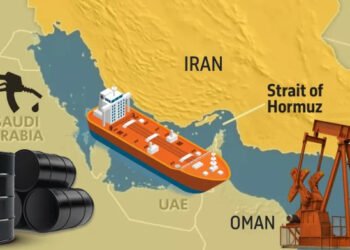 Middle East Crisis Escalates as Oil Routes Shake Markets
 Tensions Emerge in Netanyahu-Trump Alliance
 Putin Declares Russia Victory at Scaled Victory Day Parade
 Zelenskyy warns over Oreshnik threat as Kyiv hit
 Discontent grows around Putin amid war strain
 Former ICC prosecutor condemns US sanctions
 Trump’s Iran Legacy Hangs on Tehran Deal
 Houthis Strike Saudi Arabia as Middle East Tensions Rise
 Taliban global ties grow as rights fears mount
 Seoul proposes historic peace talks to replace Korean War armistice
 BBC to Apologise Over Edited Trump Speech Amid Backlash
 Britain deploys RAF specialists to assist Belgium with drone threats
 Greene Pushes Epstein Files Amid Trump Fallout
 Trump Deploys DHS to Charlotte in Major Arrest Operation
 December Run-Off in Chile as Election Produces No Winner
 Canada Passes Carney’s First Budget in Tight Parliamentary Vote
 Shadow Fleet at Sea: Europe’s Battle Against Illicit Oil Shipping
 Georgians Defy Government Crackdown After Year of Protests
 Trump Policies Boost China’s Global Rise, Survey Finds
 Trump Calls Greenland Critical for US Security After Denmark Talks
 Starmer Resists Matching Trump Amid Greenland Tensions
 Starmer Condemns ‘Depraved’ Russian Strikes on Ukraine
 Herzog visit sparks protests across Australian cities
 Tarique Rahman’s Rise Toward Bangladesh’s Top Job
 Ukraine, Russia Meet in Geneva Ahead of War Anniversary
 AFP Reviews Pauline Hanson Comments
 Duterte ICC Hearing Begins Amid Defiance
 Trump Tariffs Threat Spark UK and EU Alarm
 The Dangerous Rise of Remigration Across Modern Europe
 US to offer passport services in West Bank settlements
 Iran Defiance Grows Amid US-Israel War Pressure
 Starmer Praised for Stance on Trump and Iran Conflict
 Danish Election Deadlock Shakes Frederiksen’s Grip
 Pope Rebukes Leaders for War as Middle East Tensions Rise
 Army Probes Apache Flyover at Kid Rock’s Nashville Estate
 Farage Shuns Truss as US Right-Wing Roadshow Hits London
 Italian Town Buys Mussolini Villa to Keep Away Fascist Fans
 Report Says Pezzullo Acted ‘Recklessly’ in Dealings
 Trump and Tehran Find Common Ground in Landmark Ceasefire
 Trump Employs Nixon’s Madman Theory Amid Iran Crisis
 Hungary election: Orbán faces biggest test amid scandal
 Suspected Plot Targets Pipeline Before Hungary Vote
 Reeves Slams Trump Over Iran War Lack Of Exit Plan
 Trump approval plunges amid Iran war fears
 Ohio’s Battle for Trust: Democrats Vying to Flip the Buckeye State
 US ‘Narco Boat’ Strikes Draw Global Outcry
 Afghan Families Left in Limbo Face Risk of Deportation
 FIFA Confirms Global Ban for Benfica Star Prestianni
 One Nation Candidate’s Surprising Ties to Independents
 New South Wales Wetland Rescue Legislation Passes
 US Awaits Iran Reply on New Ceasefire Proposal
 US and Mexico Face Heatwave as Floods Batter South Africa
 Putin Signals War End as Russian Momentum Stalls
 Scepticism and tight security as Beijing braces for Trump
 Philippine Senator Flees After Days Under Senate Siege
 Fragile Truce Shattered as Violence Escapes Diplomatic Control
 Tony Abbott Returns as New Liberal Party President
 Starmer Leadership Under Pressure After Setbacks
 Aukus Deal Facing Fierce Backing and Historic Criticism
 Thai Princess Bajrakitiyabha Passes Away at 47
 Trump’s Mount Rushmore Speech: A Divisive Anniversary
 Le Pen to Run for President Despite Embezzlement Conviction
 Trump Swaps Planes Amid Iran Tensions
 Ukraine Creates Long-Range Strike Command