Published: 26 February 2026. The English Chronicle Desk. The English Chronicle Online.
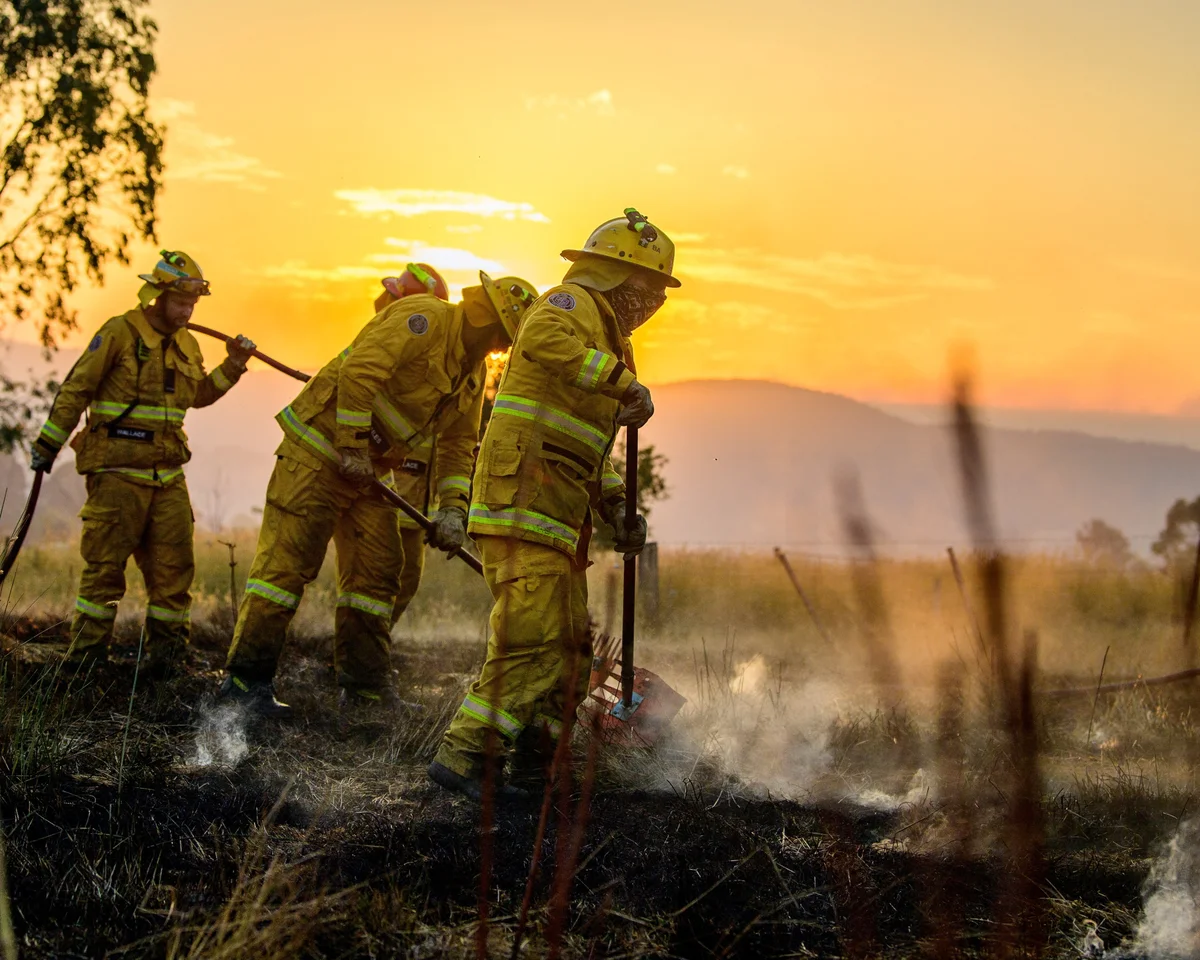
Australians are preparing to receive loud smartphone alerts as the new emergency system launches. The focus keyword for this report is AusAlert. The federal government is introducing AusAlert to replace state-based text messages, aiming to warn citizens of bushfires, floods, biosecurity threats, and serious public safety incidents. Officials say the alerts will appear on home screens in designated geographic areas, accompanied by intrusive sounds for the highest-level threats. This approach mirrors systems successfully implemented in over 35 countries worldwide, where notifications can target streets or suburbs precisely during emergencies.
The $132 million AusAlert project will undergo trials beginning in June, designed to overcome technical limitations that have hindered traditional text messaging alerts during major disasters. Existing systems often fail under heavy demand, leaving citizens uninformed when emergencies escalate quickly. Instead, AusAlert messages will direct users to official online sources for detailed instructions, safety advice, and further updates. These notifications will ensure that Australians in affected areas are aware of threats in real time, improving community safety during crises.
Testing will begin in local areas including Launceston, Port Douglas, Majura, Liverpool, Geelong, Tennant Creek, Goomalling, and Port Lincoln in South Australia. A cross-border trial in Queanbeyan will extend into Canberra to evaluate regional coverage and system integration across state lines. Officials hope these trials will identify technical challenges and help refine the targeting of alerts down to specific streets or neighbourhoods. Alerts will be issued for durations ranging from ten minutes to twenty-four hours, depending on the severity of the emergency.
A national test is scheduled for 27 July at 2pm eastern time, aiming to send alerts to approximately 23 million smartphones. Estimates suggest around ninety percent of phones in Australia will receive the message, marking one of the largest nationwide emergency alerts in the country’s history. Authorities emphasise that the system is compatible with most phones released since 2019 and are conducting trials to assess functionality with smartwatches, CarPlay systems, and other connected devices. High-level alerts cannot be opted out of, though lower-priority notifications, known as priority alerts, will allow users to choose their preferences.

Federal Emergency Management Minister Kristy McBain highlighted the importance of rigorous testing to ensure the system operates effectively. She confirmed that a major advertising and awareness campaign would accompany the rollout to educate the public about the alerts and their significance. McBain stated that AusAlert represents a critical step in protecting Australians, aligning with recommendations from the royal commission into national natural disaster arrangements. She expressed gratitude to citizens for their cooperation during the testing and eventual launch phases.
The government expects AusAlert to be fully operational by October, ahead of the 2026–27 high-risk weather season, with state-based text alert systems decommissioned by July 2027. Officials emphasise that coordination with local emergency services and state governments will be vital to the system’s success, particularly in ensuring alerts are delivered accurately during disasters. The government has committed to providing detailed implementation plans and maintaining transparency regarding system resilience and national coordination.
While the system promises significant improvements, critics have raised concerns regarding mobile coverage, particularly in regional and remote areas. Indi MP Helen Haines pointed out that mobile phone black spots could undermine the effectiveness of alerts, especially during life-threatening situations. She urged telecommunications providers to implement disaster roaming services, allowing users on rival networks to access emergency coverage during critical events. Haines emphasised that receiving a notification is futile if the telecommunications network is inaccessible during an emergency.
Opposition figures have also criticised the escalating costs of AusAlert, which have risen sharply from the original $10 million estimate to the current $132 million budget. Shadow Emergency Services Minister Ross Cadell stressed that success depends on seamless integration across jurisdictions and emergency services. He called for clarity regarding the project’s increased expenditure and a robust assurance that the system will operate reliably when Australians most need it. Cadell urged the government to provide a comprehensive timeline for full implementation, alongside explanations of coordination mechanisms with states and territories.
Emergency communication experts note that the introduction of AusAlert could significantly enhance public safety during disasters. Real-time notifications can reduce response times, improve evacuation processes, and ensure communities are better informed. The ability to target alerts to specific streets rather than entire regions represents a major technical advance, reducing unnecessary panic while focusing resources where threats are most imminent. Such precision is increasingly important as climate-related disasters intensify and unpredictable weather events become more frequent.
Public response to the announcement has been largely supportive, though some Australians expressed concerns about intrusive noise and alert fatigue. Officials have explained that priority alerts will be less disruptive, while the highest-level warnings, reserved for extreme emergencies, will feature loud tones to command immediate attention. These high-priority alerts are intended to be unavoidable to protect lives in urgent situations, reflecting international best practices for emergency notifications.
AusAlert’s design also considers inclusivity and accessibility, ensuring that notifications reach diverse populations, including those with disabilities. The government is reportedly exploring integrations with assistive technologies and voice alerts to accommodate residents with visual or hearing impairments. Such adaptations aim to maximise the system’s reach and effectiveness, demonstrating a commitment to protecting all Australians during crises.
Technology firms working on AusAlert are collaborating closely with emergency services to ensure the platform’s reliability. Testing will include interactions with smartphones, connected vehicles, and wearable devices, reflecting the increasingly integrated nature of modern communication networks. Experts emphasise that resilience under peak demand is critical, as disasters often occur unpredictably and generate simultaneous information requests from tens of thousands of users. AusAlert is designed to withstand these pressures while maintaining real-time delivery to affected areas.
With climate change contributing to longer and more severe bushfire seasons, as well as unpredictable flooding, timely warnings have never been more vital. Analysts suggest that systems like AusAlert could save hundreds of lives annually and significantly reduce property damage by facilitating faster responses. The government’s commitment to national standardisation across states is intended to overcome previous fragmentation, ensuring Australians receive consistent information regardless of location.

Community awareness campaigns will play a central role in AusAlert’s success, emphasising how residents should respond to alerts and where to seek additional guidance. Public engagement is considered essential, with authorities urging citizens to familiarise themselves with alert types and priority levels ahead of the high-risk weather season. Officials hope these measures will foster trust and confidence in the system, encouraging compliance and timely action during emergencies.
Despite critiques regarding cost and coverage, AusAlert represents a transformative step in Australia’s emergency communications. By combining technological precision, real-time updates, and mandatory high-level notifications, the system is designed to reach citizens quickly and effectively. The government continues to refine implementation strategies, working to balance technical reliability, accessibility, and public cooperation. Experts anticipate that these changes will ultimately enhance community resilience and save lives when disasters strike.
Australians will now rely on a single, integrated platform to receive emergency alerts, replacing older, fragmented text systems that previously failed under stress. As trials progress through June and July, authorities will evaluate the system’s performance across urban and regional areas. The combination of national coordination, cutting-edge technology, and public engagement is expected to set a new standard for emergency notifications globally, making AusAlert a cornerstone of Australia’s disaster preparedness strategy.
Related News:
 How Bringing Forests Into Preschools Boosts Children’s Health
 Virgin Trains Moves Closer to Challenging Eurostar Monopoly
 UK Bans Fake Numbers: Scammers Lose Their Trick
 England Curriculum Review Recommends Major Changes
 Vibe coding’ named Collins dictionary’s word of the year
 Experts Urge Legal Right to Timely Cancer Care
 Patients to Test Health at Home to Ease NHS Winter Pressure
 One of world’s last dinosaurs on sale for £3m
 North Sea oil workers must lose weight or face job loss
 No link found between paracetamol in pregnancy and autism
 Britain deploys RAF specialists to assist Belgium with drone threats
 Government urges schools to ban phones to curb classroom disruption
 NHS frontline staff forced to cover gaps as managers remain scarce
 Northern Lights May Illuminate UK Skies Amid Strong Solar Storm
 Stop using ChatGPT to write speeches, AI minister tells MPs
 Northern Lights may illuminate UK skies this week
 New laws to bolster UK’s defences against cyber attacks on NHS, transport and energy
 Hitler’s DNA Confirms He Truly Had Only One Testicle
 Working-Class Men with Prostate Cancer Left Behind by NHS
 Higgs Donates Nobel Medal to His Beloved University
 New AI tool could cut wasted efforts in organ transplants
 How Cultures Interpreted the Aurora Through History
 From War to Wales: Teen Innovator Eyes Net Zero Future
 From Baby Teeth to Bioengineering: The Future of Self-Healing Teeth
 Sundar Pichai Cautions on AI Hype and Market Risks
 Google Chief Urges Caution: Don’t Trust AI Blindly
 US Judge Says Meta Did Not Hold Illegal Social Media Monopoly
 Poll Reveals China Leads World in Trusting AI Technology
 Healthy Habits in Your 30s That Boost Life in Your 70s
 Raccoons Could Become America’s Next Pet
 Australia to Ban Social Media for Kids Under-16 Starting December
 Coffins Now Too Large to Cremate Amid Rising Obesity Crisis
 UK Taskforce Unveils Plan to Streamline Nuclear Reactor Rules
 NHS paediatric leave parents waiting months for answers
 Ofcom urges platforms to limit abuse and curb online ‘pile-ons’
 Extraordinary’ Object Found at Orkney Neolithic Site
 Asahi says 1.5 million customers’ data potentially leaked in cyber-attack
 AI Actress Creator Says Tilly Norwood Won’t Replace Actors
 YouTube Warns Kids Will Be Less Safe Under Australia Ban
 Starmer’s communications chief to outline media strategy overhaul
 TikTok Shop Emerges as a Gamechanger for UK Small Businesses
 UK Car Sales Pass 2 Million as Chinese Brands Surge
 AI Grok Sparks Child Safety Alarm in the UK
 Election Deepfakes Pilot Launched for Scottish and Welsh Votes
 Indonesia blocks Grok chatbot over sexual content risk
 Elon Musk warns of UK clampdown on X free speech
 Google Removes Some AI Health Summaries Over Safety Concerns
 Nasa ISS Medical Evacuation: Crew-11 To Return Early
 US Clears Nvidia AI Chip Sales to China in Policy Shift
 Amazon Milton Keynes closure sparks concern for UK warehouse workforce
 BP’s Influence Sparks Controversy in UK STEM Education
 AI will transform human jobs, enhancing skills, says minister
 Astronomers Prepare for First-Ever Movie of a Black Hole
 MPs warn AI financial risks threaten UK stability
 MPs warn AI financial risks threaten UK stability
 EU launches Grok AI probe into X over explicit images
 AI job losses UK: Britain faces sharper employment shock
 UK AI avatar firm Synthesia valuation jumps to $4bn
 ABC Facebook Page Briefly Hacked, Adult Photos Posted
 Pornhub blocks new UK users over age checks dispute
 Amazon mistakenly signals new global layoffs to employees
 US Robotaxis Train for London Streets Before Launch
 Genes May Hold the Secret to Long Life, Scientists Find
 AI breast screening cuts later cancer diagnoses by 12%, study finds
 UK Launches First Rapid-Charging Battery Train This Weekend
 AI News “Nutrition” Labels Proposed for Transparency
 UK New Car Discounts Near £6,000 as Prices Are Slashed
 Meta trial over child exploitation claims begins
 Baby rhythm sense found in newborn brains
 Most Statin Side-Effects Are Not Caused by Drugs, Study Confirms
 TikTok Design Faces EU Crackdown Over Addictive Features
 Childnet Censorship Row Over Teen Safety Speeches
 Bithumb Bitcoin Mistake Shocks Crypto World
 BT Names New Openreach Chief Amid Major Fibre Expansion
 AI fears hit UK wealth and comparison sites
 Tech Trends Set to Transform Life in 2026
 Starmer Targets AI Chatbots Over Child Safety Concerns
 Revenge Porn Crackdown: 48-Hour Rule Warning
 Treasury AI plans spark influence concerns
 UK Anti-Slavery Watchdog Urges Adult Sites Overhaul