
Published: 28 February 2026. The English Chronicle Desk. The English Chronicle Online
A family in Leeds has spoken of their distress after being refused respite care for their gravely ill child, highlighting growing concerns about gaps in support services for families caring for children with complex health needs. The parents say they were left without a break from round‑the‑clock caregiving because local health authorities deemed their situation not urgent enough to qualify for the limited respite provision available.

The child, aged 8, has a severe neurological condition that affects mobility, breathing and communication, requiring continuous monitoring and specialised care at home. The parents have been providing 24‑hour support for years, but recent physical and emotional exhaustion prompted them to apply for short‑term respite to allow them to rest and manage their own health.
Under existing criteria set by the local Clinical Commissioning Group (CCG), priority for respite beds is given to children in immediate crisis or with life‑threatening instability, leaving families like this one ineligible despite demonstrated needs. The couple said they were informed that “other cases are deemed more critical,” and were offered only a phone‑based support line rather than actual, in‑person respite care.
The refusal has prompted outrage among disability rights advocates and parent support groups, who argue that current eligibility rules fail to recognise the cumulative toll of long‑term caregiving. “Parents caring for children with profound disabilities often reach breaking point,” said Sarah Middleton, director of a national family support charity. “Without access to scheduled respite, families are left exhausted and isolated.”
Campaigners point to research showing that regular respite care — short periods where qualified professionals look after a child so caregivers can have rest — improves both child and family well‑being. They argue that the shortage of respite provision across the UK, combined with strict eligibility thresholds, forces many families into untenable situations.
Support groups have called on the Department of Health and Social Care and local authorities to review and reform eligibility criteria, expand funding for respite services, and create a clearer pathway for families under sustained pressure. They also say that in many areas, providers struggle to recruit and retain trained respite care staff, further shrinking availability.
The parents say that exhaustion has affected their mental health and quality of life, and that without practical support they struggle to sustain the intensive caregiving their child requires. “We’re not asking for luxuries — just the basic support every family should be able to access,” one parent said.

Local health officials said they recognise the strain on families caring for seriously unwell children but stressed that resources are limited and must be allocated according to clinical need. They said they are reviewing ways to improve access to community‑based support, but did not commit to immediate changes for this case.
Related News:
 Illegal Skin Lightening Cream Being Sold in UK Butchers, Watchdog Warns
 Adoption Breakdown Ended My Career and Relationship – ‘We’re Told to Get On With It’
 Mind Launches Inquiry into AI and Mental Health After Guardian Investigation
 Mystery GP on Train Saves Passenger’s Life
 Concerns Mount Over Accuracy of At-Home Health Tests as Study Calls for Stricter Regulation
 The Ketamine Crisis in the UK is a Silent Epidemic Leaving Users with Lifelong Pain
 Woman Warned She Might Need Leg Amputation to Survive After Liquid Brazilian Butt Lift
 Cats Develop Dementia Similarly to Humans, Study Finds
 Alarming rise in abusive teen relationships in the UK sparks urgent warnings
 Inquest Finds Agency Worker Failings Led to Unlawful Death of Vulnerable 14-Year-Old
 Shocking Rise in Children’s Exposure to Violent Online Pornography Raises Alarm
 Baby Food Manufacturers Given 18 Months to Improve Nutrition and Labelling
 Why E-Bikes and E-Scooters Are Making Streets a ‘Nightmare’ for Blind People
 Millions in the UK at Higher Risk of Heart Failure and Stroke Due to Air Pollution, Study Warns
 Norfolk Hospital Ranked Worst in England as NHS League Tables Return
 More Than Half of UK Births Now Involve Medical Intervention
 UK Graduates in Healthcare Report Highest Satisfaction with Degree Choices
 Systemic Racism in Maternity Care Continues to Endanger Black Women in England, MPs Warn
 One in Three GPs in England Do Not Work in NHS, Raising Concerns Over Access to Care
 UK Doctors Guilty of Sexual Misconduct Continue Practising Amid Weak Sanctions, Research Finds
 Starmer Unveils Plan for NHS “Online Hospital” to Tackle Waiting Lists
 Questions Remain as Rugby Legend Lewis Moody Faces Motor Neurone Disease Diagnosis
 Women Challenge Meta Over Targeted Ads After Miscarriage
 Genetic Tests May Predict Return of Blood Cancer
 £18 Prostate Cancer Test Could Save Thousands of Lives
 Pregnant Women in England Face Rising Risk of Severe Birth Injury
 One in 12 Secondary Pupils Sent to Isolation Weekly
 M&S and Morrisons Lead Christmas Supermarket Taste Test
New Prostate Cancer Drug Set to Halve Death Risk in England
M&S and Morrisons Lead Christmas Supermarket Taste Test
New Prostate Cancer Drug Set to Halve Death Risk in England
 UK Health Leaders Push for Urgent Tobacco & Vape Bill
 Hospice Cuts Raise Alarm Across England Amid Funding Crisis
 Celebrities and Charities Demand UK Government Act on Child Poverty
 Patients to Test Health at Home to Ease NHS Winter Pressure
 London’s Childlessness Crisis: Schools Closing as Families Shrink
 Shouting Works Best to Deter Gulls, UK Study Finds
 Reeves rejects £1bn plea for NHS redundancy payouts
 Stroke Patient Mistaken for Drunk, Care Delayed
 ‘Traumatic Wait’: Northern Ireland Women Face Breast Cancer Delays
 Coffins Now Too Large to Cremate Amid Rising Obesity Crisis
 Five-Year-Old Dies After Rare Tonsil Surgery Complication
 Fibromyalgia Patients Struggle as NHS Fails to Provide Care
 More Patients Now Contacting GPs Online, Data Shows
 Ministers to back regulation of England’s funeral industry
 Teen Nicotine Pouch Use Sparks Growing Health Alarm
 Children to Receive Home Vaccines as England Acts
 Local Fish Could Boost UK Health and Economy Significantly
 NHS Violence Crisis: Staff Face Daily Assaults
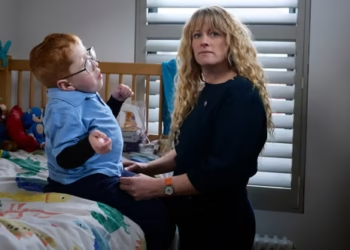 Celebrity Campaign Highlights SMA Screening Failures
 Robo-Vaccination Could Transform Fight Against Bovine TB
 UK Glaucoma Rise Signals Looming Eye Health Crisis by 2060
 Reform UK Health Plan ‘Would Cost £1.7bn’, Streeting Says
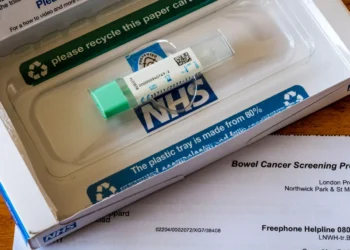 NHS boosts bowel screening accuracy with FIT reform
 Nottingham survivor warns of repeat attacks without mental health reform
 Study Finds One in Seven England Takeaways Are Dark Kitchens
 Pneumonia Surge Pushes England Emergency Cases Higher
 Labour Utterly Humiliated by Straight-Talking Mum Who Cut Through Keir Starmer’s Insanity
 Royal Family LIVE: ‘Pariah’ Andrew Mountbatten-Windsor Sparks Fresh Revolt Among Staff
 Renters Furious as Decent Homes Standard Delayed Until 2035
 The Victorian aristocrat who became Britain’s first Muslim lord
 Motorists Could Face ‘Mandatory’ Driving Ban for Road Offences Under Tougher Laws
 Royal Mail Blames Poor Weather and Sickness for Delayed Deliveries
 Disability and LGBT Hate Crimes Set to Become Aggravated Offences
 Snow and Rain Warnings as Cold Snap Continues in the UK
 Flooding May Worsen Before It Improves as More Rain Forecast for the UK
 Teacher Who Lied About Cambridge Degree Banned From Profession
 UK MPs Demand Ban on Brazilian Butt Lifts
 Last‑ditch Call to Save Police Front Counters in London
 Deaf Woman Killed After Night Out With Strangers, Court Hears
 NHS Urges Nine Million People to Get Therapy
 NHS Negligence Ruling Raises Payout Costs
 Dad Found in Bed with Daughter 16 Years After Abandoning Her as a Child
 Store at Famous Shopping Village to Close After 18 Years Due to Rising Costs
 ‘Don’t Make Us Security Guards,’ Says Teacher Stabbed by Pupil
 ‘A Disgrace’ — Patient Blasts Neurology Report
 Sadistic Pair Jailed for Blowing Up Sheep
 Will the New SEND Reforms in England Work? You Have Your Say
 Half of Britons Avoid GP When Ill, Survey Reveals Growing Concern
 BBC Edited a Second Racial Slur Out of BAFTA Ceremony
 ‘Postcode Lottery’ Limits Weight Loss Drug Access Across NHS
 Drop in Overseas Workers Sparks ‘Car Crash’ for UK Hospitals