Published: 27 February 2026
The English Chronicle Desk
The English Chronicle Online
The competition to establish orbital launch capabilities in the Arctic north is intensifying, with countries and private aerospace companies accelerating plans to transform the region into a strategic hub for space access and satellite deployment. Traditionally peripheral in global aerospace operations, the High North is now drawing significant investment and geopolitical focus as nations seek to reduce dependence on established launch sites and compete for influence in space technology.

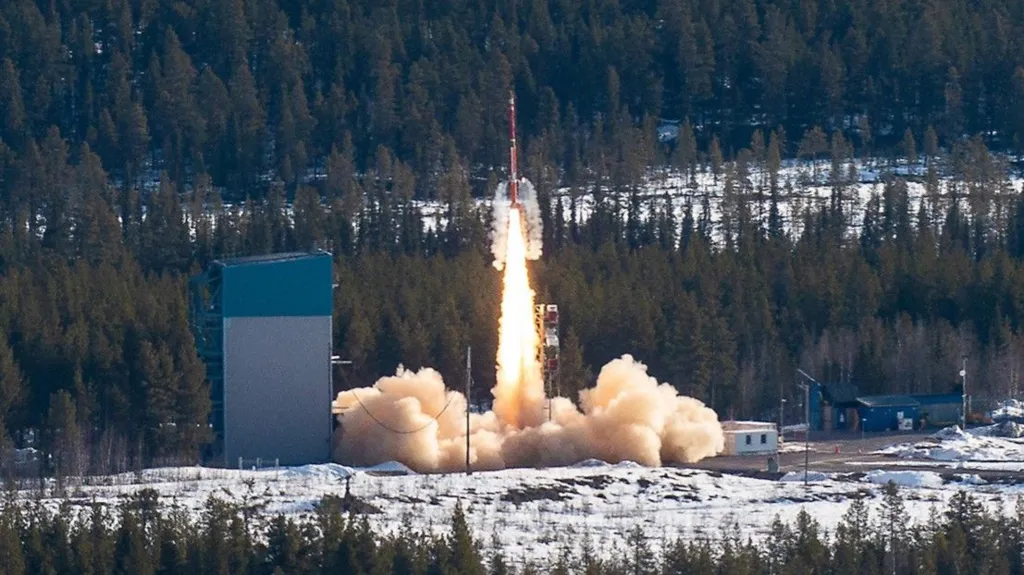
Much of the renewed activity centres on spaceports in Sweden and Norway, where infrastructure is being developed to support orbital rocket launches from mainland Europe. These facilities — including the Esrange Space Center near Kiruna, Sweden, and the Andøya Spaceport in northern Norway — are positioning themselves as European alternatives to American and Asian launch sites, particularly for satellites destined for polar or sun‑synchronous orbits.
Europe’s push northwards reflects broader strategic goals. Officials and analysts say having independent access to orbit from Arctic launch facilities could help the continent scale back reliance on U.S. providers, strengthen security of communications infrastructure, and enhance capabilities in areas such as Earth observation and climate monitoring.
The location of these spaceports offers practical advantages for certain orbital trajectories. Launch sites closer to the poles are well suited for placing satellites into polar and high‑inclination orbits, which are valuable for environmental monitoring, scientific missions, and defence applications. While equatorial sites still provide advantages for equatorial orbit insertions, the Arctic facilities carve out a niche in serving polar orbit needs.
The Arctic space race has also attracted significant commercial interest. German rocket start‑up Isar Aerospace secured exclusive access to launch infrastructure at Andøya Spaceport, which is now equipped with multiple launch pads, payload integration facilities and mission support centres to facilitate the firm’s Spectrum rocket operations and future missions.
Challenges remain. Europe still lags behind the United States and China in the total number of orbital launches and launch capability, and Arctic weather conditions pose technical and logistical hurdles. However, expanding launch capacity in the far north — combined with growing private sector involvement — signals a shift in how space access is being conceptualised and contested.
Beyond Europe, the Arctic’s space importance is amplified by geopolitical shifts and climate change. Russia’s Plesetsk Cosmodrome, historically one of the world’s northernmost launch sites, continues to serve military and polar orbit missions, reflecting the region’s longstanding role in space access.

As global powers and commercial firms look to diversify launch locations and strengthen autonomous capabilities, the orbital space race in the Arctic north is likely to remain a focal point of aerospace investment and international competition in the years ahead. Supporters argue it could broaden access, stimulate innovation, and foster new applications for space technology, while others warn it may deepen geopolitical competition over strategic high‑north infrastructure.
Related News:
 India and US Collaborate to Launch Groundbreaking Satellite for Earth Observation
 British AI Startup Outshines Human Forecasters in Global Prediction Contest
 History Will Remember Who Showed Up: Pressure Mounts on Keir Starmer to Attend Cop30 Summit
 UK Fighter Jet Purchase Could Breach Nuclear Treaty, Warns CND
 Google at 27: The Untold Story of Ruth Kedar, the Woman Behind the Iconic Logo
 Russia repeatedly targets UK military satellites, warns Space Command chief
 Cooper Unveils £4m Cyber Plan Against Russian Hackers
 Experts Warn Russia’s Burevestnik Missile Could Destabilise Arms Control
 Britain deploys RAF specialists to assist Belgium with drone threats
 Night after night, Belgium is on high alert.
 Hitler’s DNA Confirms He Truly Had Only One Testicle
 Pokémon to open world’s first theme park in Japan next year
 Ukraine to Get 100 French Rafale Jets in Historic Deal
 Poll Reveals China Leads World in Trusting AI Technology
 US Clears Nvidia AI Chip Sales to China in Policy Shift
 Iran Signals Permanent Break From Global Internet, Activists Warn
 UK New Car Discounts Near £6,000 as Prices Are Slashed
 Musk Wants City on the Moon Within 10 Years
 Indian University Kicked Out of AI Summit for Claiming Chinese Robot Dog as Its Own Invention
 China Shows Off Nunchuck‑Wielding Humanoid Robots for Lunar New Year
 The Chinese AI App Sending Hollywood Into a Panic
 How Do You Modernise Mango Farming? India’s Growers Urged to Innovate as Climate Change Hits
 Bill Gates Pulls Out of India’s AI Summit Over Epstein Files Controversy
 Zuckerberg Defends Meta in Landmark Social Media Addiction Trial
 Etsy Sells Second‑Hand Fashion App Depop to eBay for $1.2bn
 Musk Cuts Starlink Access for Russian Forces – Giving Ukraine an Edge at the Front
 Anthropic AI Refuses Pentagon’s Safety Demand
 Social Media Trial: Woman Says Addiction Began at Six
Instagram Investigating AI Profiles ‘Fetishising’ Disabled People
Social Media Trial: Woman Says Addiction Began at Six
Instagram Investigating AI Profiles ‘Fetishising’ Disabled People
 Anthropic Boss Rejects Pentagon Demand to Drop AI Safeguards
 Brady Tkachuk Denies AI Video Claims After Olympic Gold
 UK Must Act with Courage and Clarity on Israel-Palestine Conflict, Says Foreign Affairs Committee Report
 Tottenham Takes On Newcastle
 Radioactive Leak at UK’s Nuclear Warhead Base Sparks Outcry Over Safety and Secrecy
 Terence Stamp, ’60s British Film Legend and Star of Superman, Dies at 87
 Hong Kong Summons UK and Australian Envoys Following Asylum Grants to Democracy Activists
 Is the UK Ready to Put Boots on the Ground in Ukraine? Assessing Military Capacity and Challenges
 Spectacular ‘Blood Moon’ Illuminates Skies Across the Globe
 Big Pharma Investment Freeze Puts UK Life Sciences Sector Under Strain
 Channel Crossings Surge: Over 1,000 People Arrive in the UK in Small Boats in a Single Day
 Yvette Cooper Signals Global Momentum Towards Gaza Peace Deal Amid Humanitarian Crisis
 Chaos at Ibrox as Martin’s Rangers Era Comes to an End
 Russia’s Latest Push to Win US Favors Shows Deep Desperation
 UK Bans Fake Numbers: Scammers Lose Their Trick
 Vibe coding’ named Collins dictionary’s word of the year
 BBC to Apologise Over Edited Trump Speech Amid Backlash
 Greene Pushes Epstein Files Amid Trump Fallout
 Zelenskyy Signs Fighter Jet Deal Amid Russian Drone Attacks
 Sundar Pichai Cautions on AI Hype and Market Risks
 Shadow Fleet at Sea: Europe’s Battle Against Illicit Oil Shipping
 US Suspends Afghan Immigration After White House Shooting
 ‘Extinct’ Antelope Returns to Sahara, Bringing Hope
 Trump Weighs Response to Iran Crackdown as Tehran Says Communication Open With US
 Gulf states warn Trump Iran strikes risk wider Middle East war
 Astronomers Prepare for First-Ever Movie of a Black Hole
 Sydney Shark Attack Surge Shocks Australia Beaches
 EU Says US Ties Have Suffered ‘Big Blow’ After Greenland Crisis
 Pornhub blocks new UK users over age checks dispute
 AI breast screening cuts later cancer diagnoses by 12%, study finds
 Most Statin Side-Effects Are Not Caused by Drugs, Study Confirms
 Portugal Election Delivers Socialist Win as Far Right Surges
 BT Names New Openreach Chief Amid Major Fibre Expansion
 Tech Trends Set to Transform Life in 2026
 Australian Families Leave Syrian Camp for Home
 Starmer Weighs Fast-Tracking Defence Boost
 ‘I Would Scream in My Sleep’: Alawite Women from Syria Tell of Kidnap and Rape
 Snow and Rain Warnings as Cold Snap Continues in the UK
 Nine Arrested in France Over Death of Far‑Right Student
 Epstein Eyed Record Label Investment to Access Women, Files Suggest
 Australian PM Says Former Prince Andrew Has Suffered ‘Extraordinary Fall’ but That Won’t Prompt Republic Referendum
 AI Coding Firm’s ‘Pride’ at Business Award Win
 Farage Chagos Islands Row Sparks Fury
Storm Hernando: Edinburgh Airport Flights Cancelled in US Travel Chaos
Farage Chagos Islands Row Sparks Fury
Storm Hernando: Edinburgh Airport Flights Cancelled in US Travel Chaos
 Ukraine Negotiator Reveals What It Feels Like Facing Russia
 Chad Shuts Border With Sudan in Bid to Stop Conflict Spreading
 Drugs, Denial, Stigma: Fiji’s HIV Crisis Hits Children
 ‘We’ve been paying for happy endings for Andrew for years’: inside the royal disgrace, biographer says
 Stewart Brand on Musk, Bezos and a Life of Long Thinking
 Hilary Knight speaks out on Trump’s recent hockey remarks
 American Citizen Killed in Cuba Boat Shooting, U.S. Officials Say