Published: 20 April 2026. The English Chronicle Desk. The English Chronicle Online.
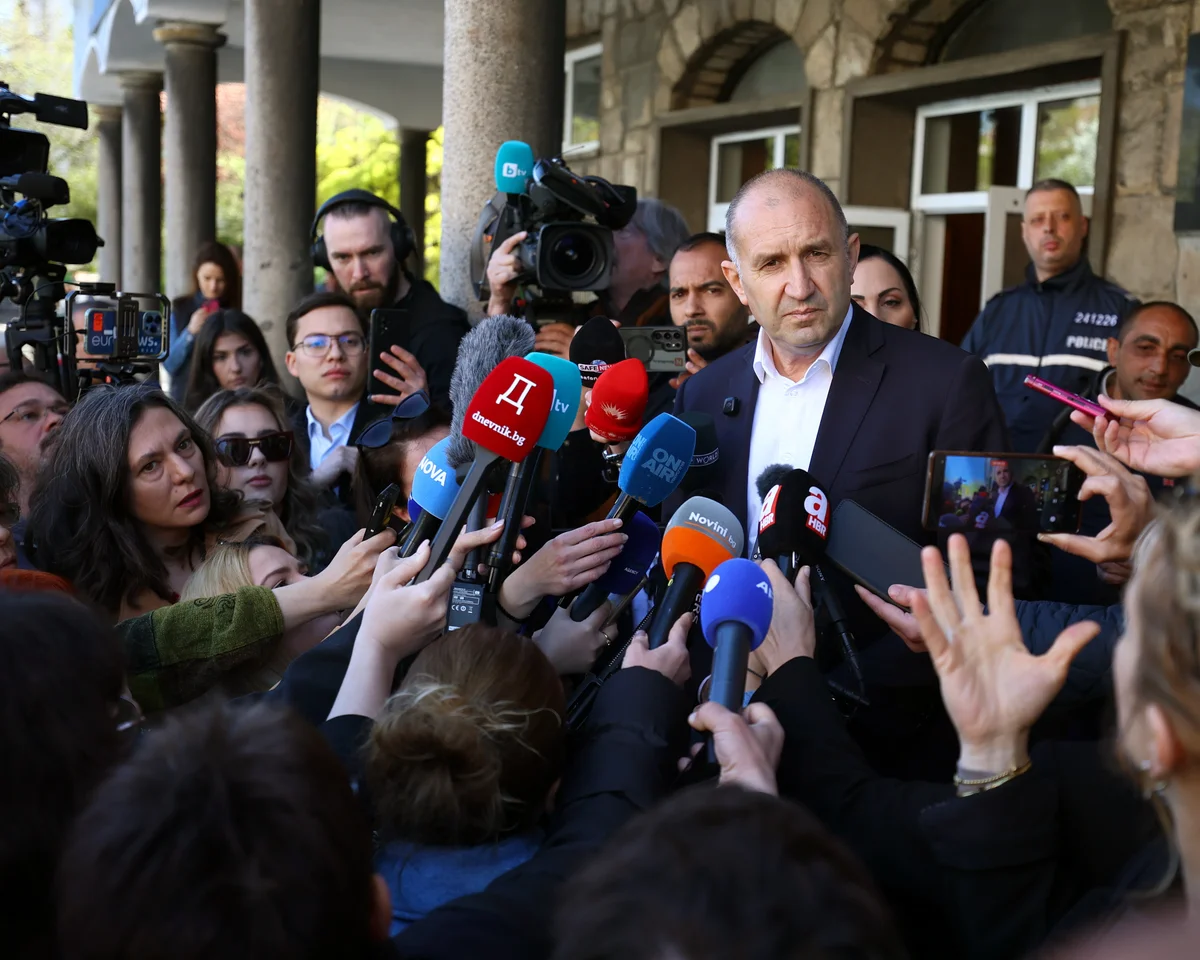
Bulgaria’s former president Rumen Radev has officially declared a significant electoral victory this Sunday. Projections indicate his new political formation has secured a dominant position in the parliamentary vote. The Progressive Bulgaria grouping has surpassed initial expectations by achieving an impressive forty-four percent result. This outcome grants the former air force general a clear majority in the national parliament. Consequently, he is now poised to hold at least one hundred and twenty-nine total seats. This development marks a turning point after years of instability plagued the Balkan nation recently. Bulgaria has endured eight different parliamentary elections within a relatively short five-year timeframe alone. The country has struggled to maintain stable governance since anti-graft protests began back in 2021. Those widespread rallies successfully ended the long-standing administration led by the conservative leader Boyko Borissov.
Rumen Radev, aged sixty-two, resigned from his presidential duties earlier this year to enter politics. He centered his campaign on a firm pledge to dismantle the existing systemic corruption model. His new political group performed significantly better than both established rivals during the recent polls. The GERB party led by Boyko Borissov trailed far behind with only twelve percent support. Similarly, the liberal PP-DB coalition also struggled to reach beyond twelve percent of the vote. Official final results are anticipated to be published no earlier than this coming Monday morning. Addressing supporters and reporters in Sofia, Radev hailed this result as a victory of hope. He explicitly framed the outcome as a triumph of freedom over the prevailing national fear.
The former president promised that his new administration would work hard on its European path. However, he also emphasized the necessity for pragmatism and critical thinking within the European Union. Radev suggested that Europe had become a victim of its own rigid and ambitious goals. His rhetoric reflects a desire for a stronger Bulgaria acting within a more realistic framework. He has frequently criticized the current oligarchic governance model that has hindered national progress. Many voters expressed a strong desire for fundamental change throughout the recent election campaign period. Retired engineer Stiliana Andonova emphasized the urgent need for deep reforms within the judicial system. She also highlighted the persistent issue of corruption as a primary concern for local citizens.
Polling expert Boryana Dimitrova confirmed that Radev has emerged as the clear winner of this election. Conversely, former Prime Minister Boyko Borissov offered congratulations while maintaining a cautious stance on future governance. He pointedly remarked that winning an election represents only one step toward actual successful governing. Borissov remains critical of the idea that Radev offers anything truly new to Bulgarian politics. He continues to highlight his own party’s strong pro-European position and support for Ukraine. Nevertheless, the electoral tide appears to have shifted decisively in favor of Radev’s new coalition. Radev maintains that he seeks practical relations with Russia based on mutual respect and equality.
He has been a vocal opponent of the recent defense agreement signed with Ukraine. Although he opposes sending military aid, he insists he will not obstruct collective European decisions. Participation rates in these elections exceeded fifty percent, marking a notable increase since early 2021. Political organizers had actively encouraged citizens to vote in order to help curb vote-buying practices. Authorities recently conducted successful raids resulting in over one million euros in seized cash assets. These operations led to the detention of various local figures including several mayors and councillors. The nation now faces a period of transition as the new government prepares for power.

Observers are watching closely to see how Radev balances his domestic agenda with foreign policy. His past criticism of the European Union has generated significant discussion among international political circles. Supporters see him as a necessary disruptor who can finally break the cycle of stagnation. Detractors worry that his approach could lead to increased isolation from core European democratic partners. The focus now shifts toward the official formation of a new cabinet in Sofia. Radev is expected to begin preliminary discussions regarding coalition partners despite his strong parliamentarsession ahead. Political analysts suggest that the coming months will test his ability to deliver concrete results. They majority. Achieving true stability will likely require addressing the deep economic concerns facing many Bulgarian households.
The cost of living and demographic decline remain among the most urgent challenges for leaders. Radev has pledged to prioritize these issues as he begins his term as a political leader. Whether he can effectively bridge the divide between his campaign rhetoric and governance remains unclear. The international community awaits further signals regarding the direction of his future foreign policy decisions. Bulgaria’s strategic importance as a NATO member adds complexity to the upcoming legislative Bulgarian public remains hopeful that this result signifies an end to persistent political deadlock.
While the path forward may be complex, the mandate from the voters appears quite robust. Radev must now transition from a critical voice to a responsible head of national government. Many citizens look forward to seeing if he can fulfill his promises of systemic reform. The eyes of Europe are certainly fixed upon Sofia during this historic moment of transition. It is expected that the coming week will clarify the full extent of his plans. Bulgaria stands at a critical juncture between its past history and its envisioned future path. Whether this victory translates into meaningful long-term success remains the central question for the nation.
Related News:
 UK Banks Granted Reprieve as BoE Delays Basel III Capital Rules Until 2028
 Singapore Corruption Scandal: Details Emerge on Iswaran’s Luxury Flight and Ties to Tycoon Ong Beng Seng
 Corfu Beyond the Crowds: Discovering Serenity in Southern Villages and Hidden Taverns
 Peter Andre Praises Son Junior’s ‘Quiet Season’ Amid Ongoing Family Dispute
 Massive 641-Mile Storm Set to Batter UK with 15 Hours of Rain and Strong Winds
 Jeremy Clarkson’s Pub: A Sunday Lunch Like No Other
 Scottish Government Mandates Single-Sex Toilets and Changing Facilities in Schools
 Reeves Faces Setback as Labour May Miss Homes Target
 Kate Winslet to Narrate Film Highlighting King’s Environmental Mission
 Trump’s UK Ambassador Urges North Sea Drilling to Strengthen US Ties
 UK Bans Fake Numbers: Scammers Lose Their Trick
 Vibe coding’ named Collins dictionary’s word of the year
BBC to Apologise Over Edited Trump Speech Amid Backlash
Vibe coding’ named Collins dictionary’s word of the year
BBC to Apologise Over Edited Trump Speech Amid Backlash
 Millionaires group urge Reeves to introduce wealth tax to ‘lift kids out of poverty’
 Reeves rejects £1bn plea for NHS redundancy payouts
 PM Condemns Leaks, Vows Loyalty to Ministers and Stability
 Phillipson Accused of Appeasing Unions by Diluting EBacc
 Saka Solidifies Role as Tuchel’s Key England Lieutenant
 Greene Pushes Epstein Files Amid Trump Fallout
 Zelenskyy Signs Fighter Jet Deal Amid Russian Drone Attacks
 Sundar Pichai Cautions on AI Hype and Market Risks
 Older Women Vanish from BBC Screens, Review Confirms Bias
 Meta trial over child exploitation claims begins
 Streeting moves on doctor pay to end strike dispute
 Ben Stokes injury joke after brutal ball strike
 UK and US Drop in Global Corruption Index Rankings
 Send spending gap leaves deprived areas behind
 Hidden Crisis: Domestic Abuse Suicide Toll in UK
 UK Unemployment Rate Climbs to 5.2% Peak
 Canberra Poster Seizure Sparks Free Speech Row
 BBC World Cup Presenting Duties Shared Among Trio
 Wales Approves Assisted Dying Bill Consent
 CPS Updates Guidance on Honour-Based and Dowry Abuse
 Stewart Brand on Musk, Bezos and a Life of Long Thinking
 English Cricket Faces Moral Crisis Over Indian Investment
 Jacinda Ardern Move Sparks Kiwi Reflection
 Middle East Airspace Crisis Strands Thousands
 Kelly Wilkinson Inquest Reveals Bail Failure
 Asylum Seekers to Work After Year-Long Wait
 Princess Eugenie steps down as patron of anti-slavery charity
 New Zealand Covid Response Praised Despite Lingering Scars
 Injured Mojtaba Khamenei Elevated as Iran Leader
 The Kill Line: A Shifting Vision of the American Dream
 Inquiry into HMRC child benefit errors launched by NAO
 Family of Alleged Bondi Gunman Seeks Name Suppression
 Rising Costs Force Families to Rethink Days Out
 Air Canada CEO Faces Outcry Over Recent Language Misstep
 Extreme Weather: Europe Shivers as Cyclone Narelle Hits
 Scott Mills Sacked by BBC Over Personal Conduct Claims
 Palantir Boss Defends NHS Deal Amid Government Break Clause
 Asia Turns Back to Coal Amid Middle East Energy Crisis
 Relationship with Trump may be beyond repair, Starmer warned
 Trump’s Six-Week Iranian War: The High Cost of Ignorance
 US and Iran Agree to Two-Week Provisional Ceasefire
 Battle of Britain Tower to House Tourists and Bats
 The Challenger: Will Péter Magyar End the Orbán Era?
 UK Government Poised to Revive Stalled Hillsborough Law
 Democrats Move to Impeach Defense Secretary Pete Hegseth
 Security Alert Near Israeli Embassy as Police Investigate
 Ben Roberts-Smith Denies War Crime Allegations in First Statement
 US Forces Seize Iranian Ship Near Hormuz Blockade
 Japan’s Youth Defend Pacifist Constitution
 Investigation: Offshore Loans and Sanctions
 Trump Defiant After Washington Hotel Shooting
 Cross-Border Crisis Shatters Fragile Afghan Peace
 Urban Flood Crisis: A Growing Threat to English Homes
 Ashley Cole: Finding His Voice and Vision in Italy
 New AI Tool To Target Obesity Risk And Transform NHS Care
 Greens Face Internal Row Over Antisemitism Claims
 Tough Fiscal Realities Await Next Scottish Government
 The Burning Lens: An Iranian Artist’s Visual Resistance
 Met Officers Probed Over Al Fayed Abuse Allegations
 One Nation Candidate’s Surprising Ties to Independents
 Aramco Surges as East-West Pipeline Counters Gulf Tensions
 Reform UK Faces Crisis as Newly Elected Councillors Resign
 Starmer Strikes Back as 100 MPs Sign Support Pledge
 Ann Widdecombe, Formidable Political Figure, Dies at 78
 UK Schools Struggle as Classrooms Top 40C
 Yemen Accuses Iran of Violating National Sovereignty
 Houthis Strike Saudi Arabia as Middle East Tensions Rise