Published: 24 April 2026. The English Chronicle Desk. The English Chronicle Online.
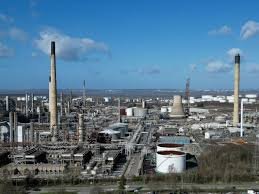
When Russian tanks crossed into Ukraine during early 2022, the reaction across Britain was swift and decisive. Dockers at Ellesmere Port immediately pledged to reject any Russian oil destined for the major Stanlow refinery nearby. This massive hub provides essential fuel for one in every six vehicles and nine airports across the United Kingdom. Essar, the Indian conglomerate owning this critical facility, acted quickly to cease all imports of Russian fuel. However, new investigative analysis into company accounts suggests the flow of money may not have stopped entirely.
Investigations by the Guardian and SourceMaterial reveal that Essar navigated complex offshore arrangements in the months following the invasion. These structures appear to have allowed the group to continue dealing with a major Russian bank currently under Western sanctions. Essar shifted billions of dollars in loans, originally provided by the Kremlin-controlled lender VTB, from Cyprus to a subsidiary in Mauritius. Because Mauritius is outside the jurisdiction of Western sanctions, this move effectively bypassed the restrictions that would have applied elsewhere.
The transfer involved several entities, including subsidiaries of Essar’s own UK arm, known as Essar Energy. Essar maintains that it took advice from a leading law firm and ensured full compliance with all applicable sanctions laws. Nevertheless, prominent legal experts argue that this restructuring raises significant red flags concerning potential sanctions circumvention. Authorities in Cyprus, who originally approved the transfer, are now actively examining whether these actions violated established EU sanctions regulations.

This complex financial history highlights the long-standing, cordial ties maintained between India and Russia even as Western nations imposed strict penalties. In 2014, when Russian forces first seized Crimea, the Essar group borrowed one billion dollars from the state-owned VTB lender. By 2017, the Russian state oil company Rosneft invested thirteen billion dollars into the group’s broader refinery business. These connections continued to deepen as Essar utilized Russian credit lines to stabilize its financial position during difficult periods.
By 2020, the debt owed to VTB had risen to over two billion euros, with the loans secured in Cyprus and guaranteed by the UK-based Essar Energy. Following the full-scale invasion of Ukraine in 2022, VTB and its chief executive, Andrey Kostin, became specific targets of intense international sanctions. Typically, UK businesses with financial obligations to sanctioned entities must seek a special permit from the Office for Financial Sanctions Implementation. Essar never sought this specific blessing, choosing instead to secure approval from the government of Cyprus to move the loans.
This relocation moved the debt more than four thousand miles away to Mauritius, where Russian sanctions did not apply. Two subsidiaries of Essar’s UK arm signed the loan termination agreement, acting as agents on behalf of the company. Leading sanctions experts emphasize that this transfer warrants a thorough investigation by British authorities to ensure complete accountability. Michael Ruck, a partner at the law firm K&L Gates, noted that the restructuring was highly unusual and raised serious concerns.
Liam Byrne, who chairs the influential business select committee, has called upon the UK government to review the entire transaction immediately. He argued that VTB acts as an arm of the Russian state, specifically helping to finance a brutal war of aggression against Ukraine. Consequently, he believes that no British business should have any direct or indirect involvement with such a lender. The government must treat these allegations with the seriousness they deserve and launch a formal inquiry without any further delay.
Essar strongly rejects any suggestion of wrongdoing, stating its actions were proactive, responsible, and fully compliant with all legal requirements. The group emphasized that the arrangements were expressly approved by Cypriot authorities after receiving guidance from a leading firm of solicitors. Furthermore, they described any claims regarding red flags or the circumvention of rules as being entirely without foundation. Despite these firm denials, corporate filings suggest that the group may have actually deepened its dependency on Russian loans after moving them to Mauritius.

Independent forensic accountants reviewing the latest accounts identified new exposure to the rouble that they believe cannot be explained by accrued interest. Rachel Sexton, an independent accountant, stated that the files simply do not make sense without acknowledging new borrowing from the Russian state lender. Additionally, Essar has established a new corporate presence directly in Moscow, with offices located in the same skyscraper that houses the headquarters of VTB Capital. While Essar claims the office only exists to wind down the loans, an employee previously indicated his role included identifying new investment opportunities.
The government of Cyprus is now reviewing whether these ongoing transactions with VTB constitute a violation of EU sanctions regulations. Officials in Mauritius have also faced difficulties with the group, noting that a requested restructuring was delayed by years due to a failure to provide necessary documentation. Lloyd Hatton, a Member of Parliament, argued that the UK government must now apply the same critical scrutiny used by these other authorities. The potential for financial entanglement with a sanctioned Russian bank remains a deeply alarming prospect that demands an urgent and transparent investigation.
Related News:
 Capitol Attack Anniversary Sparks Deep Political Divide
 Saudi Officials Report Zubaidi Flee Before Yemen Peace Talks
 UK Targets in New York Bomb Threat Hoax: Man Jailed
 Gambia Supreme Court Hears Case to Overturn FGM Ban
 Trump targets Iran trade with 25% tariff warning
 Rudd successor: Defence chief and former ministers considered
 US Senate rejects resolution limiting Trump military powers
 Venezuela regime claims release of political prisoners signals new era
 Gulf states warn Trump Iran strikes risk wider Middle East war
 Machado Trump medal gesture reshapes Venezuela power struggle
 Greenland defence seen as shared Nato duty amid troop arrivals
 Geopolitical football: Iran, Trump and the World Cup clash
 Canada-China trade gains momentum in new strategic partnership
 Trump Receives Machado’s Nobel Medal in White House Meeting
 Syria President Declares Victory as Ceasefire Reached with SDF
 US Considers Asylum for British Jews Amid Rising Antisemitism
 Trump slams UK ‘stupidity’ over Chagos Islands, eyes Greenland takeover
 Trump Tightens Grip on EU and UK Energy Supply
 Shinzo Abe’s killer receives life sentence in Japan
 China General Under Investigation Amid Leadership Purge
 Philippines ferry disaster leaves 15 dead, dozens missing
 Cambridge Faces Scrutiny Over Arms Investment Transparency
 Epstein UAE Emails Shake British Royal Andrew’s Legacy
 Christchurch gunman seeks to vacate guilty plea
 Liberal Fallout: Taylor Challenge Casts Shadow Over Sussan Ley’s Leadership
 Infantino Faces Russia Threat and Trump Concerns at Uefa Congress
 Concerns rise for Canberra boy amid Iran detention fears
 Caribbean Leaders Urge Dialogue Amid US Oil Embargo on Cuba
 Anthony Albanese Must Uphold Rights for All Australians
 Ukraine Sends Drone Experts to Defend US Bases in Jordan
 New Zealand Covid Response Praised Despite Lingering Scars
 Abramovich Chelsea Sale Cash Faces Jersey Probe
 Yvette Cooper: UK Must Follow Principles, Not US Pressure
 Slovenia Election: A Nation at a Crossroads
 Jury Rules Meta and YouTube Liable for Addictive Design
 Saudi Arabia Urging US to Keep Up Iran Attacks
 Trump Softens Cuba Oil Stance as Russian Tanker Nears
 The Woman Guarding Earth From the Threat of Asteroids
 IMF Predicts Global Economic Crisis Due to Gulf Unrest
 California Defies Trump With Strict New AI Standards
 Germany Grapples With AI Abuse Following TV Star Scandal
 Exiled Tycoon Warns of New Russian Attacks on UK Soil
 Labor Under Fire Over Stalled University Fee Reform
 LA 2028: Millions of Affordable Olympic Tickets Announced
 Trump Slams Europe as Transatlantic Tensions Boil Over
 Inside the Deceptive Machine: A Former Producer Speaks Out
 Italy Faces Third Successive World Cup Absence After Loss
 Starmer Urges Ambitious EU Ties Amid Middle East Conflict
 Spain Faces Backlash Over Xenophobic Chants in Egypt Draw
 A Global Voice For Justice: Stephen Lewis Dies At Age 88
 Trump Issues Stark Warning After Strike On Iran’s Largest Bridge
 Hope and Fear as Iranians Flee Across the Turkish Border
 Tragic End to Outback Search as Floods Claim a Life
 Ben Roberts-Smith Arrested Over Alleged War Crimes
 Reform UK Pledges To Halt Visas Over Reparations Demands
 US and Iran Agree to Two-Week Provisional Ceasefire
 Starmer visits Gulf as US and Iran agree ceasefire
 Gaza Child Arrives in UK for Life-Changing Care
 Israel Defies Ceasefire as Lebanon Operations Persist
 Pakistan Brokers Historic Peace Deal Amid Rising Tensions
 Netanyahu Vows Continued Lebanon Strikes Amid Peace Talks
 UK Holds Firm on Strait of Hormuz Amid Trump Pressure
 Rory McIlroy Eyes New Horizons After Masters Defence
 Trump Signals Hope for New Iran Talks as Ceasefire Fades
 Reeves Slams Trump Over Iran War Lack Of Exit Plan
 US and Iran Pursue Extension of Ceasefire via Pakistan
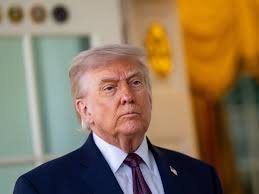 Trump’s Islamabad Gamble: The High Stakes of a New Iran Deal
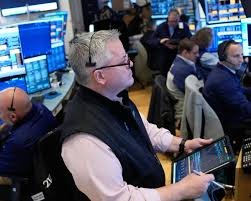 Wall Street Hits Historic High Amid Hopes for Iranian Peace
 Ian Katz to Step Down as Channel 4 Content Chief
 Middle East Conflict Risks UK Food Supply Chains This Summer
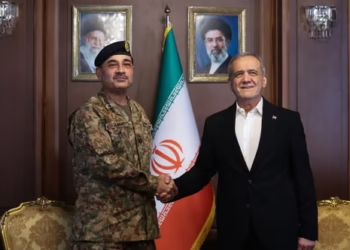 The General’s Gambit: Pakistan’s New Role in Global Peace
 England Eye Landmark 500th Game Glory in Iceland
 Mexico, Spain and Brazil call for Cuba dialogue amid crisis
 US Forces Seize Iranian Ship Near Hormuz Blockade
 Pakistan’s Ambitious Bid for Middle East Peace
 Trump Starts $166bn Tariff Refund Process
 Israeli Soldiers Jailed Over Vandalism of Lebanese Statue
 Trump Weighs Sending Afghan Allies to the Congo
 Timor-Leste Faces Tough Questions Over Resort Proposal
 Pentagon Shakes Up Navy Leadership Amid Hormuz Blockade