Published: 21 April 2026. The English Chronicle Desk. The English Chronicle Online.
The Australian federal government currently faces mounting internal pressure regarding its taxation strategy for the nation’s gas sector. Prominent Labor voices and external experts are increasingly demanding substantial changes to current profit-sharing arrangements. These calls coincide with intense warnings from influential social media figures regarding public frustration levels. A popular political commentator recently suggested that the government has largely ceased prioritizing the interests of ordinary voters. This sentiment creates a difficult environment for the Albanese administration as budget deadlines rapidly approach. The primary focus involves the existing petroleum resource rent tax system which faces widespread criticism. Many believe this current framework provides an unfairly lucrative deal for major gas corporations. Labor’s environment action network recently presented evidence to a formal parliamentary inquiry into this issue. Their national secretary explicitly advocated for a very substantial tax on excessive windfall profits. She noted that such a position aligns perfectly with the official Labor party platform. Support for higher taxation on gas resources remains strong within the broader party membership base. This internal push is gaining significant momentum among several key government backbenchers and senior politicians. Labor member Ed Husic has once again reaffirmed his strong support for a new levy. He argues that the existing system permits companies to enjoy far too generous financial benefits. The ongoing inquiry chaired by the Greens continues to examine potential solutions to this problem. A broad coalition comprising various unions and climate groups supports implementing a new export tax. Experts from the Superpower Institute are pushing for a forty percent cashflow levy instead. They believe this change would ensure a fairer share of profits for all Australian citizens.
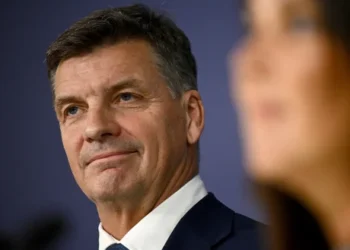
The government is currently weighing these potential options ahead of the upcoming national budget announcement. Treasury officials have been tasked with detailed modelling regarding various windfall tax scenarios and modifications. Budget deliberations are currently complex due to the ongoing volatility within global energy markets today. Appetite for major interventions has diminished recently following the crisis sparked by the recent war. Senior Labor sources have suggested that a specific export tax remains highly unlikely this year. The government remains wary of antagonizing crucial Asian trading partners during this sensitive global period. Australia currently relies heavily on these regional partners for essential supplies of diesel and petrol. Finance Minister Katy Gallagher recently avoided confirming if any new export tax remains on table. She instead highlighted the Prime Minister’s ongoing efforts to secure vital energy supply guarantees abroad. The federal opposition leader has firmly stated that such a tax would harm the industry. Angus Taylor argues that implementing these measures would effectively shut down critical local gas operations. His position places him at odds with some members of his own Liberal party frontbench. Western Australian Labor Premier Roger Cook has also expressed strong opposition to a new tax. He argues that while the concept appears attractive, it would not benefit Western Australia. He has clearly communicated his firm views on this specific matter to the Prime Minister.

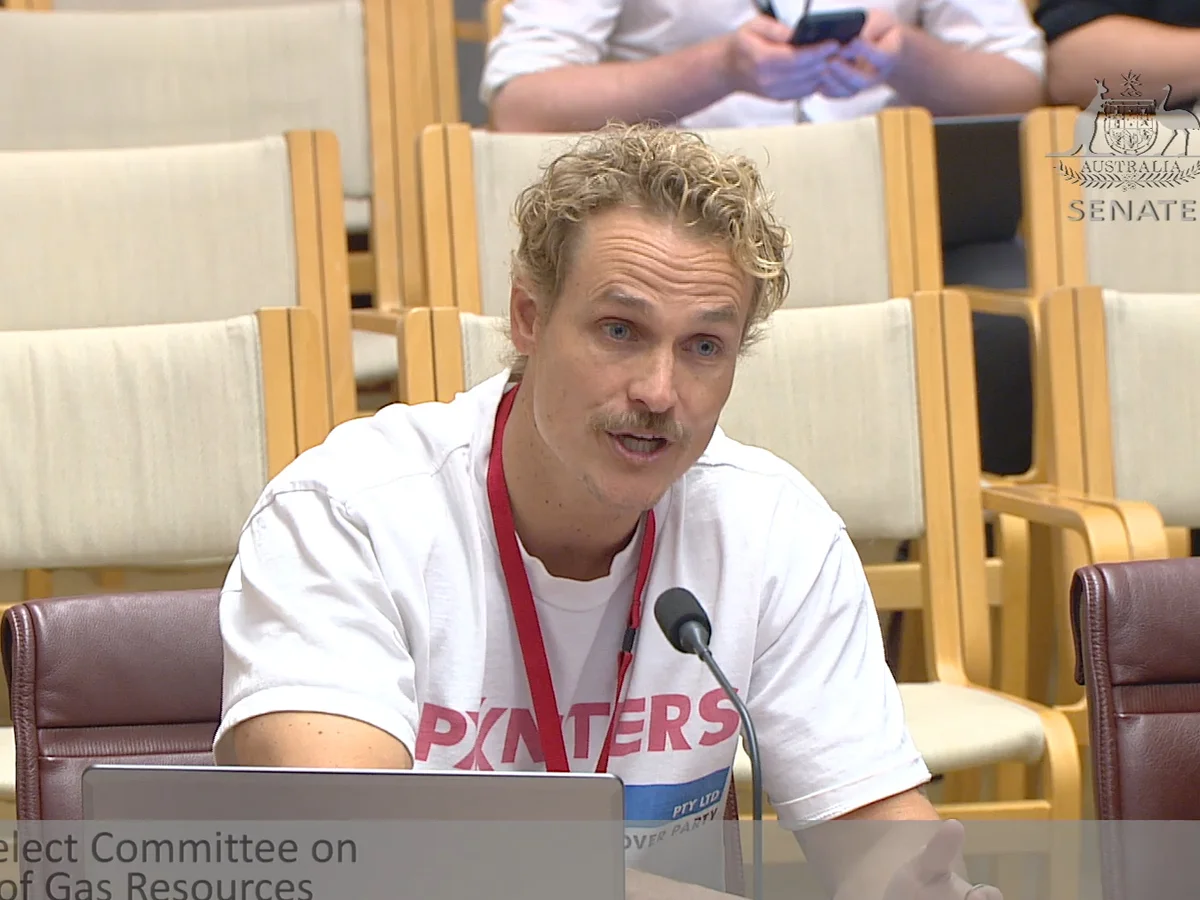
The debate has now transcended traditional parliamentary corridors to reach a massive online audience base. Supporters of reform have issued stark warnings about the potential for a severe voter backlash. They argue that politicians must recognize the depth of public anger regarding resource tax settings. Konrad Benjamin is a former teacher who now commands a massive social media following today. His popular venture focuses on translating complex political issues into accessible content for everyday people. He told the parliamentary inquiry that politicians vastly underestimate the public interest in this issue. Almost one million Australians follow his content regularly to understand how these policies affect them. He explained that his success is actually a symptom of deep national political failure. He argued that the current situation proves the government has stopped serving ordinary citizens well. His testimony highlights a growing disconnect between Canberra’s policy deliberations and the public’s clear expectations. The committee also heard from the former Treasury secretary who offered very blunt professional advice. Ken Henry expressed deep frustration with decades of inaction regarding the taxation of resources. He urged the committee to act decisively in the national interest without any further delay. He insisted that the government should finally stop the nonsense that the public endures. His direct call for action resonated strongly with those seeking significant structural tax reforms immediately.
The Australia Institute has also provided compelling arguments for why the government must act boldly. Its chief executive recently argued that Australia must stop yielding to international lobbying efforts abroad. He specifically pointed to Japan as a country that already collects billions in resource taxes. He noted that Japan currently levies its own significant taxes on imported gas and coal. He argued that if Japan worries about costs, they should scrap their own internal taxes. This perspective challenges the government’s fears about potential trade reactions from our valued Asian partners. It frames the issue as a matter of national sovereignty and fair fiscal policy management. The government now finds itself caught between these powerful external arguments and internal party realities. Balancing the needs of the national budget with the demands of voters is incredibly difficult. The coming weeks will be critical as the final cabinet decisions are formally locked away. Prime Minister Albanese must navigate these competing interests while maintaining stability within his own party. The public will be watching the upcoming budget closely for any signs of real movement. Whether the government chooses to reform the tax system remains a major political question today. The pressure continues to build as the deadline for the annual budget approaches very quickly. Stakeholders on all sides of this debate are now waiting for the final official word. The outcome will likely shape the political landscape for the remainder of this parliamentary term. The government must decide if the risk of inaction outweighs the risk of policy change. Both sides of the aisle remain deeply divided on the best path forward for Australia. This is a defining moment for the current leadership team as they plan the future. The public’s voice is louder than ever before thanks to the power of social media. Politicians can no longer ignore the growing demands for a fairer return on natural resources. The path ahead requires careful navigation to ensure the nation’s long-term economic and energy security.
Related News:
 Army Officers Orders to Cut Ties with Men-Only Clubs
 Trump’s UK Ambassador Urges North Sea Drilling to Strengthen US Ties
 French Taxi Driver Cleared in David Lammy Theft Case After Fare Dispute
BBC to Apologise Over Edited Trump Speech Amid Backlash
French Taxi Driver Cleared in David Lammy Theft Case After Fare Dispute
BBC to Apologise Over Edited Trump Speech Amid Backlash
 Britain deploys RAF specialists to assist Belgium with drone threats
 Millionaires group urge Reeves to introduce wealth tax to ‘lift kids out of poverty’
 Reeves rejects £1bn plea for NHS redundancy payouts
 PM Condemns Leaks, Vows Loyalty to Ministers and Stability
 Major Rent Reform Ends No-Fault Evictions in England
 Senator John Fetterman Hospitalized After Fall from Heart Flare-Up, Keeps Sense of Humor
 Greene Pushes Epstein Files Amid Trump Fallout
 December Run-Off in Chile as Election Produces No Winner
 Canada Passes Carney’s First Budget in Tight Parliamentary Vote
 Shadow Fleet at Sea: Europe’s Battle Against Illicit Oil Shipping
 Georgians Defy Government Crackdown After Year of Protests
 US National Guard Member Killed in DC Shooting
 ICC to Rule on Duterte’s Provisional Release
 Starmer Says Labour’s Economic Plan Needs Years to Deliver
 Australia grants Asio powers to designate hate groups under new laws
 Trump press secretary attacks reporter over ICE question
 Spoof “Make America Go Away” Caps Rally Denmark Over Greenland
 Trump Fed bid heads to Supreme Court
 Pentagon Signals Reduced Role in Deterring North Korea
 Artificial intelligence will cost jobs, admits Liz Kendall
 Partial US Government Shutdown Hits Homeland Security Funding
 Mandelson Faces Police Inquiry Over Epstein Leak
 Morgan McSweeney downfall shocks Labour leadership
 UK and US Drop in Global Corruption Index Rankings
 Farage Unveils Reform UK Frontbench Team
 Canberra Poster Seizure Sparks Free Speech Row
 Evo Morales Returns After Mysterious Absence
 Wales Approves Assisted Dying Bill Consent
 Jacinda Ardern Moves To Australia Following Her US Fellowships
 Jacinda Ardern Move Sparks Kiwi Reflection
 Corbyn Leads Your Party in Coordinated Left-Flank Strategy
 Nick Greiner Warns Over Election Review Fallout
 Asylum Seekers to Work After Year-Long Wait
 Starmer Row as Greens Demand Apology
 New Zealand Covid Response Praised Despite Lingering Scars
 Injured Mojtaba Khamenei Elevated as Iran Leader
 Gordon Brown urges court for crimes against children
 Oil Prices Jump After Trump Claims Iran Oil Hub Destroyed
 Inquiry into HMRC child benefit errors launched by NAO
 Pakistan Targets Militant Hideouts in Afghanistan
 Farage Faces Backlash Over Crypto Cameo Endorsements
 Air Canada CEO Faces Outcry Over Recent Language Misstep
 Big Tech Faces Investigation Over Australia’s Social Media Ban
 Relationship with Trump may be beyond repair, Starmer warned
 Unions Raise Concerns Over Doctors’ Pay Dispute
 Reform UK Pledges To Halt Visas Over Reparations Demands
 UK Government Poised to Revive Stalled Hillsborough Law
 Trump Signals Hope for New Iran Talks as Ceasefire Fades
 Democrats Move to Impeach Defense Secretary Pete Hegseth
 Trump Brokers Landmark Lebanon Ceasefire Amid Regional Hopes
 Crackdown Backfires on UK Climate Protesters
 Trump Defiant After Washington Hotel Shooting
 Royal Diplomacy: King Charles Wins Over US Congress
 Starmer Survives Mandelson Rebellion
 Trump approval plunges amid Iran war fears
 Ohio’s Battle for Trust: Democrats Vying to Flip the Buckeye State
 Tough Fiscal Realities Await Next Scottish Government
 US ‘Narco Boat’ Strikes Draw Global Outcry
 One Nation Candidate’s Surprising Ties to Independents
 Labour Members Doubt Starmer Future as Burnham Leads Poll
 US Awaits Iran Reply on New Ceasefire Proposal
 Reform UK Faces Crisis as Newly Elected Councillors Resign
 Farage Faces New Questions Over Private Helicopter Use
 Green Party Makerfield Candidate Resigns Over Posts
 Tony Abbott Returns as New Liberal Party President
 Discontent grows around Putin amid war strain
 Secret Role of UK Security Services in Troubles Amnesty Law
 The Hidden Crisis Eroding Trust in British Communities
 Deepfake Abuse on X Sparks Safety Concerns for Dissidents
 US Courts Back Trump on Park Signage Removals
 Trump’s Mount Rushmore Speech: A Divisive Anniversary
 Trump’s Red-Card Intervention Hurts the US World Cup
 Farage Warns Sky News Following Financial Inquiry
 Trump Swaps Planes Amid Iran Tensions
 Ann Widdecombe, Formidable Political Figure, Dies at 78
 Houthis Strike Saudi Arabia as Middle East Tensions Rise