Published: 28 April 2026. The English Chronicle Desk. The English Chronicle Online.
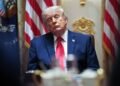
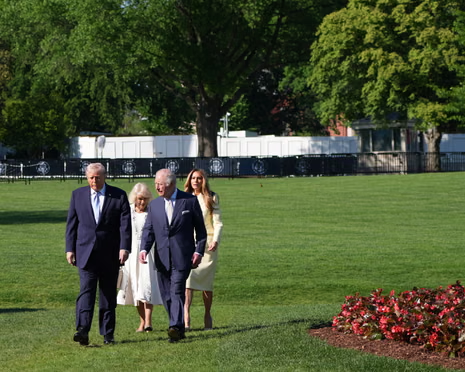
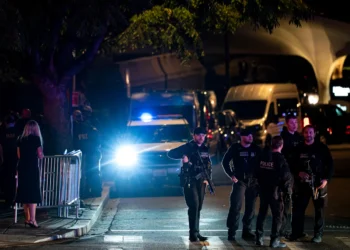
King Charles and Queen Camilla arrived at the White House on Monday for a high-stakes state visit. This visit comes as Washington remains rattled following a weekend shooting at a major press event. The city appears to be on edge while hosting the British monarch for this four-day diplomatic mission. British flags were seen lining lamp-posts outside the White House, creating a backdrop of traditional ceremonial grandeur today. President Donald Trump and the first lady, Melania Trump, greeted the royal couple with formal handshakes outside. The four individuals appeared to exchange polite pleasantries and paused for several photographs before heading inside the building. They gathered together for a private tea, avoiding any immediate public engagement with the assembled White House media corps.
The British monarch was effectively spared the potential humiliation of being publicly upbraided by the American president this week. Sources indicate the White House agreed that any private meeting between the two leaders should be held off-camera. UK ministers have pinned great hopes on the success of this state visit, which they believe is crucial. They are hoping it will help repair the relationship between the two countries at one of its most difficult points. Tensions have recently escalated due to ongoing disagreements regarding the conflict in Iran and broader issues of global trade. Prime Minister Keir Starmer has faced significant pressure from some lawmakers who believe the state visit should have been canceled. However, the government insists that the King is uniquely positioned to help mend the growing rift between these two nations.

King Charles is expected to address a joint meeting of the United States Congress later this week, a rare honor. This will be the first joint address by a British monarch to Congress in over three decades of transatlantic relations. Beyond the formal pageantry of Washington, the royal couple will also travel to New York and Virginia to engage in community events. These secondary stops are designed to broaden the visit beyond high-level politics, reinforcing the people-to-people ties that underpin the alliance. Nevertheless, the atmosphere surrounding the visit is deeply colored by the current geopolitical climate and the president’s own recent rhetoric. President Trump has repeatedly accused British leadership and other European allies of not doing enough to assist in the military campaign against Iran.
The president has been visibly frustrated by the prime minister’s decision not to allow the United States to use specific British bases. While the United Kingdom has permitted the use of bases for defensive strikes, it has been much more cautious about offensive operations. These structural disagreements reflect deeper divergences over core strategic questions that have gradually pulled the two countries further apart in recent months. The administration has also clashed with the British government over issues of trade, immigration, and digital taxation policies. Last week, the president threatened to impose a significant tariff on the United Kingdom if it did not drop its digital services tax. This levy currently imposes a two percent charge on the revenue generated by massive global technology companies operating within the British market.
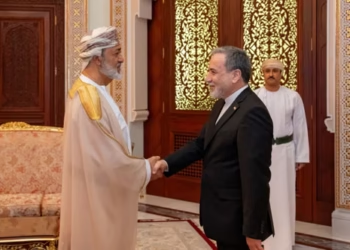
While a ceasefire has led to a temporary pause in hostilities in the Middle East, efforts to broker a lasting peace remain stuck. The United Kingdom and France have recently worked together to convene a coalition of more than thirty countries to help secure vital shipping routes. The current visit will mark the two hundred and fiftieth anniversary of the signing of the American Declaration of Independence, a milestone that underscores the shared heritage. Buckingham Palace has stated that the trip will highlight the historic connections and the modern bilateral relationship between the two sovereign nations. The King’s visit is, in part, a deliberate attempt to smooth over these major policy differences through the quiet, soft power of the monarchy.
The British crown has long served as a diplomatic asset, able to engage foreign leaders in ways that elected politicians sometimes cannot manage themselves. However, even Buckingham Palace officials recognize the significant risks involved in such a delicate and high-profile mission during these turbulent times. The White House has emphasized that the visit is meant to honor the special relationship, but the underlying tensions remain difficult to conceal entirely. On Tuesday morning, the president and first lady will host a formal state arrival ceremony on the South Lawn, complete with full military honors. This event will feature the United States Army Herald Trumpets and a traditional twenty-one gun cannon salute to mark the occasion properly. Following the inspection of the troops, the president will deliver remarks designed to highlight the strength of the partnership despite the current political challenges.

There has been substantial public speculation about whether the King might be able to talk the president down from some of his more aggressive international statements. Observers are watching the interactions between the two men very closely for any signs of warmth or diplomatic progress. The stakes for the British government are incredibly high as they look to navigate a path forward through an increasingly unpredictable global landscape. The relationship between the United States and the United Kingdom has weathered many storms over the past centuries, yet this moment feels particularly precarious for both sides. The upcoming days will reveal if this royal visit can truly serve as a bridge to a more stable and collaborative future.
As the King and Queen continue their visit, the eyes of the world remain fixed on the unfolding events in the nation’s capital. The success of this trip may well determine the tone of the transatlantic alliance for the remainder of the current presidential term. While ceremonial events provide a veneer of unity, the real work of diplomacy will likely happen in the quiet, private rooms behind the scenes. Whether that work succeeds remains an open question for diplomats and the public alike in these challenging and uncertain times.
Related News:
 Capitol Attack Anniversary Sparks Deep Political Divide
 Saudi Officials Report Zubaidi Flee Before Yemen Peace Talks
 UK Targets in New York Bomb Threat Hoax: Man Jailed
 Gambia Supreme Court Hears Case to Overturn FGM Ban
 Trump targets Iran trade with 25% tariff warning
 Rudd successor: Defence chief and former ministers considered
 US Senate rejects resolution limiting Trump military powers
 Venezuela regime claims release of political prisoners signals new era
 Gulf states warn Trump Iran strikes risk wider Middle East war
 Machado Trump medal gesture reshapes Venezuela power struggle
 Greenland defence seen as shared Nato duty amid troop arrivals
 Geopolitical football: Iran, Trump and the World Cup clash
 Canada-China trade gains momentum in new strategic partnership
 Trump Receives Machado’s Nobel Medal in White House Meeting
 Syria President Declares Victory as Ceasefire Reached with SDF
 US Considers Asylum for British Jews Amid Rising Antisemitism
 Trump slams UK ‘stupidity’ over Chagos Islands, eyes Greenland takeover
 Trump Tightens Grip on EU and UK Energy Supply
 Shinzo Abe’s killer receives life sentence in Japan
 China General Under Investigation Amid Leadership Purge
 Philippines ferry disaster leaves 15 dead, dozens missing
 Cambridge Faces Scrutiny Over Arms Investment Transparency
 Epstein UAE Emails Shake British Royal Andrew’s Legacy
 Christchurch gunman seeks to vacate guilty plea
 Infantino Faces Russia Threat and Trump Concerns at Uefa Congress
 Concerns rise for Canberra boy amid Iran detention fears
 Caribbean Leaders Urge Dialogue Amid US Oil Embargo on Cuba
 Ukraine Sends Drone Experts to Defend US Bases in Jordan
 New Zealand Covid Response Praised Despite Lingering Scars
 Abramovich Chelsea Sale Cash Faces Jersey Probe
 Yvette Cooper: UK Must Follow Principles, Not US Pressure
 US Strike on IRIS Dena Strains Strategic Indian Security Ties
 Slovenia Election: A Nation at a Crossroads
 Jury Rules Meta and YouTube Liable for Addictive Design
 Saudi Arabia Urging US to Keep Up Iran Attacks
 Trump Softens Cuba Oil Stance as Russian Tanker Nears
 The Woman Guarding Earth From the Threat of Asteroids
 IMF Predicts Global Economic Crisis Due to Gulf Unrest
 California Defies Trump With Strict New AI Standards
 Germany Grapples With AI Abuse Following TV Star Scandal
 Exiled Tycoon Warns of New Russian Attacks on UK Soil
 Labor Under Fire Over Stalled University Fee Reform
 LA 2028: Millions of Affordable Olympic Tickets Announced
 Trump Slams Europe as Transatlantic Tensions Boil Over
 Inside the Deceptive Machine: A Former Producer Speaks Out
 Italy Faces Third Successive World Cup Absence After Loss
 Starmer Urges Ambitious EU Ties Amid Middle East Conflict
 Spain Faces Backlash Over Xenophobic Chants in Egypt Draw
 A Global Voice For Justice: Stephen Lewis Dies At Age 88
 Trump Issues Stark Warning After Strike On Iran’s Largest Bridge
 Hope and Fear as Iranians Flee Across the Turkish Border
 Tragic End to Outback Search as Floods Claim a Life
 Ben Roberts-Smith Arrested Over Alleged War Crimes
 Reform UK Pledges To Halt Visas Over Reparations Demands
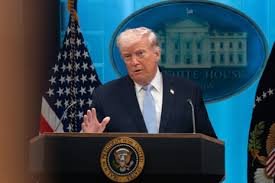 US and Iran Agree to Two-Week Provisional Ceasefire
 Starmer visits Gulf as US and Iran agree ceasefire
 Gaza Child Arrives in UK for Life-Changing Care
 Israel Defies Ceasefire as Lebanon Operations Persist
 Pakistan Brokers Historic Peace Deal Amid Rising Tensions
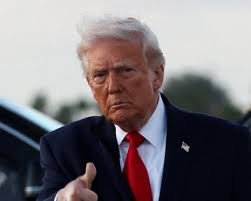 UK Holds Firm on Strait of Hormuz Amid Trump Pressure
 Rory McIlroy Eyes New Horizons After Masters Defence
 Trump Signals Hope for New Iran Talks as Ceasefire Fades
 Reeves Slams Trump Over Iran War Lack Of Exit Plan
 US and Iran Pursue Extension of Ceasefire via Pakistan
 Trump’s Islamabad Gamble: The High Stakes of a New Iran Deal
 Wall Street Hits Historic High Amid Hopes for Iranian Peace
 Ian Katz to Step Down as Channel 4 Content Chief
 The General’s Gambit: Pakistan’s New Role in Global Peace
 Mexico, Spain and Brazil call for Cuba dialogue amid crisis
 US Forces Seize Iranian Ship Near Hormuz Blockade
 Pakistan’s Ambitious Bid for Middle East Peace
 Trump Starts $166bn Tariff Refund Process
 Israeli Soldiers Jailed Over Vandalism of Lebanese Statue
 Trump Weighs Sending Afghan Allies to the Congo
 Timor-Leste Faces Tough Questions Over Resort Proposal
 Pentagon Shakes Up Navy Leadership Amid Hormuz Blockade
 Trump Threatens UK With Big Tariff Over Tech Tax
 Prominent Voices Challenge Palestine Action Ban
 Security Scrutiny After Washington Shooting Incident
 Stalled Diplomacy: Middle East Peace Efforts Reach Deadlock