Published: 20 August 2025. The English Chronicle Desk
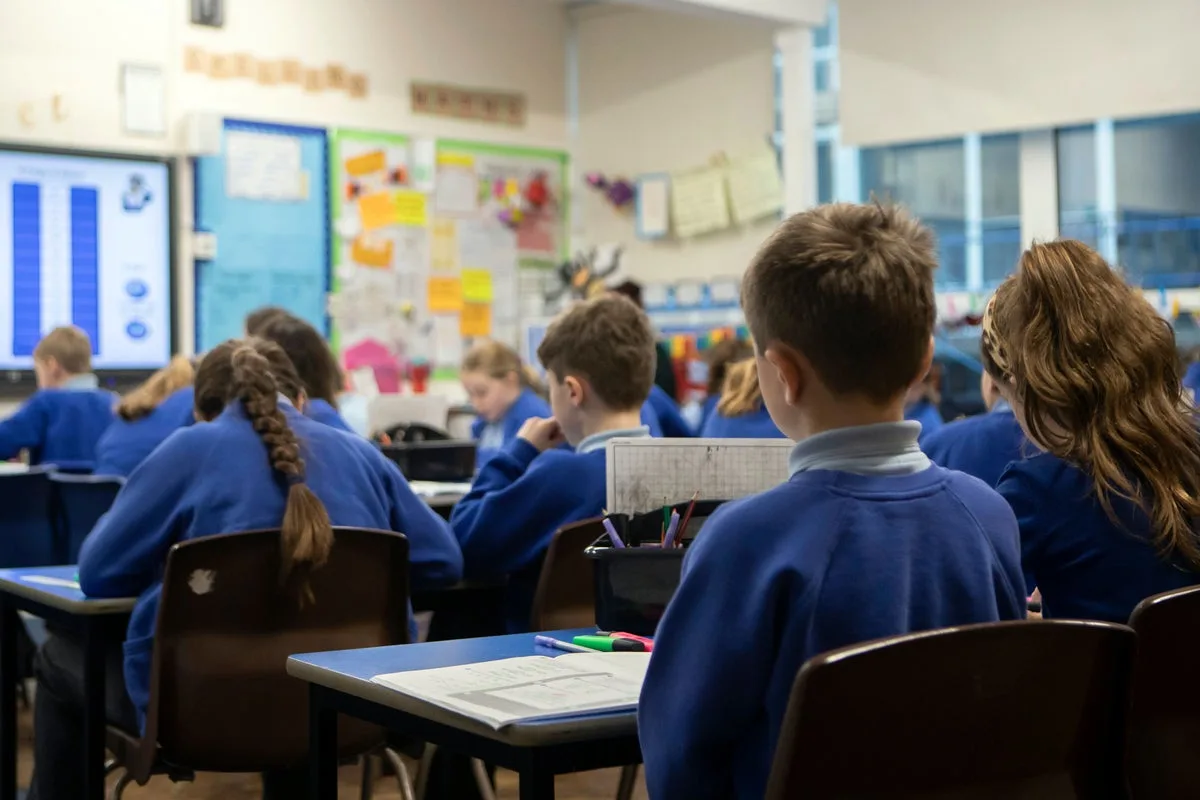
Boys and girls should be taught about periods together in schools to foster a better understanding of menstruation, according to new research conducted by academics at University College London (UCL). The study highlights significant gaps in current school curricula, where many students reportedly receive only two lessons on periods throughout their entire education – one in primary school and one in secondary school. Researchers are now calling for more comprehensive and inclusive menstruation education.
Since September 2020, relationships and sex education has been compulsory in secondary schools in England, while relationships education has been mandatory in primary schools. However, Professor Joyce Harper from the UCL Institute for Women’s Health emphasised that “Educating pupils about periods may now be compulsory in schools in England and Wales, but we know that for many of them that still only amounts to two lessons in their entire school career.”

The study recommends that lessons on periods be delivered to mixed-sex groups, as well as single-sex groups, to ensure that boys are included in discussions and gain a better understanding of menstruation. Professor Harper explained, “Our focus groups were also of the view that boys need to be part of that education. Mixed sessions are crucial for boys’ education, helping them understand and support their friends and future partners through menopause.”
The research involved 55 women aged between 18 and 40, divided into two age groups. Five focus groups were conducted for each group, with participants recruited via social media. Many of the women had been educated before the introduction of mandatory menstrual education in English schools. The study found that menstruation remains highly stigmatised, and a lack of education often prevents individuals from seeking appropriate medical advice.
Co-author Caroline Musulin highlighted the personal and systemic impact of inadequate education on menstruation, saying, “Many women endure menstrual problems longer than they should due to the inability to speak openly about uncertainties, fears of being dismissed by healthcare professionals, the view that it’s ‘just’ a painful period or feelings of shame. Stigma, secrecy, and the expectation to ‘cope’ contribute to the systemic dismissal of menstrual discomfort.”
Government guidance on relationships, sex, and health education (RSHE) now requires pupils to learn about menstruation from primary school, covering physical and emotional changes, and to receive more advanced education by the end of secondary school on topics such as premenstrual syndrome, heavy menstrual bleeding, endometriosis, polycystic ovary syndrome, and menopause. The Department for Education emphasises that “RSE lessons should ensure that both boys and girls have opportunities to practise respectful communication and understand experiences which are different from their own, including menstruation and menopause.”
Schools in England will be required to follow statutory RSHE guidance from September 2026. Sarah Hannafin, head of policy for school leaders’ union NAHT, said, “Teaching about periods is a vital part of health education for all pupils. Mixed-sex groups should be planned to ensure that pupils understand each other’s experiences. Schools need high-quality resources to support this education, which requires more than a single lesson given the already crowded curriculum.”

Pepe Di’Iasio, general secretary of the Association of School and College Leaders, added, “We fully support the need for boys and girls to be taught about menstruation in a comprehensive manner that goes beyond biological facts and addresses the wider effects on wellbeing.”
The research underlines a growing consensus among academics and education leaders that a more inclusive and extensive approach to menstrual education is essential, not only for improving knowledge but also for addressing stigma and promoting health and wellbeing among young people.
Related News:
 Learner Drivers to Face CPR and Defibrillator Questions in New Theory Tests
 Calls Grow for a Complete Ban on Smacking as Public Opinion Shifts
 Ofsted Pushes Ahead with Controversial New Inspection Regime Despite Widespread Opposition
 Special Needs Reforms Risk Becoming ‘Welfare Reforms Mark 2,’ Warns IFS
 UK Graduates in Healthcare Report Highest Satisfaction with Degree Choices
 Covid School Closures in UK Severely Disrupted Children’s Lives, Inquiry Finds
 Phillipson Warns Parents Over Poor Quality Online Advice
 One in 12 Secondary Pupils Sent to Isolation Weekly
 Marie Curie Launches End-of-Life Checklist to Ease Stress
 How Bringing Forests Into Preschools Boosts Children’s Health
 London’s Childlessness Crisis: Schools Closing as Families Shrink
 No link found between paracetamol in pregnancy and autism
 Scottish Families Take Legal Action Over School CO Leak
 NHS Resident Doctors Vote for Strike Action Amid Escalating Pay Dispute
 Concerns Mount Over Accuracy of At-Home Health Tests as Study Calls for Stricter Regulation
 Ageless Energy: How Life After 40 Is Sparking a New Era of Vitality and Innovation
 Labour Faces Standoff as NHS Strike Exposes Deeper Crisis
 The Ketamine Crisis in the UK is a Silent Epidemic Leaving Users with Lifelong Pain
 Princess of Wales Launches Animated Video Series to Support Early Childhood Development
 My Husband Won’t Stop Playing with Lego and It’s Driving Me Nuts
 ‘I’m Trying to Cut Down My Alcohol Intake and This 99p Low-Calorie Drink Converted Me’
 It’s Thanks to Gabby That I Caught My Prostate Cancer in Time’ – Kenny Logan Opens Up on His Battle and His Mission to Save Lives
 Rugby Confronts Safety Concerns with Smart Mouthguards at Women’s World Cup
 Cats Develop Dementia Similarly to Humans, Study Finds
 Alarming rise in abusive teen relationships in the UK sparks urgent warnings
 More than a Quarter of A-Level Students Poised to Achieve Top Grades Across UK
 Shocking Rise in Children’s Exposure to Violent Online Pornography Raises Alarm
 Why Where You Live Can Affect Your School Grades – And the Gap Between Areas Is Only Widening
 Baby Food Manufacturers Given 18 Months to Improve Nutrition and Labelling
 Costa Blanca Holiday Horror as Food Poisoning Outbreak Hits Four-Star Hotel
 ‘REAL DANGER’: Stark Fresher’s Flu Warning After 23-Year-Old Student, Who Woke Up With Sore Throat, Loses All Four Limbs
 England Plans Ban on Energy Drinks for Under-16s Amid Health Concerns
 Why E-Bikes and E-Scooters Are Making Streets a ‘Nightmare’ for Blind People
 Millions in the UK at Higher Risk of Heart Failure and Stroke Due to Air Pollution, Study Warns
 University of Edinburgh Lecturers Launch Five-Day Strike Amid £140m Budget Cuts
 Norfolk Hospital Ranked Worst in England as NHS League Tables Return
 More Than Half of UK Births Now Involve Medical Intervention
 Labour Urged to Launch National Occupational Health Service to Tackle Worklessness
 Growing Crisis in UK Schools: One in Three Parents Seek Special Needs Assessments
 UK Doctors Guilty of Sexual Misconduct Continue Practising Amid Weak Sanctions, Research Finds
 UK Launches Initiative to Teach Democracy to Toddlers in Memory of Sir David Amess
 UK Confronts Rising Crisis of Child-on-Child Sexual Abuse as Patterns Shift
 It Changed My View’: Campaign Encourages Pupils in Deprived Areas to Consider University
 Heavy Drinkers Lead Growth in Non-Alcoholic and Low-Alcohol Market
 Starmer Unveils Plan for NHS “Online Hospital” to Tackle Waiting Lists
 UK Home Office approves extra visas for UCL international students amid deferred admission concerns
 Teacher Permanently Banned After Slapping Pupil Over Classroom Incident
 Eligibility Confusion Over COVID Vaccination Leaves Pharmacies Struggling Across the UK
 Women Challenge Meta Over Targeted Ads After Miscarriage
 Mum’s Final Wish: Donating Her Body to Science
 Genetic Tests May Predict Return of Blood Cancer
 £18 Prostate Cancer Test Could Save Thousands of Lives
 Parents spending £5,000 on special school assessments in England
Pregnant Women in England Face Rising Risk of Severe Birth Injury
Parents spending £5,000 on special school assessments in England
Pregnant Women in England Face Rising Risk of Severe Birth Injury
 The debate over England’s compulsory reading test for 13-year-olds
 UK Health Leaders Push for Urgent Tobacco & Vape Bill
 Hospice Cuts Raise Alarm Across England Amid Funding Crisis
 Is a two-week half-term a good deal? Some parents in England aren’t so sure
 Celebrities and Charities Demand UK Government Act on Child Poverty
 Children to Learn Local History in Major Curriculum Overhaul
 UK University Suspends Human Rights Research Following Pressure from China
 Top Christmas Books Reads: Classics to Cozy Romcoms
 Greta Thunberg Backs Student Facing UK Visa Revocation
 Audio Books deals and promo codes to explore in November 2025
 Labour immigration crackdown could cost UK £4.4bn
 Nigeria’s $25m Museum Faces Political Storm Amid Benin Bronzes Debate
 Algeria Pardons French-Algerian Novelist Sansal After Year in Jail
 Working-Class Men with Prostate Cancer Left Behind by NHS
 England’s Special Needs Support Faces Breaking Point
 From Baby Teeth to Bioengineering: The Future of Self-Healing Teeth
 UK launches major AI drive to fight deadly superbugs
 ‘Traumatic Wait’: Northern Ireland Women Face Breast Cancer Delays
 Healthy Habits in Your 30s That Boost Life in Your 70s
 Woman Meets Boy Whose Life She Saved with Kidney
 Ex-Harvard President Pauses Teaching Over Epstein Emails
 Coffins Now Too Large to Cremate Amid Rising Obesity Crisis
 Vicki Fears Losing Motability Car
 Delhi’s Toxic Air Crisis Leaves Children Sick and Vulnerable
 Fibromyalgia Patients Struggle as NHS Fails to Provide Care
 “Enough is Enough”: Local MP Vows to Fight Rainham Quarry Plans