Published: 11 June 2026. The English Chronicle Desk. The English Chronicle Online.
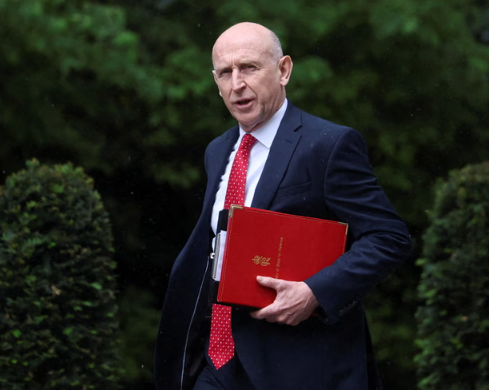
The political landscape in Westminster has been thrown into sudden and profound disarray today. John Healey has unexpectedly resigned from his prominent position as the nation’s defence secretary. His departure comes after intense internal arguments regarding upcoming military spending across the country. This dramatic decision follows months of speculation about funding for the armed forces. The sudden move has sent significant shockwaves through the heart of the current government.
At the center of this dispute is the long-awaited defence investment plan. This major strategy document was expected to be published by ministers very imminently. However, the proposal has instead triggered a massive crisis at the highest level. Healey chose to express his deep frustrations directly to the prime minister today. In a formal letter to Keir Starmer, he explained his difficult choice. The outgoing secretary stated that the new financial package fell incredibly short overall. He believes the budget fails both the military and the wider British public.
The timing of this high-profile resignation could not be more critical for Britain. Healey emphasized that the nation currently faces an incredibly dangerous time on the global stage. International threats are rising rapidly according to recent intelligence assessments from western allies. The former secretary insisted that the requirement for further defence investment remains absolutely clear. Detailed work regarding the necessary costs was already fully completed back in January. Since that time, top officials have struggled to reach a final financial agreement.
According to the letter, political leaders failed to provide vital resources for national security. Healey claimed that Starmer was simply unable to commit the necessary funding required. Furthermore, he noted that the Treasury was entirely unwilling to grant these resources. This financial reluctance has allegedly left the country vulnerable during a period of geopolitical instability. The bitter dispute highlights growing tension between defence demands and strict fiscal policy. Analysts suggest this rift could seriously damage the public image of the administration.
The former defence secretary only witnessed the final funding settlement on Monday afternoon. He immediately realized the proposed figures were entirely inadequate for modern military requirements. Healey argued that the newly promised financial support was being heavily backloaded. This means the vital funding would only arrive much later in the decade. In contrast, the immediate pressure on active operations requires urgent funding right now. The military desperately needs to speed up its overall readiness to fight today.
The current plans show spending rising to just under three percent by 2030. Specifically, the defence budget is projected to reach exactly 2.68% of national GDP. Healey pointed out that Britain will already reach 2.6% by next year anyway. This minimal increase is driven primarily by investments that the government already made. Therefore, the new plan offers very little extra support for the armed forces. The minimal growth has clearly failed to satisfy leadership within the defence ministry.
The letter also reminded the prime minister of his own previous public warnings. Starmer has frequently stated that western allies face severe external threats very soon. He previously warned that Nato could face a direct attack by Russia by 2030. Because of these statements, the prime minister is fully aware of military needs. Healey noted that Starmer made this specific argument powerfully earlier this year. The warning was delivered during a major speech at the Munich security conference.
That high-profile international event took place back in the month of February. Despite those strong words, the final defence investment plan failed to meet expectations. Healey argued that the current policy does not properly address the present moment. Without adequate funding, he would be forced to make incredibly difficult choices. These potential decisions would directly reduce the operational readiness of all British forces. Such cuts would also significantly increase the danger to active personnel on operations.
The former secretary stated that these budget constraints could make the country less safe. He previously explained to Starmer that he could not accept such a settlement. He refused to endorse a plan that deprives forces of necessary equipment. Because his warnings were ignored, he was left with no other viable option. Healey subsequently made the definitive decision to submit his formal resignation today. This action marks the end of his tenure leading the defence department.
The resignation has immediately sparked a fierce debate about future British security commitments. Opposition politicians are already demanding urgent clarity from Downing Street regarding this matter. They argue that the departure reveals deep division over essential national security priorities. Meanwhile, military experts have expressed serious concern over the sudden loss of leadership. The defence ministry must now navigate a complex international landscape without its secretary.
Downing Street is expected to announce a replacement for the vacancy very shortly. Finding a candidate who can balance the budget whilst satisfying military chiefs remains difficult. The Treasury is maintaining its firm stance on controlling overall public expenditure strictly. This approach continues to cause friction with departments requiring heavy long-term investment. The ongoing political fallout from this resignation will likely last for many weeks.
Supporters of the outgoing secretary have praised his principled stance on military funding. They believe he chose national safety over his own personal political career progression. Conversely, critics suggest that the public disagreement could weaken Britain’s international standing today. Foreign allies will be watching how the government resolves this sudden leadership crisis. The debate over the appropriate level of defence spending is far from over.
The English Chronicle will continue to provide live updates on this developing story. Journalists are currently seeking further comments from both Number 10 and the Treasury. This event represents one of the most significant challenges to Starmer’s cabinet. The future direction of British defence policy now hangs in a delicate balance. Readers can expect deeper analysis on the implications for the military tomorrow.
Related News:
 Reeves Faces Setback as Labour May Miss Homes Target
 Kate Winslet to Narrate Film Highlighting King’s Environmental Mission
 Trump’s UK Ambassador Urges North Sea Drilling to Strengthen US Ties
 UK Bans Fake Numbers: Scammers Lose Their Trick
 M&S Profits More Than Halve After Cyber-Attack
 Patients to Test Health at Home to Ease NHS Winter Pressure
 Millionaires group urge Reeves to introduce wealth tax to ‘lift kids out of poverty’
 Reeves rejects £1bn plea for NHS redundancy payouts
 Northern Lights may illuminate UK skies this week
 PM Condemns Leaks, Vows Loyalty to Ministers and Stability
 Major Rent Reform Ends No-Fault Evictions in England
 Stroke Patient Mistaken for Drunk, Care Delayed
 Inside the Helpline Protecting Missing Children in the UK
 Boots Showstopper Beauty Bundle Outshines Many Advent Calendars This Holiday Season
 PlayStation PS5 Deals Hit Lowest Prices Ahead of Black Friday
 Five-Year-Old Dies After Rare Tonsil Surgery Complication
 Starmer Says Labour’s Economic Plan Needs Years to Deliver
 UK unemployment rises to four-year high of 5.1% before budget
 Wiltshire Police Use Lasso to Catch Rampaging Village Goat
 Coasting Drinks: The Trend Redefining Alcohol Enjoyment This New Year
 Rising Hate Crimes Threaten Safety on UK Public Transport
 Starmer Faces Parliamentary Battles Over UK-EU ‘Reset’ Plan
 Met Police Vetting Failures Let Serial Rapists Remain
 Google Employee Claims Redundancy After Harassment Report
 Fatal Bolton Taxi Crash Claims Three Teens and Driver
 ScottishPower Tops List of Worst UK Energy Suppliers
 Judi Dench Champions Fight to Save London’s Green Spaces
 Crowborough Camp Welcomes First Asylum Seekers
 BBC Funding Crisis: Tim Davie Warns of Jeopardy Ahead
 Artificial intelligence will cost jobs, admits Liz Kendall
 Older Women Vanish from BBC Screens, Review Confirms Bias
 Streeting moves on doctor pay to end strike dispute
 Send spending gap leaves deprived areas behind
 Hidden Crisis: Domestic Abuse Suicide Toll in UK
 UK Unemployment Rate Climbs to 5.2% Peak
 BBC World Cup Presenting Duties Shared Among Trio
 Wales Approves Assisted Dying Bill Consent
 CPS Updates Guidance on Honour-Based and Dowry Abuse
 Asylum Seekers to Work After Year-Long Wait
 Inquiry into HMRC child benefit errors launched by NAO
 Rising Costs Force Families to Rethink Days Out
 Scott Mills Sacked by BBC Over Personal Conduct Claims
 Palantir Boss Defends NHS Deal Amid Government Break Clause
 Relationship with Trump may be beyond repair, Starmer warned
 UK Government Poised to Revive Stalled Hillsborough Law
 UK Staycations Rise as Travel Fears Grow
 Home Office Faces Legal Risks Over Asylum Hotel Living
 Official Admits Debate Over Mandelson Vetting Records
 Crisis in NHS Surgery Scheduling Hits Patients Hard
 Welsh Labour Faces Potential Historic Election Defeat
 Blue Badge Abuse: The Rising Tide of Public Hostility
 UK Faces Future Where Deaths Outnumber Births Yearly
 Scott Parker Leaves Burnley After Premier League Drop
 Silent Tracks: Rail Line Without Passengers
 RFU Backs Borthwick Despite England’s Poor Six Nations
 Major test for Labour as polls open in Great Britain
 Keir Starmer Struggles to Secure His Grip on Downing Street
 Fear and Betrayal: The Chilling Case of Kouri Richins
 Farage Faces Standards Probe Over Cash Property Purchase
 Closing the Gap: UK Pensions Commission Demands Action
 Sun and Jams: Britain Braces for a Sizzling Bank Holiday
Russian Electronic Attack Targets UK Defence Chief Jet
Sun and Jams: Britain Braces for a Sizzling Bank Holiday
Russian Electronic Attack Targets UK Defence Chief Jet
 UK Shoppers Face Prolonged Price Rises At Tills
 Tube Strike Brings Capital to a Standstill Over Shift Disputes
 Labour Denies Benefit Tax Hike Amid Mandelson Leak
 Makerfield Voters Demand Real Change as Election Looms
 US Condemns ‘Two-Tier’ UK Policing After Student Murder
 Millions in British Charity Funds Linked to Illegal Settlements
 Ryanair Faces Probe Over Mandatory Family Seating Fees
 Clean Air Initiatives Spark Major Fall in London Hospital Admissions
 United Kingdom Politics Worse Now Than Before Brexit, Warns MP
 Russian Tanker Captain Remanded in UK Court After Channel Seizure
 Shocking Zoo Incident Sparks Attempted Murder Probe
 The Hybrid School Revolution Defying the Social Media Ban
 UK Care Crisis: Row Explodes Over New Visa Settlement Rules
 Sainsbury’s Boss Optimistic As Grocery Inflation Eases
 NHS Urges Investigation For Irregular Periods
 US Airman Avoids British Court in Indecent Exposure Case
 Ann Widdecombe, Formidable Political Figure, Dies at 78
 UK Schools Struggle as Classrooms Top 40C