Published: 15 June 2026. The English Chronicle Desk. The English Chronicle Online.
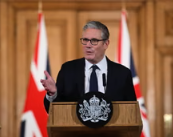
Prime Minister Keir Starmer has announced a total ban on social media for children under sixteen years old. He described this major policy shift as real change for our children and our future. The historic announcement was delivered during a detailed and highly anticipated speech at Downing Street.
This dramatic legislation represents one of the toughest online safety regimes anywhere in the world. The new plan will go much further than the pioneering ban recently enacted in Australia. Starmer argued that social media makes children unhappy and leaves them highly vulnerable to online bullying. He emphasized that the persistent abuse and harassment can heavily damage the mental health of minors.
The extensive restrictions will cover all major global platforms including TikTok, Instagram, and YouTube. Separate strict regulations will simultaneously target popular digital applications such as online gaming platforms. These secondary rules will successfully eliminate any options for minors to chat with unknown strangers.
Starmer openly acknowledged that this dramatic decision was not taken lightly by his government. He refused to present the choice as entirely cost-free for the British public. Young people clearly derive certain educational and social benefits from using modern digital platforms. However, the Prime Minister insisted that governance requires making incredibly difficult societal choices.
He firmly declared that a total nationwide ban is absolutely the right choice today. The sweeping policy changes were implicitly framed as a lasting political legacy for Starmer. This framing comes as he faces an expected leadership challenge in the near future. He intends to reassure worried parents that Britain will become much better for children.
The government wants to guarantee that every young person receives a fair chance. Starmer dismissed critical predictions that clever teenagers would easily circumvent the new legal ban. Critics have pointed out that minors frequently bypass similar restrictions currently operating in Australia. The Prime Minister countered that minor rule-breaking does not invalidate the necessity of law.
He compared the situation to underage drinking laws which remain vital despite some evasion. Society does not abandon alcohol bans for minors just because a few teenagers get drinks. Laws serve as essential rules but they also represent the core values of society. These regulations actively shape the social contract and guide everyday family dynamics over time.
The Prime Minister believes this legislation will profoundly change conversations between parents and children. It will steadily reshape the long-term expectations that British youth hold about their digital lives. Starmer promised that the historic shift will make the younger generation significantly safer. The restriction will ultimately make our children much happier and give them more time.
Young people will enjoy enhanced security and the full freedom required to grow up. The policy provides greater opportunity which defines the ultimate purpose of this current government. Answering press questions after his speech, Starmer outlined a very tight legislative timeline. Ministers aim to pass the primary legislation before the end of this calendar year.
The nationwide ban is expected to come into full force by next spring. Starmer delivered the emotional address before an audience that included several prominent online safety campaigners. The crowd notably featured grieving parents who had tragically lost their children to online harms. The Prime Minister expressed deep personal gratitude to these families for their tireless advocacy.
He stated firmly that he is not prepared to compromise on children’s safety. The Prime Minister reiterated that this historic ban must happen and will happen regardless. He freely admitted that the new policy will be notoriously difficult to enforce properly. Regulating massive international tech firms presents an unprecedented challenge for domestic legal frameworks.
The government therefore sought a wide range of expert views before drafting the plan. Officials listened closely to ordinary citizens and carefully examined the available international academic evidence. Ministers specifically learned from countries like Australia that are currently taking similar drastic steps. Starmer was also asked about the potential for severe backlash from powerful tech corporations.
He rejected the notion that this policy makes him opposed to modern technological progress. He believes it is entirely possible to support artificial intelligence while protecting vulnerable children. The Prime Minister will never accept that tech advancement requires exposing children to danger. The future of innovation must not leave the youth of Britain unprotected from harm.
The government recently published data showing massive public backing for this aggressive legislative approach. Nine in ten parents supported a minimum age of sixteen in the consultation. The overwhelming responses were collected during the extensive growing up in the online world project. British families are clearly demanding decisive state intervention to safeguard the welfare of minors.
The impending legislation will completely alter the domestic internet landscape for millions of teenagers. Technology companies will now face immense pressure to develop flawless age verification systems quickly. Failure to comply with the upcoming rules could result in staggering financial penalties. The world will watch closely as the United Kingdom implements this ambitious digital experiment.
Parents across the nation are welcoming the move as a necessary shield against addiction. Many experts agree that infinite scrolling features create dangerous dependencies in young, developing minds. By removing these features, the government hopes to encourage healthier offline childhood habits. Children may return to traditional activities like outdoor sports and face-to-face social interactions.
Opponents still worry that the ban might inadvertently restrict access to vital educational resources. Some youth advocacy groups argue that vulnerable teens could lose their online support networks. The government insists that alternative safe communication channels will remain open for youth development. Finding the perfect balance between protection and freedom remains a delicate political task.
The Prime Minister remains absolutely confident that history will vindicate this bold national strategy. He views the protection of minors as the fundamental duty of a civilized society. As the parliamentary debate begins, this policy will dominate British political discourse for months. The upcoming law signals a permanent shift in how the nation manages technology.
Related News:
 Reeves Faces Setback as Labour May Miss Homes Target
 Kate Winslet to Narrate Film Highlighting King’s Environmental Mission
 Trump’s UK Ambassador Urges North Sea Drilling to Strengthen US Ties
 UK Bans Fake Numbers: Scammers Lose Their Trick
 Millionaires group urge Reeves to introduce wealth tax to ‘lift kids out of poverty’
 Reeves rejects £1bn plea for NHS redundancy payouts
 PM Condemns Leaks, Vows Loyalty to Ministers and Stability
 Stroke Patient Mistaken for Drunk, Care Delayed
 Inside the Helpline Protecting Missing Children in the UK
 Boots Showstopper Beauty Bundle Outshines Many Advent Calendars This Holiday Season
 PlayStation PS5 Deals Hit Lowest Prices Ahead of Black Friday
 Five-Year-Old Dies After Rare Tonsil Surgery Complication
 Starmer Says Labour’s Economic Plan Needs Years to Deliver
 UK unemployment rises to four-year high of 5.1% before budget
 Wiltshire Police Use Lasso to Catch Rampaging Village Goat
 Coasting Drinks: The Trend Redefining Alcohol Enjoyment This New Year
 Rising Hate Crimes Threaten Safety on UK Public Transport
 Starmer Faces Parliamentary Battles Over UK-EU ‘Reset’ Plan
 Met Police Vetting Failures Let Serial Rapists Remain
 Google Employee Claims Redundancy After Harassment Report
 Fatal Bolton Taxi Crash Claims Three Teens and Driver
 ScottishPower Tops List of Worst UK Energy Suppliers
 Judi Dench Champions Fight to Save London’s Green Spaces
 Crowborough Camp Welcomes First Asylum Seekers
 BBC Funding Crisis: Tim Davie Warns of Jeopardy Ahead
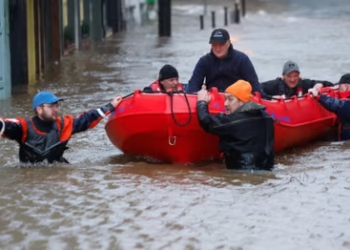 Storm Chandra floods Somerset, triggers major incident declaration
 Artificial intelligence will cost jobs, admits Liz Kendall
 Older Women Vanish from BBC Screens, Review Confirms Bias
 Mandelson Faces Police Inquiry Over Epstein Leak
 Streeting moves on doctor pay to end strike dispute
 UK reports baby formula toxin poisoning cases across the country
 Morgan McSweeney downfall shocks Labour leadership
 Send spending gap leaves deprived areas behind
 Hidden Crisis: Domestic Abuse Suicide Toll in UK
 UK Unemployment Rate Climbs to 5.2% Peak
 Farage Unveils Reform UK Frontbench Team
 BBC World Cup Presenting Duties Shared Among Trio
 Placenta Accreta Warning as Hunt Urges Action
 Wales Approves Assisted Dying Bill Consent
 CPS Updates Guidance on Honour-Based and Dowry Abuse
 Asylum Seekers to Work After Year-Long Wait
 Inquiry into HMRC child benefit errors launched by NAO
 Rising Costs Force Families to Rethink Days Out
 Scott Mills Sacked by BBC Over Personal Conduct Claims
 Palantir Boss Defends NHS Deal Amid Government Break Clause
 Relationship with Trump may be beyond repair, Starmer warned
 UK Government Poised to Revive Stalled Hillsborough Law
 Home Office Faces Legal Risks Over Asylum Hotel Living
 Crisis in NHS Surgery Scheduling Hits Patients Hard
 Blue Badge Abuse: The Rising Tide of Public Hostility
 Scott Parker Leaves Burnley After Premier League Drop
 Silent Tracks: Rail Line Without Passengers
 RFU Backs Borthwick Despite England’s Poor Six Nations
 Major test for Labour as polls open in Great Britain
 Keir Starmer Struggles to Secure His Grip on Downing Street
 Fear and Betrayal: The Chilling Case of Kouri Richins
 Farage Faces Standards Probe Over Cash Property Purchase
 Closing the Gap: UK Pensions Commission Demands Action
 Sun and Jams: Britain Braces for a Sizzling Bank Holiday
 Russian Electronic Attack Targets UK Defence Chief Jet
 UK Shoppers Face Prolonged Price Rises At Tills
 Tube Strike Brings Capital to a Standstill Over Shift Disputes
 Labour Denies Benefit Tax Hike Amid Mandelson Leak
 Makerfield Voters Demand Real Change as Election Looms
 US Condemns ‘Two-Tier’ UK Policing After Student Murder
 Millions in British Charity Funds Linked to Illegal Settlements
 Ryanair Faces Probe Over Mandatory Family Seating Fees
 Britain’s Crowning Butterfly Takes the Nation by Storm
 United Kingdom Politics Worse Now Than Before Brexit, Warns MP
 Russian Tanker Captain Remanded in UK Court After Channel Seizure
 Shocking Zoo Incident Sparks Attempted Murder Probe
 The Hybrid School Revolution Defying the Social Media Ban
 UK Care Crisis: Row Explodes Over New Visa Settlement Rules
 Sainsbury’s Boss Optimistic As Grocery Inflation Eases
 NHS Urges Investigation For Irregular Periods
 US Airman Avoids British Court in Indecent Exposure Case
 Farage Warns Sky News Following Financial Inquiry
 Ann Widdecombe, Formidable Political Figure, Dies at 78
 UK Schools Struggle as Classrooms Top 40C
 Westminster Council Threatens Charing Cross Soup Kitchen