
Published: 21 August ‘2025. The English Chronicle Desk. The English Chronicle Online.
Deputy Prime Minister Angela Rayner is confronting a legal challenge after overruling a local council to approve a hyperscale datacentre on green belt land adjacent to the M25 in Buckinghamshire. The decision has sparked controversy among environmentalists and local campaigners, who argue that no environmental impact assessment was conducted for the 90MW facility, despite concerns over its potential ecological and societal effects.
The datacentre is part of the Labour government’s strategy to establish the UK as a global leader in artificial intelligence by tripling the country’s computing capacity to meet escalating demand. While modest in scale compared with a proposed site in north Lincolnshire, which is expected to be roughly ten times larger, and dwarfed by a Meta project in Louisiana aimed at digital “superintelligence,” the Iver facility has nonetheless raised alarm among environmental campaigners.

Foxglove, a tech equity advocacy group, has joined forces with the environmental charity Global Action Plan to contest Rayner’s decision in court. They contend that the datacentre’s energy requirements could drive up local electricity costs and criticized the absence of an environmental assessment. Oliver Hayes, head of campaigns at Global Action Plan, highlighted the broader implications, questioning whether the societal benefits of AI-driven technologies such as chatbots and deepfakes justify the environmental trade-offs. He urged the government to reconsider the approval to avoid a potential judicial rebuke.
The controversy stems from a prior refusal by Buckinghamshire council in June to grant planning permission for the Iver site, which is situated on former landfill land. The council cited concerns over inappropriate development in the green belt, potential harm to local air quality, protected habitats, and the visual landscape. Local residents echoed these worries, describing the proposed buildings, each rising to 18 metres, as intrusive and out of scale with the surrounding area. Critics also argued that datacentres bring limited employment opportunities, although Greystoke, the company behind the project, projects around 230 direct jobs and hundreds more indirectly across the local economy.
Following an appeal against the council’s refusal, a public inquiry concluded that no environmental impact assessment was necessary, clearing the way for Rayner’s approval last month. Observers have framed the decision as part of the government’s pro-development “grey belt” policy, which targets areas of green belt considered to have lower environmental significance.
Campaigners have raised concerns that the datacentre could exacerbate local energy competition. Rosa Curling, co-executive director of Foxglove, warned that Buckinghamshire residents and businesses could face steep electricity costs, drawing parallels with high energy consumption seen at large datacentres in the United States. Energy analysts estimate that as AI adoption accelerates, datacentres may account for up to 10 percent of Britain’s electricity demand by 2050, a five- to tenfold increase on current levels. While the Iver facility is expected to rely on air-cooling, many similar projects consume vast quantities of water. Thames Water recently highlighted that its region is “seriously water-stressed,” with the potential for as many as 70 new datacentres over the next few years, each potentially drawing water equivalent to 24,000 homes’ usage per second.

In response to the legal challenge, a spokesperson for Greystoke defended the deputy prime minister’s decision, emphasizing the national significance of the project. The company argued that the datacentre would attract over £1 billion in investment, transform a former landfill site, and contribute to scientific research, medical diagnostics, and sustainable energy. Measures such as solar panels, heat pumps, and modern building standards were highlighted as steps taken to mitigate environmental impacts.
The Ministry of Housing, Communities, and Local Government has declined to comment on the pending legal action, leaving the future of the Iver datacentre uncertain as the dispute moves through the courts.
Related News:
 UK Must Act with Courage and Clarity on Israel-Palestine Conflict, Says Foreign Affairs Committee Report
 Tasers Introduced in UK Prisons to Combat Rising Violence and Protect Staff
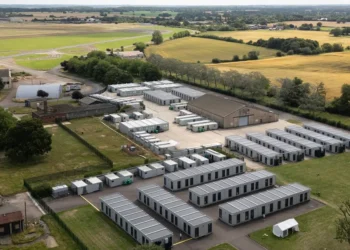 Wethersfield Controversy Deepens as Asylum Seeker Numbers Set to Surge by 50%
 Chancellor Faces Mounting Pressure Amid “Impossible Trilemma” Over Tax Rises
 Radioactive Leak at UK’s Nuclear Warhead Base Sparks Outcry Over Safety and Secrecy
 Mass Arrests in London as Protest Defies Ban on Palestine Action
 Mutual Inconvenience: Why Alaska Was Chosen for the Trump-Putin Summit on Ukraine
 Russell T Davies Warns of Declining UK Gay Rights Amid Rise of Reform UK and Trump Influence
 UK Government Expands ‘Deport Now, Appeal Later’ Policy to 23 Countries
 Farage Accuses PM of ‘Democratic Disparity’ in House of Lords Representation
 Chancellor Rachel Reeves Pushes for Sweeping Changes to Environmental Protections to Accelerate Development
 Larger Families Could Gain Thousands if Labour Ends Two-Child Benefit Cap
 Is the UK Ready to Put Boots on the Ground in Ukraine? Assessing Military Capacity and Challenges
 Ory Councils Urged to Challenge Asylum Hotels After Epping Ruling
 Palestine Action Ban Protesters Plan Tactic to Overwhelm Police at Next London Demonstration
 Former Miners Return to the Picket Line as Museum Staff Strike Over Pay
 Polanski’s Rise Signals a Shift in British Political Landscape
 Angela Rayner Faces Scrutiny as Stamp Duty Row Deepens
 Protests Expected as Israeli Arms Firms Join Global Defence Trade Fair in London
 University of Edinburgh Lecturers Launch Five-Day Strike Amid £140m Budget Cuts
 Norfolk Hospital Ranked Worst in England as NHS League Tables Return
 Are Britain’s Unions Turning Against the Workers They Once Represented?
 UK Rejoining EU ‘Unlikely in My Lifetime,’ Says Starmer’s Europe Reset Negotiator
 UK Urged to Collaborate with NATO on Missile Defence Amid Russian Drone Threat
 Oxford Union Condemns President-Elect’s Comments Following Charlie Kirk Shooting
 ‘Unite the Kingdom’ Rally Sparks Fears of Far-Right Normalisation Among Minority Britons
 France Proposes Ceiling on UK Role in €150bn EU Defence Fund
 Thousands Gather in London to Protest Donald Trump’s Second UK State Visit
 Tragedy in Hackney: Man Killed and Woman Injured in East London Park Shooting
 Privatisation of UK Industries Exacerbates Cost of Living Crisis, Warns Green Party Leader
 Trump Urges UK to “Call Out the Military” to Secure Borders Amid State Visit
 Zarah Sultana Seeks Legal Action After Bitter Clash with Jeremy Corbyn Over Party Membership Funds
 Top Andy Burnham Ally Launches Fierce Critique of Starmer Ahead of Labour Conference
 Mahmood Pledges Reform of Modern Slavery Laws After Court Blocks Deportation Appeal
 It Changed My View’: Campaign Encourages Pupils in Deprived Areas to Consider University
 UK Fighter Jet Purchase Could Breach Nuclear Treaty, Warns CND
 Migrants in UK May Need to Contribute or Face Removal, Home Secretary Signals
 Ed Miliband Urges Labour to Confront Billionaire-Backed Opposition to Net Zero Goals
 A Third of EU Citizens in UK Report Discrimination by Public Bodies Post-Brexit
 Senior Tories Condemn Badenoch’s Vow to Repeal Climate Change Act as Catastrophic
 Home Secretary condemns Gaza protests after Manchester synagogue attack as “un-British”
 Digital ID Plans Ignite Debate Over £600m Treasury Tax Boost and Privacy Concerns
 Robert Jenrick Reiterates Controversial Comments on Birmingham’s Integration as Backlash Grows
 Public Trust in SNP Hits Historic Low Amid NHS Concerns
 Yvette Cooper Backs Digital ID Plan for UK Teens
 Starmer Faces Backlash Over Downing Street Shake-Up and Progressive Exodus
 Johnson Suggests Mandelson Linked to China Spy Controversy
 Ministry of Justice fails to file £11bn in spending receipts
 Witness statements reveal the CPS China spy row collapse in the UK
 Rachel Reeves signals welfare reform ahead of key budget
 Starmer pledges to claw back Baroness Michelle Mone’s Covid contract millions
 Reform UK candidate fined £19,000 after using AI-generated cases to challenge election
 The debate over England’s compulsory reading test for 13-year-olds
 Hermer to face questions on alleged China spy case intervention
 Kosovo agrees to host Britain’s refused asylum seekers
 William Steps Up Over Prince Andrew Palace Response
 UK Health Leaders Push for Urgent Tobacco & Vape Bill
 How the Royal Navy Can’t Stop the Channel Boats
 British Woman in Iran ‘Losing Hope’ Amid Ongoing Detention
 Johnson Approved China’s London ‘Super-Embassy’ in 2018
 BBC Journalist Held and Interrogated in Vietnam
 Green Party Surges Past Labour in Latest UK Poll
 Celebrities and Charities Demand UK Government Act on Child Poverty
 Zarah Sultana Launches Party to Change Politics
 FBI Director Kash Patel Defends Girlfriend Amid Government Jet Claims
 ‘Reckless’ cuts to victims’ services will cost more than they save
 Starmer Faces Growing Dissent as Labour MPs Weigh Leadership Challenge
 Politics latest: Starmer ‘will fight any leadership coup’ as Streeting denies attempt to oust Labour PM
 Pressure Mounts on Starmer to Sack Chief of Staff Over Briefing Row
 Peers Flood Assisted Dying Bill with 942 Amendments
 England’s Special Needs Support Faces Breaking Point
 MoD warned over Excel risks before Afghan data breach
 Labour Faces Historic Decline in Wales
 PM Highlights UK Business at G20 in South Africa
 Kate Forbes: Motherhood Harder Than Politics
 Most Tories Expect to Support a Farage-Led Government
 Labour MP claims devolution bill is ‘blatant discrimination’ against Cornwall
 Millions Face Higher Taxes Under Reeves New Budget
 Peers Get Extra Time to Debate Assisted Dying Bill
 “Enough is Enough”: Local MP Vows to Fight Rainham Quarry Plans