Published: 29 June 2026
The English Chronicle Desk
The English Chronicle Online
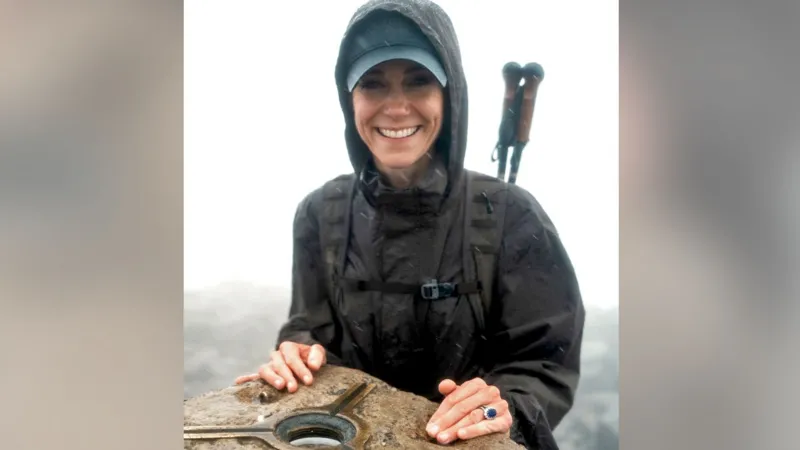
A woman who was diagnosed with cancer has completed the demanding Three Peaks Challenge, describing the achievement as an opportunity to “explore life beyond” her illness and demonstrate that recovery can involve rediscovering confidence, purpose and ambition.
Catherine’s accomplishment has attracted widespread praise from supporters, fellow cancer patients and fundraising organisations, with many viewing her journey as a powerful example of resilience in the face of adversity.
The Three Peaks Challenge involves climbing the highest mountains in England, Scotland and Wales within a limited timeframe. The test of endurance requires participants to tackle challenging terrain, long periods of physical exertion and changing weather conditions.

For Catherine, however, the challenge represented far more than a sporting achievement.
Following her cancer diagnosis, she said she experienced many of the emotions commonly associated with serious illness, including uncertainty, fear and questions about what the future might hold.
Like many people facing treatment and recovery, she found herself reassessing priorities and considering how life might look after the immediate medical challenges had passed.
Rather than allowing the diagnosis to define her future, Catherine decided to set a goal that would push her physically and mentally while helping her focus on life beyond treatment.
The Three Peaks Challenge soon emerged as that goal.
Speaking after completing the trek, she described the experience as a personal milestone.
She said the challenge was not about forgetting her cancer journey but about proving to herself that it did not have to determine every aspect of her future.
Supporters who followed her progress praised the determination required to complete such a demanding undertaking.
Many noted that preparing for the challenge involved months of training, planning and commitment.
Physical activity can often play an important role during recovery, although healthcare professionals emphasise that every patient’s experience is different and exercise plans should be tailored to individual circumstances.
Cancer charities welcomed the positive attention generated by Catherine’s achievement.
Advocates say stories like hers can provide encouragement to people who are currently undergoing treatment or adjusting to life after diagnosis.
While every cancer journey is unique, examples of individuals setting and achieving personal goals can offer hope during difficult periods.
The challenge also helped raise awareness of broader issues surrounding cancer survivorship.
Medical advances have improved outcomes for many forms of cancer, meaning increasing numbers of people are living beyond diagnosis and treatment.
As survival rates improve, healthcare professionals are paying greater attention to quality of life, mental wellbeing and long-term recovery.
Experts note that the end of treatment is not always the end of a patient’s challenges.
Many people continue to experience physical and emotional effects long after medical care has concluded.
Fatigue, anxiety and uncertainty about the future can remain significant concerns.
As a result, support services often encourage patients to focus on rebuilding confidence and engaging in meaningful activities that promote wellbeing.
For Catherine, mountain climbing provided a sense of purpose and achievement during that process.
Friends and family who supported her throughout the challenge described the experience as deeply emotional.
Several said they had witnessed firsthand the obstacles she overcame and viewed the completion of the challenge as a celebration of perseverance.
Fundraising became another important aspect of the journey.
Many participants in endurance events choose to support charitable causes connected to their personal experiences, and Catherine’s story has helped draw attention to organisations working with cancer patients and their families.
Charities say such initiatives not only raise money but also increase public understanding of the realities faced by those living with serious illnesses.
The Three Peaks Challenge itself has long been popular among fundraisers, outdoor enthusiasts and community groups.
The combination of physical difficulty and symbolic achievement makes it an attractive goal for people seeking to test themselves while supporting causes they care about.
In Catherine’s case, the challenge carried particularly personal meaning.
Mental health specialists often highlight the value of setting achievable goals during recovery from major health events.
Whether through sport, volunteering, creative projects or community involvement, purposeful activities can help individuals regain confidence and establish a sense of progress.
Outdoor activities may offer additional benefits through social interaction, exposure to nature and opportunities for personal reflection.
Many survivors describe such experiences as important steps in reclaiming normality after periods dominated by medical appointments and treatment schedules.
Catherine’s achievement has resonated with many people because it reflects a broader message about life after illness.
Rather than focusing solely on what was lost during her cancer journey, she chose to focus on what remained possible.
Supporters say that message is particularly meaningful for those facing similar challenges.
Healthcare organisations continue to emphasise the importance of early diagnosis, access to treatment and ongoing support for patients and families.

At the same time, stories like Catherine’s highlight the significance of recovery, resilience and the opportunities that can emerge beyond treatment.
While she acknowledges that cancer will always be part of her story, Catherine hopes her experience encourages others to pursue goals that matter to them, regardless of the obstacles they face.
Completing the Three Peaks Challenge may have been the culmination of months of preparation, but for Catherine it also symbolised the beginning of a new chapter—one focused not on illness, but on possibility.
Related News:
 Concerns Mount Over Accuracy of At-Home Health Tests as Study Calls for Stricter Regulation
 The Ketamine Crisis in the UK is a Silent Epidemic Leaving Users with Lifelong Pain
 Rugby Confronts Safety Concerns with Smart Mouthguards at Women’s World Cup
 NHS Launches Free Flu Vaccine Drive as Millions Urged to Get Protected
 British Pilot Joins Crew Training for Year-Long Mars Simulation Mission
 Systemic Racism in Maternity Care Continues to Endanger Black Women in England, MPs Warn
 One in Three GPs in England Do Not Work in NHS, Raising Concerns Over Access to Care
 UK Health Officials Monitor New ‘Stratus’ Covid Variant Amid Rising Cases
 Questions Remain as Rugby Legend Lewis Moody Faces Motor Neurone Disease Diagnosis
 Sir Michael Caine Urges Starmer to End Smacking in England
 M&S and Morrisons Lead Christmas Supermarket Taste Test
 New Prostate Cancer Drug Set to Halve Death Risk in England
 Patients to Test Health at Home to Ease NHS Winter Pressure
 Shouting Works Best to Deter Gulls, UK Study Finds
 Reeves rejects £1bn plea for NHS redundancy payouts
 Senator John Fetterman Hospitalized After Fall from Heart Flare-Up, Keeps Sense of Humor
 New AI tool could cut wasted efforts in organ transplants
 Stroke Patient Mistaken for Drunk, Care Delayed
 ‘Traumatic Wait’: Northern Ireland Women Face Breast Cancer Delays
 Scottish Families Take Legal Action Over School CO Leak
 Five-Year-Old Dies After Rare Tonsil Surgery Complication
 Fibromyalgia Patients Struggle as NHS Fails to Provide Care
 More Patients Now Contacting GPs Online, Data Shows
 Streeting Orders Review Amid Rising Mental Health Benefit Claims
 Kenya Signs $2.5bn Health Deal with US Amid Data Concerns
 Energy Drinks Linked to Rising Heart and Stroke Risks
 Damien Martyn in Induced Coma After Meningitis Diagnosis
 Children to Receive Home Vaccines as England Acts
 Childhood Hypertension Sparks Urgent UK Testing Calls
 Local Fish Could Boost UK Health and Economy Significantly
 NHS Violence Crisis: Staff Face Daily Assaults
 Celebrity Campaign Highlights SMA Screening Failures
 UK Glaucoma Rise Signals Looming Eye Health Crisis by 2060
 AI breast screening cuts later cancer diagnoses by 12%, study finds
 Pneumonia Surge Pushes England Emergency Cases Higher
 Most Statin Side-Effects Are Not Caused by Drugs, Study Confirms
 Headline: Measles Alert: Dr Oz Urges Americans to Vaccinate
 UK MPs Demand Ban on Brazilian Butt Lifts
 NHS Urges Nine Million People to Get Therapy
 Drugs, Denial, Stigma: Fiji’s HIV Crisis Hits Children
 Half of Britons Avoid GP When Ill, Survey Reveals Growing Concern
 ‘I Wanted to Save Her Life’ — The Moment Twin Sisters Learned They Were Identical
 Christina Applegate shares the harsh reality of her daily life
 ‘It’s Joy in a Pot’: Why Houseplants Could Make You Happier
 Father Dies by Suicide Weeks After Wedding in Clitheroe
 ‘We can’t go back’: mother of six-year-old cancer survivor fears UK visa changes
 Palantir NHS Contract Sparks Fears Over Data Power
 Social Media Giant Trial Reaches Final Jury Decision
 Charity Watchdog Takes Control of Learning Disability Care Home
 NHS Satisfaction Rises for First Time Since 2019
 The High Cost of Survival: How the 2026 Fiscal Outlook is Redefining British Life
 ‘Zoom Dysmorphia’ Explosion: BDD Patients Quadruple in Post-Pandemic UK
 ‘I’m So Ready’: Céline Dion Announces 10-Night Paris Comeback Residency
 Tiger Woods: Golf Legend Steps Away to Seek Treatment
 Reformer Pilates Boom Sparks Surge in Injuries, Experts Warn
 Lil Nas X Enters Recovery Path to Resolve Police Assault Case
 ‘It’s Heartbreaking’: NHS Training Freeze Leaves Resident Doctors in Limbo
 The Miracle of Phoenix: ‘Half Dead’ Rescue Dog Defies the Odds in Worcestershire
 The Toxic Scent Destroying Life in a Lancashire Town
 GSK cancer drug shows early promise in trials
 School Plate Revolution: England Bans Fried Menu Classics
 Toxic Trail: Dog Owners Warned Over ‘Vile’ Poisoned Meat Found in Parks
 The Waiting Ward: ‘Month of Worry’ as Doctor Strikes Trigger Seismic Surgery Delays
 “I was fighting two wars”: Ukraine soldiers’ addiction crisis
 New Scan Offers Hope for Faster Endometriosis Diagnosis
 “Invisible Agony”: 98-Year-Old Woman Left in “Severe Pain” for Days Amidst Care Backlog
 Florida Surgeon ‘Devastated’ Over Fatal Surgery Error
 Crisis in the Canary Islands as Cruise Ship Evacuated
 French Patient Told Hantavirus Was Just Anxiety
 NHS Drug Deal Faces Legal Threat Over US Trade Agreement
 NHS Pioneers Fairer Access to New Diabetes Technology
 “The Critical Intervention”: Essential Steps for Identifying and Treating Heat-Related Emergencies
 Pope Meets Families in Italy Toxic Waste Zone
 Record Spending Highlights Growing Crisis In National Health Service
 NHS Approves Landmark Ovarian Cancer Drug
 AI-Designed Vaccine Marks Global Breakthrough
 NHS to Tell Minor A&E Patients to Return Later
 Nursing Workforce Crisis Leaves Disabled Patients at Risk
 The Hidden Revival of a Fatal Infection on British Soil
 Why Many Women Still Struggle to Access Pregnancy Sickness Medication