Published: 07 July 2026. The English Chronicle Desk. The English Chronicle Online.
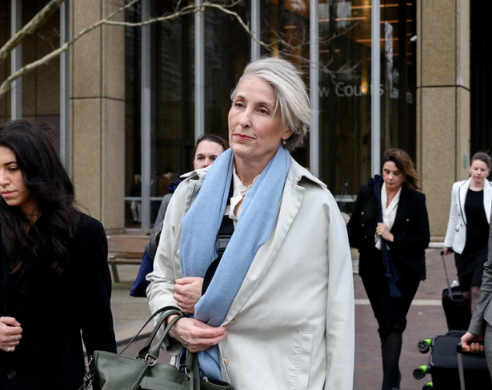
A major legal controversy has erupted in New South Wales following the release of a damning parliamentary report. This inquiry has leveled serious accusations against the state’s director of public prosecutions, Sally Dowling. The committee members found that she provided false evidence under oath during a recent session. They focused on allegations regarding the unauthorized leaking of information about a young Indigenous offender. The report suggests that the state’s attorney general should now investigate whether her removal is warranted. Such a drastic recommendation marks a significant escalation in the ongoing tensions between the legal office and parliament.
The atmosphere surrounding this report has been intensely combative from the very beginning of the process. Attorney General Michael Daley has openly attacked the findings, labeling them a complete stitch-up by the committee. He stated that this document is the worst example of parliamentary overreach in his long career. Daley insists that the conclusions reached by the majority are simply not supported by the actual evidence. He has already instructed the Crown Solicitor’s Office to seek independent advice on the matter. His firm stance provides a critical layer of protection for the director during this turbulent period.
The core of the dispute involves the actions of the Office of the Director of Public Prosecutions in late 2024. A majority of the parliamentary committee voted four to three that Dowling authorized a media leak. The story in question concerned a sensitive sentencing hearing involving a minor to a radio station. Furthermore, the committee claims that the director knowingly denied authorizing this leak while providing her sworn evidence. These findings paint a picture of a deliberate attempt to manipulate public perception regarding a vulnerable child. The committee expressed deep concern over the lack of public interest in such a surreptitious media strategy.
Such actions have raised serious questions about the professional conduct expected from high-ranking government legal officials. The report explicitly states that the office acted in a way that risked identifying the young child. It also notes that this conduct likely constitutes a clear breach of established prosecution guidelines in New South Wales. Protecting the anonymity of children in court is a fundamental principle meant to foster rehabilitation for minors. The inquiry argues that this breach undermines the integrity of the judicial process and compromises essential safety protections.
The investigation was originally established to review how the state protects the identities of children during legal proceedings. However, the scope of the inquiry shifted significantly to focus on the actions of the director’s department. The specific incident involved an Indigenous child who was incorrectly described as performing a traditional welcome ceremony. Although the child was never named on the air, the broadcast caused significant distress and public debate. A police investigation into whether these actions violated the law concluded without charges being filed against anyone.
District Court Judge Penelope Wass played a central role in bringing these allegations to the forefront of the inquiry. She submitted a lengthy document alleging that Dowling orchestrated the leak to damage her personal reputation. Judge Wass has been a vocal critic of how the prosecution office handles various sexual assault cases. She claims the leak was intended to embarrass her and undermine the independence of the district court. This narrative of a personal grievance between the judge and the prosecutor has dominated the media coverage.
When Dowling first appeared before the committee, she vehemently denied any involvement in the media strategy. She stated that she only learned about the source of the leak shortly before her scheduled testimony. Dowling also alleged that Judge Wass held a deep-seated personal grudge against her and her office. She characterized the committee’s line of questioning as a gross denial of fair procedural treatment for her. These early exchanges set a hostile tone that persisted throughout the remainder of the inquiry’s scheduled hearings.
The situation became more complicated after testimony was provided by the media manager, Sally Killoran. She described a meeting with the director and an external media adviser just one day before the broadcast. Killoran stated that they discussed pitching the story to various outlets during that specific meeting. She believed that she had received the necessary approval to proceed with the radio station contact. No one present at the meeting reportedly raised an objection to the plan at that time.
Dowling later acknowledged that her staff member held a mistaken understanding regarding the approval of the story. However, she maintained that she never personally authorized the pitching of the story to the media. She explained that she was preoccupied with other urgent emails and messages during that particular meeting. The external media adviser involved in the discussion did not attend the inquiry to provide her account. This absence left a significant gap in the evidence that the committee was able to review thoroughly.
Despite the report’s conclusions, the director has received significant support from her professional peers across the nation. Prosecutors from every other Australian state and territory signed a letter expressing their full confidence in her. They described Dowling as a person of absolute integrity who always acts in an exemplary manner. This collective show of support serves as a powerful rebuttal to the claims of the parliamentary committee. It emphasizes that those who work most closely with her hold a very different professional view.
The committee’s report has also faced fierce criticism from within its own ranks regarding its fairness. The deputy chair, Sue Higginson, issued a strong dissenting statement defending the integrity of the director. She described the findings as unfounded, biased, and highly irresponsible given the serious nature of the allegations. Higginson argued that the report’s assertions should be rejected entirely because they rely on flawed logic. She also pointed out that recent changes to committee powers limited the ability to compel key witnesses.
The loss of compulsory powers has undeniably impacted the overall quality and depth of the committee’s final investigation. Without the ability to require all relevant parties to appear, the inquiry struggled to establish a complete picture. This procedural limitation is a critical point that proponents of the director have used to discredit the findings. The debate continues to rage about how such parliamentary inquiries should function in the modern political landscape. The outcome of this specific report remains highly controversial for all involved parties in New South Wales.
Moving forward, the government is tasked with addressing the broader issue of identity protection in criminal cases. The inquiry suggested that current laws are insufficient, as many children are being identified through digital means. Expanding the legal definition of identifying information is a recommendation that could see significant legislative action soon. For now, the director remains in her position while the attorney general reviews the committee’s report. The office continues to assert its commitment to acting with independence and maintaining professional integrity. This saga serves as a sobering reminder of the complex relationship between legal independence and political oversight. Both sides are currently digging in for a long battle over the future of the prosecution office.
Related News:
 Phillipson urges careful review of gender recognition guidance
 French Taxi Driver Cleared in David Lammy Theft Case After Fare Dispute
 China-critical UK academics face ‘extremely heavy’ pressure from Beijing
 Met Police Culture Makes Racial Harm ‘Inevitable’
 Remaining rebel Labour MPs have whip restored
 Tim Davie resigns as BBC director general amid bias claims
 Palace to reinstate hyphen in Andrew’s surname
 Major Rent Reform Ends No-Fault Evictions in England
 Peers Flood Assisted Dying Bill with 942 Amendments
 US Justice Department Files Lawsuit Against California Over Partisan Voting Maps
 UK Unveils Fast-Track Deportation and Asylum Overhaul
 Trump Deploys DHS to Charlotte in Major Arrest Operation
 UK Asylum Overhaul Sparks Debate Over Human Rights and Deportations
 UK Asylum Reforms: Temporary Refugee Status and Faster Deportations
 Mahmood Defends Tough Overhaul of UK Asylum System
 Scottish Ministers Express Alarm Over UK Asylum Reforms
 South African Detained After Neo-Nazi Rally in Australia
 Westminster Advances Legacy Bill Amid Criticism
 Minister Defends Tough New Asylum Reform Plan
 UK Net Migration Falls Sharply After ONS Revisions
 Federal Court Blocks Texas Republican Maps Over Racial Bias
 Only One Republican Opposes Mass Release of Epstein Files
 Congress Approves Release of Epstein Files, Trump Expected to Sign
 Senedd Suspends Politician Over Offensive Racial Slur
 Trump Signs Bill Releasing Justice Department Files on Epstein
 Texas Governor Faces Lawsuit From CAIR
 Peers Get Extra Time to Debate Assisted Dying Bill
 US National Guard Member Killed in DC Shooting
 ICC to Rule on Duterte’s Provisional Release
 Chinese & Japanese Boats Clash Near Disputed Islands
 Putin Meets US Envoy Amid Key Ukraine Peace Talks
 Plans to Limit Jury Trials Face Retreat After Mounting Opposition
 Australia grants Asio powers to designate hate groups under new laws
 Criticism of Netanyahu Risks Offence Under Australia Law
 Tim Walz urges Trump to withdraw federal agents immediately
 Trump officials continue false claims after Alex Pretti shooting
 NSW Inquiry Targets “Globalise the Intifada” in Public Spaces
 UK and EU Signal Fresh Push for Defence Cooperation Talks
 Files Link Andrew to Epstein Dinner After Prison Release
 Partial US Government Shutdown Hits Homeland Security Funding
 Thousands Protest ICE Operations in Nationwide US Day of Action
 Australia’s Opposition Coalition Reunites After Rift
 Sydney Protest Clash Triggers Police Probe
 Civil Service Pay: Union Urges Ministers to End ‘Barking Mad’ Limits
 Proposed Law Leaves Gap for Children of Convicted Paedophiles
 Labour Lawyers Blocked From Briefing MPs on Jury Trials
 Queensland Protest Laws Spark Free Speech Backlash
 Report Says Pezzullo Acted ‘Recklessly’ in Dealings
 Starmer Defends Workers’ Rights Amid Rising Green Threat
 Hungary election: Orbán faces biggest test amid scandal
 Suspected Plot Targets Pipeline Before Hungary Vote
 Harmeet Dhillon Faces Scrutiny in DOJ Role Debate
 Crackdown Backfires on UK Climate Protesters
 Trump at Press Dinner Sparks Tension
 US Court Weighs Fate of TPS for Migrants
 Florida Redistricting Map Sparks Major US Political Battle
 US Voting Rights Ruling Sparks Celebration and Outcry
 US Court Ruling Reshapes Voting Rights Landscape
 Cartel crackdown raises fears of fresh violence
 US states redraw maps after voting rights ruling
 Judge halts deportation of Yemeni refugees in US
 Asylum deal sparks fears over Syria deportations
 UK may ban protests amid rising antisemitism fears
 White House Security Case Sparks Political Firestorm
 Trump warns Iran as Middle East tensions surge again
 US Supreme Court fast-tracks Voting Rights ruling
 Immigration Judges Fear Pressure in Trump Era
 FDA Chaos Deepens as Trump Eyes Makary Exit
 US green card applicants must apply from abroad, DHS says
 Tulsi Gabbard exits after turbulent intelligence tenure
 Former ICC prosecutor condemns US sanctions
 Gunman Killed After White House Security Shootout
 Irish Gangland Figure Fails in Dublin Election Bid
 Prosecutor Proposes Law to Combat Election Deceit
 Murder Probe Continues After Arrest Release
 Le Pen’s Popularity Holds Despite Conviction
 Mystery Grows Over Mitch McConnell’s Health
 Trump Refuses to Sign Housing Bill, But Law Takes Effect
 Trump Orders Signs Criticising Smithsonian Museum
 Pradhan Resigns Amid Protests