Published: 20 July 2026 | The English Chronicle Desk | The English Chronicle Online
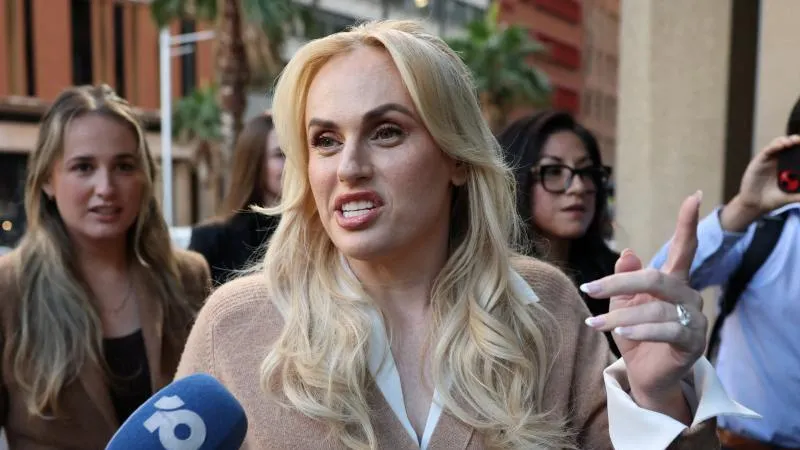
Australian actor and producer Rebel Wilson has been cleared in a high-profile defamation case brought against her by an actress who appeared in one of her films, bringing an end to a legal dispute that had attracted widespread attention within the entertainment industry.
A court ruled in Wilson’s favour after examining claims that comments she made had damaged the actress’s reputation. The decision means Wilson will not be held liable for defamation, concluding months of legal proceedings that focused on freedom of expression, professional reputation and the responsibilities of public figures.
The ruling has been welcomed by Wilson’s legal team, while the actress who brought the case has expressed disappointment with the outcome.
The defamation proceedings centred on statements made by Wilson that the claimant argued were false and had harmed her career and public image.

After reviewing evidence presented by both sides, the court found that the legal threshold for defamation had not been met, resulting in judgment in Wilson’s favour.
While the detailed legal reasoning varied across individual claims, the overall outcome cleared the actor of liability.
The judgment effectively ends the civil action unless further legal avenues, such as an appeal, are pursued.
The legal disagreement emerged after tensions developed between Wilson and the actress during the production and promotion of a film in which they both worked.
The actress alleged that comments made publicly by Wilson portrayed her unfairly and caused reputational damage within the entertainment industry.
Wilson rejected those allegations throughout the proceedings, maintaining that her statements were truthful or otherwise protected under the law.
The dispute gradually evolved into a closely watched legal battle involving issues of public commentary and personal reputation.
Following the ruling, Wilson’s representatives described the outcome as an important vindication.
They said the court had carefully considered the available evidence before reaching its conclusion.
Wilson has consistently denied making defamatory statements and maintained confidence that the legal process would support her position.
While she has not commented extensively on the judgment, those close to the actor indicated she was relieved that the case had concluded.
The actress who initiated the lawsuit acknowledged the court’s decision but expressed disappointment with the outcome.
Her legal representatives said they were reviewing the judgment before deciding whether any further legal action would be appropriate.
Although unsuccessful, the case drew attention to the reputational risks associated with public disagreements in the entertainment industry.
Legal experts note that civil litigation of this nature often raises complex questions regarding evidence, interpretation and the balance between reputation and free speech.
The case has renewed discussion about defamation laws and how they apply to public figures.
To succeed in a defamation claim, claimants generally must demonstrate that statements caused serious harm to their reputation and meet other legal requirements depending on the jurisdiction.
Courts also consider whether statements are substantially true, constitute honest opinion or are otherwise protected by law.
Media lawyers say such cases often involve careful examination of context, wording and available evidence.
Legal disputes involving actors and filmmakers are relatively uncommon but can attract significant public attention because of the visibility of those involved.
Industry observers note that disagreements between performers can sometimes overshadow the projects in which they appear together.
Production companies generally seek to resolve conflicts privately to avoid affecting marketing campaigns or audience perception.
Despite the legal proceedings, the film connected to the dispute has remained available to audiences.
Wilson remains one of Australia’s most recognisable international entertainers.
She first gained worldwide recognition through comedy roles before expanding into producing, directing and writing.
Over the years she has appeared in numerous commercially successful films while also becoming known for her work behind the camera.
Industry analysts believe the court decision allows Wilson to focus fully on future creative projects without the uncertainty of ongoing litigation.
The case also highlights the growing challenges public figures face in an era of constant online communication.
Statements made during interviews, on social media or in promotional campaigns can quickly become the subject of legal scrutiny.
Experts say celebrities increasingly rely on legal advice when making public comments that involve colleagues or professional disputes.

The rapid spread of information online has made reputation management an increasingly important aspect of modern entertainment careers.
With the court ruling now delivered, attention is expected to return to the professional work of both women rather than their legal dispute.
Whether the unsuccessful claimant chooses to appeal remains uncertain, but for now the judgment marks the conclusion of a closely watched case.
For Rebel Wilson, the decision removes a significant legal distraction and allows her to continue pursuing acting and production projects.
The case also serves as a reminder that while public disagreements may generate headlines, courts ultimately determine defamation claims based on evidence, legal standards and careful judicial assessment.
Related News:
 Ozzy Osbourne: The Prince of Darkness Bows Out, Leaving Behind a Legacy of Metal and Myth
 Justin Timberlake Shares His Lyme Diagnosis and the Strain of Performing Through Illness
 Unseen Killers of the Deep Inside the UK Lab Uncovering the Silent Deaths of Sea Creatures
 Gen Z Embraces the Big, Bold ‘Fake’ Indian Wedding Party Trend
 My Husband Won’t Stop Playing with Lego and It’s Driving Me Nuts
 Sean Hayes Reimagined: From Sitcom Stardom to Serious Stage Acclaim
 Russell T Davies Warns of Declining UK Gay Rights Amid Rise of Reform UK and Trump Influence
 Terence Stamp, ’60s British Film Legend and Star of Superman, Dies at 87
 September’s Must-See Films: From Spinal Tap II to Leonardo DiCaprio’s Latest Thriller
 Watchdog, Cornflakes and Courage: Remembering John Stapleton, a Broadcaster Who Did It All
 Beloved Actress Dame Patricia Routledge Dies Aged 96
 Karen Carney Shines on Strictly Come Dancing Week Two Despite Tango Wobbles
 Jilly Cooper: The Bonkbuster Queen Who Redefined Romantic Fiction
 Celebrity Traitors First Look: A Star-Studded Highland Adventure That Hooks from the Start
 Paedophile Singer Ian Watkins Dies After Prison Attack
 Strictly Celebs Starstruck as Cynthia Erivo Shines
 Man Charged Over 2020 Death of Tattoo Artist Georgina Ward
 Kate Winslet to Narrate Film Highlighting King’s Environmental Mission
 Top Christmas Books Reads: Classics to Cozy Romcoms
 Pauline Collins, Beloved ‘Shirley Valentine’ Star, Dies at 85
 I’m a Celebrity 2025 line-up revealed: Osbourne joins
 VAR Must Rein Its Neck In to Save Football’s Spirit
 From Lego to Pokémon: How Adults Are Driving UK Toy Market Growth
 Pokémon to open world’s first theme park in Japan next year
 SS Rajamouli Announces ‘Varanasi,’ a Mythic Time-Travel Epic
 Eminem Takes Legal Aim at Australian ‘Swim Shady’ Brand
 The Lasting Legacy of Seven: Crime, Morality, and Urban Decay
 Director Michael Caton-Jones Reflects on Career and Beginnings
 Rusty Bond-Era Aston Martin Restored to £1m Glory
 Pavarotti statue frozen in Italian ice rink sparks backlash
 Nancy Sacked by Celtic as O’Neill Returns for Season
 Julia Donaldson Reveals New Character and Title for Third Gruffalo Book
 Top 10 Must-See Films Arriving This February
 He Was Once a Teen ‘Superstar’. Why Did James Van Der Beek Need Help to Pay His Medical Bills?
 Why Margot Robbie and Jacob Elordi’s ‘Mutual Obsession’ Is Giving Some Fans the Ick
 Live Nation Sees Strong Ticket Sales as Monopoly Lawsuit Looms
 Meet Robert Aramayo: From Humble Beginnings in Hull to Juilliard and BAFTA Glory After Beating Timothée Chalamet
 ‘We Pray for Peace’: Indian Filmmaker From Troubled State Who Won a BAFTA
 Pacquiao and Mayweather Agree Professional Rematch for September

 Man, 83, in Taylor Swift Video Had ‘No Idea Who She Was’
 Tracey Emin Says My Bed Would Be ‘Tidy, Clean and Boring’ If Made Today
 Netflix Drops Bid for Warner Bros, Clearing Way for Paramount Takeover
 Marshals Is an Action‑Packed Spin‑Off That Yellowstone Fans Will Love
 David and Victoria Beckham Wish Brooklyn Happy Birthday Despite Family Feud
 Tears and Cheers as Controversial Long‑Running Australian Breakfast Radio Show Implodes
 Katie Price’s Husband Hit by ‘Tinder Swindler’ Claims
 Noma Head Chef Resigns Amid Abuse Allegations
 Joanna Lumley: ‘I Wash My Face with Whatever Soap’s Lying on the Side of the Bath’
 ‘My Hatred of Dogs is Ruining My Love Life’
 John Bengtson: The ‘Silent Film Sleuth’ Who Found History in the Background
 Scott Mills Sacked by BBC Over Personal Conduct Claims
 ‘I’m So Ready’: Céline Dion Announces 10-Night Paris Comeback Residency
 Shock Exit: Scott Mills Sacked from Radio 2 Over ‘Historic Relationship’ Allegations
 “It Ends With Trial”: Judge Tosses Blake Lively’s Sexual Harassment Claims Against Justin Baldoni
 US Senators Slam Ticketmaster Over Sneaky New Fee Hikes
 Keir Starmer Expresses Concern Over Kanye West Wireless Festival Dates
 Lil Nas X Enters Recovery Path to Resolve Police Assault Case
 ‘Really Feeling the Love’: Savannah Guthrie Returns to NBC as Search for Mother Continues
 Turning Point: Britney Spears Enters Rehabilitation Following DUI Incident
 The Spectrum of Wit: All-Autistic Comedy Line-up Breaks ‘Seismic’ Ground
 Legacy of the Future: Prince Harry Argues Children Should Be an ‘Upgrade’ of Parents
 Arrest Made: Singer D4vd Held Without Bail in Death of 14-Year-Old Girl
 Blockbuster Resurrection: Avengers Reassemble and Top Gun Returns as Studios Tease 2026 Slate
 Harry and Meghan’s Australia Visit Sparks Debate
 Rebel Wilson Denies Role in Smear Campaign Trial
 “PCD Maybe Never”: Pussycat Dolls Ax North American Tour Amid Sluggish Ticket Sales
 “The Reality Reckoning”: Government Demands Accountability as Channel 4 Pulls Married at First Sight UK Over Grave Sexual Assault Allegations
 “A Permanent Part of the Tapestry”: Kylie Minogue Reflects on the Enduring Echoes of Her Cancer Journey
 Whistler’s Mother and why its fame frustrated artist
 Mandalorian Movie Hits Record Disney Era Low at Box Office
 Fans Bring Flags and Fire to World Cup Scenes
 11 EFL Stars Ready to Shine at World Cup
 Fans Invited to Share Scotland World Cup Stories
 Idris Elba Warns Against “Woke” Direction for James Bond Character
 Saving the Scalloped Hammerhead: The Pacific Battle
 Olivia Rodrigo May Sing About Heartbreak, but She Already Knows Her Wedding Song
 Isle of Wight Festival Opens With Music, Colour and Celebration
 Bad Bunny Lights Up London with History-Making Stadium Show
 Dua Lipa Backs Albania’s Fight Against Kushner Resort