Published: 29 July 2026 | The English Chronicle Desk | The English Chronicle Online
Mexican drug cartels have increasingly been linked to international networks that extend far beyond North America, with reports suggesting that criminal groups have developed connections in Nigeria as part of a wider effort to expand drug production and trafficking operations.
The alleged movement of methamphetamine production activities into Nigeria highlights the increasingly global nature of organised crime. Experts say criminal groups are constantly searching for new locations, supply routes and partnerships to avoid law enforcement pressure in traditional production areas.
The development has raised concerns among Nigerian authorities, international law enforcement agencies and security experts, who warn that the growth of synthetic drug production networks could create serious challenges for communities and governments.
For years, Mexican cartels have been among the world’s largest producers and suppliers of methamphetamine.
Powerful criminal organisations have developed sophisticated systems for manufacturing, transporting and distributing synthetic drugs across international markets.

Historically, much of the production was concentrated in Mexico, where cartels established large-scale laboratories capable of producing significant quantities of methamphetamine.
However, increased pressure from authorities, stricter monitoring of chemical supplies and international cooperation have pushed criminal groups to explore alternative locations.
Experts say organised crime groups often adapt quickly, shifting operations when they face stronger enforcement in one region.
This has contributed to the expansion of drug networks into countries where criminal groups believe they can exploit weaker controls, corruption risks or existing trafficking routes.
Nigeria’s geographic position and extensive international connections have made it an important focus for global law enforcement agencies monitoring organised crime.
The country has major transport links connecting Africa, Europe, Asia and other regions.
Security analysts say criminal networks may attempt to use such connections to move drugs and establish production operations.
Nigeria has also faced challenges related to organised crime, corruption and illegal trafficking networks, creating opportunities that international criminal groups may attempt to exploit.
Authorities have warned that foreign criminal organisations working with local networks could increase the complexity of drug-related investigations.
Investigations by law enforcement agencies have suggested that individuals linked to Mexican cartels have established relationships with criminal networks in Nigeria.
These connections may involve the movement of expertise, funding, chemical supplies and distribution arrangements.
Authorities believe criminal groups often rely on local partners who understand regional conditions, including transportation routes and access to resources.
However, security experts stress that the extent of direct control by Mexican cartels over operations in Nigeria remains difficult to measure.
International drug networks frequently operate through loosely connected partnerships rather than traditional hierarchical structures.
Methamphetamine has become a major concern for law enforcement agencies because it can be produced in different locations and does not depend on agricultural cultivation like some traditional drugs.
Synthetic drugs can also be highly profitable for criminal organisations because production can be scaled up when necessary.
Experts say the spread of synthetic drug manufacturing presents unique challenges because laboratories can potentially be established in various environments if criminals gain access to necessary materials and expertise.
This has encouraged international agencies to increase monitoring of chemical supply chains and suspicious financial activity.
Nigeria has experienced increasing concerns over drug trafficking and substance abuse.
Authorities have reported seizures of illegal substances and operations targeting criminal networks involved in production and distribution.
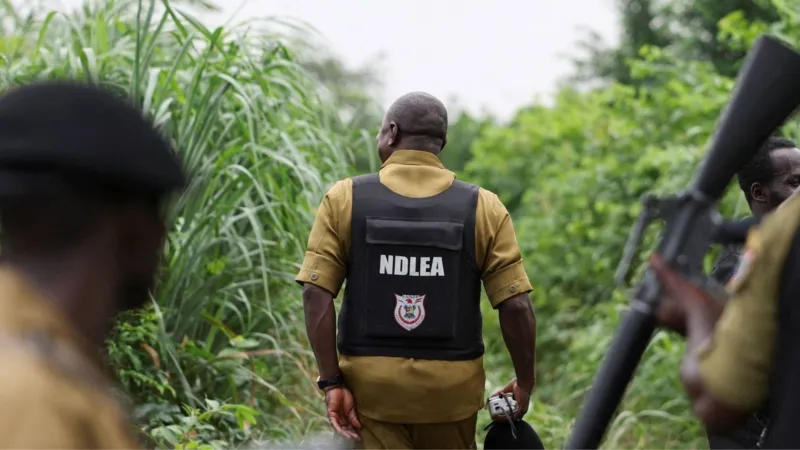
The country’s National Drug Law Enforcement Agency (NDLEA) has worked to combat trafficking, dismantle illegal laboratories and prevent the spread of dangerous drugs.
Officials have warned that synthetic drugs pose particular risks because they can have severe health effects and may quickly spread among vulnerable populations.
Public health experts say increased availability of methamphetamine and other synthetic substances could place additional pressure on healthcare systems.
Beyond law enforcement concerns, the expansion of drug networks can have serious social consequences.
Communities affected by drug production and trafficking may experience increased violence, corruption and public health problems.
Young people are often among those most vulnerable to the effects of illegal drug markets, both as potential users and as targets for recruitment by criminal groups.
Experts say preventing the growth of these networks requires more than arrests and seizures.
They argue that governments must also address underlying issues such as unemployment, poverty, education gaps and limited access to treatment services.
The global nature of drug trafficking has increased the need for cooperation between countries.
Mexican, Nigerian and international agencies increasingly share intelligence and coordinate investigations to track criminal networks.
Organisations such as Interpol and the United Nations Office on Drugs and Crime (UNODC) support international efforts to combat organised crime and illegal drug markets.
Law enforcement officials say cooperation is essential because criminal networks do not operate within national borders.
A shipment, financial transaction or criminal partnership may involve multiple countries, making international coordination necessary.
Tracking international drug networks remains extremely difficult.
Criminal organisations often use complex methods to hide their activities, including front companies, encrypted communication systems and illegal financial channels.
They may also exploit corruption or intimidation to avoid detection.
Security experts say law enforcement agencies must constantly adapt as criminal groups change their strategies.
Synthetic drug production creates additional challenges because laboratories can be smaller and easier to conceal than traditional large-scale operations.
Experts emphasise that international criminal groups often cannot operate successfully without local connections.
Local partners may provide knowledge of transportation routes, access to supplies or assistance with distribution.
This means tackling drug networks requires attention not only to foreign organisations but also to domestic criminal structures.
Authorities say preventing recruitment and strengthening community resilience are important parts of reducing organised crime.
The reported expansion of methamphetamine networks involving Mexican cartels and Nigeria reflects a broader transformation in global organised crime.
Criminal groups are becoming increasingly flexible, creating international partnerships and adapting to pressure from law enforcement agencies.

For governments, the challenge is no longer limited to stopping drugs at borders. It involves disrupting financial networks, preventing illegal production and addressing the social conditions that allow criminal organisations to grow.
As authorities continue investigating international drug links, experts warn that cooperation, intelligence sharing and long-term prevention strategies will be essential.
The fight against organised crime has become a global effort, and developments involving meth production networks demonstrate how criminal groups continue searching for new opportunities across continents.
Related News:
 Ebola outbreak in DRC overwhelms health system as cases surge
 Trump Speaks on Prince Andrew’s Royal Scandal Fallout
 Pregnant UK Teen to Be Freed from Georgian Jail
 UK University Faces Counter-Terror Probe Over China Pressure
 Just Stop Oil Protesters Convicted Amid Climate Defence Row
 British Grandmother to Return Home After Death Sentence in Bali
 Second world war veterans honoured as King leads Remembrance Sunday
 BBC’s Tim Davie to Address Staff Amid Trump $1bn Threat
 Shook the ground under my feet: Panic as car blast hits near Delhi’s Red Fort
 Ukraine-Russia war latest: Putin’s troops exploit bad weather to force Kyiv withdrawal from multiple towns
 New Epstein Files Spark Political Clash in Washington
 Sydney Pair Accused of Running Multimillion-Dollar Scam
 Ukraine Energy Corruption Scandal Hits Zelensky’s Inner Circle
 Oklahoma Governor Grants Last-Minute Clemency to Death Row Inmate
 US Pushes Global Effort to Stop Arms Flow to Sudan RSF Forces
 Israel Confirms Returned Hostage as Meny Godard
 Greene Pushes Epstein Files Amid Trump Fallout
 Tragedy Strikes Indian Pilgrims in Saudi Bus Accident
 UN Security Council Approves Trump’s Gaza Peace Plan
 Thousands at Risk in Gaza Amid Winter Flooding
 Forgotten War, Shattered Lives: Sexual Violence Devastates Women in Ethiopia
 Deadly Russian Strikes Hit Western Ukraine, 20 Killed in Ternopil
 Teens ‘Ran Amok’ at Ex-MP’s Covid Testing Firm
 WhatsApp Messages Expose Nathan Gill’s Bribery
 South African Women Call Purple Protest Over Gender Violence
 Venezuela Threatens Nobel Winner Machado with Fugitive Status
 Trump Envoy to Discuss Ukraine Peace at Kremlin
 Twenty-Four Nigerian Schoolgirls Freed After Abduction
 Two National Guard Soldiers Critically Injured Near White House
 Southern Lebanon reels as Israeli strikes shatter communities
 Video shows Israeli troops kill Palestinians after surrender
 Guinea-Bissau President Flees After Military Coup
 Kidnap Gangs, Jihadists and Separatists Plague Nigeria
 Rare shark attack kills woman, injures man at remote NSW beach
 American Mother Extradited From UK to U.S. on Murder Charges
 Tragic Death of British Teen in Portugal Shocks Families and Raises Concerns
 Thousands Flee Cambodia Scam Centres Amid Global Pressure
 Saif al-Islam Gaddafi Reportedly Killed in Libya Shooting
 Suspect Named in Canada School Mass Shooting
 SA Police Intensify Search in Gus Lamont Case
 Taylor Swift concert attack plot shocks Austria
 NSW kidnapping mistake sparks urgent appeal
 El Mencho Killed as Mexico Faces Violence
 Suitcase Murder US Man Freed and Deported After 11 Years
 Kidnapping of Foreigners Soars in Africa’s Lawless Sahel Region
 Potts Point Shooting Sparks Urgent Review
 Kelly Wilkinson Inquest Reveals Bail Failure
 Belgium Narco-State Warning Raises Alarm Over Crime Surge
 Islamic State-inspired attack shocks New York protest scene
 Michigan Synagogue Attack Leaves Suspect Dead in Tragic Incident
 Bondi terror attack linked to global rise in IS plots
 California fireworks blast: murder charges filed in case
 Ben Roberts-Smith Denies War Crime Allegations in First Statement
 Learner Driver Charged After Expo Tragedy
 OpenAI CEO Apologizes After Canada Shooting Case
 Two Dead in Adelaide Airport Plane Crash Fire
 Cartel crackdown raises fears of fresh violence
 China Fireworks Factory Blast Kills 21 in Hunan
 US ‘Narco Boat’ Strikes Draw Global Outcry
 Search Intensifies for Missing Hiker on WA Bibbulmun Track
 China mine blast death toll rises to 90
 Hunger increasingly weaponised in global conflicts
 Gunman Killed After White House Security Shootout
 Irish Gangland Figure Fails in Dublin Election Bid
 Nearly 50 Die of Thirst in Sahara Desert
 Twelve Killed in Mass Shooting in Johannesburg, Police Confirm
 Smuggler Admits Most Drug Couriers ‘Will Be Caught’
 New Footage Revives Peter Falconio Mystery
 Dreyfus Statue Finally Gets Permanent Paris Home
 Teen Charged After Layla Jeffery Found Dead
 Alleged Head of Fake Government Agency Arrested in Nigeria After Weeks on the Run
 Why Violence Has Surged Before Kashmir Election
 UK’s Largest Muslim Convention Scales Up Security Amid Rising Bigotry
 Three Dead in Seattle Food Festival Shooting
 Berlin Pride Attack Suspect Killed in Police Raid
 US and Iran Pause Strikes as Diplomatic Talks Loom
 Ecuador Police Battle Gangs in Growing Drugs War
 Four Women Accuse Jared Leto of Criminal Sexual Misconduct
 Ghana Mourns the Death of Its Tallest Man, Remembered as a Gentle Giant
 ‘No Safe Options’ as Thousands Shelter in Sudan City Amid RSF Advance