Published: 27 August 2025. The English Chronicle Desk
The Danish government has summoned the most senior United States diplomat in Copenhagen following reports that American citizens have been involved in covert influence operations in Greenland aimed at promoting secession from Denmark. The move comes amid growing concern in Copenhagen over foreign attempts to interfere in the affairs of the Arctic territory, which holds both strategic and economic importance.
Denmark’s public broadcaster DR cited intelligence sources suggesting that American operatives had attempted to infiltrate Greenlandic society and encourage support for the island’s separation from the Kingdom of Denmark, with a view to eventual integration with the United States. Although the broadcaster was unable to confirm precisely which American agencies or groups the individuals were connected to, Danish security officials warned that the territory remained vulnerable to “various kinds of influence campaigns.”

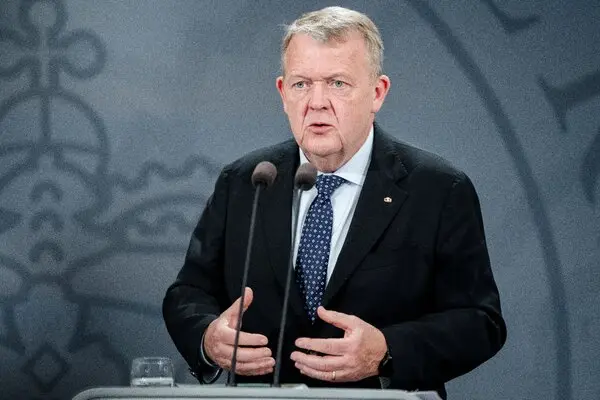
Foreign Minister Lars Løkke Rasmussen reacted swiftly to the revelations, describing any such efforts as “unacceptable interference in the internal affairs of the Kingdom.” He confirmed that Mark Stroh, the US charge d’affaires in Copenhagen and the most senior American representative in Denmark in the absence of an ambassador, had been summoned for formal discussions. Rasmussen noted that Denmark had long been aware of foreign powers showing a keen interest in Greenland’s unique geopolitical position, but emphasised that overt attempts to sway the island’s political future would not be tolerated.
The allegations have revived memories of former US President Donald Trump’s repeated declarations that he wished to annex Greenland, describing the island as a valuable strategic asset. His successor, President Trump in his renewed term, has once again raised eyebrows in Europe with claims earlier this year that he would not rule out seizing Greenland by force. US Vice President JD Vance has also accused Copenhagen of neglecting investment in the territory, further fuelling Danish unease.
Only months ago, Danish Prime Minister Mette Frederiksen, during a visit to Greenland, publicly warned Washington that “you cannot annex another country,” in response to American rhetoric. The issue has struck a particularly sensitive chord in Denmark, a NATO ally and long-standing partner of the United States, whose citizens are now confronted with the possibility of their closest security partner pursuing territorial ambitions over part of the Kingdom.

Denmark’s domestic intelligence agency PET has assessed that Greenland is likely to remain the target of foreign influence campaigns. According to PET, such efforts may seek to foster discord between Greenland and Denmark by exploiting “existing or invented disagreements,” using both traditional agents and sophisticated disinformation tactics. PET confirmed that it had already increased its presence in Greenland and intensified cooperation with local authorities to counteract any such activities.
DR’s reporting revealed details of one American individual’s recent visit to Nuuk, Greenland’s capital, where he allegedly attempted to compile a list of residents sympathetic to US efforts to take over the island. The intention, according to the broadcaster, was to recruit local figures into a broader secessionist movement. The claims echo an earlier investigation by the Wall Street Journal in May, which alleged that American intelligence agencies had been directed to step up their focus on Greenland, with particular attention to independence movements and the prospects for exploiting the island’s rich mineral resources.
At the time, US Director of National Intelligence Tulsi Gabbard did not deny the report but accused the Wall Street Journal of undermining national security by publishing details of classified operations. The latest allegations, however, appear to have prompted a more formal and forceful diplomatic response from Copenhagen, which has already summoned the US envoy once this year over similar concerns.
While the United States has yet to issue a detailed public response, the growing strain risks testing one of Europe’s most enduring alliances. For Denmark, Greenland is not only a vital part of its kingdom but also a cornerstone of its Arctic strategy. For Washington, the island’s geographic location between North America and Europe, as well as its untapped natural resources, make it a focal point in an era of renewed geopolitical rivalry in the Arctic.

As the diplomatic row unfolds, many in Denmark fear that what was once dismissed as outlandish political rhetoric is now manifesting as an organised campaign to shift the island’s future. The controversy underscores how Greenland has emerged as a new flashpoint in the complex and often uneasy balance of transatlantic relations.
Related News:
 Kinnock’s Rebuke Echoes Loudly as Corbyn Allies Launch Left-Wing Breakaway: “A Gift to Farage”
 UK and Norway Forge Stronger Ties Through Joint Sanctions and Enhanced Defence Cooperation
 Trump Administration Dismisses 17 Immigration Judges, Sparking Debate Over Judicial Independence
 England’s Euro Odyssey: A Tale of Grit, Glory and the Lionesses’ Miraculous March to the Final
 UK Must Act with Courage and Clarity on Israel-Palestine Conflict, Says Foreign Affairs Committee Report
 Northern Ireland Family of Three Shot Dead in Maguiresbridge Home Incident
 Seventeen Dead as Russia Targets Ukrainian Prison in Devastating Airstrike
 Tears in Tarragona: British Siblings Drown in Spanish Sea as Holiday Turns to Horror
 Tottenham Takes On Newcastle
 Gen Z Embraces the Big, Bold ‘Fake’ Indian Wedding Party Trend
 Trump Threatens 100% Tariff on Nations Importing Russian Oil Amid India Standoff Over Ukraine War
 Radioactive Leak at UK’s Nuclear Warhead Base Sparks Outcry Over Safety and Secrecy
 Mutual Inconvenience: Why Alaska Was Chosen for the Trump-Putin Summit on Ukraine
 China’s crackdown on civil servant perks sparks economic concerns
 Terence Stamp, ’60s British Film Legend and Star of Superman, Dies at 87
 Where Is Prince William and Kate Middleton’s New House? Inside the Historic Lodge Set to Become Their ‘Forever Home’
 FIFA Eyes Biennial Club World Cup from 2029, Plans Possible Expansion
 Hong Kong Summons UK and Australian Envoys Following Asylum Grants to Democracy Activists
 Is the UK Ready to Put Boots on the Ground in Ukraine? Assessing Military Capacity and Challenges
 Costa Blanca Holiday Horror as Food Poisoning Outbreak Hits Four-Star Hotel
 Afghanistan Earthquake Devastates Villages, Claims Over 800 Lives
 British Couple Among 16 Killed in Lisbon Funicular Tragedy
 Protests Expected as Israeli Arms Firms Join Global Defence Trade Fair in London
 Trump Appears Sidelined as Israel’s Unprecedented Strikes Hit Qatar
 Conservative Influencer Charlie Kirk Fatally Shot During University Debate
 Charlie Kirk’s Death Sparks Fierce Debate Over Free Speech, Gun Rights and Political Decency
 Thousands Gather in London to Protest Donald Trump’s Second UK State Visit
Trump Urges UK to “Call Out the Military” to Secure Borders Amid State Visit
Thousands Gather in London to Protest Donald Trump’s Second UK State Visit
Trump Urges UK to “Call Out the Military” to Secure Borders Amid State Visit
 British AI Startup Outshines Human Forecasters in Global Prediction Contest
 Las Vegas Faces Decline as Rising Costs Drive Tourists Away
 Dembélé and Bonmatí Shine as Ballon d’Or Winners in Glittering Paris Ceremony
 Liverpool Vs outhampton Set for Carabao Cup Clash at Anfield
 Denmark Investigates Professional Drone Incursions Across Multiple Airports, No Evidence of Russian Involvement
 Nicolas Sarkozy Sentenced to Five Years in Jail in Libya Campaign Financing Case
 UK Fighter Jet Purchase Could Breach Nuclear Treaty, Warns CND
 Dramatic Derby: Sorloth Strikes as Atletico and Real Madrid Share the Spoils
 ICC Women’s World Cup 2025: India to Host as Pakistan Fixtures Moved to Neutral Venues
 A Third of EU Citizens in UK Report Discrimination by Public Bodies Post-Brexit
 Bournemouth Stun Fulham with Dramatic Comeback in Premier League Thriller
 Misinformation and Political Pressure Force Weston-super-Mare to Abandon Refugee Sanctuary Plan
 Arsenal Showcase Depth and Flexibility as Arteta Eyes Title Challenge
 Public Trust in SNP Hits Historic Low Amid NHS Concerns
 Cooper Unveils £4m Cyber Plan Against Russian Hackers
 Nobel Peace Prize Officials Probe Suspicious Online Bets
 Hope Amid Heartbreak: The Stories Behind the Freed Israeli Hostages
 Johnson Suggests Mandelson Linked to China Spy Controversy
 Zelensky to Urge Missile Aid as Trump and Putin Plan Summit
 China warns UK over delayed London mega embassy decision
 Rachel Reeves signals welfare reform ahead of key budget
 Kosovo agrees to host Britain’s refused asylum seekers
 Ireland Votes as Two Women Compete for Presidency
 Fabio Wardley stuns Joseph Parker to earn Usyk title shot
 WW2 Pilot’s Long-Lost Crash Site Unearthed in Essex
 Experts Warn Russia’s Burevestnik Missile Could Destabilise Arms Control
 British Woman in Iran ‘Losing Hope’ Amid Ongoing Detention
 Johnson Approved China’s London ‘Super-Embassy’ in 2018
 Tragedy on Lizard Island: Cruise Passenger Dies
 Fed Cuts US Interest Rates Again Amid Labour Market Uncertainty
 Top Christmas Books Reads: Classics to Cozy Romcoms
 Just Stop Oil Protesters Convicted Amid Climate Defence Row
 US Senate Passes Funding Bill to End Historic Shutdown
 Suicide Bombing at Islamabad Court Kills 12, Injures Dozens
 Hitler’s DNA Confirms He Truly Had Only One Testicle
 Japan Deploys Police to Curb Deadly Bear Attacks
 US Justice Department Files Lawsuit Against California Over Partisan Voting Maps
 Pokémon to open world’s first theme park in Japan next year
 Trump Deploys DHS to Charlotte in Major Arrest Operation
 Orban Says Ukraine Has ‘No Chance’ as EU Support Continues
 Israeli Strike Kills 13 Near Palestinian Camp in Lebanon
 Haiti Qualifies for World Cup Despite Coach Never Visiting Country
 Pentagon Officials in Ukraine to Discuss War End
 Vietnam Battles Deadly Floods as Rains Continue
 Venezuela Threatens Nobel Winner Machado with Fugitive Status
 At Least Three Dead in Bangladesh Earthquake
 Israel Confirms Hamas Returned Dror Or’s Body
 Two National Guard Soldiers Critically Injured Near White House
 Southern Lebanon reels as Israeli strikes shatter communities
 Mbappe Scores 4 as Real Madrid Edge Olympiakos
 Sri Lanka Floods Leave 56 Dead, Dozens Missing
 Global campaign launched to free Palestinian leader Barghouti