Published: 10 September 2025 | The English Chronicle Desk
The United States appeared caught off guard on Tuesday after Israeli warplanes launched an unprecedented strike in the heart of Qatar’s capital, Doha, targeting senior Hamas negotiators and abruptly derailing peace efforts long hosted by the Gulf state.
The attack, which Israeli officials described as a decisive blow against Hamas leadership, came just days after former President Donald Trump had publicly claimed he was close to brokering a ceasefire deal. Yet, as details of the diplomatic scramble before the strikes emerged, it became clear that the White House had little influence over Israel’s decision to expand its war beyond Gaza.

Officials within the administration admitted that warnings of the strikes reached Washington so late that U.S. envoys could do little to intervene. According to Qatar’s prime minister, Sheikh Mohammed bin Abdulrahman Al Thani, the U.S. only informed Doha of the bombardment ten minutes after the first missiles had already struck.
“I immediately directed Special Envoy Steve Witkoff to inform the Qataris of the impending attack, which he did, however, unfortunately, too late to stop the attack,” Trump said in a statement attempting to clarify Washington’s role.
The situation has once again highlighted the administration’s precarious balancing act—seeking to stand firmly behind Israel’s war against Hamas while also maintaining relations with Qatar, a critical U.S. ally and host of American military bases in the Gulf.
That contradiction was evident in the White House’s official response. Press Secretary Karoline Leavitt condemned Israel’s decision to bomb within the territory of “a sovereign nation and close ally of the United States,” warning that such actions “do not advance Israel or America’s goals.” Yet, in the same breath, she justified the operation, saying that “eliminating Hamas, who have profited off the misery of those living in Gaza, is a worthy goal.”
The strike has thrown ongoing ceasefire negotiations into disarray. For nearly two years, Qatar has hosted talks between Israel and Hamas, often under intense international scrutiny. But following the air raid, Sheikh Mohammed admitted that the immediate prospects for dialogue were grim: “For current talks, I do not think there’s something valid right now after what we saw from today’s attack.”
Regional analysts agree that the blow to Qatar’s mediation role could be decisive. Steven Cook of the Council on Foreign Relations noted that Doha had “exerted considerable effort to release Israeli hostages only to be repaid with an airstrike on their country.” He suggested that Egypt might attempt to step in as mediator, but described the task as “thankless” given the apparent lack of appetite for compromise on either side.
Rachel Brandenburg of the Israel Policy Forum questioned Israeli Prime Minister Benjamin Netanyahu’s motives, arguing that targeting negotiators “calls into question whether he is serious about ending the war at all.” Without a trusted mediator, she warned, the already fragile process risks collapsing entirely.

This is not the first time Qatar has found itself caught in the middle of wider regional hostilities. In June, after a U.S. strike on Iranian nuclear facilities, Tehran retaliated with missiles against a U.S. base in Qatar, though the barrage was intercepted by American defenses. Tuesday’s events, however, strike much closer to Qatar’s sovereignty and its credibility as a diplomatic broker.
Trump, seeking to reassure Doha, said he had personally told Prime Minister Sheikh Mohammed and Emir Tamim bin Hamad Al Thani that “such a thing will not happen again on their soil.” But Israel’s stance appears uncompromising. In New York, at an emergency session of the UN Security Council called by Algeria, Israeli Ambassador Danny Danon declared: “There will be no immunity for terrorists—not in Gaza, Lebanon, or in Qatar.”
With the dust still settling in Doha, questions remain not only about the future of peace talks but also about the United States’ ability to shape events in a conflict it insists only it can resolve.
Related News:
 Deadly Strike as Russian Missile Hits Ukrainian Training Unit and Causes Multiple Casualties
 Night after night, Belgium is on high alert.
 Hamas Fighters in Gaza Tunnels Stall Ceasefire Progress
 Video shows Israeli troops kill Palestinians after surrender
 Kinnock’s Rebuke Echoes Loudly as Corbyn Allies Launch Left-Wing Breakaway: “A Gift to Farage”
 Two Decades Since 7/7: King Charles III Leads Nation in Honouring Victims of London’s Deadliest Terror Attack
 UK and Norway Forge Stronger Ties Through Joint Sanctions and Enhanced Defence Cooperation
 Trump Administration Dismisses 17 Immigration Judges, Sparking Debate Over Judicial Independence
 Lammy Condemns Israel’s Targeting of Starving Palestinians: Sanctions Threatened Amid Global Outrage
 Modi’s London Visit Seals Historic UK-India Trade Pact Amid Global Tensions
 UK Must Act with Courage and Clarity on Israel-Palestine Conflict, Says Foreign Affairs Committee Report
 Philippine Supreme Court Halts Impeachment of Sara Duterte, Fuelling 2028 Election Speculation
 New Missile, New Balance: US Precision Strike Weapons Redefine Taiwan’s Defence Horizon
 Trump Threatens 100% Tariff on Nations Importing Russian Oil Amid India Standoff Over Ukraine War
 MPs Call on UK Government to Delay Biometric Visa Checks for Gaza Students Amid Humanitarian Crisis
 Netanyahu Announces Plan to Take Over Gaza City, Escalating Conflict Further
 Radioactive Leak at UK’s Nuclear Warhead Base Sparks Outcry Over Safety and Secrecy
 Lammy and Vance Meet in Britain to Advance US-Brokered Ukraine Peace Talks
 Mutual Inconvenience: Why Alaska Was Chosen for the Trump-Putin Summit on Ukraine
 Prominent Al Jazeera Journalist Anas al-Sharif Among Five Reporters Killed in Israeli Airstrike on Gaza
 Hong Kong Summons UK and Australian Envoys Following Asylum Grants to Democracy Activists
 Is the UK Ready to Put Boots on the Ground in Ukraine? Assessing Military Capacity and Challenges
 Ukraine-Russia War Latest: Trump Suggests Putin Avoiding Zelensky Summit Due to ‘Personal Dislike’
 Protests Expected as Israeli Arms Firms Join Global Defence Trade Fair in London
 Meeting Between Keir Starmer and Israeli President Marked by Tense Exchanges Over Gaza Aid
 Conservative Influencer Charlie Kirk Fatally Shot During University Debate
 UK Imposes 100 New Sanctions Targeting Russia’s Revenues and Military Supplies
 Jimmy Kimmel Live! Suspended Indefinitely Following Controversial Comments on Charlie Kirk Killing
 Thousands Gather in London to Protest Donald Trump’s Second UK State Visit
 Trump Urges UK to “Call Out the Military” to Secure Borders Amid State Visit
Trump’s UN Speech Criticises London and UK Policies, Draws Far-Right Attention
Trump Urges UK to “Call Out the Military” to Secure Borders Amid State Visit
Trump’s UN Speech Criticises London and UK Policies, Draws Far-Right Attention
 Denmark Investigates Professional Drone Incursions Across Multiple Airports, No Evidence of Russian Involvement
 Sir Sadiq Khan Accuses Trump of Racism and Islamophobia Following UN Remarks
 UK Fighter Jet Purchase Could Breach Nuclear Treaty, Warns CND
 Tony Blair Considered for Leadership Role in Transitional Gaza Authority
 Moldova’s Pro-European Party Secures Election Victory
 A Third of EU Citizens in UK Report Discrimination by Public Bodies Post-Brexit
 Jailed Georgian Opposition Leaders Warn UK of Iranian Links to Ruling Party
 Russia repeatedly targets UK military satellites, warns Space Command chief
 Pro-Palestine March to Proceed in London Despite Calls to Cancel After Manchester Attack
 Japan’s First Female Governing-Party Leader Emerges Amid Ultra-Conservative Politics
 Misinformation and Political Pressure Force Weston-super-Mare to Abandon Refugee Sanctuary Plan
 UK Universities Warn Students Ahead of 7 October Pro-Palestine Protests
 Public Trust in SNP Hits Historic Low Amid NHS Concerns
 Johnson Suggests Mandelson Linked to China Spy Controversy
 UK Extradition Law Change Sparks Fears Among Hong Kong Dissidents
 Witness statements reveal the CPS China spy row collapse in the UK
 Nigel Farage Calls Vladimir Putin ‘A Very Bad Dude’
 Rachel Reeves signals welfare reform ahead of key budget
 Kosovo agrees to host Britain’s refused asylum seekers
 Ireland Votes as Two Women Compete for Presidency
 Rachel Reeves to lead UK trade push in Saudi Arabia amid rights debate
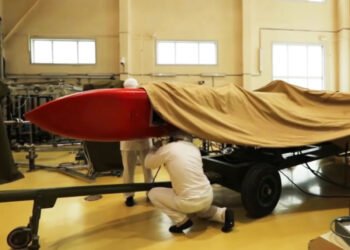 Experts Warn Russia’s Burevestnik Missile Could Destabilise Arms Control
 British Woman in Iran ‘Losing Hope’ Amid Ongoing Detention
 Johnson Approved China’s London ‘Super-Embassy’ in 2018
 BBC Journalist Held and Interrogated in Vietnam
 UK University Suspends Human Rights Research Following Pressure from China
 UK University Faces Counter-Terror Probe Over China Pressure
 Abigail Spanberger Elected Virginia’s First Female Governor
China-critical UK academics face ‘extremely heavy’ pressure from Beijing
Abigail Spanberger Elected Virginia’s First Female Governor
China-critical UK academics face ‘extremely heavy’ pressure from Beijing
 British military receives first Ajax armoured vehicles – eight years late
 Hannibal Gaddafi Freed After Nearly a Decade in Lebanon
 Ukraine-Russia war latest: Putin’s troops exploit bad weather to force Kyiv withdrawal from multiple towns
 Trump Claims Victory as Longest Shutdown Ends
 Fog Aids Russian Forces in Deep Push into Pokrovsk
 New review urges UK to repatriate Shamima Begum, others from Syria
 US Justice Department Files Lawsuit Against California Over Partisan Voting Maps
 Israel Confirms Returned Hostage as Meny Godard
 Trump Deploys DHS to Charlotte in Major Arrest Operation
 Why Russian Liberals Push Strongly Pro-Israel Narratives
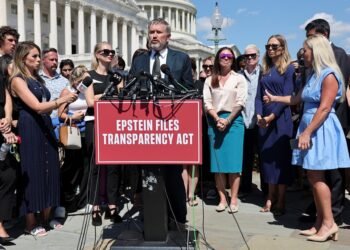 Congress Approves Release of Epstein Files, Trump Expected to Sign
 Rama Rebukes Mahmood for Targeting Albanian Families
 Russian Vessel Used Lasers on RAF Pilots, UK Claims
 Pentagon Officials in Ukraine to Discuss War End
 Venezuela Threatens Nobel Winner Machado with Fugitive Status
 Texas Governor Faces Lawsuit From CAIR
 Trump Envoy to Discuss Ukraine Peace at Kremlin
 Pope Leo XIV Begins Historic Trip to Turkey and Lebanon
 India’s Labour Law Overhaul Sparks Fierce Debate
 Chinese & Japanese Boats Clash Near Disputed Islands