Published: 11 September 2025 | The English Chronicle Desk
A tense diplomatic encounter unfolded in London when British Prime Minister Keir Starmer met with Israeli President Isaac Herzog at Downing Street, as protests outside demanded Herzog’s arrest for alleged war crimes. The meeting, described by Herzog himself as “tough,” centred largely on the humanitarian crisis in Gaza and Israel’s recent actions in the region.
Immediately after the meeting, Herzog addressed the Chatham House thinktank, where he firmly denied that famine existed in Gaza, placing blame instead on Hamas for the high civilian death toll, accusing the group of hiding weapons among civilians. He proposed a fact-finding mission to assess aid levels but rejected any claims of genocide or systematic expulsion of Palestinians.

The discussions came against the backdrop of global criticism following Israel’s strike in Doha earlier this week, targeting Hamas leadership. Herzog offered no apology for the attack and instead accused Qatar of aligning itself with Hamas rather than mediating peace. Downing Street condemned the strike as “completely unacceptable,” with Starmer calling it a violation of sovereignty that undermines efforts toward peace.
During their talks, Starmer pressed Israel to allow greater humanitarian access to Gaza and to evacuate vulnerable groups such as children and potential students to the UK. He also emphasised that aid must be increased urgently to prevent worsening famine. While defending the decision to meet Herzog, Downing Street explained that the aim was to push Israel towards a more responsible humanitarian approach.
Herzog admitted that Israel’s food distribution system in Gaza had failed and was undergoing an overhaul. However, he dismissed as inaccurate claims that Israel intended to forcibly expel Palestinians, saying statements made by far-right cabinet members did not reflect government policy. On the contentious issue of Palestinian statehood, he warned that unilateral recognition would damage peace prospects and embolden Hamas.
In his speech, Herzog reiterated his rejection of a two-state solution, arguing that both sides were too traumatised for such a settlement, while also seeking to downplay plans for annexation of the West Bank. He insisted Israel remained a democracy committed to security while holding Hamas responsible for continued instability.
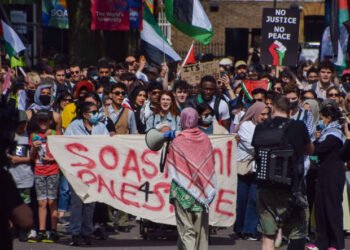
Outside Chatham House, hundreds of demonstrators braved the rain, chanting “lock him up” as Herzog’s convoy arrived. Protesters carried signs branding him a war criminal, demanding his arrest and criticising the UK government for granting him meetings. Many voiced frustration that British leaders continued to engage with Israel despite mounting allegations of rights abuses.

Herzog defended the Doha strike by insisting that the target, Hamas leader Khalil al-Hayya, was obstructing negotiations for a ceasefire. While reports of al-Hayya’s death remain uncertain, Israeli officials confirmed that his son and senior aide were among six killed in the attack.
Following the meeting, No 10 released a statement reiterating the UK’s demand for Hamas to release all hostages taken nearly two years ago. Starmer also extended condolences for victims of a terror attack in Jerusalem earlier this week, reaffirming Britain’s opposition to terrorism and its support for Israel’s right to security, while maintaining calls for restraint.
The encounter highlighted the increasingly strained relations between London and Jerusalem, as the UK balances its commitment to Israel’s security with mounting pressure at home and abroad to take a harder stance on its Gaza policy.
Related News:
 Kinnock’s Rebuke Echoes Loudly as Corbyn Allies Launch Left-Wing Breakaway: “A Gift to Farage”
 Tories in Turmoil as Sir Jake Berry’s Defection to Reform Sparks Fears of Further Exodus
 UK and Norway Forge Stronger Ties Through Joint Sanctions and Enhanced Defence Cooperation
 Trump Administration Dismisses 17 Immigration Judges, Sparking Debate Over Judicial Independence
 Lammy Condemns Israel’s Targeting of Starving Palestinians: Sanctions Threatened Amid Global Outrage
 Tony Blair Pressured to Repay Thousands for Designer Clothing Discounts, Reveals Newly Declassified Records
 Modi’s London Visit Seals Historic UK-India Trade Pact Amid Global Tensions
 UK Must Act with Courage and Clarity on Israel-Palestine Conflict, Says Foreign Affairs Committee Report
 Philippine Supreme Court Halts Impeachment of Sara Duterte, Fuelling 2028 Election Speculation
 New Missile, New Balance: US Precision Strike Weapons Redefine Taiwan’s Defence Horizon
 Trump Threatens 100% Tariff on Nations Importing Russian Oil Amid India Standoff Over Ukraine War
 MPs Call on UK Government to Delay Biometric Visa Checks for Gaza Students Amid Humanitarian Crisis
 Netanyahu Announces Plan to Take Over Gaza City, Escalating Conflict Further
 Radioactive Leak at UK’s Nuclear Warhead Base Sparks Outcry Over Safety and Secrecy
 Lammy and Vance Meet in Britain to Advance US-Brokered Ukraine Peace Talks
 Mutual Inconvenience: Why Alaska Was Chosen for the Trump-Putin Summit on Ukraine
 Prominent Al Jazeera Journalist Anas al-Sharif Among Five Reporters Killed in Israeli Airstrike on Gaza
 Hong Kong Summons UK and Australian Envoys Following Asylum Grants to Democracy Activists
 Is the UK Ready to Put Boots on the Ground in Ukraine? Assessing Military Capacity and Challenges
 Ukraine-Russia War Latest: Trump Suggests Putin Avoiding Zelensky Summit Due to ‘Personal Dislike’
 Protests Expected as Israeli Arms Firms Join Global Defence Trade Fair in London
 Trump Appears Sidelined as Israel’s Unprecedented Strikes Hit Qatar
 Conservative Influencer Charlie Kirk Fatally Shot During University Debate
 UK Imposes 100 New Sanctions Targeting Russia’s Revenues and Military Supplies
 UK Immigration Figures: Separating Facts from Perceptions
 Jimmy Kimmel Live! Suspended Indefinitely Following Controversial Comments on Charlie Kirk Killing
 Thousands Gather in London to Protest Donald Trump’s Second UK State Visit
Trump Urges UK to “Call Out the Military” to Secure Borders Amid State Visit
Trump’s UN Speech Criticises London and UK Policies, Draws Far-Right Attention
Thousands Gather in London to Protest Donald Trump’s Second UK State Visit
Trump Urges UK to “Call Out the Military” to Secure Borders Amid State Visit
Trump’s UN Speech Criticises London and UK Policies, Draws Far-Right Attention
 Denmark Investigates Professional Drone Incursions Across Multiple Airports, No Evidence of Russian Involvement
 Sir Sadiq Khan Accuses Trump of Racism and Islamophobia Following UN Remarks
 UK Fighter Jet Purchase Could Breach Nuclear Treaty, Warns CND
 Tony Blair Considered for Leadership Role in Transitional Gaza Authority
 Moldova’s Pro-European Party Secures Election Victory
 A Third of EU Citizens in UK Report Discrimination by Public Bodies Post-Brexit
 Jailed Georgian Opposition Leaders Warn UK of Iranian Links to Ruling Party
 Russia repeatedly targets UK military satellites, warns Space Command chief
 Pro-Palestine March to Proceed in London Despite Calls to Cancel After Manchester Attack
 Japan’s First Female Governing-Party Leader Emerges Amid Ultra-Conservative Politics
 Misinformation and Political Pressure Force Weston-super-Mare to Abandon Refugee Sanctuary Plan
 UK Universities Warn Students Ahead of 7 October Pro-Palestine Protests
 Public Trust in SNP Hits Historic Low Amid NHS Concerns
 Johnson Suggests Mandelson Linked to China Spy Controversy
 UK Extradition Law Change Sparks Fears Among Hong Kong Dissidents
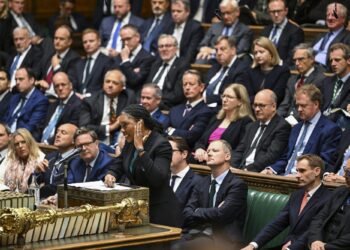 Witness statements reveal the CPS China spy row collapse in the UK
 Nigel Farage Calls Vladimir Putin ‘A Very Bad Dude’
 Rachel Reeves signals welfare reform ahead of key budget
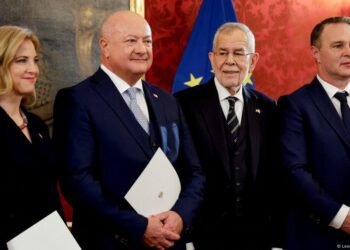 Kosovo agrees to host Britain’s refused asylum seekers
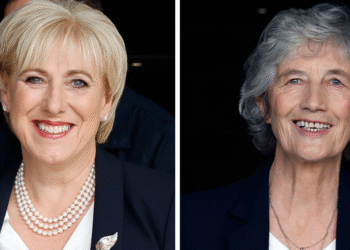 Ireland Votes as Two Women Compete for Presidency
 Rachel Reeves to lead UK trade push in Saudi Arabia amid rights debate
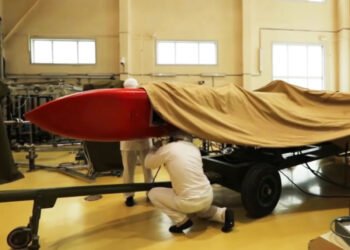 Experts Warn Russia’s Burevestnik Missile Could Destabilise Arms Control
 British Woman in Iran ‘Losing Hope’ Amid Ongoing Detention
 Johnson Approved China’s London ‘Super-Embassy’ in 2018
 BBC Journalist Held and Interrogated in Vietnam
 UK University Suspends Human Rights Research Following Pressure from China
 UK University Faces Counter-Terror Probe Over China Pressure
 Abigail Spanberger Elected Virginia’s First Female Governor
China-critical UK academics face ‘extremely heavy’ pressure from Beijing
Abigail Spanberger Elected Virginia’s First Female Governor
China-critical UK academics face ‘extremely heavy’ pressure from Beijing
 British military receives first Ajax armoured vehicles – eight years late
 Hannibal Gaddafi Freed After Nearly a Decade in Lebanon
 Ukraine-Russia war latest: Putin’s troops exploit bad weather to force Kyiv withdrawal from multiple towns
 Trump Claims Victory as Longest Shutdown Ends
 Hamas Fighters in Gaza Tunnels Stall Ceasefire Progress
 New review urges UK to repatriate Shamima Begum, others from Syria
 US Justice Department Files Lawsuit Against California Over Partisan Voting Maps
 Trump Deploys DHS to Charlotte in Major Arrest Operation
 Why Russian Liberals Push Strongly Pro-Israel Narratives
 Congress Approves Release of Epstein Files, Trump Expected to Sign
 Rama Rebukes Mahmood for Targeting Albanian Families
 Russian Vessel Used Lasers on RAF Pilots, UK Claims
 Pentagon Officials in Ukraine to Discuss War End
 US Military Team Visits Kyiv Amid War Talks
 Venezuela Threatens Nobel Winner Machado with Fugitive Status
 Texas Governor Faces Lawsuit From CAIR
 Trump Envoy to Discuss Ukraine Peace at Kremlin
 Pope Leo XIV Begins Historic Trip to Turkey and Lebanon
 India’s Labour Law Overhaul Sparks Fierce Debate
 Video shows Israeli troops kill Palestinians after surrender
 Trump to Recheck Green Cards from 19 Nations After DC Attack
 Chinese & Japanese Boats Clash Near Disputed Islands