Published: 13 September 2025 | The English Chronicle Desk
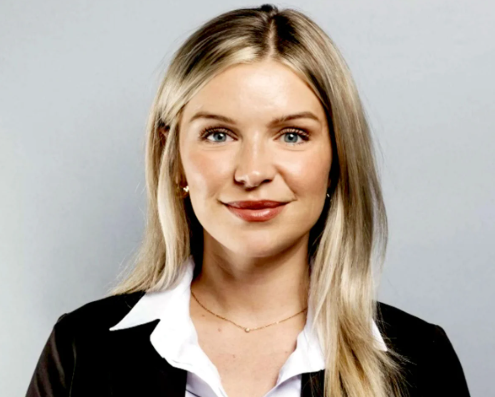
For most, the idea of spending more than a year inside a simulated Martian habitat might sound like the premise of a science fiction reality show. Yet, for Laura Marie, a British-born pilot now working in the United States, it is a remarkable scientific opportunity that could contribute to humanity’s journey to the red planet. Marie has been selected as one of six research volunteers preparing for NASA’s second Crew Health and Performance Exploration Analog (Chapea) mission, a 378-day simulation inside the 158-square-metre Mars Dune Alpha habitat at Johnson Space Center in Houston.

Beating nearly 8,000 applicants, Marie joins a highly competitive cohort of astronauts-in-training, though she is designated as one of two alternate crew members. The four primary participants—Ross Elder, Ellen Ellis, Matthew Montgomery, and James Spicer—are scheduled to enter the habitat on 19 October, with Marie prepared to step in should any of them withdraw. Holding a BA in philosophy and an MSc in aeronautics, Marie described the selection as “such a huge opportunity,” adding that being part of the final crew was “extremely exciting.”
The Chapea missions are designed to simulate the challenges of a crewed Mars expedition, offering invaluable data on human health, psychology, and performance under prolonged isolation. Activities include cultivating crops, performing robotic operations, conducting simulated Mars walks, and testing technologies intended for eventual use on the Martian surface. NASA hopes the insights gained will also contribute to the development of its space food systems and broader preparations for future crewed missions to Mars.
Marie, who grew up in Devon before moving to the United States in 2016, said her fascination with space and NASA inspired her to apply. She noted that she deliberately avoided contact with participants from the first mission, which concluded in summer 2024, to ensure that her experience would be unaffected by prior knowledge. “I always had an interest professionally in working with NASA in some kind of capacity,” she said. “Everything kind of aligned. I saw that opportunity and I jumped for it.”
Training for the mission is scheduled to begin next week at the Johnson Space Center, although the crew has already undergone extensive preparation as part of the demanding selection process. Marie expressed confidence in the team dynamics, saying she would be comfortable “lock[ing] myself in a box with all of them.” Despite this, she acknowledged potential personal challenges, particularly the lack of natural sensations such as wind or the smell of grass, which she enjoys during outdoor activities.
Communication delays, designed to mimic the lag that astronauts would encounter when contacting Earth from Mars, will also present a unique challenge. Unlike the International Space Station, where real-time communication is possible, the Chapea crew will need to adapt to delayed responses from mission control. To maintain mental engagement, Marie plans to bring personal items such as a Rubik’s Cube, hoping to challenge herself during downtime.

Though the Chapea mission is a simulation, Marie’s ambition extends far beyond the habitat. She expressed enthusiasm for the possibility of joining an actual crewed mission to Mars, saying, “One hundred per cent I would take that seat on that ride if it were ever offered to me. I think the whole multi-planetary species concept is where we’re heading, and anything I can do to be a part of it—I’m just happy to be involved.”
The second Chapea mission exemplifies NASA’s careful and methodical approach to human space exploration. By replicating the physical, technological, and psychological conditions of a Mars mission, researchers hope to gather essential data that will inform plans for crewed missions to the planet in the 2030s. For Laura Marie, participation in the mission represents both a personal milestone and a contribution to humanity’s enduring quest to explore beyond Earth.
Related News:
 UK Launches World-First Gonorrhoea Vaccine Amid Record Infection Surge
 AI Tools Used by English Councils Found to Downplay Women’s Health Issues, Raising Concerns Over Gender Bias in Care
 Breakthrough Clinical Trial Lets 12-Year-Old Boy with Rare Skin Disorder Play Football
 Hot Tea and Coffee Found to Contain Highest Levels of Microplastics in Popular Drinks
 Expanded Access to Health Diagnostics in England Now Available Beyond Standard Hours
 Shocking Rise in Children’s Exposure to Violent Online Pornography Raises Alarm
 Ed Davey Urges UK to Attract US Cancer Scientists Amid Funding Cuts Under Trump
 Omeprazole Alert: NHS Issues Guidance on Safe Use for Heartburn and Indigestion
GPs in England Warn of Overload as Nationwide Online Appointment System Approaches
Omeprazole Alert: NHS Issues Guidance on Safe Use for Heartburn and Indigestion
GPs in England Warn of Overload as Nationwide Online Appointment System Approaches
 Eligibility Confusion Over COVID Vaccination Leaves Pharmacies Struggling Across the UK
 Majority of UK Men Would Opt for Prostate Cancer Screening, Survey Finds
 Scientists Announce First Potentially Accurate Blood Test for Chronic Fatigue Syndrome
 NHS May Pay 25% More for Medicines Amid US Drug Talks
 Survey Shows Most GPs Rushing Appointments
 Genetic Tests May Predict Return of Blood Cancer
 UK Woman Becomes Longest Survivor of Heart-Lung Transplant
 Thousands in the UK sue Johnson & Johnson over alleged talcum powder, linked to cancer
 New wearable UV detector aims to prevent sunburn
 ‘Game-Changing’ HIV Prevention Jab Set for NHS Approval
 Breath test could ‘revolutionise’ pancreatic cancer treatment
 How Bringing Forests Into Preschools Boosts Children’s Health
 UK Water Firms Ordered to Act Over ‘Forever Chemicals’ Threat
 Experts Urge Legal Right to Timely Cancer Care
 Patients to Test Health at Home to Ease NHS Winter Pressure
 North Sea oil workers must lose weight or face job loss
 No link found between paracetamol in pregnancy and autism
 NHS frontline staff forced to cover gaps as managers remain scarce
 New Research Explains Severe Diabetes in Children
Working-Class Men with Prostate Cancer Left Behind by NHS
New Research Explains Severe Diabetes in Children
Working-Class Men with Prostate Cancer Left Behind by NHS
 New AI tool could cut wasted efforts in organ transplants
 From Baby Teeth to Bioengineering: The Future of Self-Healing Teeth
 UK launches major AI drive to fight deadly superbugs
 Healthy Habits in Your 30s That Boost Life in Your 70s
 Coffins Now Too Large to Cremate Amid Rising Obesity Crisis
 Thinktank Urges Smaller Hospitals to End NHS ‘Permacrisis’
 NHS paediatric leave parents waiting months for answers
 Concerns Mount Over Accuracy of At-Home Health Tests as Study Calls for Stricter Regulation
 Labour Faces Standoff as NHS Strike Exposes Deeper Crisis
 The Ketamine Crisis in the UK is a Silent Epidemic Leaving Users with Lifelong Pain
 It’s Thanks to Gabby That I Caught My Prostate Cancer in Time’ – Kenny Logan Opens Up on His Battle and His Mission to Save Lives
 Rugby Confronts Safety Concerns with Smart Mouthguards at Women’s World Cup
 Compulsory Period Education for Boys and Girls Urged by New Study
 Costa Blanca Holiday Horror as Food Poisoning Outbreak Hits Four-Star Hotel
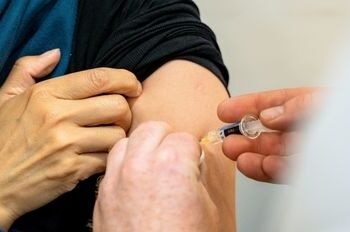 NHS Launches Free Flu Vaccine Drive as Millions Urged to Get Protected
 Why E-Bikes and E-Scooters Are Making Streets a ‘Nightmare’ for Blind People
 Millions in the UK at Higher Risk of Heart Failure and Stroke Due to Air Pollution, Study Warns
 Spectacular ‘Blood Moon’ Illuminates Skies Across the Globe
 UK Graduates in Healthcare Report Highest Satisfaction with Degree Choices
 UK and US Forge Landmark Deals to Build Modular Nuclear Reactors Across Britain
 UK Doctors Guilty of Sexual Misconduct Continue Practising Amid Weak Sanctions, Research Finds
 British AI Startup Outshines Human Forecasters in Global Prediction Contest
 UK Fighter Jet Purchase Could Breach Nuclear Treaty, Warns CND
 Starmer Unveils Plan for NHS “Online Hospital” to Tackle Waiting Lists
 Millions in the UK at Risk of Cyber-Attacks as Microsoft Ends Windows 10 Updates, Warns Which?
 Cooper Unveils £4m Cyber Plan Against Russian Hackers
 Yvette Cooper Backs Digital ID Plan for UK Teens
 Women Challenge Meta Over Targeted Ads After Miscarriage
£18 Prostate Cancer Test Could Save Thousands of Lives
Pregnant Women in England Face Rising Risk of Severe Birth Injury
Women Challenge Meta Over Targeted Ads After Miscarriage
£18 Prostate Cancer Test Could Save Thousands of Lives
Pregnant Women in England Face Rising Risk of Severe Birth Injury
 Reform UK candidate fined £19,000 after using AI-generated cases to challenge election
 Harry and Meghan join global AI leaders urging superintelligence ban
 One in 12 Secondary Pupils Sent to Isolation Weekly
 UK Health Leaders Push for Urgent Tobacco & Vape Bill
 Experts Warn Russia’s Burevestnik Missile Could Destabilise Arms Control
 Hospice Cuts Raise Alarm Across England Amid Funding Crisis
 Celebrities and Charities Demand UK Government Act on Child Poverty
 London’s Childlessness Crisis: Schools Closing as Families Shrink
 Stop using ChatGPT to write speeches, AI minister tells MPs
 New laws to bolster UK’s defences against cyber attacks on NHS, transport and energy
 Valve Opens the Door for Android Games on Steam
 Pokémon to open world’s first theme park in Japan next year
 How Cultures Interpreted the Aurora Through History
 Google Chief Urges Caution: Don’t Trust AI Blindly
 ‘Traumatic Wait’: Northern Ireland Women Face Breast Cancer Delays
 US Judge Says Meta Did Not Hold Illegal Social Media Monopoly
 Scottish Families Take Legal Action Over School CO Leak
 Vicki Fears Losing Motability Car
 Delhi’s Toxic Air Crisis Leaves Children Sick and Vulnerable
 Fibromyalgia Patients Struggle as NHS Fails to Provide Care
 AI Actress Creator Says Tilly Norwood Won’t Replace Actors