
Published: 16 September ‘2025. The English Chronicle Desk
The United Kingdom’s inflation rate held steady in August at 3.8%, according to official figures, underscoring continued pressures on households as the Bank of England prepares to maintain interest rates at elevated levels. The latest data from the Office for National Statistics (ONS) show that consumer price inflation has plateaued, reflecting a complex interplay of price rises in some areas and falls in others, while leaving policymakers and citizens alike vigilant about the economy’s short-term trajectory.
The annual rate of inflation, measured by the consumer price index (CPI), remained unchanged from July, aligning with forecasts from City economists. The persistence of inflation well above the Bank of England’s 2% target has intensified scrutiny of monetary policy decisions, with financial markets widely anticipating that the central bank will hold borrowing costs at 4% when policymakers convene this Thursday. This decision would maintain interest rates at their highest level in over a quarter of a century, reflecting the ongoing challenge of balancing economic growth with inflation control.

Analysts note that August’s inflation figures were shaped by offsetting movements across different sectors of the economy. While air fares fell—providing a temporary relief to households’ travel budgets—prices rose for petrol and diesel, exerting pressure on both consumers and businesses. The cost of hotel accommodation also declined, albeit by a smaller margin than in the same period last year, further illustrating the uneven nature of price changes across goods and services.
Food price inflation continued its upward trend, marking the fifth consecutive month of increases. CPI data revealed a rise from 4.9% in July to 5.1% in August, driven by small but cumulative increases across a variety of staples, including vegetables, cheese, and fish. Notably, the price of chocolate surged by 15.4%, while beef, butter, and coffee also experienced significant price pressures. These figures underscore the challenge facing households, particularly in lower- and middle-income brackets, for whom essential items now consume a larger share of monthly budgets.
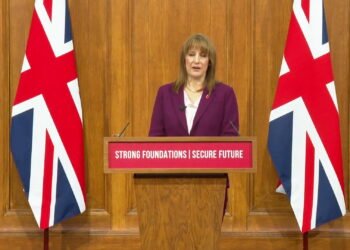
The political spotlight is now firmly on Chancellor Rachel Reeves, as Labour faces growing scrutiny over its economic management. Speculation continues regarding potential tax rises in the forthcoming autumn budget, scheduled for 26 November. Business groups have warned that measures included in the 2024 autumn budget, such as the £25 billion increase in employer national insurance contributions, could result in job cuts and further price rises, heightening anxieties among both businesses and consumers.
Shadow Chancellor Mel Stride criticised the government’s approach, highlighting the pressure on working people and enterprises due to historically high borrowing costs. “With borrowing costs hitting a 27-year high, working people and businesses are bracing for even more tax rises to pay for Labour’s mismanagement,” Stride remarked. The comments reflect broader debates within the UK about balancing fiscal responsibility with support for households facing rising costs.
In response, Chancellor Reeves emphasised the government’s commitment to easing the financial burden on families. “I know families are finding it tough and that for many the economy feels stuck. That’s why I’m determined to bring costs down and support people who are facing higher bills,” she said, signalling efforts to address the dual challenges of inflation and household affordability.
The Bank of England has indicated that inflation is on track to peak at around 4%, suggesting that further interest rate cuts may be delayed. Since summer 2024, the Bank has reduced borrowing costs five times, but the persistence of inflationary pressures has complicated the decision-making process. Economists have noted some signs that the pace of inflation may be moderating. Inflation in consumer services—a key metric closely monitored by the Bank—slowed slightly to 4.7% in August, down from 5% in July, while core inflation, which excludes volatile sectors such as energy, food, and tobacco, fell marginally from 3.8% to 3.6%.
Economic data released this week also pointed to a cooling jobs market in July, alongside continued weak economic growth. Analysts suggest that these trends may eventually allow the Bank to consider rate cuts, but the persistence of price pressures continues to weigh heavily on monetary policy decisions. The ONS is set to release updated figures for retail sales and government finances on Friday, which will provide further insight into the overall economic trajectory.
Martin Sartorius, principal economist at the CBI business lobby group, highlighted the delicate balancing act facing the Bank of England. “The monetary policy committee looks set to keep interest rates unchanged tomorrow, and going forward, the MPC faces a delicate balance between signs of a cooling labour market and the risk of price pressures remaining stubbornly high,” Sartorius noted. His comments underline the ongoing challenge for policymakers navigating a landscape where inflation remains above target while growth and employment show signs of fragility.
Comparatively, UK inflation remains higher than in other major economies. In the United States, the consumer price index rose to 2.9% in August, while the eurozone recorded a 2.1% increase, slightly above the European Central Bank’s 2% target. These figures highlight the UK’s unique inflationary pressures, particularly those linked to energy prices, transport, and food costs, which continue to impact household budgets disproportionately.
For ordinary families, the persistence of inflation translates into tangible financial pressures. Rising fuel prices mean higher commuting costs, while increasing prices for essential goods and services leave less disposable income for discretionary spending. Economists warn that if inflation continues at its current pace, households may face mounting challenges in maintaining living standards, even as interest rates remain high to temper price growth.
Financial markets are closely watching the Bank of England’s upcoming decisions, with investors keenly aware that the central bank’s policies influence borrowing costs for mortgages, loans, and business credit. The interplay between inflation, interest rates, and economic growth will remain a central concern in the coming months, particularly as the government prepares its autumn budget, which may include measures to support households or generate additional revenue.

Looking ahead, analysts suggest that while some inflationary pressures are beginning to abate, significant uncertainties remain. Energy prices, food costs, and global economic trends will all play a critical role in shaping the trajectory of UK inflation. Policymakers, businesses, and households alike are bracing for a period in which careful financial planning and prudent fiscal management will be essential.
In conclusion, August’s inflation figures offer a mixed picture for the UK economy. On one hand, the headline CPI rate remaining steady at 3.8% may be seen as a sign that runaway inflation is being contained. On the other hand, persistent price rises in key areas such as food, fuel, and services indicate that households continue to face real economic challenges. With borrowing costs at multi-decade highs, the Bank of England faces a complex and high-stakes environment in which each decision carries significant implications for the economy, businesses, and families across the nation.
As the autumn budget approaches and further economic data are released, the UK will continue to navigate a delicate balance between controlling inflation and supporting growth, all while addressing the financial pressures felt most acutely by ordinary households. The next few months will be critical in determining whether inflationary pressures ease further, or whether policymakers will need to maintain strict monetary measures to prevent further escalation.
Related News:
 Shein UK Faces Allegations of Shifting Majority of Profits to Singapore to Reduce UK Tax
 Rachel Reeves Hosts Top UK and US Financial Executives as Trump’s State Visit Begins
 UK Borrowing Surges to £18bn in August, Exceeding Forecasts
 Richard Desmond Begins High Court Battle Over National Lottery Licence
 UK inflation update: New rate expected as Budget approaches
 Co-op Urged Staff to Promote Vapes After Cyber-Attack Hit Sales
 Rachel Reeves to lead UK trade push in Saudi Arabia amid rights debate
 UK Small Business Owner to Challenge L’Oréal in Tribunal
 Troubled drinks giant Diageo names former Tesco boss to lead turnaround push
 Rising Water Bills Lift Troubled Thames Back to Profit
 Bank of England Poised to Cut Interest Rates Amid Rising Unemployment and Global Trade Pressures
 Non-Dom Tax Crackdown Risks Backfiring as Exodus Threatens UK Revenue and Investment
 UK Jobs Market Faces Strain as Employers Cut Bonuses and Hiring Amid Economic Slowdown
 Inflation Latest: Cost of Living Expected to Rise Again in Key Figures Released Today
 Energy Users Could Save £5bn Annually if Gas Power Plants Are Removed from Market
Retail Sales See Uptick Amid Errors and Delays as ONS Faces Scrutiny
Energy Users Could Save £5bn Annually if Gas Power Plants Are Removed from Market
Retail Sales See Uptick Amid Errors and Delays as ONS Faces Scrutiny
 UK House Prices Hit Record £299,331 as Market Shows Steady Growth
 UK Retail Sales Rise in August, but Tax Concerns Loom Over Festive Period
 Vodafone Faces Fourth Probe into Franchising Division Amid £120m Legal Battle
 John Lewis Partnership Posts £88m Loss as Costs and Restructuring Bite
 UK Economy Flatlines in July, Raising Pressure on Rachel Reeves Ahead of Autumn Budget
Business Rates Hike Could Threaten Hundreds of UK Retailers, Putting 100,000 Jobs at Risk
UK Economy Flatlines in July, Raising Pressure on Rachel Reeves Ahead of Autumn Budget
Business Rates Hike Could Threaten Hundreds of UK Retailers, Putting 100,000 Jobs at Risk
 UK Labour Market Shows Signs of Cooling as Wage Growth Slows and Redundancies Rise
 UK Wage Growth Remains High, But Cost of Living Pressures Bite
 Ben & Jerry’s Co-Founder Resigns, Accusing Unilever of Silencing Brand’s Social Mission
 Farage’s Reform UK Receives £100,000 from Design Firm with Past Tax Issues
Rachel Reeves Faces Criticism Over Appearance at Gambling Industry Event Amid Tax Review
Farage’s Reform UK Receives £100,000 from Design Firm with Past Tax Issues
Rachel Reeves Faces Criticism Over Appearance at Gambling Industry Event Amid Tax Review
 Dagenham Left in Limbo After Smithfield and Billingsgate Market Relocation Cancelled
 Vodafone Franchisees Sound Alarm: Mental Health Toll of Commission Cuts Revealed Years Before £120m Court Battle
 Public Skepticism Over AI Poses Challenge to UK’s Superpower Ambitions, Says Tony Blair Institute
 Gatwick Secures Approval for £2.2bn Second Runway Expansion
Resolution Foundation Urges Reeves to Rebalance Tax System with 2p NI Switch in Autumn Budget
Gatwick Secures Approval for £2.2bn Second Runway Expansion
Resolution Foundation Urges Reeves to Rebalance Tax System with 2p NI Switch in Autumn Budget
 GSK Chief Executive Emma Walmsley to Step Down After Eight Years at the Helm
 AstraZeneca to List on New York Stock Exchange While Retaining London Ties
 Retailers Warn Tax Rises Could Prolong Inflation as Shop Prices Climb
UK Housing Market Returns to Growth Amid Signs of Stability and Regional Variation
Retailers Warn Tax Rises Could Prolong Inflation as Shop Prices Climb
UK Housing Market Returns to Growth Amid Signs of Stability and Regional Variation
 Delivery Apps Could Double the Cost of Your Groceries, Warns Consumer Watchdog
 Jaguar Land Rover to Resume Production After Cyber-Attack, Launches Supplier Support Scheme
 Kemi Badenoch Unveils ‘Golden Rule’ to Halve Spending Cuts for Deficit Reduction at Tory Conference
 Gold Hits Historic $4,000 Amid Global Uncertainty
 UK GDP edges up 0.1% in August as Reeves faces budget pressure
 Rachel Reeves urged to consider welfare cuts to boost fiscal credibility
 Real living wage set to rise nearly 7% for UK workers in 2026
 Aston Martin cuts £300m investment as Trump tariffs and weak China demand hit profits.
 Court Hears Challenge Over Water Bills Funding Sewage Fixes
 Thinktanks Urge Rachel Reeves to Reform UK Tax System
 Gopichand Hinduja, UK’s Wealthiest Business Leader, Dies
 Tony Blair think tank warns Rachel Reeves must cut taxes if manifesto broken
MPs Press Rachel Reeves to Hike Gambling Taxes
Tony Blair think tank warns Rachel Reeves must cut taxes if manifesto broken
MPs Press Rachel Reeves to Hike Gambling Taxes
 Warning as Britons prepare to spend £4 billion this Black Friday
 Taylor Wimpey Sales Drop Amid Budget Uncertainty
 Global markets drop amid tech sell-off and China slowdown
 Eurotunnel Investment Halted as UK Rates Soar
 Mossmorran Plant Closure Hits Cowdenbeath Hard
 UK Energy Bills to Rise Slightly in January
 UK Government Borrowing Higher Than Expected
 Minister Denies Budget Leaks Have Harmed UK Economy
 Budget 2025: Reeves Drops Economic Growth Reference
 Expanded Version – Black Friday Shoppers Warned Over ‘Dud Deals’
 Black Friday Footfall Falls as UK Shoppers Hold Back Amid Economic Concerns
 HSBC Chief Warns Bank Tax Hike Could Undermine UK Growth Prospects
 China’s crackdown on civil servant perks sparks economic concerns
 Londoners Buying Lowest Share of Property Outside Capital Since 2013
 Merck Abandons £1bn London Research Hub and Cuts 125 Jobs in Blow to UK Life Sciences
 Next Shares Slide Amid Warning on Weak UK Growth and Jobs
 Resolution Foundation Chief Urges Chancellor Reeves to Rethink Budget Before November
 King Charles Earns Over £1 Million from Duchy Land Linked to Scrapped HS2 Project
 UK Government Backs Return of International Rail Travel to Kent Stations
 Marks & Spencer Staff to Work on Boxing Day for First Time in Five Years Amid Cost-Cutting Measures
 UK households brace for October benefit payments and rising energy costs amid cost-of-living pressures
 Massive Vodafone Outage Disrupts Internet and Mobile Services Across the UK
 Pizza Hut to shut 68 sites after collapsing into administration
 Lotto result jackpot draw halted due to technical glitch
 Nvidia Secures Major AI Chip Deals with South Korean Tech Giants
 Millions of Brits Adjust Lifestyle to Afford Essentials
Rachel Reeves Set to Break Labour Pledge and Raise Income Tax
Millions of Brits Adjust Lifestyle to Afford Essentials
Rachel Reeves Set to Break Labour Pledge and Raise Income Tax
 UPS Cargo Plane Crash in Kentucky Kills Seven
 PM Highlights UK Business at G20 in South Africa
 Steel billionaire Lakshmi Mittal reportedly leaves UK
 Prada buys Versace for $1.38bn, expanding luxury fashion empire