Published: 22 September 2025. The English Chronicle Desk
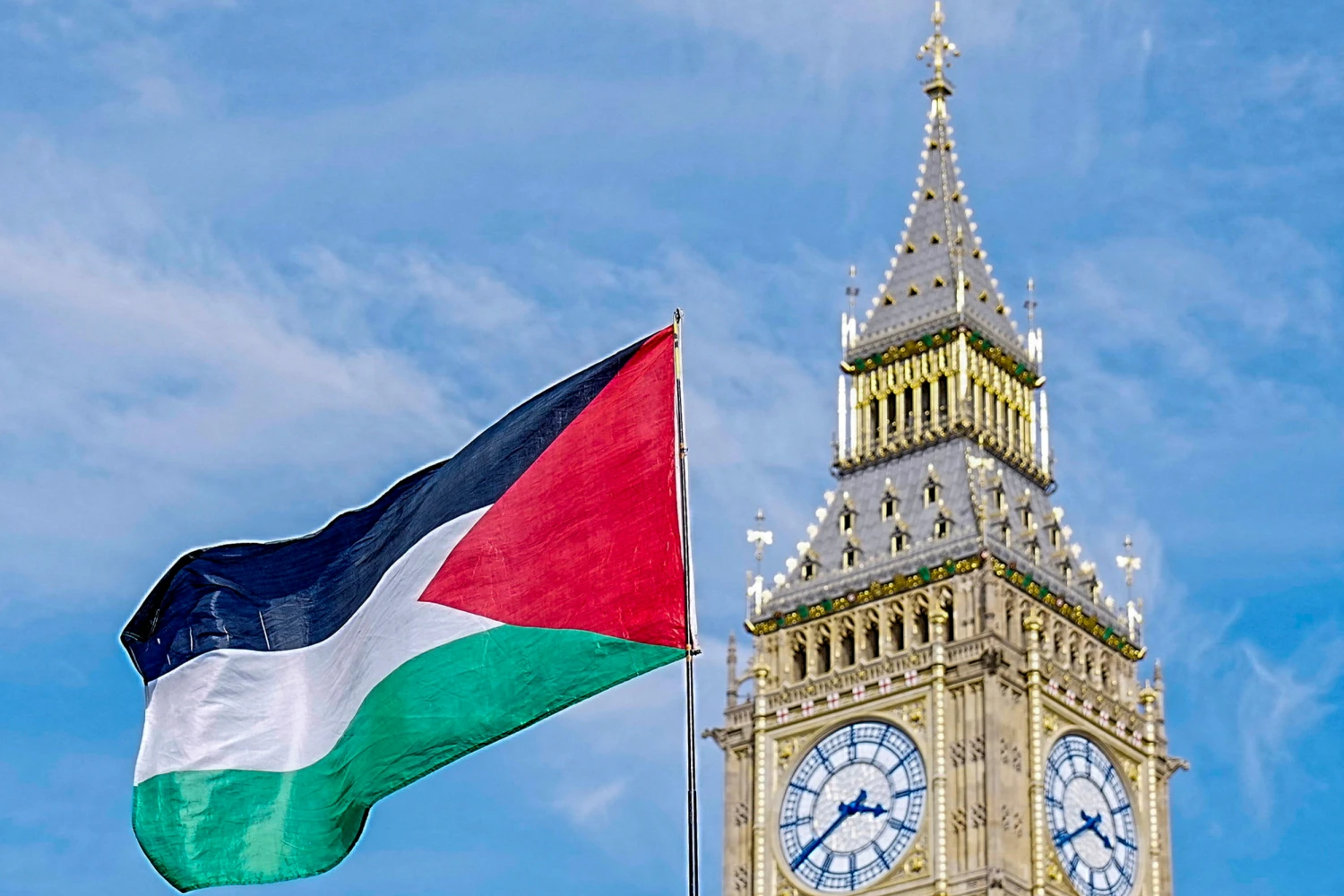
In what is being hailed as a historic diplomatic development, the United Kingdom has formally recognised the State of Palestine, joining Australia and Canada in a co-ordinated announcement that has already triggered intense debate both at home and abroad. British Prime Minister Keir Starmer, in his statement on Monday, described the move as an effort to “revive the hope of peace” and to preserve the vision of a two-state solution, which he warned is “fading, but we cannot let that light go out.”
The announcement, long anticipated after Starmer’s July pledge to act if conditions in the region did not improve, comes against the backdrop of an intensifying conflict in the Middle East. According to Gaza’s health ministry, more than 64,000 Palestinians have been killed since Israel launched its latest military offensive, a campaign widely condemned internationally for its scale and human cost. Simultaneously, Israel’s settlement expansion in the West Bank has continued, and Hamas has refused to release hostages taken during the October 7, 2023 attack that marked the beginning of the current escalation.
The UK’s recognition was not undertaken in isolation. Canada and Australia announced similar decisions simultaneously, with France expected to follow suit. Together, these nations form the first bloc of G7 powers to formally acknowledge Palestinian statehood, a shift that could reshape Western diplomacy in the Middle East.
Deputy Prime Minister David Lammy conceded that the move will not bring immediate change on the ground, but argued that it represents an essential step to sustain the possibility of a negotiated settlement in the future. “Will this feed children? No, that requires humanitarian aid. Will this free hostages? That depends on a ceasefire,” Lammy admitted. “But recognition is about keeping alive the hope of two states living side by side in peace.”
Currently, Palestine maintains only a “diplomatic mission” in London, operating from Hammersmith without the full privileges of an embassy. Recognition would upgrade its status, granting it diplomatic protections under the Vienna Conventions and facilitating direct state-to-state relations between London and Ramallah. The Foreign, Commonwealth and Development Office confirmed that Foreign Secretary Angela Rayner will shortly write to her Palestinian counterpart to outline the steps for establishing full diplomatic relations.

For the Starmer government and its allies, recognition is framed as a symbolic but crucial act of faith in the long-discussed two-state solution. Supporters argue that after years of deadlock and worsening humanitarian conditions, acknowledgement of Palestinian statehood is essential to keeping negotiations credible.
Starmer’s language was pointed: “In the face of growing horror in the Middle East, we are acting to keep alive the possibility of peace. That means a secure Israel alongside a viable Palestinian state. At the moment, we have neither.”
This perspective is shared by many European leaders who see recognition as a necessary counterbalance to Israeli policies, including settlement construction that has eroded trust in the peace process. France’s expected move to join the UK, Canada, and Australia would give the recognition further weight within Western alliances.
The decision has also sparked strong opposition. Critics within the UK and abroad argue that recognition of Palestine, particularly amid the ongoing hostage crisis, risks rewarding Hamas. The families of over a dozen hostages taken by the militant group in October 2023 issued an emotional plea to Starmer not to proceed, warning that the move “has dramatically complicated efforts to bring home our loved ones.”
The Board of Deputies of British Jews, a prominent organisation representing Jewish communities in the UK, also condemned the decision. They argued that recognition eases pressure on Hamas without contributing to an actual ceasefire, the release of hostages, or the alleviation of Palestinian suffering.
Israel’s Prime Minister Benjamin Netanyahu was blunt in his condemnation, describing the UK’s action as “absurd.” From his perspective, unilateral recognition of Palestine undermines Israel’s security concerns and gives legitimacy to what he views as a divided and unstable Palestinian leadership.
The UK’s move also exposes a divergence with its most important ally, the United States. At a joint press conference with Starmer, U.S. President Donald Trump openly disagreed with the decision, reiterating his administration’s focus on hostage release as the immediate priority. While the U.S. continues to back the idea of a two-state solution in principle, Washington has resisted unilateral recognition, maintaining that such a step must emerge from direct negotiations between Israel and the Palestinians.
This transatlantic divergence raises questions about whether recognition will enhance or complicate the UK’s diplomatic influence in the Middle East. Analysts suggest that while the UK’s decision strengthens its alignment with Canada, Australia, and potentially France, it may create friction with Washington at a sensitive geopolitical moment.
Recognition of Palestine is not a new concept globally. Of the United Nations’ 193 member states, 147 already recognise Palestinian statehood. However, among the G7, the UK, Canada, and soon France are the first to take the step. This makes the move symbolically powerful, even if it has little immediate effect on the ground.
Palestinian leaders have welcomed the recognition, viewing it as an overdue acknowledgment of their people’s right to self-determination. For them, it represents a rare diplomatic win at a time when conditions in Gaza and the West Bank are deteriorating rapidly. Yet questions remain about how this symbolic support translates into practical outcomes, particularly given the deep divisions between the Palestinian Authority in the West Bank and Hamas in Gaza.
While recognition is a milestone, it does not mean that a Palestinian state will materialise overnight. As Lammy himself acknowledged, “we are some significant distance” from achieving two states side by side. Progress toward that vision will still depend on ceasefires, negotiations, international pressure, and the willingness of both Israeli and Palestinian leaders to compromise.
The next steps will likely involve formalising diplomatic relations, with the Palestinian mission in London upgraded to an embassy and reciprocal arrangements established. Symbolically, this represents a dramatic shift, signalling that the UK now sees Palestine not as a hypothetical entity but as a state-in-waiting.
Whether this symbolic step reinvigorates the stalled peace process or instead deepens divisions remains to be seen. What is clear, however, is that Britain has placed itself firmly in the camp of those who believe that recognition is a necessary precursor to peace rather than its end point.

As the dust settles on this announcement, the central question is whether recognition will inspire renewed dialogue or merely entrench existing positions. In the words of one senior diplomat: “Recognition keeps the idea of peace alive. But the hard work—the negotiations, the compromises, the security guarantees—still lies ahead.”
Related News:
 Kinnock’s Rebuke Echoes Loudly as Corbyn Allies Launch Left-Wing Breakaway: “A Gift to Farage”
 Trump Administration Dismisses 17 Immigration Judges, Sparking Debate Over Judicial Independence
 UK Must Act with Courage and Clarity on Israel-Palestine Conflict, Says Foreign Affairs Committee Report
 Labour Faces Standoff as NHS Strike Exposes Deeper Crisis
 The Fight for Trans Safety Is a Fight for Everyone’s Safety — MPs Must Debate This Crucial Issue

 Brian Cox Slams Donald Trump’s Remarks on Scottish Independence and Voices Support for Kevin Spacey’s Return to Acting
 Trump Threatens 100% Tariff on Nations Importing Russian Oil Amid India Standoff Over Ukraine War
 Chancellor Faces Mounting Pressure Amid “Impossible Trilemma” Over Tax Rises
 Radioactive Leak at UK’s Nuclear Warhead Base Sparks Outcry Over Safety and Secrecy
 Mutual Inconvenience: Why Alaska Was Chosen for the Trump-Putin Summit on Ukraine
 UK Government Expands ‘Deport Now, Appeal Later’ Policy to 23 Countries
 Chancellor Rachel Reeves Pushes for Sweeping Changes to Environmental Protections to Accelerate Development
 Larger Families Could Gain Thousands if Labour Ends Two-Child Benefit Cap
 Hong Kong Summons UK and Australian Envoys Following Asylum Grants to Democracy Activists
 Is the UK Ready to Put Boots on the Ground in Ukraine? Assessing Military Capacity and Challenges
 Palestine Action Ban Protesters Plan Tactic to Overwhelm Police at Next London Demonstration
 Police Scotland Spends £500,000 Compensating Officers Over Trump Visit
 Britain’s Migration Challenge: Rising Asylum Numbers and Hotel Pressures
 Elon Musk Sparks New Controversy by Backing Tommy Robinson Amid Farage Feud
 Rylan Clark Criticizes UK Immigration Policies on This Morning, Sparking Public Debate
 Farage Blasts Essex Council Over St George’s Flag Controversy, Calls Message ‘Unbelievable
 Urgent Action Needed on Windrush Compensation as Survivors Speak of “Waiting to Die”
 Tanni Grey-Thompson Faces Abuse Over Opposition to Assisted Dying Bill
 Conservative Influencer Charlie Kirk Fatally Shot During University Debate
 TfL Invites RMT to Resume Talks as London Tube Strikes End
 UK Rejoining EU ‘Unlikely in My Lifetime,’ Says Starmer’s Europe Reset Negotiator
 ‘Unite the Kingdom’ Rally Sparks Fears of Far-Right Normalisation Among Minority Britons
 Thousands Gather in London to Protest Donald Trump’s Second UK State Visit
 Zarah Sultana Seeks Legal Action After Bitter Clash with Jeremy Corbyn Over Party Membership Funds
 Channel Crossings Surge: Over 1,000 People Arrive in the UK in Small Boats in a Single Day
 Widow of Charlie Kirk Forgives Killer at Emotional Memorial Service
 Top Andy Burnham Ally Launches Fierce Critique of Starmer Ahead of Labour Conference
 Mahmood Pledges Reform of Modern Slavery Laws After Court Blocks Deportation Appeal
 It Changed My View’: Campaign Encourages Pupils in Deprived Areas to Consider University
 Denmark Investigates Professional Drone Incursions Across Multiple Airports, No Evidence of Russian Involvement
 UK Fighter Jet Purchase Could Breach Nuclear Treaty, Warns CND
 Migrants in UK May Need to Contribute or Face Removal, Home Secretary Signals
 Ed Miliband Urges Labour to Confront Billionaire-Backed Opposition to Net Zero Goals
 A Third of EU Citizens in UK Report Discrimination by Public Bodies Post-Brexit
 Senior Tories Condemn Badenoch’s Vow to Repeal Climate Change Act as Catastrophic
 Home Secretary condemns Gaza protests after Manchester synagogue attack as “un-British”
 Digital ID Plans Ignite Debate Over £600m Treasury Tax Boost and Privacy Concerns
 Robert Jenrick Reiterates Controversial Comments on Birmingham’s Integration as Backlash Grows
 Public Trust in SNP Hits Historic Low Amid NHS Concerns
 Yvette Cooper Backs Digital ID Plan for UK Teens
 Starmer Faces Backlash Over Downing Street Shake-Up and Progressive Exodus
 Johnson Suggests Mandelson Linked to China Spy Controversy
 Ministry of Justice fails to file £11bn in spending receipts
 Rachel Reeves signals welfare reform ahead of key budget
 Nigel Farage’s partner linked to Brussels fraud probe
 Reform UK candidate fined £19,000 after using AI-generated cases to challenge election
 The debate over England’s compulsory reading test for 13-year-olds
 Kosovo agrees to host Britain’s refused asylum seekers
 William Steps Up Over Prince Andrew Palace Response
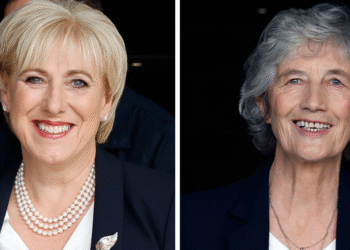 Ireland Votes as Two Women Compete for Presidency
 UK Health Leaders Push for Urgent Tobacco & Vape Bill
 Experts Warn Russia’s Burevestnik Missile Could Destabilise Arms Control
 How the Royal Navy Can’t Stop the Channel Boats
 Johnson Approved China’s London ‘Super-Embassy’ in 2018
 Green Party Surges Past Labour in Latest UK Poll
 Celebrities and Charities Demand UK Government Act on Child Poverty
 Zarah Sultana Launches Party to Change Politics
 FBI Director Kash Patel Defends Girlfriend Amid Government Jet Claims
 Labour immigration crackdown could cost UK £4.4bn
 ‘Reckless’ cuts to victims’ services will cost more than they save
 Starmer Faces Growing Dissent as Labour MPs Weigh Leadership Challenge
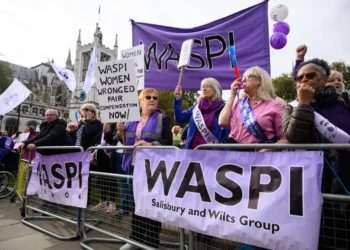 WASPI Women May Get Second Chance at Pension Redress
 Pressure Mounts on Starmer to Sack Chief of Staff Over Briefing Row
 Peers Flood Assisted Dying Bill with 942 Amendments
 US Justice Department Files Lawsuit Against California Over Partisan Voting Maps
 Trump Deploys DHS to Charlotte in Major Arrest Operation
 Pentagon Officials in Ukraine to Discuss War End
 Venezuela Threatens Nobel Winner Machado with Fugitive Status
 Most Tories Expect to Support a Farage-Led Government
 Labour MP claims devolution bill is ‘blatant discrimination’ against Cornwall
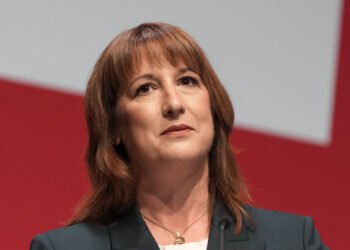 Millions Face Higher Taxes Under Reeves New Budget
 Jordan Bardella: France’s Young Presidential Contender
 EU plans $105bn Ukraine aid using frozen Russian assets
 Met officers ordered to declare Freemason links